





Learn More: Study Shows Which Pickup Trucks Will Last Over 250k Miles
What Actually Makes a Truck Reliable for Fleets?
What makes a truck reliable for fleets? From uptime to maintenance and spec’ing, here’s what really drives performance, and where fleets can weigh in.
May 5, 2026
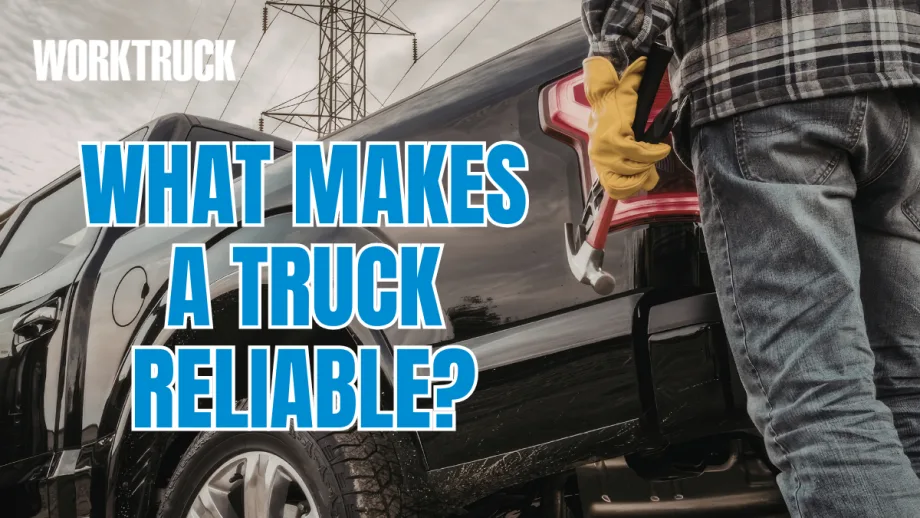
Reliable or just familiar? Fleets know it’s not that simple. From maintenance and uptime to spec’ing and driver behavior, reliability means something different in every operation. We’re digging into what actually makes a truck reliable, and asking fleets to weigh in.
4 min to read
- Truck reliability for fleets is determined by factors such as uptime, which measures the truck's operational availability versus downtime.
- Regular maintenance is crucial in ensuring that trucks remain in good working order and avoid unexpected breakdowns.
- Fleet managers can influence reliability through thoughtful vehicle spec'ing, choosing features and configurations that enhance performance.
*Summarized by AI
Ask ten fleet managers what makes a truck reliable, and you’ll get ten answers. Some will say brand. Others will say uptime. A few will say, “the one that doesn’t show up on my weekly headache list.”
And honestly, they’re all kind of right. Because in fleet, “reliable” doesn’t mean the truck that never breaks down. It means the one that performs consistently, fits the job, and doesn’t surprise you in ways that blow up your schedule or your budget.
Let’s break that down a bit.
Quick note before you dive in: We’re gathering real-world input from fleets to see how this actually plays out in the field. You’ll see a few spots below where you can weigh in. If something hits home, jump in and share what you’re seeing.
Reliability Starts with Boring Things (and That’s the Point)
Here’s the not-so-sexy truth: Reliability is built on consistency. It's not about the flashy features or spec-sheet bragging rights. Just the day-in, day-out stuff: maintenance, inspections, and predictable performance.
Preventive maintenance alone is one of the biggest levers fleets have. When it’s done right, it reduces breakdowns, extends vehicle life, and keeps trucks on the road where they belong.
But it’s not just doing maintenance. It’s doing it consistently, on schedule, and actually acting on what you find. Skipped inspections, delayed service, or “we’ll get to it next week” decisions are usually where reliability starts to slip.
And when it’s not? That “reliable” truck suddenly isn’t.
👉 Got a take on what actually drives reliability in your fleet? Share it here.
The Same Truck Can be Reliable… or Not
Here’s where things get interesting. Two identical trucks can have completely different outcomes depending on how they’re used. A light-duty pickup running steady highway miles might last hundreds of thousands of miles longer than the same model doing heavy towing in rough conditions.
So reliability isn’t just about the truck. It’s about the application.
- Stop-and-go routes vs. highway miles
- Payload vs. occasional hauling
- Urban delivery vs. off-road job sites
Even things like idle time, terrain, and climate start to shift how a truck performs over time. That’s why spec’ing to the job matters more than chasing a badge.
👉 Are your trucks spec’d just right—or are you constantly adjusting? Tell us what you’re seeing.
Drivers Play a Bigger Role Than We Admit
This is one of those topics fleets know, but don’t always love talking about. Driver behavior directly impacts reliability. Hard braking, aggressive acceleration, excessive idling… it all adds up in wear and tear across engines, brakes, and drivetrains.
And it’s not always obvious at first. It shows up over time in things like more frequent brake jobs, premature component wear, or inconsistent maintenance needs across similar units.
Take the same truck, same route, same workload, but use two different drivers, and you can get two very different maintenance profiles. That’s why more fleets are connecting driver data with maintenance trends. Not to point fingers, but to understand what’s really driving wear and tear.
👉 How much does driver behavior really impact your fleet? Be honest, we want to hear it!
Uptime is the Real Definition of 'Reliable'
Here’s the truth experienced fleet managers already know: Reliability isn’t just about how long a truck lasts. It’s about how often it’s available.
Downtime, planned or unplanned, is what really costs fleets. Missed jobs, rescheduled routes, backup vehicles, overtime… it adds up fast. That’s why more fleets are leaning into data, telematics, and predictive maintenance to catch issues early and keep trucks moving.
And lately, a lot of that downtime isn’t even mechanical. It’s parts delays, shop backlogs, or technician shortages slowing everything down.
Because at the end of the day, the most “reliable” truck is the one that shows up ready to work every time.
👉 What’s the biggest thing hurting your uptime right now? Jump in and share.
Cost still quietly defines reliability
No one loves talking about cost in a reliability conversation, but it’s always there. Fleet managers are constantly balancing total cost of ownership (fuel, maintenance, repairs, resale value) against performance.
And this is where reliability gets a little more nuanced:
- A truck that runs forever but costs a fortune to maintain? Not reliable.
- A cheaper truck that’s constantly down? Also not reliable.
The goal isn’t just durability. It’s predictability. Fleets want to know what a truck will cost them over time, not be surprised by it. Reliability lives in that middle ground: predictable costs, manageable repairs, and a lifecycle that makes financial sense.
👉 When you think “reliable,” what matters most to you? Add your perspective.

Reliable or just familiar? Fleets know it’s not that simple. From maintenance and uptime to spec’ing and driver behavior, reliability means something different in every operation. We’re digging into what actually makes a truck reliable and asking fleets to weigh in.
Credit:
Work Truck
So… What Actually Makes a Truck Reliable?
It’s not one thing. It’s a mix:
- Spec’ing the right truck for the job
- Staying disciplined on maintenance
- Managing driver behavior
- Using data to stay ahead of issues
- Keeping total cost in check
And even then, every fleet weighs those factors a little differently. Which is exactly why this conversation is worth having.
We’ll be sharing what fleets are saying in a follow-up piece, so if you’ve got strong opinions, now’s the time.
Quick Answers
Uptime is crucial because it ensures trucks are operational and available when needed, reducing downtime and associated costs, thus improving productivity and profitability for fleets.
*Summarized by AI
Subscribe to Our Newsletter
More Remarketing & Lifecycle
AP Fleet Management Expands Remarketing Program for Commercial Work Trucks
AP Fleet Management expanded its commercial vehicle remarketing program with dedicated resale services and an online marketplace for used work trucks.
Read More →
REP Inspection Services Launches, Delivering Professional Equipment Inspections
REP Inspection Services, led by someone with more than 30 years of industry experience, has launched its professional inspection services for trucks, trailers, and equipment across the commercial vehicle industry.
Read More →
Introducing Work Truck’s 2025 Remarketing Report Series
Work Truck’s 2025 Remarketing Report Series uncovers how data, timing, and technology are reshaping resale value and driving smarter fleet strategies.
Read More →

Fleet Remarketing Outlook 2026: EVs, Policy, and the Power of People [Part 4]
From EVs to policy changes, the 2026 fleet remarketing outlook is all about people, progress, and finding opportunity in stability.
Read More →
Digital Fleet Remarketing: How Tech and Transparency Build Buyer Confidence [Part 3]
Technology and trust are reshaping fleet remarketing in 2025. See how data, transparency, and partnerships drive better resale outcomes.
Read More →
Fleet Replacement Strategy 2025: When to Hold and When to Fold [Part 2]
Knowing when to sell or hold is key in 2025. Discover how fleet professionals use data and TCO insights to make smarter remarketing calls.
Read More →
The 2025 Work Truck Remarketing Market: Prices, Pressure, and What Comes Next [Part 1]
Fleet remarketing in 2025 is stabilizing. Experts share how prices, rates, and new tech are shaping used truck values and resale strategies.
Read More →
Copart and One Inc. Partner to Improve Auto Claims Process
ChatGPT said: One Inc and Copart partner to speed up lienholder payments, helping insurers process total loss vehicle claims faster and improve customer experiences.
Read More →
Fleet Remarketing Industry Council Launches to Shape Future Resale Value
What if fleets could shape how their vehicles are valued after resale? Now they can.
Read More →
CAR Partners with NAFA Fleet Management Association For 2026 Event
The event will connect fleet managers with vehicle remarketers to delve into topics that help fleet operations find remarketing solutions.
Read More →