




Getting Started with Fleet Metrics and KPIs
By focusing first on these core measures, you’ll build a strong foundation for smarter, data-driven fleet management.

Do you know where to start when it comes to understanding and managing fleet metrics and KPIs?
Photo: Work Truck
When you step into a fleet management role, whether you worked your way up from the shop floor or are new to the industry altogether, one of the first questions that tends to come up is: "What metrics should I actually be tracking?"
The truth is, not every organization will hand you a ready-made dashboard of KPIs. In fact, you might not even be asked to track anything at all. But as Nathan Schaefer, director at RTA Fleet (The Fleet Success Company), pointed out, there are a few foundational metrics every fleet manager should know and measure. They not only help you prove value but also keep your operation safe, reliable, and mission-ready.
Let’s break down three essential starting points:
1. Fleet Availability and Vehicle Downtime
Call it availability. Call it downtime. At the end of the day, it’s the same thing just viewed from opposite sides. Availability measures the percentage of your fleet's assets that are ready to go when needed.
If you’re running a trucking operation, that means trucks and trailers that are mission-ready to move freight. For a city fleet, it could mean patrol cars or snowplows that are roadworthy and available for dispatch. At its core, this metric reflects whether your fleet is actually able to deliver on its mission.
And because everything else — maintenance, parts, shop efficiency — feeds into availability, it’s one of the clearest snapshots of overall fleet health.
2. Preventive Maintenance Compliance Rate
This one comes down to timing: Did you complete preventive maintenance on schedule? PM compliance goes far beyond checking a box. It directly impacts risk, costs, and efficiency.
Skip or delay a PM, and you open the door to bigger, more expensive problems down the road. Missing a PM by just a couple of weeks could mean overlooking an issue that later causes a catastrophic breakdown. Staying on top of PMs helps keep assets reliable, protects your budget from surprise repairs, and gives your shop a more predictable workflow.
3. Scheduled vs. Unscheduled Repair Ratio
Think of this as the “predictability” metric. Are most of your repairs planned or unexpected? Unscheduled repairs not only drive up costs but also sideline vehicles when you least expect them, hurting availability and throwing operations off balance.
Tracking the balance between scheduled and unscheduled work helps you identify patterns, reduce reactive maintenance, and shift your shop toward a more proactive and planned approach. In the long run, it’s a simple way to gauge both asset health and operational stability.
Honorable Mention: Fleet Utilization Rate
Utilization can be trickier to define, but it is still worth attention once you’ve covered the basics. It’s not just about miles driven or days in service. A vehicle could travel only five miles a day, yet still be heavily used if it functions as a mobile office, such as a police cruiser.
Examining how assets are actually being utilized (beyond odometer readings) provides context for replacement planning, right-sizing, and determining whether your fleet is being deployed effectively.
Now, Where Do Fleet Managers Actually Start?
To sum it up, if you’re new to metrics, Schaefer recommended beginning with three simple KPIs:
Availability (or downtime)
PM compliance
Scheduled versus unscheduled repairs
Once you start tracking these, you’ll uncover “feeder metrics,” such as parts availability, labor efficiency, or shop throughput, which influence those top-line numbers.
By focusing first on these core measures, you’ll build a strong foundation for smarter, data-driven fleet management. Start with the basics, and you’ll have the building blocks you need to prove value, reduce risk, and keep your fleet running strong.
More Maintenance & Uptime
Building a Better Vehicle Replacement Model
Meter readings still matter, but engine hours, idle time, maintenance trends, and utilization can help fleets spot costly vehicles before the odometer does.
Read More →
How JASPER Keeps Fleets Moving and Profitable
Every business decision within fleet management ultimately comes down to financial performance. Investing in dependable replacement powertrain components and responsive support can measurably impact the bottom line.
Read More →
Ryder Honors 2026 Top Technician at 25th Anniversary Skills Competition
Hosted in Nashville, Ryder’s 25th annual Top Technician Skills Competition honored the best technicians across the U.S. and Canada. Top Tech celebrates technician expertise while promoting growth, recognition, and camaraderie. Here are the winners.
Read More →From Our Partners
How JASPER Keeps Fleets Moving and Profitable
Sponsored by Jasper Engines & Transmissions

Basic Tracking vs Next Generation Fleet Technology
Sponsored by AT&T Business
5 Facts Every Fleet Manager Should Know About Embedded Telematics
Sponsored by Stellantis/Mobilisights
How AI Video Telematics Boosts Driver Safety and Helps to Avoid Unnecessary Costs
Sponsored by Verizon Connect

Charting the 8 Bottom-Line Benefits of Workforce Optimization
Sponsored by Verizon Connect

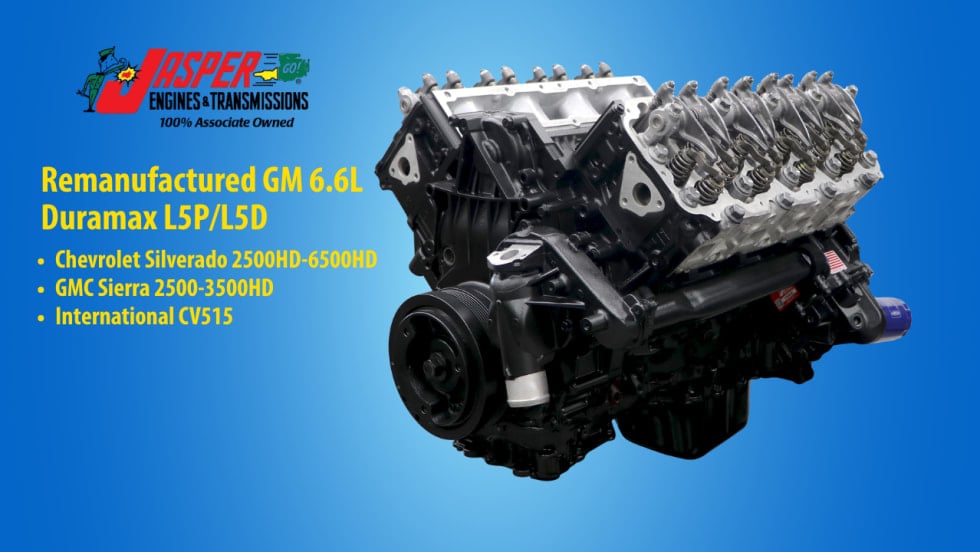
Jasper Offers GM 6.6L Duramax L5P/L5D Complete Format Diesel Engines
Jasper Engines & Transmissions now offers the remanufactured GM Duramax 6.6L L5P/L5D as a complete format engine for several General Motors and International 2017-2023 HD pickup trucks.
Read More →
Armor Equipment Strengthens Minnesota Service Capabilities with Acquisition of Dakota Truck
Armor Equipment has acquired Dakota Truck, a medium- and heavy-duty truck and trailer repair business based in Lakeville, Minnesota. The acquisition adds truck and trailer repair expertise, building on Armor’s expansion into the Upper Midwest.
Read More →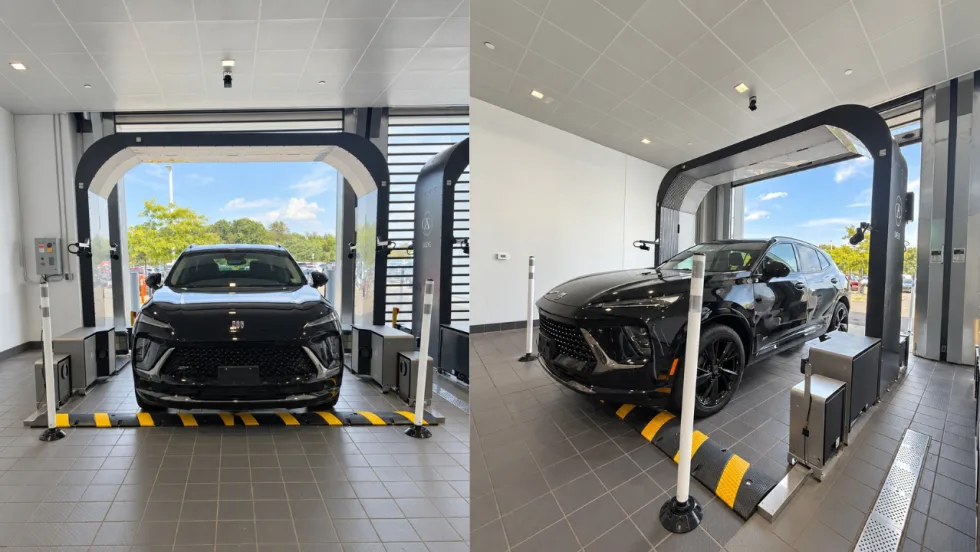
LaFontaine Partners With UVeye to Expand AI Vehicle Inspections in Michigan
LaFontaine is expanding UVeye AI vehicle inspections across Michigan, while UVeye tells Work Truck how the technology can support fleet maintenance and heavy-duty vehicle inspections.
Read More →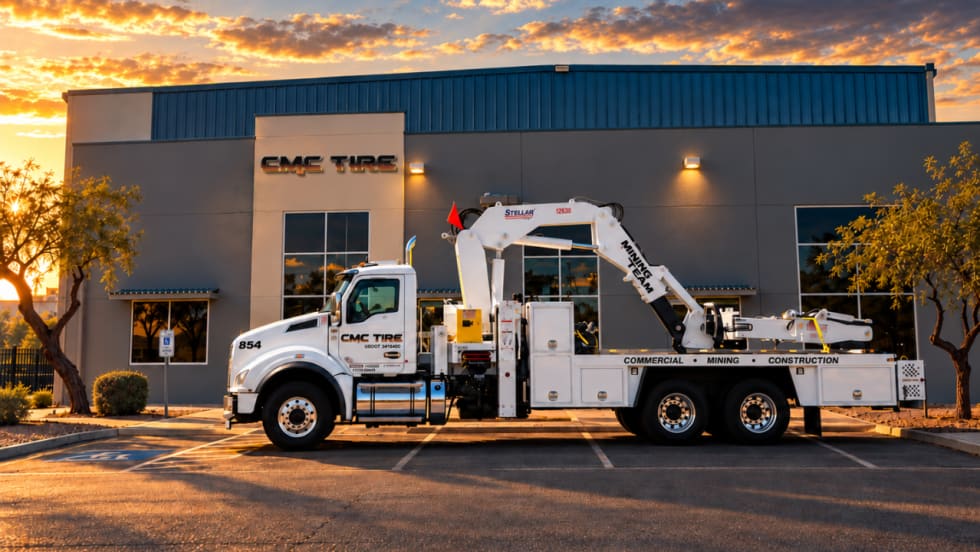
Les Schwab Expands Commercial Tire Footprint Into Arizona
Les Schwab Tires has expanded into Arizona with two commercial tire locations in Phoenix and Tucson, strengthening its fleet service footprint in the Southwest.
Read More →
Volvo Trucks’ 'Lock and Leave' Software Updates Go Live Across North America
Unattended over-the-air software updates are now available in Volvo trucks across the U.S. and Canada. The new capability lets trucks stay current with the latest software without interrupting operations or requiring a dealership visit.
Read More →
Why Technician Appreciation Can’t Be a Once-a-Year Thought
For fleets trying to keep skilled technicians, recognition cannot begin and end with Technician Appreciation Week. Learn what year-round appreciation really looks like and why the everyday technician experience matters just as much as pay when fleets are trying to keep good people.
Read More →
How Faster Driver Reporting Can Keep Small Truck Problems Small
When minor damage, warning lights, or equipment issues are reported late, small problems can quickly become bigger maintenance headaches. Conversational AI can help shorten the path from what a driver notices in the field to the person who can act on it.
Read More →