





45%
Fueled by new models, sizes, and engine choices, U.S. van sales increased by 45% between 2015 and 2016.
Source: Automotive Fleet Research Dept.
Economics of Vans vs. Pickups
A renaissance in the van segment means operators of vocational fleets have more choices than ever before, but the right selection requires an analysis that starts with the application, continues with the cost of ownership, and ends with the driver.
September 7, 2018
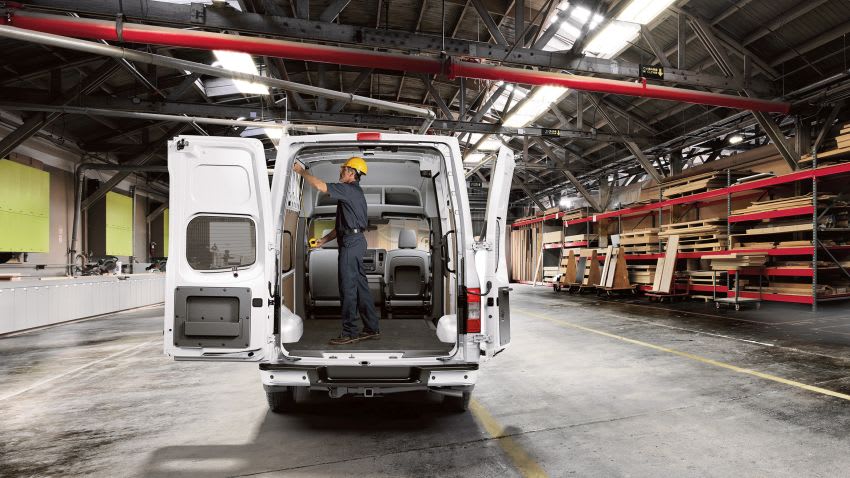
Full-size vans such as the Nissan NV Cargo combine heavy-duty capacity with an enclosed cargo hold and an available high roof.
Photo: Nissan Motor Co.
6 min to read
In 2013, Mark Shackleford took his trusted fleet dealer’s advice and tested the Nissan NV full-size van, which had been introduced to the North American market in the 2012-MY. The owner of Shackleford Enterprises, a Ringgold, Ga.-based company that provides roadside assistance, recovery, and repair services to tractor-trailer operators in four states, was in the market for a vehicle that could carry his drivers and a heavy and expensive load — around $100,000 worth of equipment and spare parts and components — safely and securely.
Since cycling in that first NV five years ago, he has purchased 25 more. For his application, the van makes more sense than any pickup could.
“When I shut those doors, I don’t want anybody to see what’s in it,” Shackleford said. “And it has overhead storage, a damn good air conditioner, and power inverters built into the console and in the rear. In our world, that keeps batteries, booster boxes, flashlights, and laptops charged.”
Since the early-2000s introduction of the “Euro-style” Mercedes-Benz Sprinter sparked a renaissance in the van segment, owners and operators of service fleets have had many more options to weigh when selecting their next workhorse. To dig into the topic, Work Truck met with factory executives representing Ford, Nissan, and Ram, each of whom works with fleet managers to select the right truck or van — or combination thereof — for their business.
Fit for Duty
Shackleford said the move to vans brought with it unexpected cost savings. “When the truck is full of air compressors, impact guns, and torch hoses, they get roasted and rained on the topside. It had become a real issue for us. Now my equipment lasts longer.”
Nissan’s senior manager of light commercial vehicle sales and operations, Mark Namuth, said that, with a full lineup of trucks and vans, “we feel there’s a fit for any application, and vans versus pickups has become a hot topic in recent years.”
Namuth and his team work with a national auto parts distributor that continues to invest in a mix of NVs and Frontier pickups. They use the trucks to haul engine blocks and other heavy orders and the vans for most other applications. “For some applications, trucks make more sense. If you’re working on construction sites, the first thing that goes in is the dirt road,”
“If the hammer won’t drive the nail, it won’t work for you,” said Dave Sowers, head of Ram commercial brand for Fiat Chrysler Automobiles. “Doing that research is even more important for fleets that might not have access to all the data and resources that large fleets do. Once they’ve come to grips with having a mix of vehicles, we can go into all the other factors, the most obvious of which is payload.”
Imran Jalal is brand and communications manager for Ford Motor Co.’s North American fleet division. He said those conversations should also include the needs of the fleet as well as the company and industry it belongs to. The result is never presumed; after all, just as 20% of full-size Transit van buyers are replacing trucks, 20% of Transit owners will end up moving into pickups.
“Vans tend to be slightly less pricey for the same capacity, and the fuel economy can be better, and the roof height on the van is a huge plus,” Jalal said. “But you never want to take pickups for granted. They have their purpose. It’s purely based on vocation.”

Fleets that require off-road travel or trailering continue to rely on pickups such as the Ford F-150, which remains America’s best-selling vehicle despite growing competition from vans and SUVs.
Photo: Ford Motor Co.
Vehicle Costs Vary
Once the choice of vehicles is clear, choosing between trucks and vans can often come down to acquisition cost, fuel economy, and total cost of ownership. Sowers noted that the compact ProMaster City gets up to 28 miles per gallon on the highway and can carry an 1,880-pound payload — more than most light-duty trucks could haul five years ago.
The full-size ProMaster’s capacity in 2018 reached a maximum of 4,600 pounds in 2019 with a comparable asking price and better fuel economy than a 3/4-ton pickup.
Another advantage? Vans are typically easier and cheaper to upfit. “You buy the van with the shelving package you picked inside. So you save a bit on upfit expenses and save time putting the vehicle into service,” Sowers said.
“A lot of fleets want to move to the cargo van mainly for fuel economy. You’re going to get 25 or 26 miles per gallon in a compact van. You would struggle to get that from a pickup truck,” said Namuth, who makes frequent use of Vincentric’s “Dynamic Cost to Own” TCO calculator, which weighs such factors as fuel, insurance, depreciation, and resale value. “We feel pretty good about logging our product into the Vincentric platform.”
The most recent operating costs report from Automotive Fleet, a sister publication to WT, broke down the reported costs for each fleet vehicle segment from September of 2016 to October of 2017.
Comparing compact, light-duty pickups with full-size vans shows that, for applications requiring 24,000 annual miles or less, trucks came out ahead at 0.18 cents/mile compared with 20 cents-per-mile (cpm) for vans. Pickups had the edge on fuel and repair costs while van owners spent less on oil and replacement tires; warranty recovery cost was the same.
However, in the 80,001- to 100,000-mile band, pickups clocked in at 25 cpm compared with 21 cpm for vans, which showed lower costs across the board for fuel, oil, tires, and repairs.
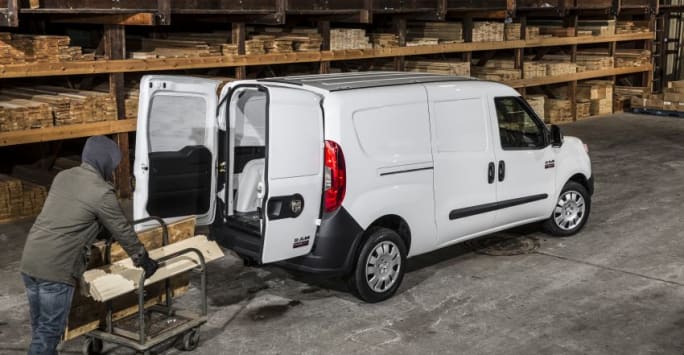
The Ram ProMaster City Tradesman Cargo exemplifies the low load floor height afforded by compact, “Euro”-style vans.
Photo: FCA US LLC
Think of the Drivers
No comparison of vans to pickups is complete without considering the person behind the wheel. Jalal noted that, in addition to cargo considerations, moving to a high-roof van creates a mobile workspace for drivers. “Ford offers three different roof heights. A technician can walk in rather than stand out in the cold.”
Nissan’s Namuth noted that, for drivers who take their service vehicle home each night, vans can present a disadvantage, and it has to do with all that advertising space on the sides and back.
“Those drivers are more apt to want a pickup truck than a van that says ‘Joe’s Plumbing.’ Some neighborhoods have rules against that. And some individuals just feel better having a truck in the driveway,” he said.
Sowers listed ease of operation and enhanced visibility as two advantages for employees whose primary skill and purpose are not driving. Better yet, the van’s lower load floor height can be a blessing for technicians who are accustomed to pulling tools, equipment, and cargo out of a pickup bed.
“Think of the number of cycles these drivers go through,” Sowers concluded. “A civilian pickup owner might jump in and out of the bed twice a week. These guys might do it 50 or 60 times a day.”
What's the Ad-VAN-Tage?
Vans and trucks offer many different advantages, depending on overall fleet needs.
Vans | Pickups |
Typically lower acquisition price | Typically higher resale price |
Easier to drive in urban conditions | Safer to take off-road |
Better suited for mobile workspace | Better suited for towing |
Cargo hold is private, secure, and weatherproof | Driver is separated from heavy or hazardous cargo |
Lower load floor height | Access from all sides |
Side panels create advertising space | More appealing take-home vehicle |
Shorter wheelbase aids parking and maneuvering | Fits in most parking garages and car washes |
Editor's Note: This article was originally published in September 2018 and has been updated over time as new information became available.
Subscribe to Our Newsletter
More Vehicle Insights
Morgan Olson Launches North America’s Longest Working Step Van Challenge
Morgan Olson has launched North America’s Longest Working Step Van Challenge, a new customer campaign to find the longest-working qualifying Morgan Olson or Grumman step van actively delivering packages for an independent service provider contracted by FedEx.
Read More →
Ford Transit Fleet Guide Specs Capability and 2027 Model-Year Updates
Explore 2027 Ford Transit fleet specs, engines, payload and towing capability, cargo configurations, work features, technology, and model-year updates.
Read More →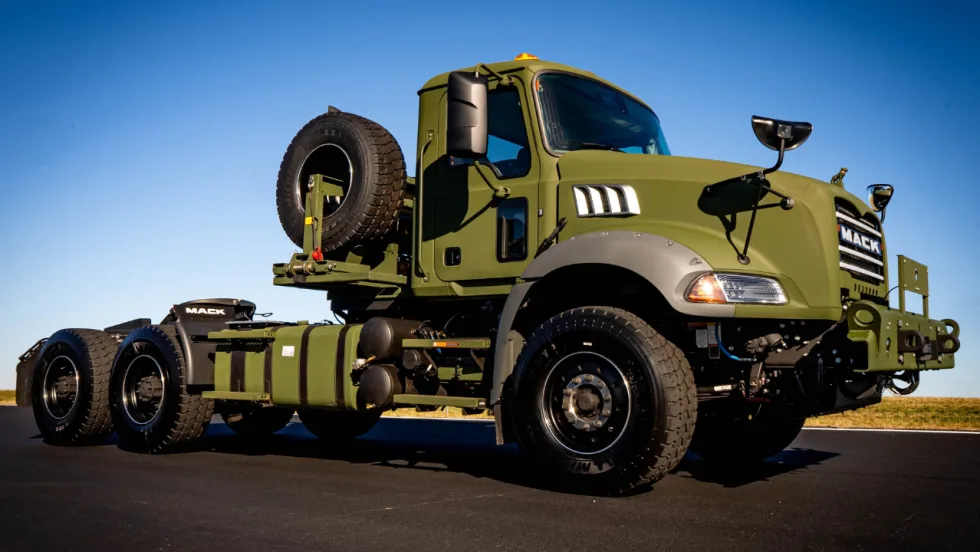
Mack Defense to Spotlight Common Tactical Truck Line Haul Hybrid Tractor During AUSA 2026
Mack Defense was awarded a contract to design, build, and deliver prototype vehicles for the U.S. Army’s Common Tactical Truck (CTT) program. It will show off its line-haul hybrid tractor prototype, based on the Mack Granite, at the 2026 United States Army (AUSA) Annual Meeting and Exposition.
Read More →
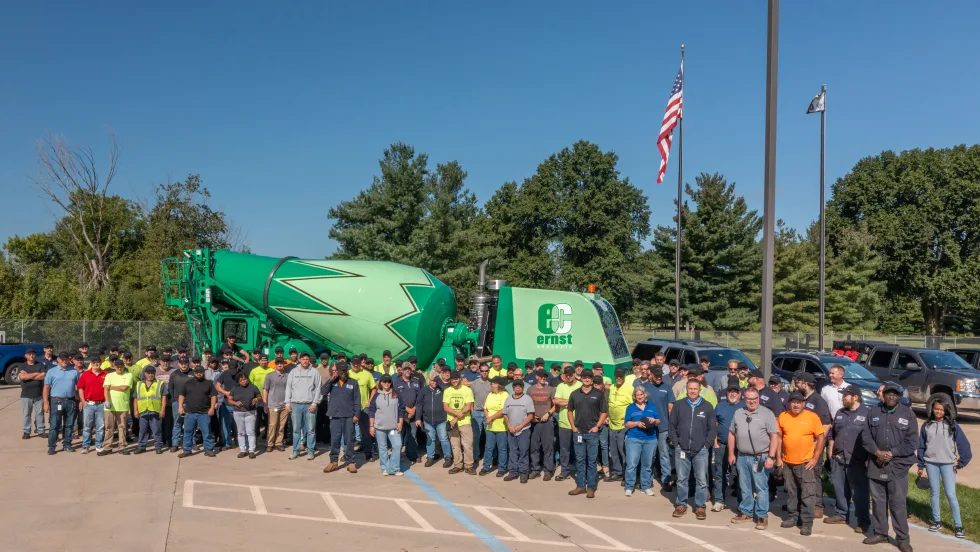
Advance Produces 20,000th Front-Discharge Mixer
Advance celebrated the production of its 20,000th front-discharge mixer, a Commander Series FD4000 mixer. Jack Willard first developed the original Rite-Way Truck in 1964, and then Advance was established in 1972.
Read More →
GM Launches Clean Sheet Duramax 8.3L Turbo-Diesel V8 for 2027 HD Pickups
General Motors previewed key updates for its 2027 HD pickup lineup, which will now include a new Duramax 8.3L Turbo-Diesel, electric power steering, and electronic brake boost.
Read More →
GMC Sierra 1500 Fleet Guide Specs Capability and 2027 Model-Year Updates
The next-generation 2027 GMC Sierra 1500 brings new V-8 engines, more standard safety technology, updated trailering tools, and a work-focused Pro trim. Here’s what fleets need to know.
Read More →
Mack Defense Achieves Cybersecurity Maturity Model Certification Level 2
After an assessment conducted by an authorized Certified Third-Party Assessment Organization (C3PAO), Mack Defense has achieved Cybersecurity Maturity Model Certification (CMMC) Level 2.
Read More →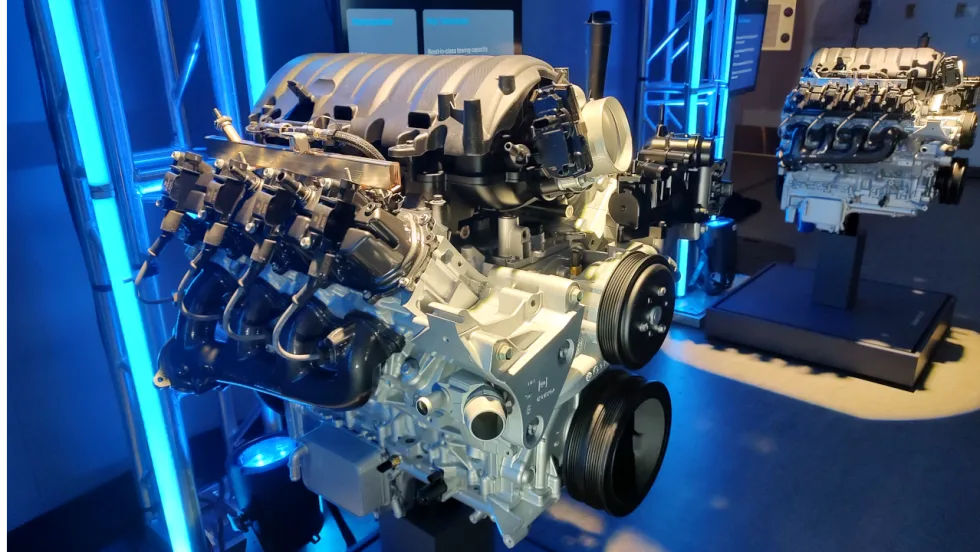
GM Unveils New Sixth-Generation Small Block Engines for 2027 Light-Duty Pickups
General Motors unveiled two new small-block engines, backed by extensive real-world validation and more than 70 years of small-block V8 manufacturing experience, as part of the engine portfolio for the 2027 Chevrolet Silverado 1500 and GMC Sierra 1500.
Read More →
Chevrolet Silverado 1500 Fleet Guide Specs Capability and 2027 Model-Year Updates
The next-generation 2027 Chevrolet Silverado 1500 brings new V-8 engines, updated technology, expanded safety features, and a fleet-focused Work Truck. Here’s what commercial fleets need to know so far.
Read More →
2026 Ram 1500 Tradesman Put to a Real-World Fleet Test
A few days behind the wheel of a 2026 Ram 1500 Tradesman turned into a test of visibility, parking, work-ready features, and even severe-weather driving.
Read More →