




Best Practices for Safe Driving in Light- and Medium-Duty Trucks
Check out these safety tips and accident prevention strategies for light- and medium-duty truck drivers to stay safe on the road and in challenging environments.
by Nick Warrick, All Seasons Uniforms
December 10, 2024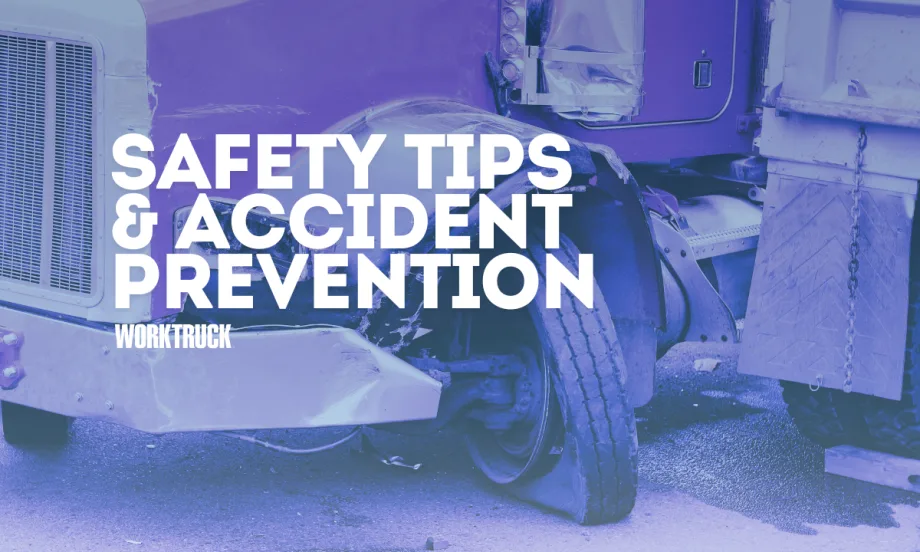
Truck drivers navigating busy urban streets face unique challenges daily. Stay prepared with essential safety gear and best practices.
Photo: Work Truck
5 min to read
Light- and medium-duty work truck drivers are the backbone of the logistics industry. However, adverse weather, congested urban environments, and interactions with pedestrians and other vehicles pose significant risks for these drivers in their day-to-day work.
This article will explore welfare measures for light- and medium-duty truck drivers and show how they can prevent accidents by following best safety practices.
Essential Safety Gear for Light- and Medium-Duty Truck Drivers
Light- and medium-duty truck drivers face risks both on the road and when collecting and delivering goods. Here is a list of some of the essential gear they need to mitigate these hazards.
Seat belts: Light/medium truck crashes often involve rear-end collisions. Seatbelts are the difference between death and injury or walking away from a road accident.
Personal Protective Equipment (PPE): Truck drivers need to load and unload goods and operate in busy commercial environments. Wearing the appropriate truck driver apparel is crucial in these settings. Hard hats, gloves, proper foot and eyewear, and ear protection are vital for keeping these workers safe.
High-visibility clothing: High-vis clothing and safety vests ensure that light/medium truck drivers are visible in a wide range of environments, adverse weather, and low-light conditions.
Commercial truck drivers visit a wide range of different sites and locations, like busy delivery depots, industrial units, construction sites, and more. Make sure they are prepared for these environments to help mitigate occupational hazards.
Best Practices for Preventing Accidents on the Road
Commercial truck drivers bring a lot of experience to the table. However, they also face a lot of stress and pressure to meet deadlines and consumer expectations, which can lead to suboptimal driving.
What’s more, truck drivers often work long hours in adverse weather or busy urban environments. Avoiding accidents on the road involves observing several best practices, which are included below.
Maintain a safe driving distance at all times and increase this distance in adverse weather conditions.
Stay focused on the road and avoid distractions such as smartphones, eating, and anything else that will take your attention away. Set up your music and navigating systems before you start your journey.
Drivers should faithfully observe the highway code to ensure safety and avoid points on their license.
Follow proper cargo securing procedures to prevent balance issues caused by improperly loaded goods.
Check brakes, tires, lights, and wipers regularly to ensure your vehicle is in top working condition.
Allow enough time to meet collection and delivery deadlines so you won’t be in a rush and tempted to speed.
Keeping to these practical and easily implementable best practices significantly improves driver safety.
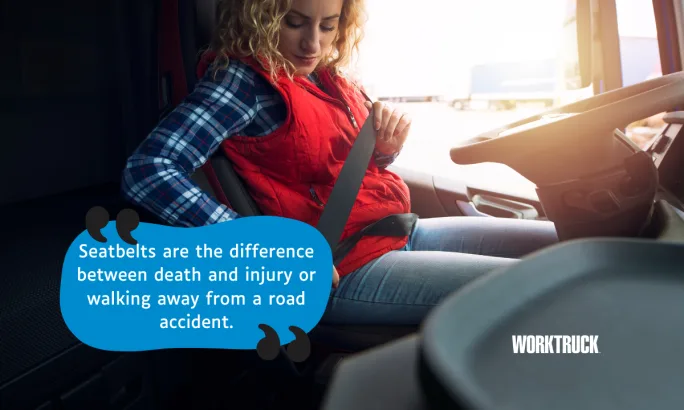
Seat belts save lives! For light- and medium-duty truck drivers, buckling up is the simplest and most effective way to prevent serious injury in a crash.
Photo: Work Truck
Addressing Driver Fatigue and Ensuring Alertness
The AAA Foundation for Traffic Safety reports that “drowsy” driving accounts for between 1% and 2% of all road traffic accidents in the US, with other data suggesting that 40% of these incidents involve sleep-deprived commercial drivers. Researchers have also noted that these figures should be considered conservative because fatigue is often underreported in accidents.
It’s clear that burnout or exhaustion is a significant risk factor for light- and medium-duty truck drivers. Again, long hours, irregular schedules, and pressure are big contributors to fatigue among commercial drivers. Here are some tips to stay safe while driving.
Aim to get 7-8 hours of sleep every night before you drive.
Yawning, trouble focusing, and drifting out of your lane are all signs of fatigue. If you experience any of these symptoms, pull over and get some rest.
Schedule regular breaks to get out of the truck and walk around. Many drivers observe the 15-minute break every 2 hours rule.
Exercise and healthy eating can do wonders for alertness.
The advice outlined above is focused on what drivers can do to ensure they’re at their best. However, businesses also have a role to play.
Here are some tips for large and small businesses that want to help their drivers avoid exhaustion and burnout.
Support a healthy work-life balance by encouraging rest and family time.
Where possible, give drivers some control over their schedules or some sort of flexibility.
Implement regular check-ins and conversations to ensure driver health and well-being.
Recognize hard work and commitment through a reward program.
Encourage drivers to take holidays or time off to recharge.
Building a Strong Safety Culture in Trucking Operations
Employers have a critical role to play in reducing risks for their trucking-driving workers. Leadership sets the tone and expectations that employees follow. Additionally, showing a strong interest in driver wellbeing helps foster trust and respect, which ensures you can retain your best employees.
Here are some tips to help you build the right safety culture in your trucking operations.
Safety training: Invest in safety training programs for drivers to teach things like:
Safe driving techniques.
Proper cargo securement.
Guidance on handling hazardous materials.
Regulations around safe hours of service.
Emergency procedures.
Vehicle maintenance and inspection.
Ensure training is hands-on and practical, so your employees stay engaged. While these sessions are essential when you’re onboarding new drivers, make sure everyone takes a refresher course from time to time.
Safety communication: Every second counts in the logistics industry. As such, it’s challenging to get drivers together for safety meetings. Leaders must find ways to compensate for regular meetings with solid safety communication procedures.
Fostering a culture of open communication is possible with the following steps:
Outline clear and well-defined channels for raising safety issues.
Ensure drivers report concerns, potential safety hazards, and even near misses.
Action safety reports as quickly as possible.
Through establishing and encouraging open dialogue, leaders are more aware of the risks and challenges their drivers face on the road and while interacting with clients.
Technology: Data and technology are a big part of the logistics industry. Some of the tools that help optimize safety include:
Electronic logging devices (EDLs) or telematics systems to ensure compliant driving schedules and behavior.
Dynamic routing that helps truck drivers avoid traffic congestion and adverse weather conditions.
Back-up cameras and collision mitigation systems to help reduce accidents.
Built-in lane departure warnings to tackle accidents caused by distraction or fatigue.
While rolling out these technologies across the entire fleet has cost implications, investing in driver safety is a must for businesses that want to retain employees and stay productive.
Subscribe to Our Newsletter
More Safety & Compliance

Crossing State Lines in a Light-Duty Work Truck? Check These Rules First
Crossing state lines in a lighter work truck? J.J. Keller's Kathy Close explains when IRP registration, trip permits, and towing rules come into play.
Read More →
GeoFencing Adds to Your Truck Security Arsenal
Geofencing is a familiar fleet tool today, but its early adoption marked a major shift in vehicle tracking, route monitoring, and the debate over employee privacy.
Read More →
Recalls You Need to Know About in October 2026
In October 2026, what recalls might impact your fleet? Work Truck has the answers in this comprehensive overview of recent NHTSA recalls.
Read More →From Our Partners




Construction Fleets Show Telematics Adoption Alone May Not Reduce Driving Risk
SambaSafety found construction fleets monitor roughly 92% of their vehicles but recorded the highest severe speeding rate among industries studied.
Read More →
Lytx Launches 360 Hub Kit for Expanded Fleet Camera Visibility
Lytx’s new AI-ready gateway and HD auxiliary camera ecosystem, the Lytx 360 Hub Kit, extends visibility across side, rear, cargo, and blind-zone views to help fleets see more and respond faster.
Read More →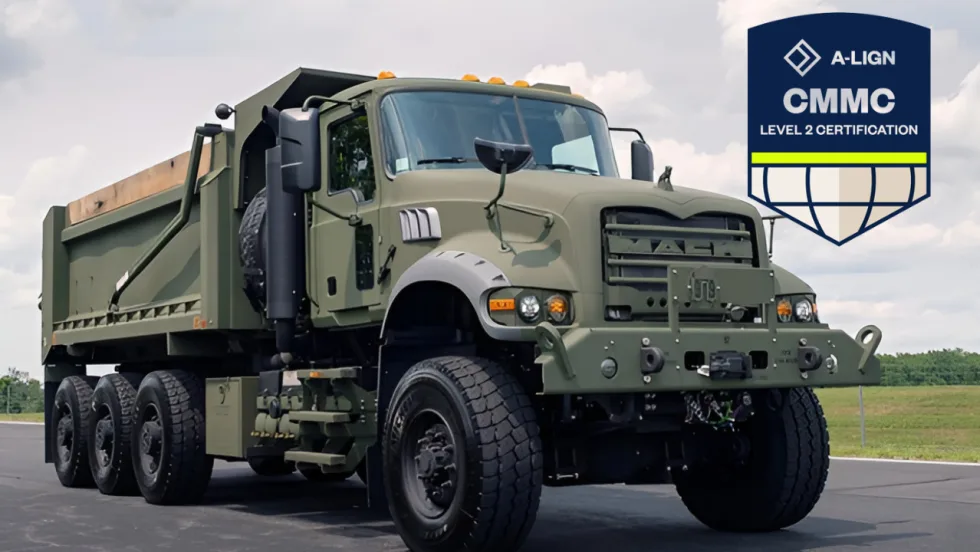
Mack Defense Achieves Cybersecurity Maturity Model Certification Level 2
After an assessment conducted by an authorized Certified Third-Party Assessment Organization (C3PAO), Mack Defense has achieved Cybersecurity Maturity Model Certification (CMMC) Level 2.
Read More →
When Work Trucks Under 26,001 Pounds Need IRP Registration
Think trucks under 26,001 pounds are automatically in the clear when it comes to IRP? Not always. Learn where lighter vehicles can still run into trip permit, apportioned registration, and IFTA compliance requirements when crossing state or provincial lines.
Read More →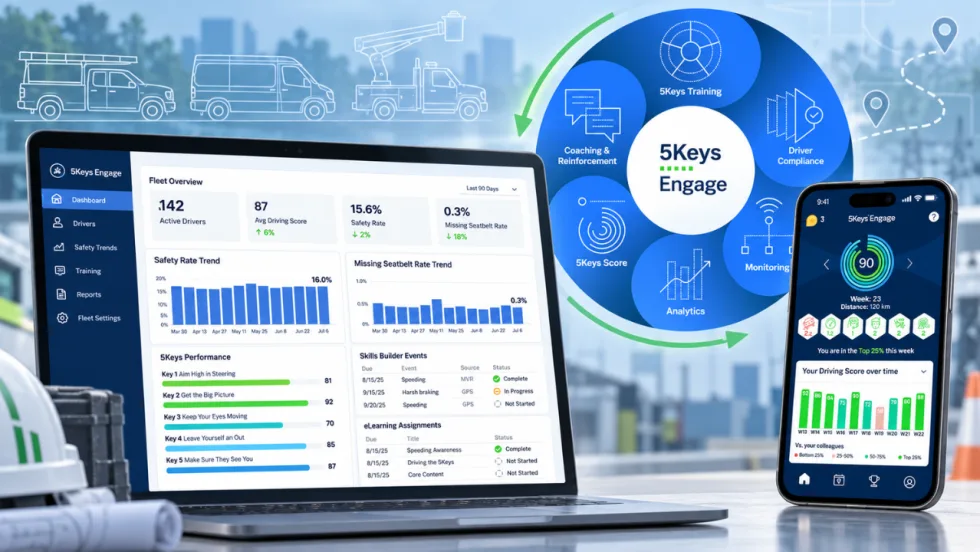
Smith System Wants Work Truck Fleets to Look Beyond the Driver Alert
Smith System’s new Driver Risk Management program is built to help mixed work truck fleets turn telematics alerts and observations into specific behaviors, coaching actions, and measurable follow-up.
Read More →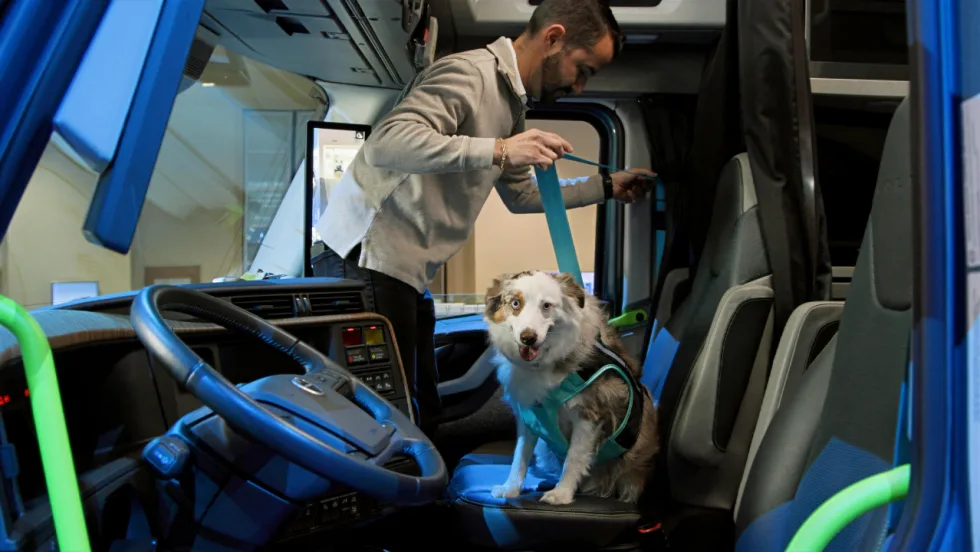
Volvo Trucks Releases New Safety Recommendations for Traveling with Pets
One of the most important recommendations for professional drivers traveling with pets is to ensure pets are properly restrained while the truck is moving. Other tips are available in the new guide from Volvo Trucks North America and Center for Pet Safety.
Read More →
Are Work Truck Drivers Warming Up to Dash Cams and GPS Tracking?
A new survey finds field-service drivers may be more comfortable with dash cams and GPS tracking than fleet managers think, especially when the technology helps protect them after a crash.
Read More →