





Fleet In Flight: Walmart to Expand Drone Deliveries to 4M Households
Walmart Teams with Cummins & Chevron on Natural Gas
Walmart has debuted the first North American 15.0L compressed natural gas engines incorporated into Walmart’s private fleet.
April 21, 2023

Just in time for Earth Week, the introduction of this CNG-powered truck is an important milestone in the retailer’s journey.
Photo: Business Wire
3 min to read
Walmart has debuted the first North American 15.0L compressed natural gas engines incorporated into Walmart’s private fleet.
The X15N engine is supplied by Cummins and fueled by Chevron with compressed natural gas linked to renewable natural gas. The Walmart truck will make its inaugural trip from Indiana to California, making pit stops to refuel at Chevron stations.
Walmart’s Road to Zero-Emissions
Last year, Walmart announced several first-of-their-kind initiatives among its Class 8 transportation fleet as the retailer pursues its goal to achieve zero emissions across global operations by 2040. And just in time for Earth Week, introducing this CNG-powered truck is an essential milestone in the retailer’s journey.
“Walmart transportation is focused on the continuous piloting of solutions that aren’t just changing the industry, but are having a lasting impact on the world,” said Fernando Cortes, senior vice president of transportation at Walmart. “We are proud to team with Cummins and Chevron to develop industry-leading advancements that pave toward a lower carbon future.”
Cummins Next-Generation 2024 X15N Engine
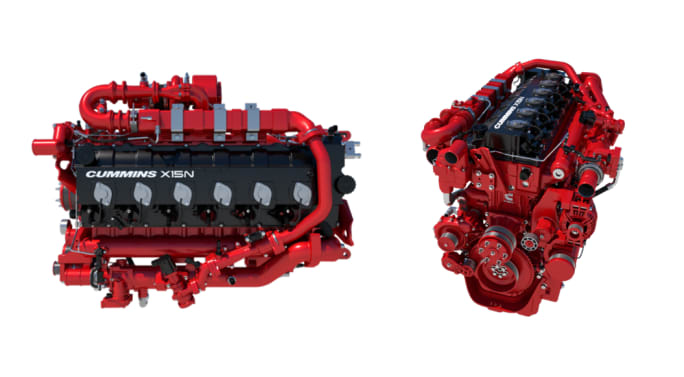
The X15N is an important part of Cummins’ Destination Zero strategy focusing on new powertrains including advanced diesel, natural gas, hydrogen engines, hybrids, battery electric, and fuel cells along with an increased use of low carbon fuels and renewable electricity and related infrastructure.
Photo: Cummins
While trucking has historically relied on diesel to fuel its engines, a move toward renewable natural gas is an important step toward lowering fleet emissions. Renewable natural gas is produced when biomethane from decomposing organic matter – such as cow manure or landfill waste – is captured, treated, and processed into natural gas.
Methane that is not captured and processed is 25 times more potent than carbon dioxide (CO2) at trapping heat within the atmosphere leading to climate change.
Coming to market in 2024, the X15N natural gas engine delivers diesel-like ratings as well as durability and reliability to allow fleets to significantly reduce their carbon footprint without sacrificing capability. From the platform’s inception, the X15N was designed by Cummins with spark ignition in mind. It offers the industry a solution for achieving sustainability goals, including the ability to run on renewable natural gas.
“Working with partners like Walmart to test new products like the X15N gives Cummins valuable real-world data that helps us validate our engines before moving into full production,” said Puneet Jhawar, general manager – Spark Ignited Products for Cummins. “Chevron has also been very helpful in our test; to help increase CNG fuel availability that will enable adoption of alternate technologies faster.”
The engine’s exhaust flows through a passive and maintenance-free three-way catalyst from Cummins Emission Solutions for optimal simplicity. Natural gas fuel storage is represented by a full-scale display model of a Cummins Clean Fuel Technologies back-of-cab 175 diesel gallon equivalent system.
“Chevron is constantly pursuing solutions that drive progress toward a lower carbon future,” said Andy Walz, Chevron’s president of Americas Products. “Partnering with Walmart and Cummins on the road trip and demonstration can help us deliver that progress today for the transportation, the industry, and customers who rely on all of our products to advance a lower carbon economy.”
More Fuel

The Smart Way to Build a Mixed-Energy Fleet Isn’t About Picking a Side
Mixed-energy fleets aren’t about picking a winning fuel. Sarah Booth of WEX explains how vehicle data, duty cycles, charging strategy, and real-world costs can help fleets choose the right energy source for each job.
Read More →
Ignoring This Dashboard Warning Could Cost Your Fleet Thousands in Fuel
New research suggests neglected diesel aftertreatment systems could waste up to $30 in fuel per vehicle each day. Here's why vocational fleets should pay attention.
Read More →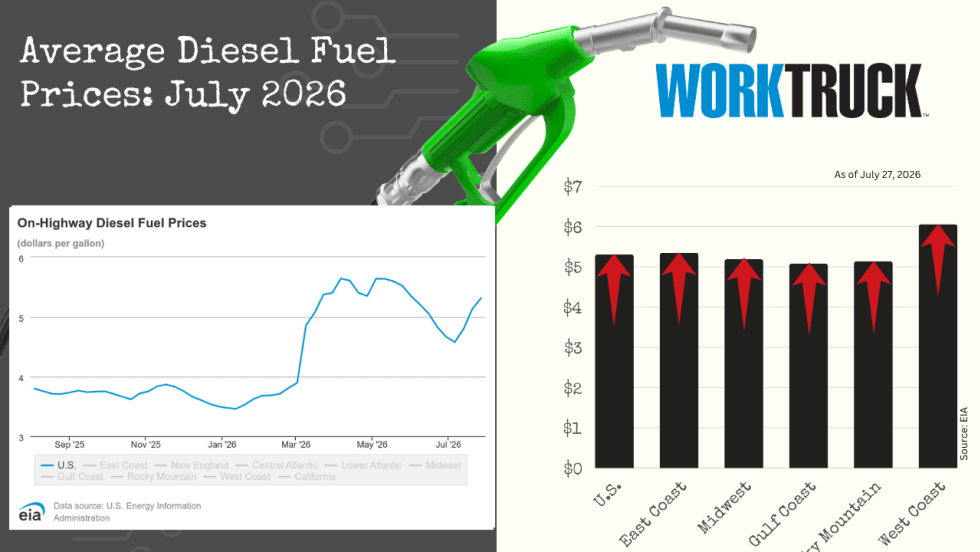
July Diesel Trends Update
The average price of a gallon of diesel increased again this week, and the EIA reported a new national average of $5.31 at the start of the week.
Read More →
WEX Brings Standard Fleet's Connected Vehicle Platform to Fleet Customers
This week’s product launch with Standard Fleet’s connected vehicle platform reflects WEX Venture Capital's strategy of turning startup innovation into customer solutions. Standard Fleet is now available to WEX fleet customers.
Read More →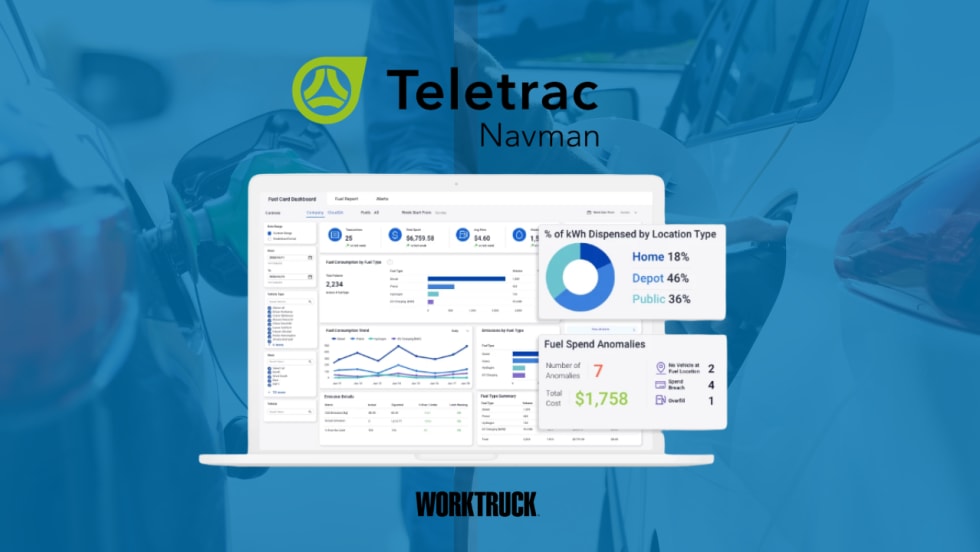
Teletrac Navman Adds Mixed-Energy Fleet Tools to TN360
The new Energy Hub combines fuel transactions, EV charging data, vehicle range, and energy costs in one dashboard for fleets operating multiple vehicle and energy types.
Read More →
WEX DriverDash adds CITGO, Expands Nationwide Access for Fleets
The DriverDash mobile payment app, by WEX, has been integrated into the CITGO merchant network, which means WEX has expanded its U.S. station footprint with the addition of approximately 4,000 CITGO locations.
Read More →
Mixed Energy Fleet Tips for Balancing EVs, Gas and Diesel Vehicles
Mixed energy fleets are becoming the new normal. Learn how fleet managers are balancing EVs, gas and diesel vehicles while controlling costs and planning for the future.
Read More →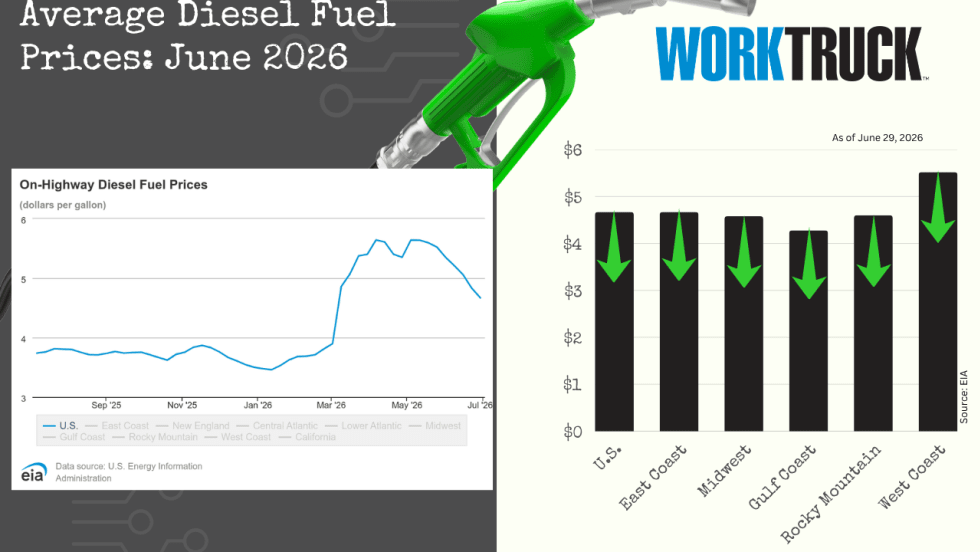
June Diesel Trends Update
The national average price of a gallon of diesel has dropped again, this week by more than 16 cents. All five regions reported lower average prices, ranging from almost 13 cents to more than 28 cents cheaper than a week ago.
Read More →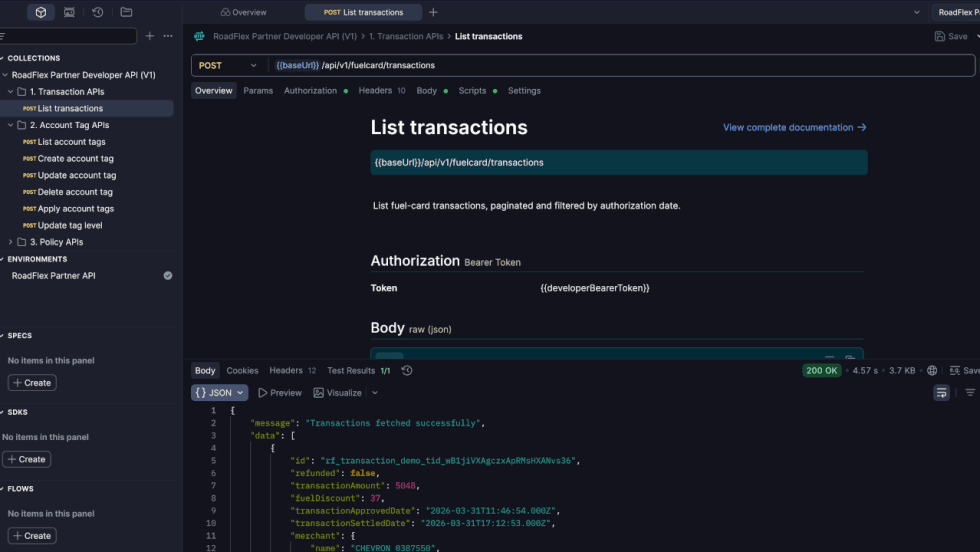
RoadFlex Launches RoadFlex Direct Open API Platform
RoadFlex Direct connects fuel cards, controls, and data to the telematics and fleet management systems fleets already run, from Geotab and Samsara to Fleetio and RTA, with no separate dashboard or double data entry.
Read More →
The Key to Fuel Efficiency Sits in the Cab
Learn how driver behavior, telematics, coaching, and fuel data can help fleets improve fuel efficiency, lower costs, and reduce emissions.
Read More →