




Author Bio: Jessica Crabtree is a diesel fuel chemist at Power Service Products specializing in fuel chemistry, additive formulation, combustion efficiency, and deposit control mechanisms. Her work focuses on field testing, laboratory research, and preventative maintenance strategies for commercial and heavy-duty fleets. This article was authored and edited following Work Truck editorial standards and style. Opinions expressed may not reflect those of WT.
Precision Under Pressure: Why Modern Diesels Demand a New Fuel Maintenance Playbook
Modern diesel fuel systems leave little room for contamination, deposits, or old maintenance habits. See why today’s HPCR engines demand a more proactive approach to fuel quality, injector health, and DPF protection.
by Jessica Crabtree, Power Service Products
October 1, 2026
A check engine light may not tell the whole story. Fuel system issues and deposit buildup can develop before a warning light ever appears.
Credit:
Work Truck
5 min to read
Commercial diesel engines operating today have almost nothing in common with the engines from twenty years ago. The result of strict emissions regulations and fuel economy targets is today’s High-Pressure Common Rail (HPCR) fuel injection systems. Operating at extreme pressures exceeding 30,000 to 39,000 PSI, with nozzle orifices smaller than 100 microns, these systems have precise fuel metering through as many as eight distinct injection events per single combustion cycle.
While HPCR engines deliver great power and lower emissions, they also create an environment prone to fuel degradation and deposit buildup. For fleet managers, the old "fix-it-when-it-breaks" maintenance approach is no longer workable. Protecting fleet uptime and controlling total cost of ownership (TCO) requires a clear understanding of how HPCR systems interact with modern diesel fuel chemistry.
Why Modern Common Rail Systems Are So Sensitive to Deposits
In legacy mechanical or unit-injector engines, clearances were less strict, injection pressures were a fraction of today's engines, and minor fuel contamination rarely caused immediate performance issues. In contrast, HPCR components operate under extreme thermal and mechanical stress:
- Tight Tolerances: Moving parts inside HPCR injectors operate with mechanical clearances measured in single-digit microns. At this scale, a light chemical film or a single microscopic particle is enough to drag or stick an internal valve.
- Intense Thermal Environment: Fuel in an HPCR engine serves a dual purpose: it acts as both the combustible power source and the primary coolant and lubricant for the high-pressure pump and injectors. As fuel is pressurized and moves across hot engine rails, the unburnt fuel absorbs intense heat before returning to the fuel tank. This continuous cycle of heating and cooling speeds up fuel oxidation, thermal breakdown, and the formation of insoluble gums.
- New Type of Deposits - IDIDs: Older engines formed traditional carbon coking on the exterior nozzle tip. Today’s modern HPCR systems are prone to Internal Diesel Injector Deposits (IDIDs) that form inside the injector body. These range from soft, waxy carboxylate salts to hard, amber-colored lacquers. IDIDs cause sluggish valve response and incorrect fueling timing long before a diagnostic light ever turns on. If an injector valve slows down by even a fraction of a millisecond, the spray pattern breaks down, the fuel doesn’t atomize properly, and you lose complete combustion.
Also Impacted: Fuel Economy and DPF Health
The financial costs caused by deposit buildup go far beyond replacing a faulty injector - the entire exhaust aftertreatment system is at risk.
When fuel spray patterns degrade due to internal deposits, it can cause:
- Incomplete Combustion & Lost Fuel: Distorted spray patterns keep fuel from burning completely. Engine control units (ECUs) automatically compensate by adjusting injector balance, which can mask the issue while fuel economy drops by 2% to 7%.
- Too Much Soot: Incomplete combustion creates elevated levels of soot and unburnt hydrocarbons in the exhaust.
- Frequent DPF Regenerations: That extra soot flows straight downstream, loading the Diesel Particulate Filter (DPF). In response, the ECU forces active DPF regenerations much more frequently.
Maintaining clean fuel injectors is one of the most effective ways to protect your DPF and avoid premature aftertreatment failures.
What to Keep in Mind When Adding Trucks to Your Fleet
Relying on maintenance procedures from older equipment can lead to unexpected failures when introducing new trucks. Fleet directors should keep these three fuel-related realities in mind:
1. The Limits of ULSD
The hydrotreating process used to reduce sulfur down to the 15 ppm limit also removes natural lubricity and compounds that keep fuel stable. Standard ULSD meets minimum ASTM D975 specifications, but those minimums were never designed for the heavy thermal recirculation, or extended storage demands of modern commercial fleets.
2. High-Efficiency Filters Are Not a Cure All
High-efficiency filters are great for catching solid debris, but they can’t block dissolved molecules that react under heat to form lacquers and carboxylate salts directly inside the injector.
3. Water Management Is Critical
Water remains the fastest way to destroy an HPCR system. Free water subjected to 30,000+ PSI causes immediate surface pitting and rapid metal-on-metal wear inside high-pressure pumps. Implementing water-draining protocols and routine bulk tank monitoring are key items to integrate into regular maintenance.
Common Fuel Maintenance Misconceptions
Common Belief | Field Reality |
If the Check Engine light isn't on, the fuel system is running fine. | ECUs are smart and they constantly adjust injector balance to hide power losses and deposit buildup. You can easily lose 2% to 7% in fuel economy and double your DPF soot load long before the dash ever lights up. |
Standard pump fuel provides enough protection | ASTM D975 sets the bare minimum for diesel stability and cleanliness. It doesn't guarantee the elevated lubricity, thermal stability, or detergency needed to handle the severe recirculation heat of modern common rail engines. |
We'll treat the fuel if an injector starts sticking. | Trying to dissolve hard, baked-on IDID lacquers after a valve lag is an uphill battle. Keeping injectors clean continuously costs a fraction of an unexpected trip to the shop. |
Shifting from Reactive Repair to Proactive Maintenance
Modern diesel engines are built for peak performance, low emissions, and maximum fuel efficiency—but keeping them there requires maintaining the fuel system to the same exacting standards.
By understanding the extreme thermal and mechanical demands placed on HPCR technology, fleet operators can move away from reactive part replacement to proactive fuel quality controls. Establishing routine maintenance protocols that address thermal stability, water separation, and deposit prevention ensures your equipment delivers the long-term reliability and low operating costs you expect.

Credit:
Power Service Products | Work Truck
Quick Answers
Modern diesel engines, especially those equipped with High Pressure Common Rail (HPCR) systems, are sensitive to fuel quality and prone to issues from contamination and deposits. This necessitates a proactive approach to ensure optimal engine performance and longevity.
*Summarized by AI
Subscribe to Our Newsletter
More Fuel

Peterbilt Trucks Equipped with Paccar TX-18 Pro Boost Efficiency for Maryland Fleet
Patuxent Companies is replacing aging trucks with the Peterbilt Model 567 and Model 589, specified with the Paccar TX-18 Pro 18-speed automated transmissions, and is reporting an 8% to 10% improvement in fuel economy.
Read More →
The Smart Way to Build a Mixed-Energy Fleet Isn’t About Picking a Side
Mixed-energy fleets aren’t about picking a winning fuel. Sarah Booth of WEX explains how vehicle data, duty cycles, charging strategy, and real-world costs can help fleets choose the right energy source for each job.
Read More →
Ignoring This Dashboard Warning Could Cost Your Fleet Thousands in Fuel
New research suggests neglected diesel aftertreatment systems could waste up to $30 in fuel per vehicle each day. Here's why vocational fleets should pay attention.
Read More →

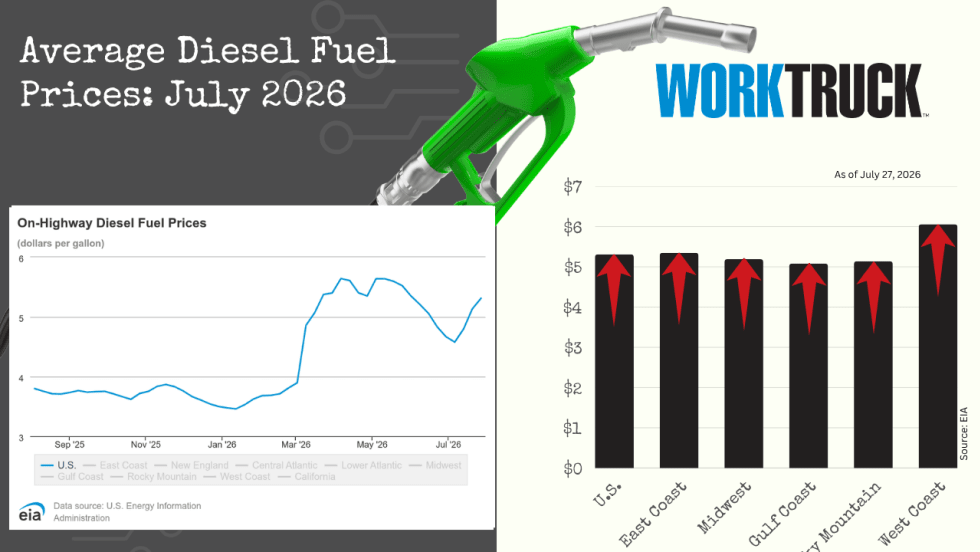
July Diesel Trends Update
The average price of a gallon of diesel increased again this week, and the EIA reported a new national average of $5.31 at the start of the week.
Read More →
WEX Brings Standard Fleet's Connected Vehicle Platform to Fleet Customers
This week’s product launch with Standard Fleet’s connected vehicle platform reflects WEX Venture Capital's strategy of turning startup innovation into customer solutions. Standard Fleet is now available to WEX fleet customers.
Read More →
Teletrac Navman Adds Mixed-Energy Fleet Tools to TN360
The new Energy Hub combines fuel transactions, EV charging data, vehicle range, and energy costs in one dashboard for fleets operating multiple vehicle and energy types.
Read More →
WEX DriverDash adds CITGO, Expands Nationwide Access for Fleets
The DriverDash mobile payment app, by WEX, has been integrated into the CITGO merchant network, which means WEX has expanded its U.S. station footprint with the addition of approximately 4,000 CITGO locations.
Read More →
Mixed Energy Fleet Tips for Balancing EVs, Gas and Diesel Vehicles
Mixed energy fleets are becoming the new normal. Learn how fleet managers are balancing EVs, gas and diesel vehicles while controlling costs and planning for the future.
Read More →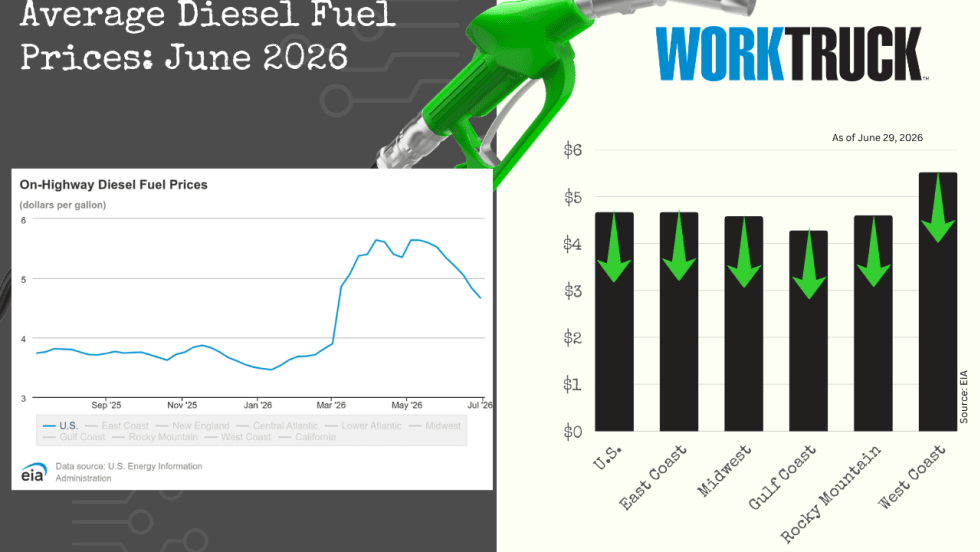
June Diesel Trends Update
The national average price of a gallon of diesel has dropped again, this week by more than 16 cents. All five regions reported lower average prices, ranging from almost 13 cents to more than 28 cents cheaper than a week ago.
Read More →
RoadFlex Launches RoadFlex Direct Open API Platform
RoadFlex Direct connects fuel cards, controls, and data to the telematics and fleet management systems fleets already run, from Geotab and Samsara to Fleetio and RTA, with no separate dashboard or double data entry.
Read More →