




2026 Fuel Outlook: Diesel
Will the price of on-highway diesel fuel increase or decrease in 2026? While there are no surefire methods to forecast the price of a gallon of diesel, many factors can affect it.

What can fleets expect in 2026 when it comes to the price of a gallon of on-highway diesel fuel?
Credit: Osbmxhouse/Work Truck
Following a steady yet gradual price decline in late 2025, the average price of diesel fuel in the United States in January finally dipped below where it was a year earlier. However, over the course of history, diesel fuel prices have steadily increased. So, what is in store for 2026?
Brian Fournier, Americas senior vice-president and general manager, Mobility at WEX, expects fuel costs to be more manageable than what fleets have faced in recent years.
“As we head into 2026, both diesel and gasoline prices are shaping up to stay relatively soft as the aftershocks from COVID and geopolitical disruptions continue to fade. A cooler macroeconomic backdrop is keeping oil demand in check, and the current U.S. administration shows more support for domestic oil production, evidenced by recent reductions to prior Corporate Average Fuel Economy (CAFE) standards,” Fournier said. “That’s translating into more stable, predictable prices at the pump.”
He added that while we should always keep an eye on global wildcards like OPEC+, when the market is cooperating, smart operators lock in budgets, tighten operations, and build certainty into their fuel strategy.
Trucking’s Impact on Diesel Prices
Motor carriers’ Class 8 trucks consume far more diesel annually than other fleets, given the sheer miles driven, and the North American Council for Freight Efficiency provides unbiased research on efficiency for those fleets and others, whether that is improvements in diesel efficiency or fleets transitioning to alternative fuels.
“Fuel is all about supply and demand,” said Rick Mihelic, NACFE director of emerging technologies. “The projection for 2026 is that the freight market is going to gradually start recovering, so there'll be more demand from trucks moving freight.”
But all that diesel fuel has to come from somewhere, and there must be an increased diesel supply to match the increased demand driven by a recovering freight market. But in that, there are challenges.
And, predicting fuel prices can be tough.
“It's a hard market to predict, and anybody who says they can do it is wrong,” Mihelic said. “I think overall, diesel prices are going to go up; you may have some slight relief in some parts of the year, but for the most part, I think diesel prices are going to go up because demand is forecasted to go up.”
Refining & Supply Considerations
As demand for diesel is expected to increase, there may be a continued decline in production, Mihelic pointed out, noting that some refineries are shutting down, continuing a trend that has persisted for several years.
“The capacity for refining has been slowly decreasing,” he added.
If you look at where pricing traditionally goes, refiners choose between making fuel for airplanes, cars, or trucks. When there’s a focus on refining gasoline for cars, gas prices go down. But as Mihelic pointed out, gasoline-focused production means less diesel is produced for trucks, so diesel prices may rise as the freight market increases demand for diesel.
“I've seen where gas prices went down, and everybody who drives cars was really happy, but at the same time, there was a shortage in diesel, and diesel prices went up,” Mihelic explained.
In 2026, Mihelic thinks refineries will focus on producing gasoline, driving lower pump prices for consumers.
“There’s a lot of pressure to keep gasoline prices down, and there are a lot of mechanisms to help keep gasoline prices down. I think the political environment wants gasoline prices to be down. And if you look at the EIA Data, gasoline prices have been going down over the last year,” Mihelic added.
He said, overall, he anticipates diesel prices will increase this year as demand rises, but added that there may be some periods of slight relief along the way.
International Factors that Impact Price
International considerations also introduce many variables when forecasting fuel pricing, whether up or down.
Canada, until recently, provided 60% of the oil to the United States, with about 70% coming from Canada and Mexico combined. Tariffs and political situations could impact some of that supply, Mihelic noted.
Conflicts in Europe, like the war in Ukraine, and events in Southeast Asia can dramatically impact supply and demand in the United States. Even though only about 4% of U.S. oil comes from the Persian Gulf region, a conflict there can dramatically affect pricing here.
“We know from the past few years that geopolitical developments are a key source of uncertainty. Looking ahead, the possibility of a Russia–Ukraine peace agreement carries the potential for market fluctuation, and actions by OPEC+ will continue to influence price volatility,” Fournier said. “For example, OPEC+ has recently introduced a new framework to measure maximum sustainable capacity, which may encourage long-term investment while also potentially curbing current levels of overproduction.”
Diesel Efficiency Gains
Earlier in his career, before joining NACFE, Mihelic designed trucks for a major OEM and was heavily focused on aerodynamics and fuel-economy improvements.
“For decades, fuel economy wasn't a big issue. In the 80s and 90s, fuel prices were low, and designs just really weren't focused on light-weighting, aerodynamics, or better tires. And then regulations started coming in for lowering emissions,” Mihelic explained. “And part of lowering emissions is using less fuel, which is fuel economy. So, there's kind of a double good thing there.”
Since 2000, truck OEMs have invested in aerodynamics, lightweighting, lower-resistance tires, and engines with improved fuel economy. Although all those pieces have helped lower emissions, they have also led to a significant increase in fuel economy for highway trucks.
“If you take a look at a 2025 truck, they're getting 10 to 11 miles per gallon in on-highway fuel economy, carrying heavy loads. Those trucks were lucky to get six-and-a-half miles per gallon in 2008,” Mihelic said. “So, it's been a huge increase in efficiency.”
He suggested that what's dragging the trucking industry back as a whole when it comes to improved fuel efficiency is that not everyone buys a new truck, and older trucks are less fuel-efficient.
“One of the things we recommend at NACFE is that fleets looking at reducing their operating costs, the first thing to start looking at is just buy a new truck, because you're going to get an instantaneous increase in fuel efficiency over a 10-year-old truck,” he added.
Light- and Medium-Duty Diesel Efficiency
While the on-highway trucks that haul freight have seen tremendous improvement in fuel efficiency, Class 2B-6 vehicles have not seen the same improvements, Mihelic said.
“You’re talking 10 to 20,000 miles per year duty cycles for those (on-highway) vehicles. So, a lot of those fuel efficiency things that work well for on-highway vehicles, high mileage vehicles, they don't really have as significant an impact on those lower-mileage-per-year vehicles,” he explained. “If you look at a 2010 box truck versus a 2025 box truck, you don't really see a lot of physical differences; the aerodynamics haven't changed much.”
However, he did note that those trucks and vans may have benefited some through lower-resistance tires, and engines have definitely improved because of emission regulations.
Budgeting & Managing Fuel Expense
When fleets cannot control diesel prices, the best approach is to be as wise as possible in managing the expense.
Fournier suggested that when fuel prices finally give fleets a little breathing room, the smartest move is to tighten the playbook, not loosen it. That starts with fundamentals: reducing fuel use through better routing, maintenance, and driving habits.
With today’s technology, fleets can easily tap into fuel data to drive efficiency.
“WEX knows from 40 years in business that fuel cards centralize every transaction, turning day-to-day purchases into actionable insight,” Fournier explained. “Instead of guessing, managers can see gallons purchased, price trends, seasonal patterns, and fuel economy at the vehicle level, all of which make forecasting far more accurate.”
He said built-in controls also help keep budgets intact. Transaction limits, product and geographic restrictions, and real-time alerts help reduce waste and flag issues like off-route fueling or incorrect fuel grades before they snowball. Add in access to market pricing and tax data, he added, and fleets can model different scenarios, anticipate regional cost changes, and benchmark performance across vehicles, routes, or drivers.
“The payoff is better discipline and predictability. Ongoing reporting lets fleets compare actual spend to budget throughout the year and make adjustments in real time,” said Fournier. “It’s not about chasing the lowest price on any given day, it’s about using better tools and better data to run a more efficient, resilient fuel strategy.”
Travis Lachinski, vice president and senior product manager at U.S. Bank Voyager, also noted that data can help manage and budget diesel costs for a fleet.
He said it is important to consolidate as much fleet spend as possible onto the card or into a unified reporting system. Then, it is equally important to ensure that your card provider gives you detailed transaction data that includes product-level details, gallons, and other data that you get from a true fleet card.
“This enables analysis of spending fluctuations year-to-year, or month-to-month, helping to identify trends and inform future budgeting. Historical data and expected trends (such as adding vehicles or business changes) should be used to project the next year's budget,” Lachinski said. “The average price of fuel is a common variable that can impact the best planned budget.”
More Fuel

The Smart Way to Build a Mixed-Energy Fleet Isn’t About Picking a Side
Mixed-energy fleets aren’t about picking a winning fuel. Sarah Booth of WEX explains how vehicle data, duty cycles, charging strategy, and real-world costs can help fleets choose the right energy source for each job.
Read More →
Ignoring This Dashboard Warning Could Cost Your Fleet Thousands in Fuel
New research suggests neglected diesel aftertreatment systems could waste up to $30 in fuel per vehicle each day. Here's why vocational fleets should pay attention.
Read More →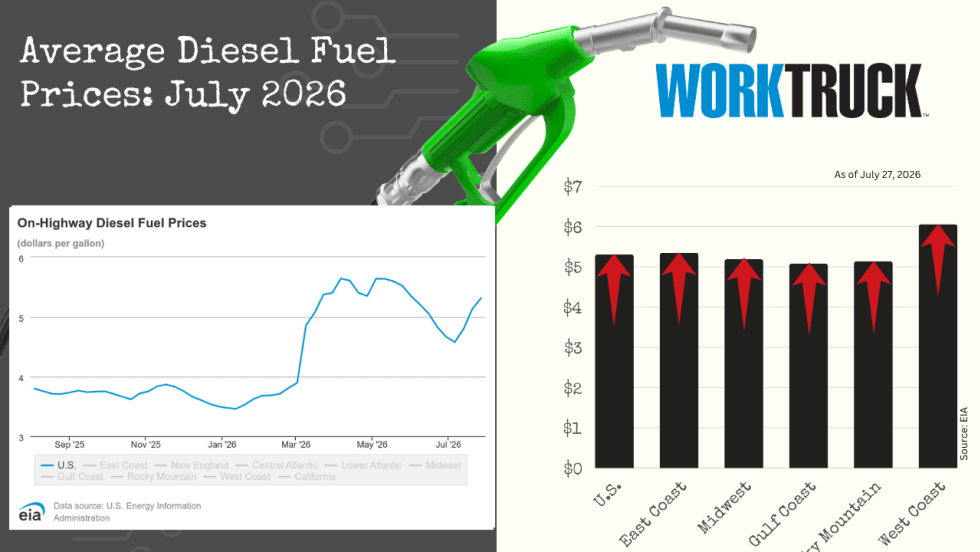
July Diesel Trends Update
The average price of a gallon of diesel increased again this week, and the EIA reported a new national average of $5.31 at the start of the week.
Read More →
WEX Brings Standard Fleet's Connected Vehicle Platform to Fleet Customers
This week’s product launch with Standard Fleet’s connected vehicle platform reflects WEX Venture Capital's strategy of turning startup innovation into customer solutions. Standard Fleet is now available to WEX fleet customers.
Read More →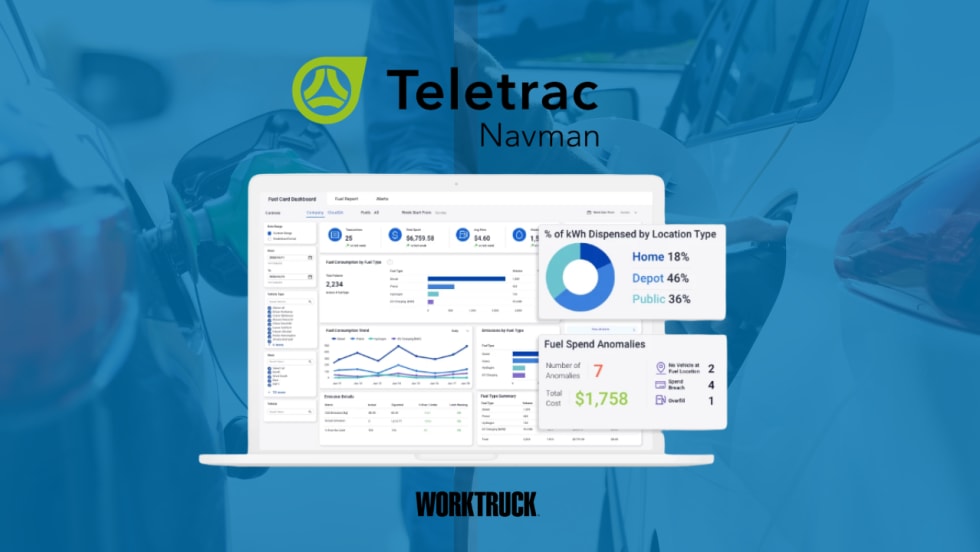
Teletrac Navman Adds Mixed-Energy Fleet Tools to TN360
The new Energy Hub combines fuel transactions, EV charging data, vehicle range, and energy costs in one dashboard for fleets operating multiple vehicle and energy types.
Read More →
WEX DriverDash adds CITGO, Expands Nationwide Access for Fleets
The DriverDash mobile payment app, by WEX, has been integrated into the CITGO merchant network, which means WEX has expanded its U.S. station footprint with the addition of approximately 4,000 CITGO locations.
Read More →
Mixed Energy Fleet Tips for Balancing EVs, Gas and Diesel Vehicles
Mixed energy fleets are becoming the new normal. Learn how fleet managers are balancing EVs, gas and diesel vehicles while controlling costs and planning for the future.
Read More →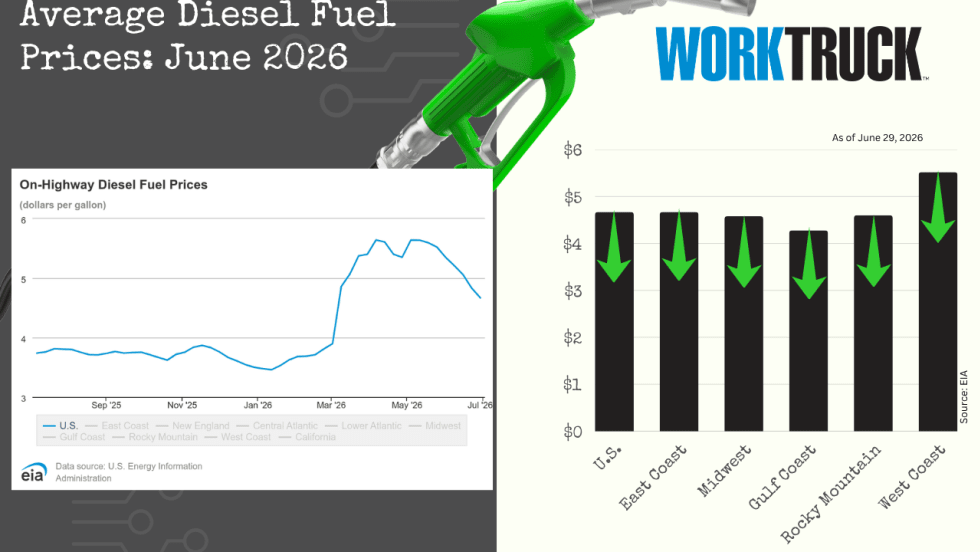
June Diesel Trends Update
The national average price of a gallon of diesel has dropped again, this week by more than 16 cents. All five regions reported lower average prices, ranging from almost 13 cents to more than 28 cents cheaper than a week ago.
Read More →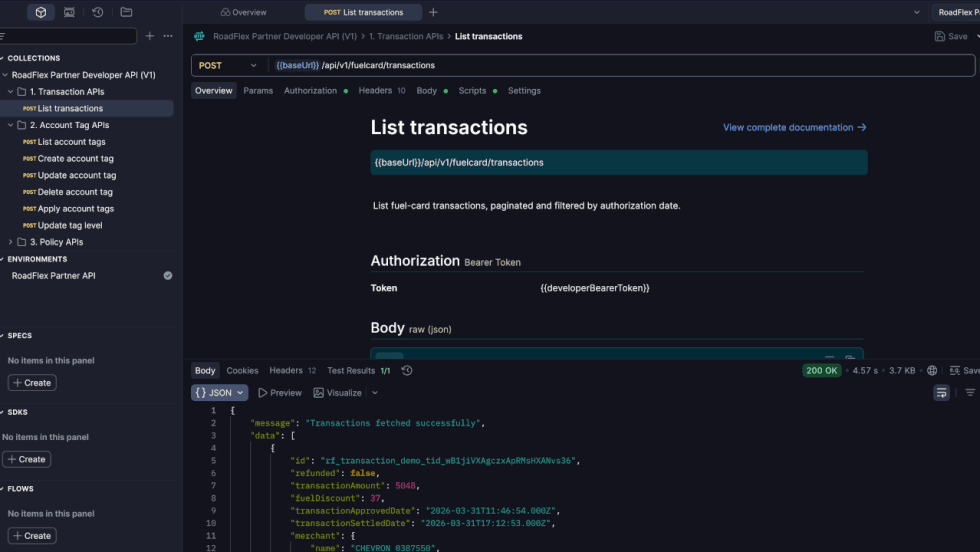
RoadFlex Launches RoadFlex Direct Open API Platform
RoadFlex Direct connects fuel cards, controls, and data to the telematics and fleet management systems fleets already run, from Geotab and Samsara to Fleetio and RTA, with no separate dashboard or double data entry.
Read More →
The Key to Fuel Efficiency Sits in the Cab
Learn how driver behavior, telematics, coaching, and fuel data can help fleets improve fuel efficiency, lower costs, and reduce emissions.
Read More →