




Report: Diesel Engines Are Here for Decades to Come
Washington, D.C. – Clean diesel engines will continue to be the dominant power source for heavy-duty vehicles in the U.S. for “decades to come because of their power and efficiency”, according to a newly released study prepared for the U.S. Department of Energy.
Washington, D.C. – Clean diesel engines will continue to be the dominant power source for heavy-duty vehicles in the United States for “decades to come because of their power and efficiency”, according to a newly released study prepared for the U.S. Department of Energy.
The report – “Advancing Technology for America’s Transportation Future” – was authored by the National Petroleum Council (NPC) at the request of the Energy Secretary Stephen Chu. The two-year study examines fuels, technologies, industry practices, and government policies through 2030 for auto, truck, air, rail, and waterborne transport and potential industry and government actions that could reduce greenhouse gas (GHG) emissions from American transportation by 50 percent by 2050.
“The National Petroleum Council findings confirm what transportation officials and industry leaders have already determined – that the continued advancements in clean diesel technology will continue to make diesel the dominant power source for heavy-duty trucks throughout the United States for decades to come,” said Allen Schaeffer, the executive director of the Diesel Technology Forum (DTF).
The NPC report states: “Diesel engines will remain the powertrain of choice for HD vehicles for decades to come because of their power and efficiency. There are, however, opportunities to improve the technology. Significant fuel economy improvements in diesel powered trucks are possible. Indeed, the fuel economy (mpg) for new Class 7&8 HD vehicles, which consume more than 70 percent of the fuel in the trucking fleet, could be doubled.”
The report recommended that government policies should be technology neutral. “The NPC report also recommended against having the government attempt to pick winners and loser in transportation,” Schaeffer said.
The report stated: “There is a great deal of uncertainty regarding which individual fuel-vehicle systems will overcome technology hurdles to become economically and environmentally attractive by 2050. Therefore, government policies should be technology neutral while market dynamics drive commercialization.”
“The NPC recommendation urging technology neutrality is one the Administration should heed, particularly given past experience favoring certain energy sources and technologies,” Schaeffer said.
More Fuel

The Smart Way to Build a Mixed-Energy Fleet Isn’t About Picking a Side
Mixed-energy fleets aren’t about picking a winning fuel. Sarah Booth of WEX explains how vehicle data, duty cycles, charging strategy, and real-world costs can help fleets choose the right energy source for each job.
Read More →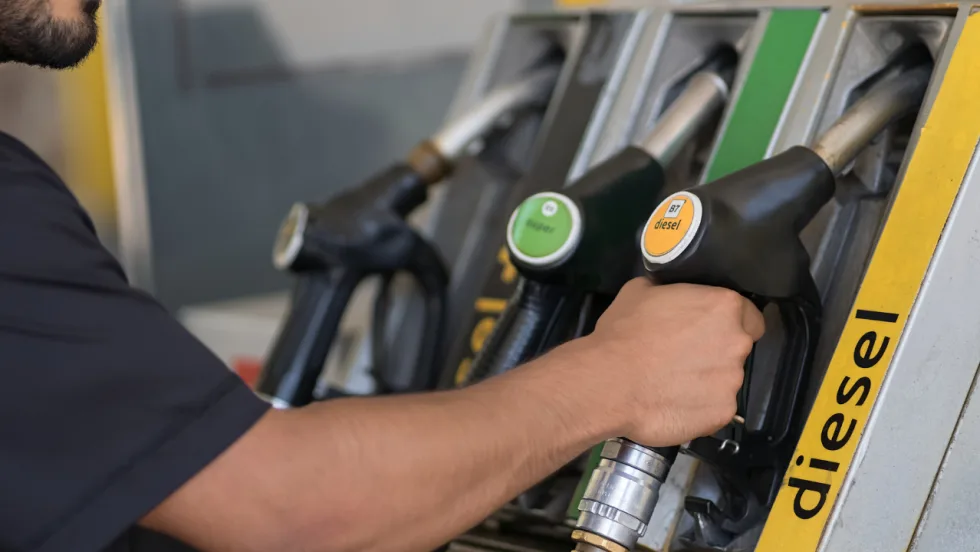
Ignoring This Dashboard Warning Could Cost Your Fleet Thousands in Fuel
New research suggests neglected diesel aftertreatment systems could waste up to $30 in fuel per vehicle each day. Here's why vocational fleets should pay attention.
Read More →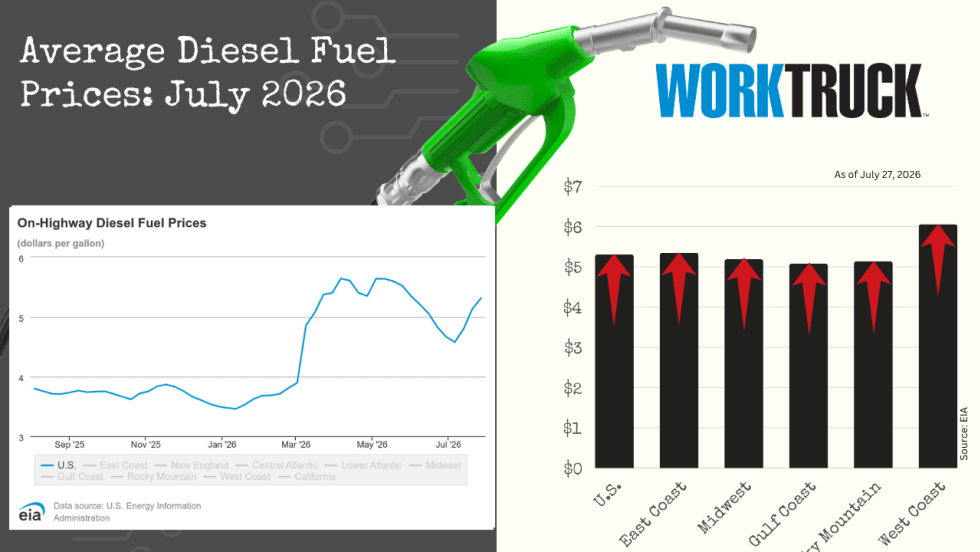
July Diesel Trends Update
The average price of a gallon of diesel increased again this week, and the EIA reported a new national average of $5.31 at the start of the week.
Read More →
WEX Brings Standard Fleet's Connected Vehicle Platform to Fleet Customers
This week’s product launch with Standard Fleet’s connected vehicle platform reflects WEX Venture Capital's strategy of turning startup innovation into customer solutions. Standard Fleet is now available to WEX fleet customers.
Read More →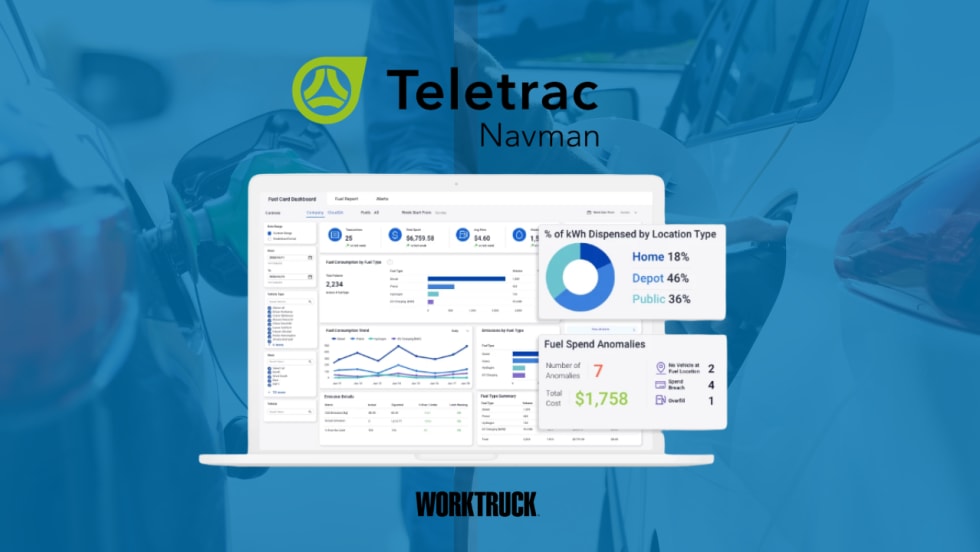
Teletrac Navman Adds Mixed-Energy Fleet Tools to TN360
The new Energy Hub combines fuel transactions, EV charging data, vehicle range, and energy costs in one dashboard for fleets operating multiple vehicle and energy types.
Read More →
WEX DriverDash adds CITGO, Expands Nationwide Access for Fleets
The DriverDash mobile payment app, by WEX, has been integrated into the CITGO merchant network, which means WEX has expanded its U.S. station footprint with the addition of approximately 4,000 CITGO locations.
Read More →
Mixed Energy Fleet Tips for Balancing EVs, Gas and Diesel Vehicles
Mixed energy fleets are becoming the new normal. Learn how fleet managers are balancing EVs, gas and diesel vehicles while controlling costs and planning for the future.
Read More →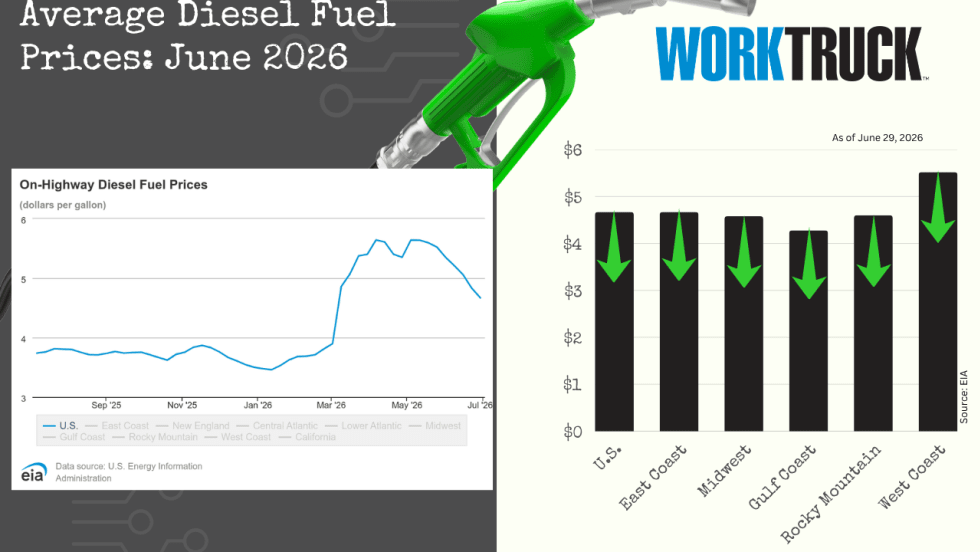
June Diesel Trends Update
The national average price of a gallon of diesel has dropped again, this week by more than 16 cents. All five regions reported lower average prices, ranging from almost 13 cents to more than 28 cents cheaper than a week ago.
Read More →
RoadFlex Launches RoadFlex Direct Open API Platform
RoadFlex Direct connects fuel cards, controls, and data to the telematics and fleet management systems fleets already run, from Geotab and Samsara to Fleetio and RTA, with no separate dashboard or double data entry.
Read More →
The Key to Fuel Efficiency Sits in the Cab
Learn how driver behavior, telematics, coaching, and fuel data can help fleets improve fuel efficiency, lower costs, and reduce emissions.
Read More →