




Ford Details Sustainable Materials Used in 2014 F-150
Ford is using a number of sustainable materials in its 2014-MY F-150 pickup truck, from rice hulls used to reinforce the plastic in an electrical harness in the vehicle to soybeans and recycled cotton.
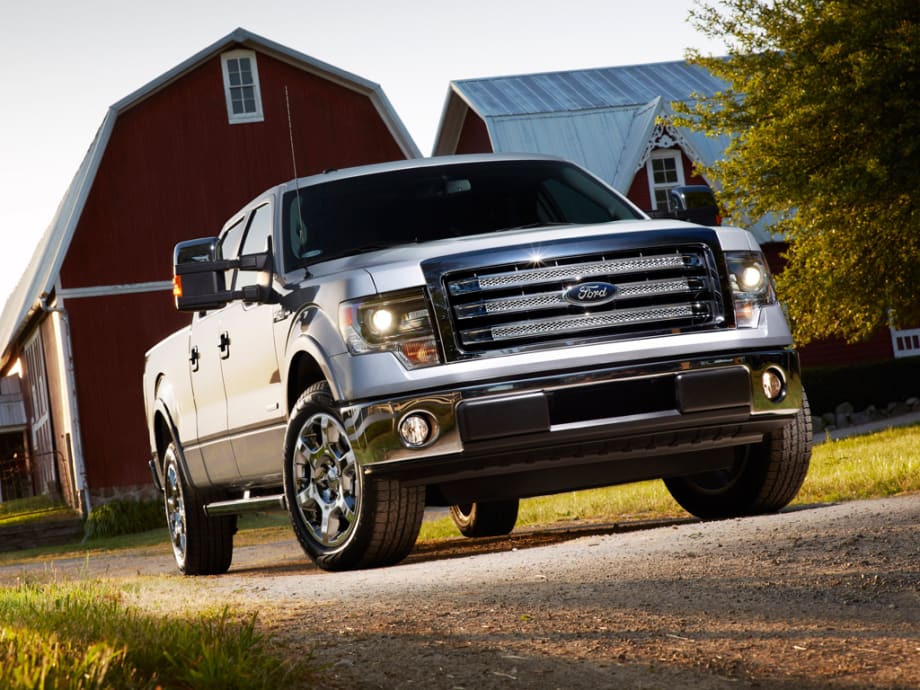
The 2014 Ford F-150. Photo courtesy Ford Motor Co.
Ford is using a number of sustainable materials in its 2014-MY F-150 pickup truck, from rice hulls used to reinforce the plastic in an electrical harness in the vehicle to soybeans and recycled cotton.
The company said the rice hills are sourced from farms in Arkansas and will replace a talc-based reinforcement used in the electrical harness in the 2014 F-150.
“We developed this resin specifically for Ford over the last three years, working with the automaker closely, including in all phases of material qualification,” said David Preston, director of business development for RheTech. “The whole process has been a rewarding success for both Ford and RheTech, which can add yet another natural-fiber based product to our RheVision line.”
Ford is using the recycled cotton as carpet insulation and as a sound damping material, and the automaker noted that every 2014 F-150 has enough recycled cotton in it to make 10 pairs of jeans. Next, the company uses soybeans to make seat cushions, seat backs, and head restraints in the F-150. Recycled carpet appears in some cylinder head covers, as it’s used to make EcoLon, a nylon resin. Recycled tires show up in shields and underbody covers on the F-150. Recycled plastic soda and water bottles are turned into a lightweight fiber that’s used to make F-150 wheel liners and shields. Lastly, Ford uses recycled post-industrial plastics in interior finish panels, for example around the radio and climate controls.
Ford said its researchers in Dearborn are continually looking for sustainable materials that can be used in the automaker’s vehicles. To make the cut at Ford, though, components made from sustainable materials must perform as well or better than other materials the company would normally use in production. The company said the rice hull material, noted above, passed all of its product tests.
Ford added that the available 3.5L EcoBoost engine delivers fuel-economy gains of up to 20 percent and reduces CO2 emissions by up to 15 percent. Ford also reiterated, as part of its focus on sustainability, that the 2014 F-150 equipped with the 3.7L engine will be available with a gaseous prep package.
More Operations

How to Build a Lasting Fleet Career by Staying Curious and Connected
Tina Kourakos never planned on a career in fleet. More than 30 years later, she says curiosity, strong relationships, and a willingness to keep learning helped turn an unexpected assignment into a career spanning fleet management and OEM leadership.
Read More →
Think You Know Trucks? Take Our 19-Question Fleet Trivia Challenge
From chicken lights to diesel engines and trucking history, test your knowledge with 19 questions from the 2026 Work Truck Exchange and Heavy Duty Trucking Exchange.
Read More →
Where’s My Truck: Inside the Fleet Logistics Work Nobody Sees
Shades of Fleet video thumbnail featuring Lauren Fletcher beside the text “The People Behind the Process, Keeping Fleets Moving,” with fleet vehicles and logistics imagery in the background.
Read More →From Our Partners
Basic Tracking vs Next Generation Fleet Technology
Sponsored by AT&T Business

5 Facts Every Fleet Manager Should Know About Embedded Telematics
Sponsored by Stellantis/Mobilisights
How AI Video Telematics Boosts Driver Safety and Helps to Avoid Unnecessary Costs
Sponsored by Verizon Connect

Charting the 8 Bottom-Line Benefits of Workforce Optimization
Sponsored by Verizon Connect


Work Truck Seeks Fleet and Industry Insights on 2026 Trends and 2027 Forecasts
Work Truck is seeking insights from fleet leaders and industry partners on the trends that shaped 2026 and what commercial fleets should prepare for in 2027. Participate today!
Read More →
It's 10 p.m... Do You Know Who Has Access to Your Fleet?
Preventing cargo theft requires investment in technology, operational processes, and employee training. In an industry with tight margins, it can be difficult to justify investments whose value is measured by incidents that might never occur.
Read More →
GeoFencing Adds to Your Truck Security Arsenal
Geofencing is a familiar fleet tool today, but its early adoption marked a major shift in vehicle tracking, route monitoring, and the debate over employee privacy.
Read More →
Truckers’ Strike Rumors, New GM Engines, and Hidden Idling Costs Lead This Week’s News
Truckers’ strike rumors, GM’s new 2027 engines, hidden idling costs, racing lessons, IRP rules, and more headline this week’s Truck Chat Weekly Cheat Sheet.
Read More →
Shades of Fleet Wants to Hear From You About Building a Culture of Care
Fleet leaders, we want to hear from you. Share how empathy, trust, and creating space for people can strengthen your team, improve performance, and support retention.
Read More →
What Racing Can Teach Work Truck Fleets About the Work Nobody Sees
Race car driver and mechanical engineer Isaac Johnson shares practical lessons on preparation, relationships, setbacks, and building teams that perform when it counts.
Read More →
New Fleet Guides, Hidden Truck Wear, and Driver Fit Lead This Month
Our latest Truck Chat recap covers new Fleet Guides, hidden idling costs, driver fit, lighter-truck registration rules, and year-round technician appreciation.
Read More →