





Strongest-Ever Pollution Standards for Light- and Medium-Duty Trucks Finalized
Engine Technology Forum Wants the EPA to Revise Renewable Fuel Standards
In a letter from its executive director, the Engine Technology Forum called on the EPA to revise its renewable fuel volume determinations.
May 31, 2024

The Engine Technology Forum is urging the EMA to revise the Set Rule.
Photo: Canva/Engine Technology Forum/WT Illustration
2 min to read
The Engine Technology Forum, through a statement from Executive Director Allen Schaeffer, is calling on the Environmental Protection Agency to revise its renewable fuel volume determinations, known as the Set Rule.
In October 2024, the Diesel Technology Forum became the Engine Technology Forum. The Diesel Technology Forum launched in 2000.
In the statement to the EPA, Schaeffer said, “American employees are losing jobs in the biofuel industry because the EPA’s renewable fuels policy isn’t supporting growth. Last summer’s announcement of disappointing future volumes for biomass-based diesel in the Renewable Fuel Standard were well below expectations and production levels. As I said at the time, the volume set is out of touch with current conditions.”
“The fallout from this policy is now becoming clearer. Fuel producers have closed down production lines causing the elimination of jobs, impacting hard-working people throughout the country,” he added.
“In a May 24, 2024 letter to EPA Administrator Michael Regan, the Forum renewed its appeal from June 2023 and those recent calls by feedstock providers and advanced biofuel producers, to propose and finalize robust, growth-oriented 2026 Renewable Fuel Standard volumes by November,” explained Schaeffer in the statement. “The need is great, not only because of the negative economic impact but also because of the environmental one, too.”
In addition, Schaeffer said, the Forum has launched a national education campaign to raise awareness about the importance of growth-oriented renewable fuel volumes.
“The use of those fuels immediately reduces greenhouse gas emissions, and every diesel engine, vehicle, and machine can use them. Every day that goes by when consumers and fleets aren’t given the choice to use those low-carbon fuels in their vehicles because of lack of supply is a missed opportunity, stalling progress on meeting climate goals,” added Schaeffer.
More Fuel

The Smart Way to Build a Mixed-Energy Fleet Isn’t About Picking a Side
Mixed-energy fleets aren’t about picking a winning fuel. Sarah Booth of WEX explains how vehicle data, duty cycles, charging strategy, and real-world costs can help fleets choose the right energy source for each job.
Read More →
Ignoring This Dashboard Warning Could Cost Your Fleet Thousands in Fuel
New research suggests neglected diesel aftertreatment systems could waste up to $30 in fuel per vehicle each day. Here's why vocational fleets should pay attention.
Read More →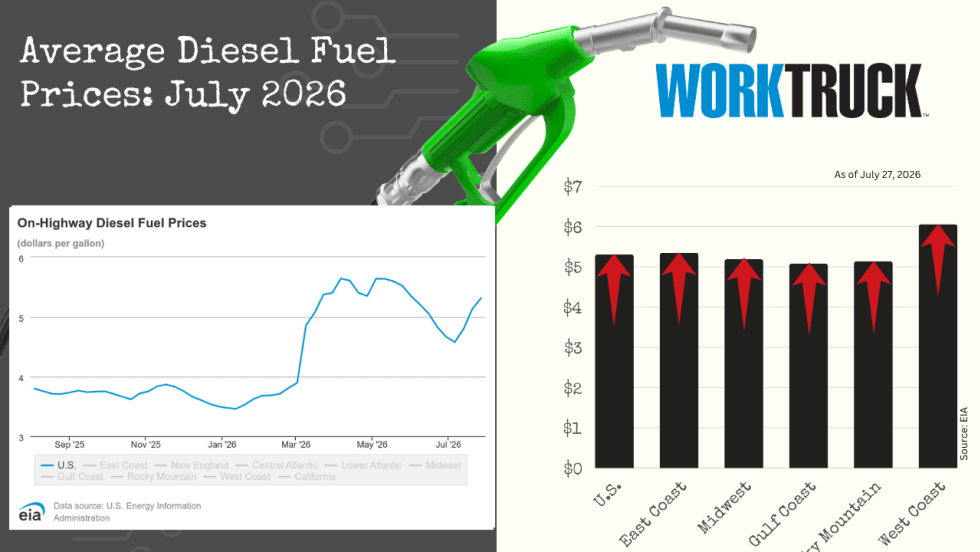
July Diesel Trends Update
The average price of a gallon of diesel increased again this week, and the EIA reported a new national average of $5.31 at the start of the week.
Read More →
WEX Brings Standard Fleet's Connected Vehicle Platform to Fleet Customers
This week’s product launch with Standard Fleet’s connected vehicle platform reflects WEX Venture Capital's strategy of turning startup innovation into customer solutions. Standard Fleet is now available to WEX fleet customers.
Read More →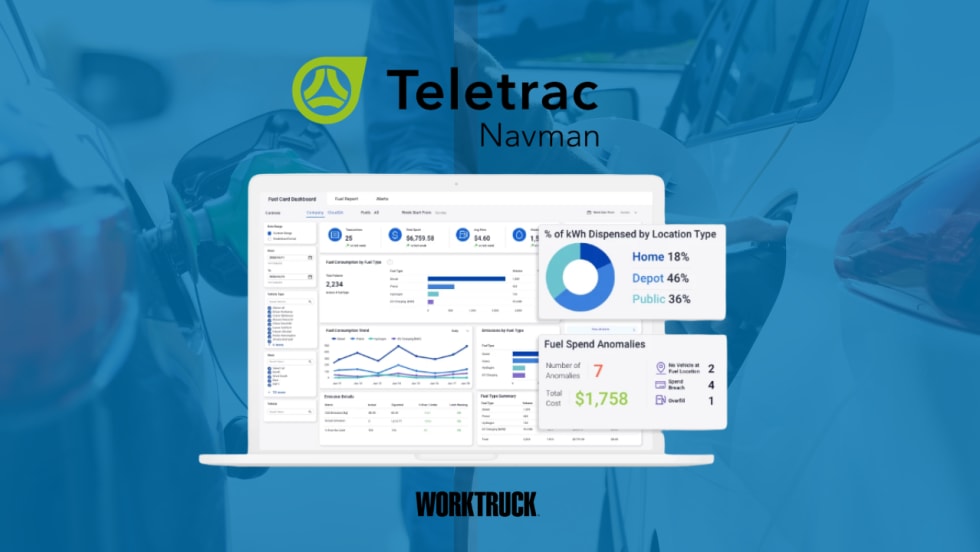
Teletrac Navman Adds Mixed-Energy Fleet Tools to TN360
The new Energy Hub combines fuel transactions, EV charging data, vehicle range, and energy costs in one dashboard for fleets operating multiple vehicle and energy types.
Read More →
WEX DriverDash adds CITGO, Expands Nationwide Access for Fleets
The DriverDash mobile payment app, by WEX, has been integrated into the CITGO merchant network, which means WEX has expanded its U.S. station footprint with the addition of approximately 4,000 CITGO locations.
Read More →
Mixed Energy Fleet Tips for Balancing EVs, Gas and Diesel Vehicles
Mixed energy fleets are becoming the new normal. Learn how fleet managers are balancing EVs, gas and diesel vehicles while controlling costs and planning for the future.
Read More →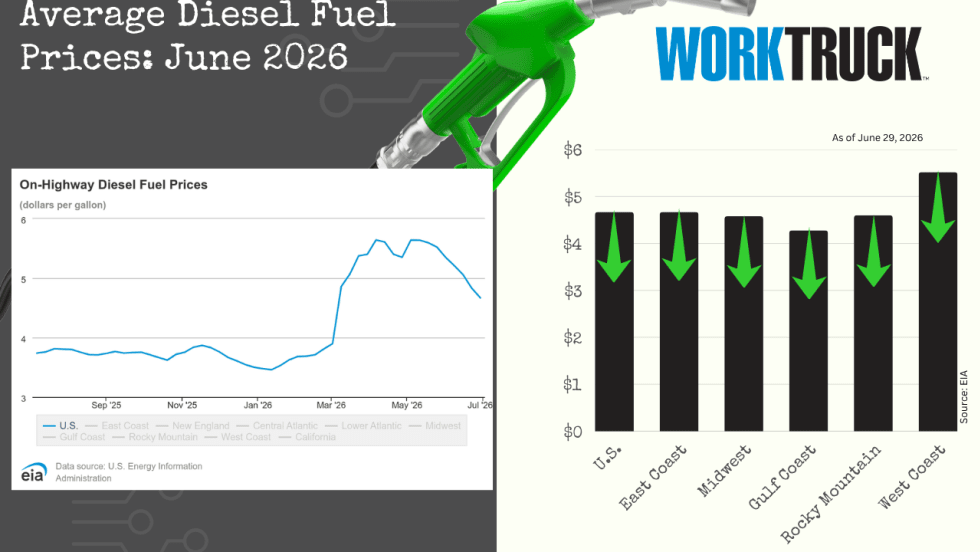
June Diesel Trends Update
The national average price of a gallon of diesel has dropped again, this week by more than 16 cents. All five regions reported lower average prices, ranging from almost 13 cents to more than 28 cents cheaper than a week ago.
Read More →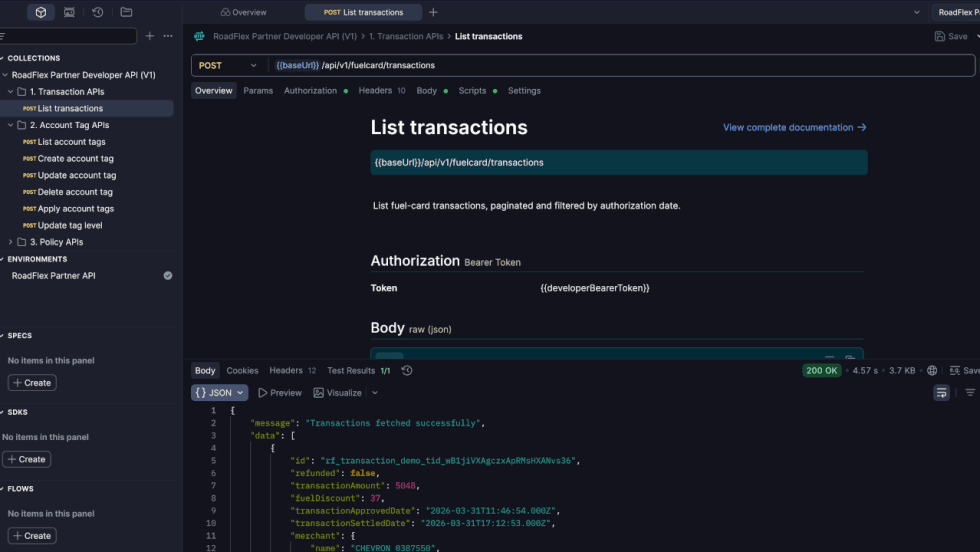
RoadFlex Launches RoadFlex Direct Open API Platform
RoadFlex Direct connects fuel cards, controls, and data to the telematics and fleet management systems fleets already run, from Geotab and Samsara to Fleetio and RTA, with no separate dashboard or double data entry.
Read More →
The Key to Fuel Efficiency Sits in the Cab
Learn how driver behavior, telematics, coaching, and fuel data can help fleets improve fuel efficiency, lower costs, and reduce emissions.
Read More →