





State of Fuel Industry: Gasoline & Diesel
Medium-Duty Trucks Embrace Low-Emission Diesel Technology
Research from Diesel Technology Forum shows that 57% of all commercial diesel trucks on the roads are near-zero emissions models.
July 10, 2023

The population of near-zero emissions diesel technology trucks is 57% of all commercial diesel trucks on the roads today.
Photo: Work Truck
2 min to read
U.S. trucking companies are buying more new, low-emission, diesel technology than ever before.
Research shows the number of new near-zero emission diesel trucks on the road increased 10.2% between 2021 and 2022 according to the Diesel Technology Forum (DTF).
Near-zero emission trucks are advanced diesel technology manufactured in the 2010 and later model years.
The Growing Near-Zero Emissions Vehicles Population
According to DTF’s analysis of S&P Global Mobility TIPNet Vehicles in Operation Data as of December 2022:
Diesel dominates the trucking sector: For the largest commercial trucks (Class 8) in operation that are 2010 or later model years, 95.4% are advanced diesel technology; 2.1% are CNG, 0.3% are electric, and the remainder are gasoline or other fuels.
For the entire (Class 3-8) commercial truck population of over 15 million vehicles, 75.6% are powered by diesel, gasoline (22.9%), compressed natural gas (0.46%), other (ethanol, fuel cell, LNG, propane, 0.85%) and electric (0.09%).
Illinois has the fastest-growing registration of new advanced diesel technology Class 8 commercial trucks, up 4.6% as of December 2022 compared to 2021.The population of near-zero emissions diesel technology trucks is growing. They comprise 57% of all commercial diesel trucks (Class 3-8) on the roads today. These trucks are equipped with particulate filters and selective catalytic reduction systems that achieve near-zero levels of emissions. That’s a 10.2% increase in one year (2022 vs. 2021).
65.7% of all commercial diesel trucks (Class 3-8) on the road are 2007 and newer and are equipped with particulate filters so they achieve near-zero emissions for particulates.
Indiana ranks first of the states for the highest percentage of registrations of 2010 and later model year near-zero emission diesel trucks (73.2%). Next in the rankings is Utah (66.2%), Pennsylvania (66.0%), the District of Columbia (65.4%), Texas (63.6%), Oklahoma (62.6%), Florida (62.3%), Illinois (60.6%), Louisiana (59.2%), and Wisconsin (59.1%). California lags the national average, taking the 35th spot (51.6%).
There are 125 times more new generation advanced diesel trucks on the road in California than electric trucks.
The Future of Diesel
Diesel technology has transformed over the last decade, with advancements leading to near-zero emissions beginning with the 2010 model year.
The next milestone for advanced diesel technology is emerging in California in 2024 and other parts of the country in 2027. It will further reduce NOx emissions by an additional 50-80% over current models.
When it comes to diesel technology, it offers:
Efficient performance.
Low-cost operation.
High market value for used products.
Routing and ready access to servicing, parts and fueling throughout the nation.
More Fuel
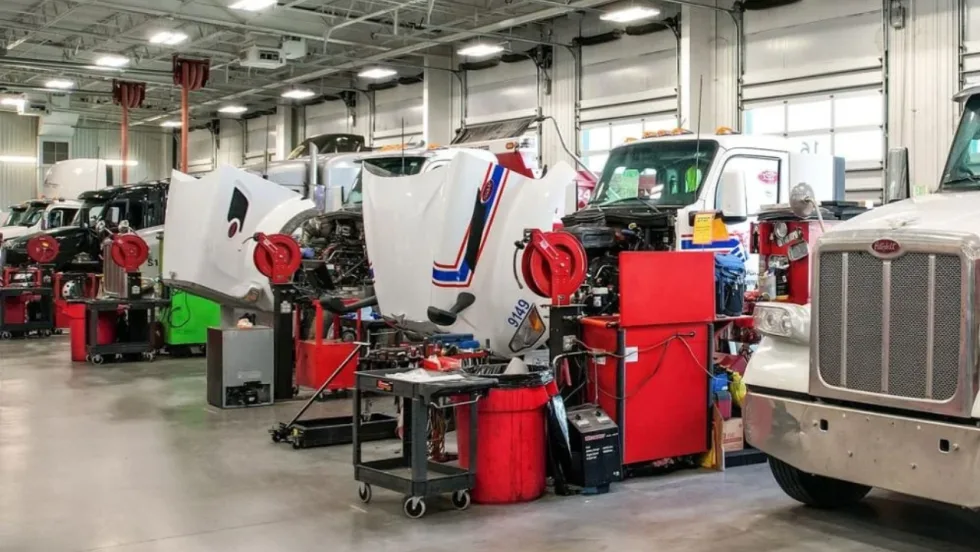
Before Diesel Costs Climb, Find What’s Costing Your Fleet More
Driver habits, maintenance, and truck specs all affect fuel costs. Here’s where to look before cutting expenses that keep your fleet working.

WEX Report Finds Fleet Fuel Spending Climbed as Consumption Held Steady in 2026
New WEX transaction data highlights rising fuel costs, purchasing habits, and potential savings opportunities for commercial fleets navigating 2026.

Everything You Need to Know About Renewable Diesel
Learn how renewable diesel works, how it differs from biodiesel, and what work truck fleets should know about costs, emissions, and performance.
From Our Partners
New Propane Autogas Program Offers Fleet Compensation
Sponsored by Propane Education & Research Council
Basic Tracking vs Next Generation Fleet Technology
Sponsored by AT&T Business

How AI Video Telematics Boosts Driver Safety and Helps to Avoid Unnecessary Costs
Sponsored by Verizon Connect

Do You Need an Integrated Fuel Management System?
Sponsored by AssetWorks

Sponsored•November 3, 2026
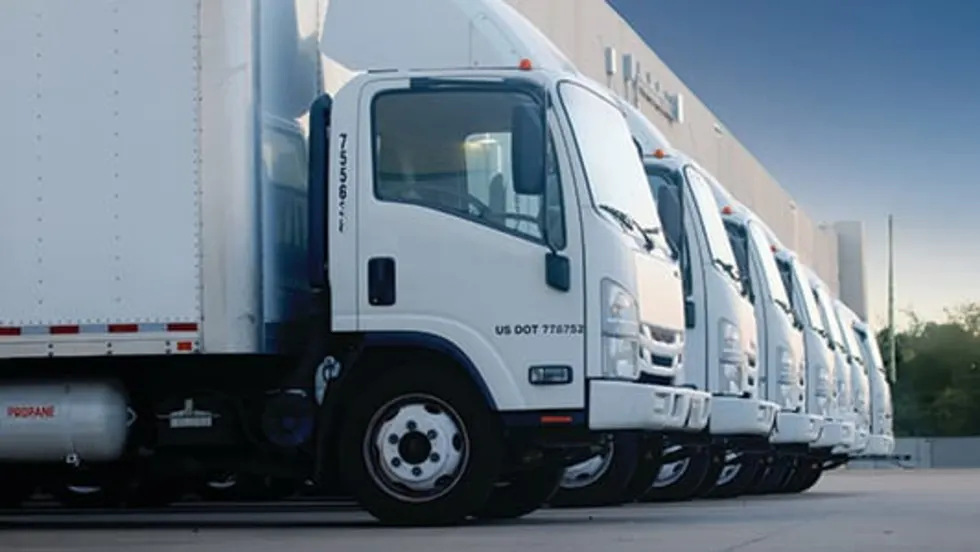
New Propane Autogas Program Offers Fleet Compensation
Qualified commercial fleets can receive $7,500 per eligible propane autogas vehicle and up to $10,000 for new refueling site prep. Learn how the program works and see whether your fleet qualifies.

Precision Under Pressure: Why Modern Diesels Demand a New Fuel Maintenance Playbook
Modern diesel fuel systems leave little room for contamination, deposits, or old maintenance habits. See why today’s HPCR engines demand a more proactive approach to fuel quality, injector health, and DPF protection.
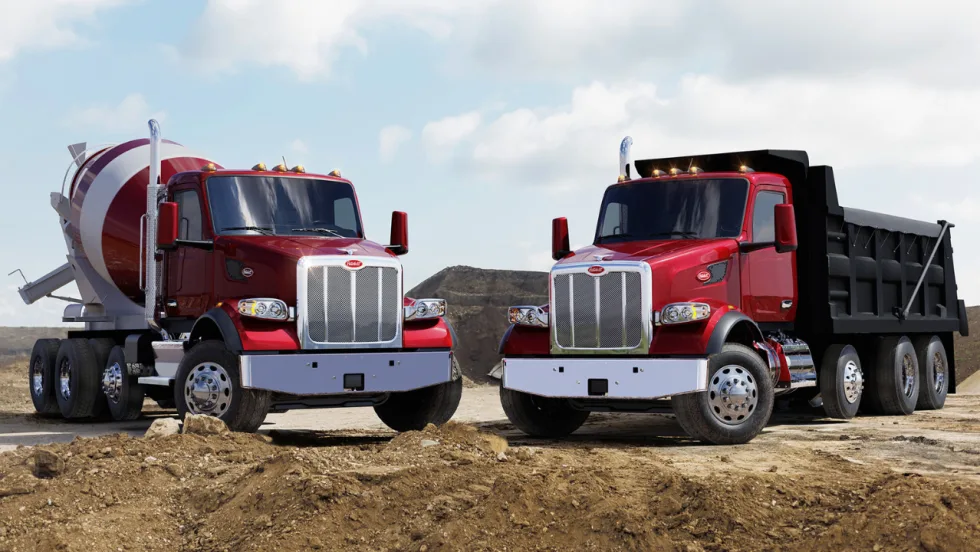
Peterbilt Trucks Equipped with Paccar TX-18 Pro Boost Efficiency for Maryland Fleet
Patuxent Companies is replacing aging trucks with the Peterbilt Model 567 and Model 589, specified with the Paccar TX-18 Pro 18-speed automated transmissions, and is reporting an 8% to 10% improvement in fuel economy.

The Smart Way to Build a Mixed-Energy Fleet Isn’t About Picking a Side
Mixed-energy fleets aren’t about picking a winning fuel. Sarah Booth of WEX explains how vehicle data, duty cycles, charging strategy, and real-world costs can help fleets choose the right energy source for each job.

Ignoring This Dashboard Warning Could Cost Your Fleet Thousands in Fuel
New research suggests neglected diesel aftertreatment systems could waste up to $30 in fuel per vehicle each day. Here's why vocational fleets should pay attention.
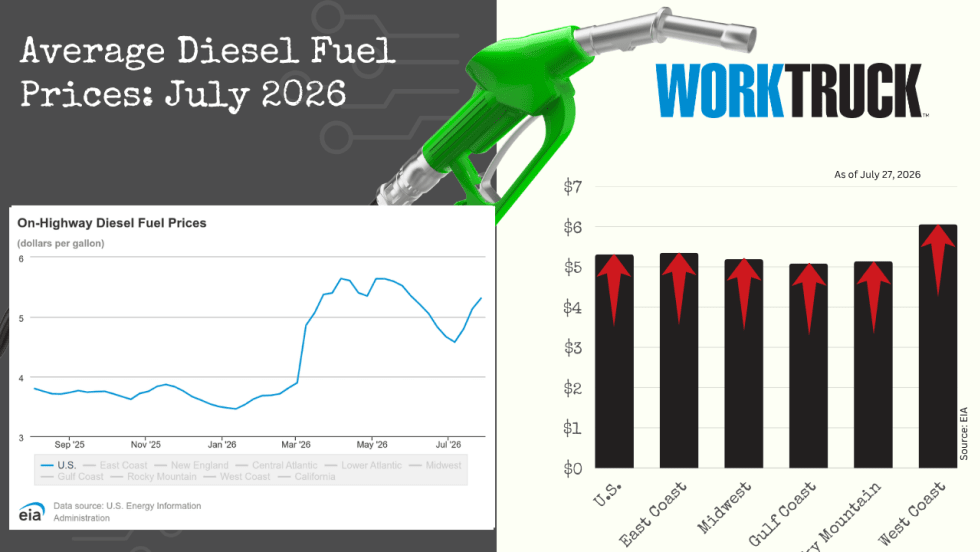
July Diesel Trends Update
The average price of a gallon of diesel increased again this week, and the EIA reported a new national average of $5.31 at the start of the week.

WEX Brings Standard Fleet's Connected Vehicle Platform to Fleet Customers
This week’s product launch with Standard Fleet’s connected vehicle platform reflects WEX Venture Capital's strategy of turning startup innovation into customer solutions. Standard Fleet is now available to WEX fleet customers.