




State of the Fuel Industry: Alternative Fuels
Unlock the Benefits of Renewable Diesel in Work Truck Fleets
Renewable diesel is an alternative to traditional diesel that promises a greener future and enhanced operational advantages for work truck fleets.

Hillary Weiss・Senior Editor
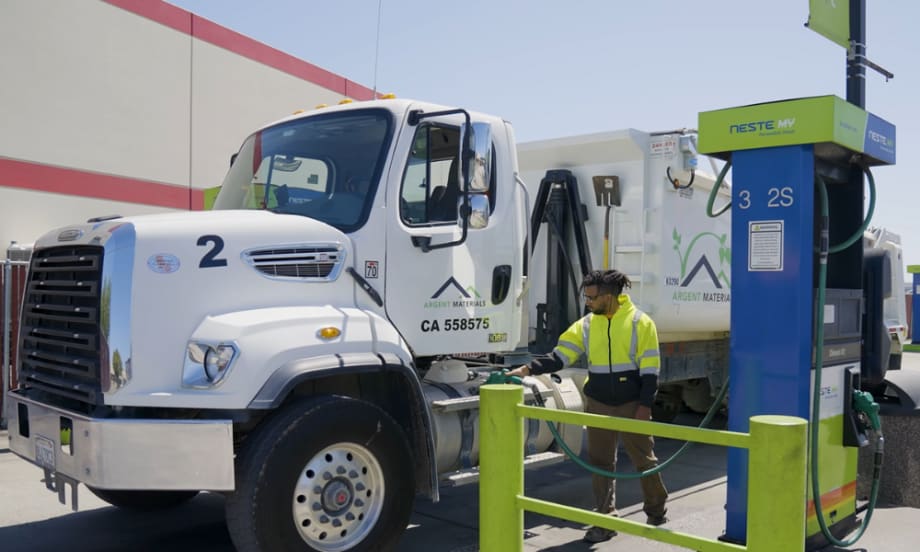
Neste’s renewable diesel has excellent stability, which provides for outstanding storage properties.
Photo: Neste
3 min to read
The fleet industry stands at a crossroads where environmental responsibility and operational efficiency intersect.
As concerns about greenhouse gas emissions and sustainability intensify, fleet managers are seeking innovative solutions to reduce their carbon footprint while optimizing the performance of their work trucks.
Enter renewable diesel, an alternative to traditional diesel that promises a greener future and enhanced operational advantages for work truck fleets.
It has key environmental and performance benefits, and transitioning is simple for fleet managers.
Environmental and Truck Performance Benefits
Renewable diesel offers a range of benefits for fleet managers seeking to positively impact both the environment and their bottom line, according to Carrie Song, North American VP of Renewable Road Transportation at Neste.
Immediate Greenhouse Gas Emissions Reduction: Neste's renewable diesel takes a holistic approach to environmental impact, delivering up to a 75% reduction in greenhouse gas emissions over the entire fuel lifecycle compared to fossil diesel. Every step, from sourcing raw materials to the final combustion, is scrutinized for its environmental footprint.
Reduced Non-CO2 Emissions: Beyond CO2 reductions, renewable diesel contributes to decreased non-CO2 emissions, including nitrogen oxides and particulate matter. These reductions vary based on the year and model of the vehicles in the fleet.
Lower Maintenance Costs: The cleaner-burning nature of renewable diesel translates to reduced engine maintenance needs, leading to cost savings and longer maintenance cycles for fleet managers.
Cold Weather Performance: With excellent cold weather performance and a high cetane number, renewable diesel minimizes particle filter regeneration requirements and exhaust emissions, ensuring optimal truck performance in various conditions.
Stability and Storage: Neste's renewable diesel also has beneficial storage properties. Its resistance to water absorption minimizes the risk of product quality deterioration and microbial growth.
Seamless Transition: A Drop-in Replacement
Song stated that one of the most significant advantages of renewable diesel is its "drop-in" nature, making it a seamless transition for work truck fleets. Fleet managers can reap the benefits without significant disruptions:
Chemical Equivalence: Renewable diesel shares the same chemical composition as fossil diesel, eliminating the need for blending or modifications. It can be used neat or blended at any ratio with traditional diesel.
Engine and Infrastructure Compatibility: Since the fuels are chemically identical, renewable diesel works harmoniously with existing engines and fueling infrastructure, requiring no additional investments or adaptations.
Total Cost of Ownership and Financial Considerations
While Neste's renewable diesel is popular in regions like California and Oregon due to state-level incentives, its cost-effectiveness is evident even without them.
The reduced maintenance costs, extended maintenance cycles, and improved fuel efficiency contribute to a favorable total cost of ownership.
Several companies have embraced Neste's renewable diesel and witnessed tangible improvements:
TITAN Freight: This Oregon-based company reported a 1.5 cent per mile savings in exhaust systems maintenance costs.
Cox Petroleum: Through transitioning to renewable diesel, Cox Petroleum experienced over 90% reduction in maintenance costs and over $30,000 in yearly savings, primarily attributed to decreased exhaust-related maintenance expenses.
Renewable Diesel Challenges and Solutions
Neste acknowledges that awareness remains a hurdle, with renewable diesel often conflated with biodiesel.
Additionally, outside of regions with established clean fuel programs, renewable diesel can be more expensive than traditional diesel, inhibiting broader adoption.
To combat these challenges, Neste:
Collaborates with OEM partners and existing customers to share success stories.
Participates in industry conferences to engage interested parties.
Engages with policymakers to advocate for policies that make low-carbon fuels more accessible and affordable.
Long-Term Vision for Renewable Diesel Adoption
Neste envisions a future where renewable diesel plays a pivotal role in reducing reliance on fossil fuels while ensuring the reliability and performance of transportation fleets.
By ramping up global production, Neste is ready to meet the increasing demand for renewable diesel and contribute to reducing greenhouse gas emissions in the transportation sector.
Renewable diesel offers quick and lasting environmental benefits alongside enhanced truck performance.
With Neste's commitment to innovation, the road ahead holds promise for even greater advancements in renewable diesel technology and integration into work truck fleets nationwide.
Subscribe to Our Newsletter
More Fuel

The Smart Way to Build a Mixed-Energy Fleet Isn’t About Picking a Side
Mixed-energy fleets aren’t about picking a winning fuel. Sarah Booth of WEX explains how vehicle data, duty cycles, charging strategy, and real-world costs can help fleets choose the right energy source for each job.
Read More →
Ignoring This Dashboard Warning Could Cost Your Fleet Thousands in Fuel
New research suggests neglected diesel aftertreatment systems could waste up to $30 in fuel per vehicle each day. Here's why vocational fleets should pay attention.
Read More →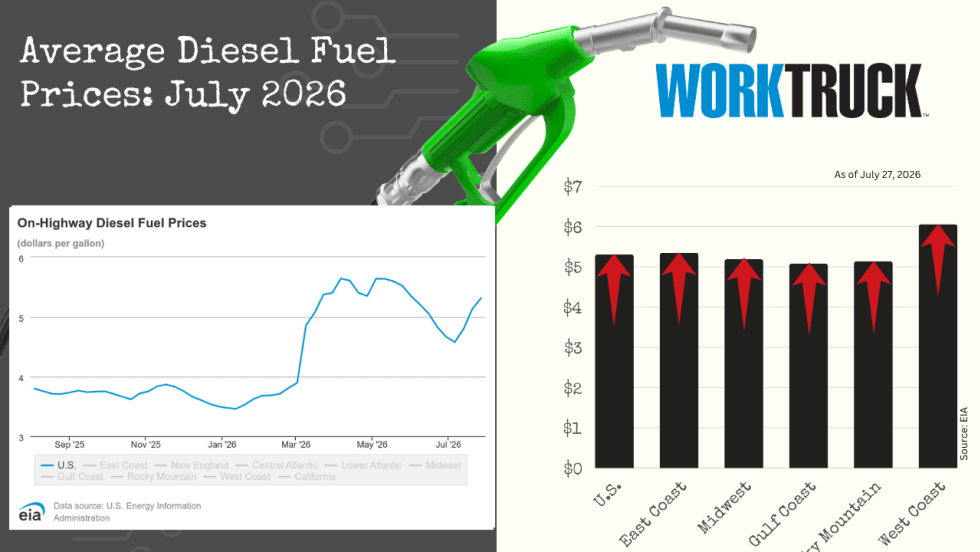
July Diesel Trends Update
The average price of a gallon of diesel increased again this week, and the EIA reported a new national average of $5.31 at the start of the week.
Read More →
WEX Brings Standard Fleet's Connected Vehicle Platform to Fleet Customers
This week’s product launch with Standard Fleet’s connected vehicle platform reflects WEX Venture Capital's strategy of turning startup innovation into customer solutions. Standard Fleet is now available to WEX fleet customers.
Read More →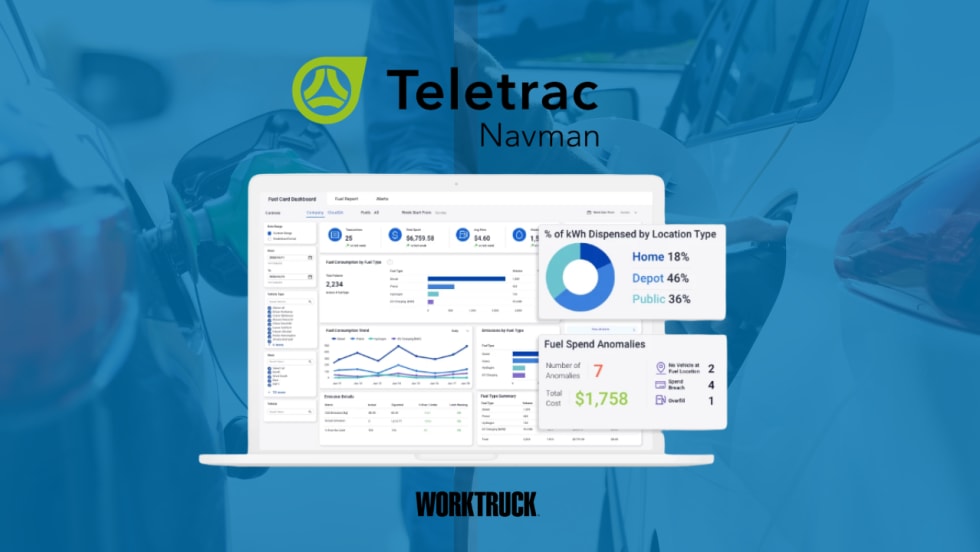
Teletrac Navman Adds Mixed-Energy Fleet Tools to TN360
The new Energy Hub combines fuel transactions, EV charging data, vehicle range, and energy costs in one dashboard for fleets operating multiple vehicle and energy types.
Read More →
WEX DriverDash adds CITGO, Expands Nationwide Access for Fleets
The DriverDash mobile payment app, by WEX, has been integrated into the CITGO merchant network, which means WEX has expanded its U.S. station footprint with the addition of approximately 4,000 CITGO locations.
Read More →
Mixed Energy Fleet Tips for Balancing EVs, Gas and Diesel Vehicles
Mixed energy fleets are becoming the new normal. Learn how fleet managers are balancing EVs, gas and diesel vehicles while controlling costs and planning for the future.
Read More →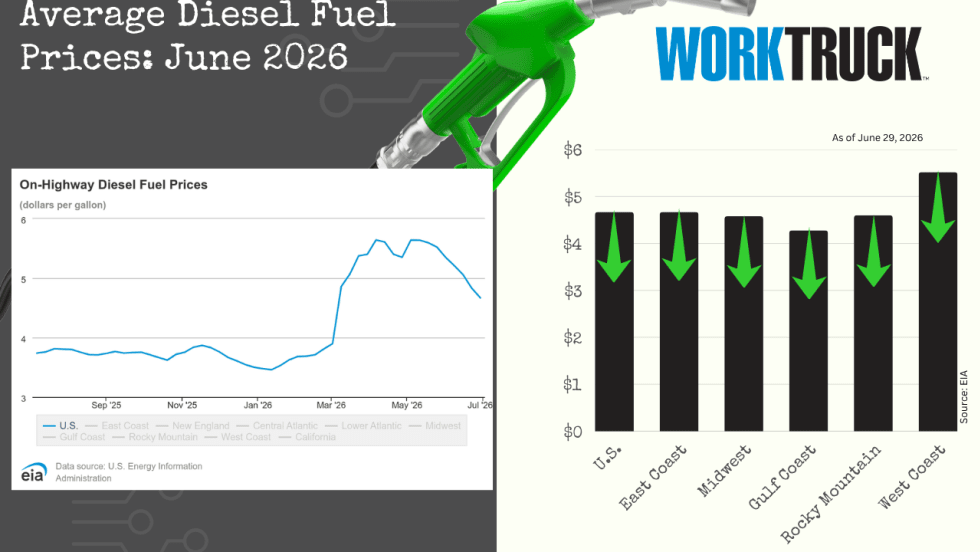
June Diesel Trends Update
The national average price of a gallon of diesel has dropped again, this week by more than 16 cents. All five regions reported lower average prices, ranging from almost 13 cents to more than 28 cents cheaper than a week ago.
Read More →
RoadFlex Launches RoadFlex Direct Open API Platform
RoadFlex Direct connects fuel cards, controls, and data to the telematics and fleet management systems fleets already run, from Geotab and Samsara to Fleetio and RTA, with no separate dashboard or double data entry.
Read More →
The Key to Fuel Efficiency Sits in the Cab
Learn how driver behavior, telematics, coaching, and fuel data can help fleets improve fuel efficiency, lower costs, and reduce emissions.
Read More →