




Winter-Proofing Fleets: Implementing Mobile Apps to Build a Comprehensive Winterization Plan
Prepare your fleet for winter’s worst! A solid winterization plan prevents costly breakdowns, protects drivers, and keeps your fleet running smoothly.
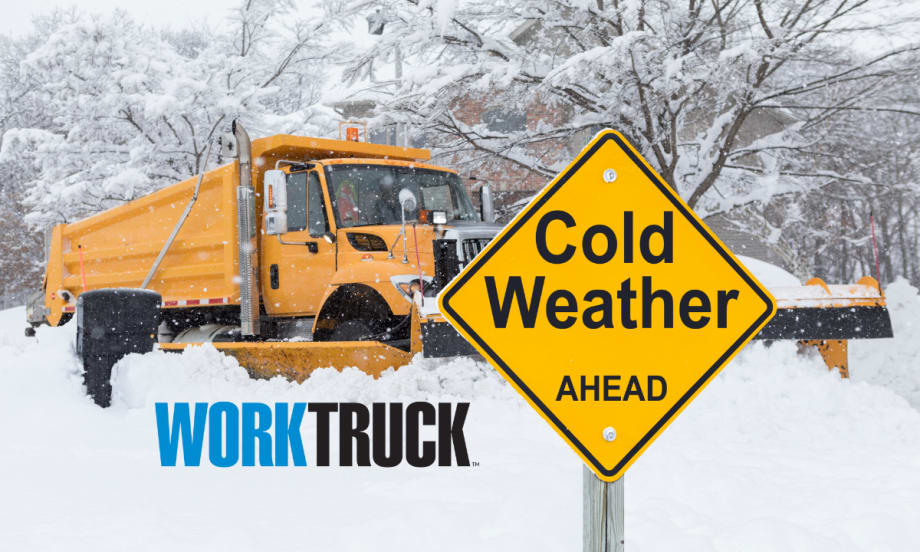
Winter roads bring unique challenges; proper fleet winterization ensures safety, reduces downtime, and keeps operations running smoothly in freezing conditions.
Photo: Work Truck
Commercial fleet managers keep their operations running smoothly by preparing their operators for any possible problem, but when the winter season brings drastic temperature changes, those typically manageable maintenance issues turn into more serious problems.
With 24% of weather-related crashes occurring on snowy or icy pavement every year, the standards for operator and asset performance in fleets rise significantly during winter. To ensure their assets are kept in top working condition, fleet managers should build a comprehensive winterization plan to prepare their operators to meet any possible challenges effectively.
While some may bet on luck, this approach often results in dangerous conditions, with operators managing serious problems roadside in inclement weather. Operators need to be equipped with the right plan and tools to manage problems as they arise. Fleet managers must prepare for these conditions promptly to prevent costly downtime, compound maintenance needs, and avoid risking asset health and operator safety.
Understanding the Effects of Extreme Cold
When temperatures drop, the cold can severely impact the performance and health of assets, leading to a range of serious issues. Fleet managers need to understand how freezing temperatures can affect their assets to avoid the risks of winter weather and build a comprehensive winterization plan. These are some key areas that are particularly vulnerable to cold weather:
Tires: Cold weather significantly affects tire issues, especially underinflation. As the temperatures fall, so does your tire pressure, losing one psi for every 10-degree Fahrenheit drop in outside temperature. At best, low tire pressure impacts fuel efficiency and increases stopping distances. At worst, it can cause blowouts.
Battery: Lower temperatures can drastically impact battery performance. As temperatures drop, the battery’s fluid thickens, and its ability to produce electrical currents slows. Battery capacity can drop by 20% at 32°F and 50% at -22°F. A battery with a reduced capacity causes difficulty starting the engine and can leave the driver stranded.
Brakes: Cold weather can severely harm an asset’s ability to brake. Freezing temperatures can harden the moisture between the brake pads and the rotors. This reduces friction and increases asset stopping distances, resulting in heightened operator stress, increased likelihood of crashes, and, in worst cases, even loss of the ability to brake at all.
Tips for Effective Fleet Winterization
As temperatures around the country plummet, discerning how the winter weather affects your assets is crucial for building a comprehensive winterization plan. Preemptively preparing a winter plan saves you significant headaches and major expenses down the road, protecting not only your assets but also your drivers’ safety. In creating a winterization plan, it’s important to adopt preventive maintenance (PM) policies, maintain detailed records, and improve communication with your operators.
A fleet platform's mobile app can offer immediate solutions for immediate problems, empowering managers to tackle winter-specific maintenance challenges proactively. Here are three ways fleet management apps and mobile inspections can address maintenance challenges in winter weather and offer the benefits of immediate insights.
PM Policies
Maintaining Detailed Records
Efficient Communication
Winter weather changes the asset health standards and your fleet's maintenance needs. Mobile fleet management apps allow custom preventative maintenance notifications that instantly alert managers about scheduled maintenance and work order status, ensuring timely action on urgent repairs and preventing costly downtime.
Fleet management apps also offer asset inspection checklists that alert managers to issues in real time and give immediate access to inspection results for a quick resolution. Building a winterization plan around proactive and preventive maintenance can save fleets thousands of dollars in avoidable breakdowns and productivity loss.
Record-keeping is crucial for tracking maintenance and spotting trends like increased assets in the shop during winter, which can be a sign of component durability, for example — or lack thereof. Management apps offer real-time visibility into asset service history and operational status, letting managers determine potential issues before they become full-blown disasters.
When a problem arises, easy access to asset insurance, DOT-required paperwork, and service history documents and photos ensure that operators have all the up-to-date information in the palm of their hand. Whether you handle maintenance in-house or partner with a service provider, drivers can maintain detailed records of all service and repairs — a task made easy with mobile fleet management apps.
Winter weather can be unpredictable, and breakdowns can happen at any time. Preparing your operators for the unexpected is essential in building a comprehensive winterization plan. When the icy conditions cause serious unforeseen problems, managers need reliable communication with their drivers and their eyes and ears on the roads.
Mobile management apps take care of the connection between operator and manager with automated location entries and easy access to contact information — inside and outside your organization — to ensure better-informed decision-making, prevent costly breakdowns, and keep your fleet running smoothly.
Fueling the Future of Fleet Management
As the country experiences freezing temperatures and icy conditions, fleets of all sizes face dangerous challenges on the road. For fleet managers looking to proactively protect their assets and mitigate compounding maintenance needs, creating a comprehensive winterization plan prevents costly downtime and breakdowns, protecting driver safety and asset performance.
Fleet management mobile apps play a vital part in this plan. They provide operators with a full tool belt to safely and efficiently address complications that could emerge on their routes, including real-time failed inspection item alerts, document and photo storage, and automated location status. Utilizing mobile management apps to develop a comprehensive strategy to prepare your fleet for dangerous winter weather is not just a smart move, it’s necessary for long-term success.
More Safety
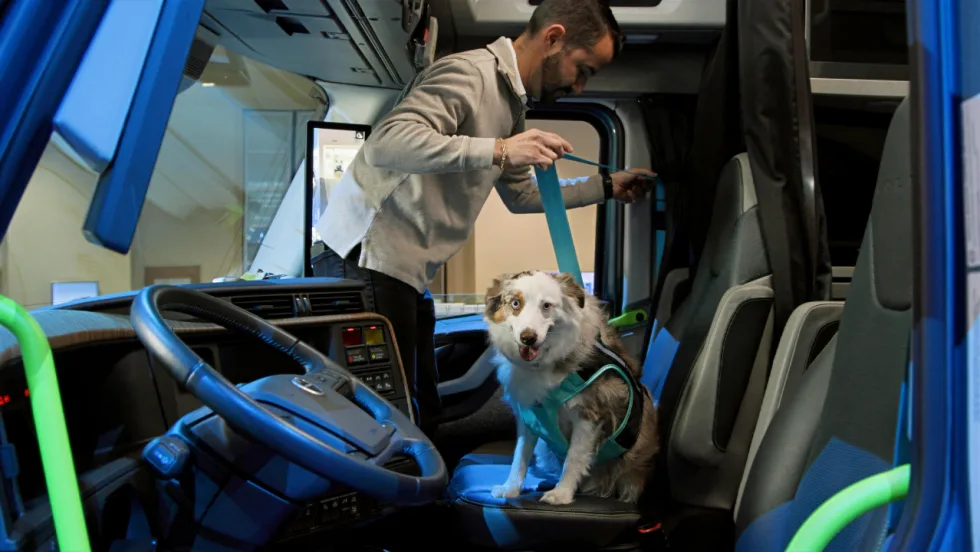
Volvo Trucks Releases New Safety Recommendations for Traveling with Pets
One of the most important recommendations for professional drivers traveling with pets is to ensure pets are properly restrained while the truck is moving. Other tips are available in the new guide from Volvo Trucks North America and Center for Pet Safety.
Read More →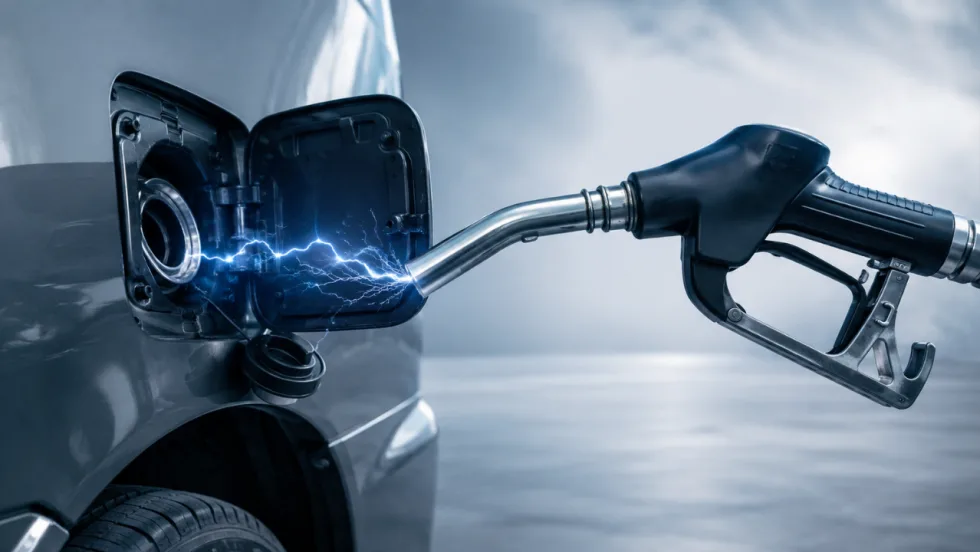
API Issues Refueling Safety Guidelines
The American Petroleum Institute offers a list of safe vehicle refueling guidelines, including ways to avoid potential problems with static electricity discharges in fall, winter, and early spring.
Read More →
Winter Fleet Prep: Expert Tips to Keep Vehicles Running Smoothly
Cold weather can expose weak batteries, tires, fuel systems, and maintenance gaps fast. Use this winter fleet checklist to prepare trucks and drivers before temperatures drop.
Read More →
When a Work Truck Breaks Down, the Job Can Stop, Too
A work truck breakdown can stop more than the vehicle. Discover how payloads, jobsites, and specialty equipment change the roadside response.
Read More →
What Stronger Long-Term Fleet Service Partnerships Actually Require
Fleet service partnerships rarely fall apart all at once. Learn the three warning signs that trust is eroding and what fleets and providers can do before downtime, frustration, and lost revenue follow.
Read More →
Applause & TRUCE Software Partner to Improve Driver Safety Through AI-Powered Telematics & Employee Performance Management
Applause has integrated TRUCE driving metrics directly into its employee-first performance and safety platform that transforms mobile devices into AI-powered telematics.
Read More →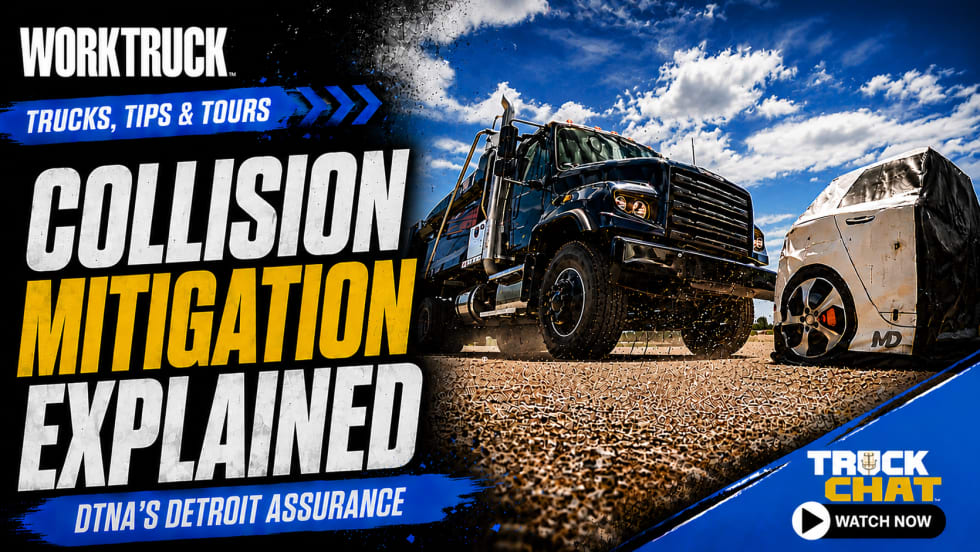
How Detroit Assurance with Active Brake Assist Works
Do you want to see what it is like to experience Detroit Assurance’s Active Brake Assist? In this video, Work Truck will put you in the cab to see how it all works and then hear more details from DTNA’s Mike Young.
Read More →
Get Left of Loss: A 5-Step Workplace Violence Prevention Framework for Fleet Operators
Violence risks do not stop at the driver’s door. Learn five practical steps fleets can take to spot threats early and protect workers before loss occurs.
Read More →
How Better Visibility Cut Speeding Violations by 48%
Fleet leaders don't need more data, they need clearer visibility into what the data is saying. This case study explores how one utility replaced speeding-event counts with a single metric — miles driven in violation — to strengthen safety and significantly reduce speeding violations.
Read More →
13 Safe Driving Tips for Commercial Vehicle Drivers
Make sure you are spending time on the road safely with these important tips.
Read More →