




Why Leveraging Warranty Claims is Worthwhile
Are you looking for ways to optimize your fleet operations and reduce costs? One often overlooked area, that holds significant cost savings potential, is warranties.
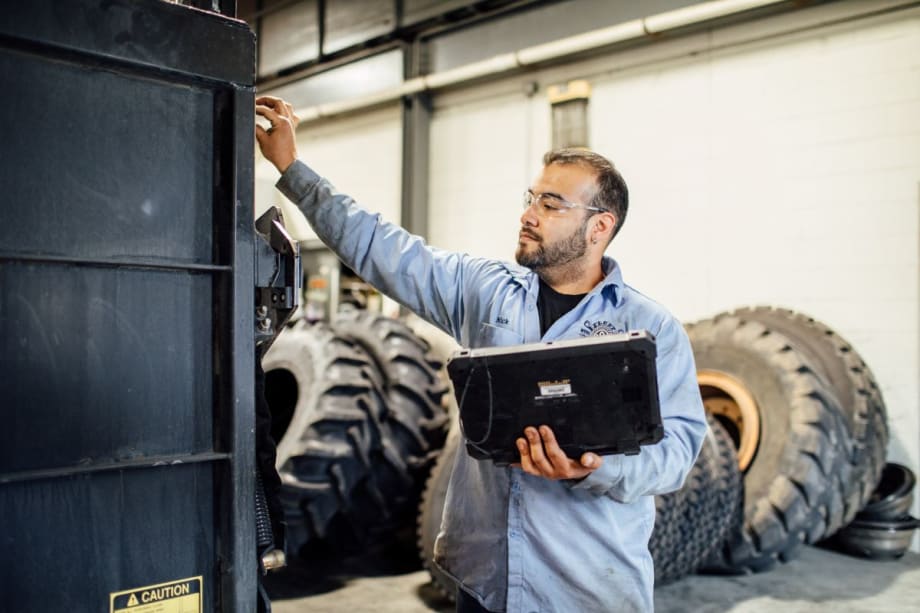
Whether you go with a standard warranty covering major components or an extended warranty offering prolonged protection, get to know the specifics of your assets' coverage.
Photo: Fleetio
Part of fleet optimization is knowing where and how to cut costs responsibly, and an often overlooked area that holds significant cost savings potential is warranties. A 2023 warranty report on the top three U.S. manufacturers showed that they held nearly $26 billion in warranty reserves at year-end after paying out roughly $10 billion in claims. Even accounting for adjustments, this discrepancy may indicate that many claims aren't being submitted.
Unfortunately, submitting warranty claims can be time-consuming, and if an asset is required to go back to the dealer for repair, it can be frustrating to coordinate everything. On top of that, a lack of tracking for warranty claims can make it hard for fleets to surface the value of leveraging warranties and the costs associated with overlooking them.
Fleets can use digital solutions, like fleet management software (FMS), to automate warranty management, set active warranty policy alerts within work orders, and quickly view warranty credits.
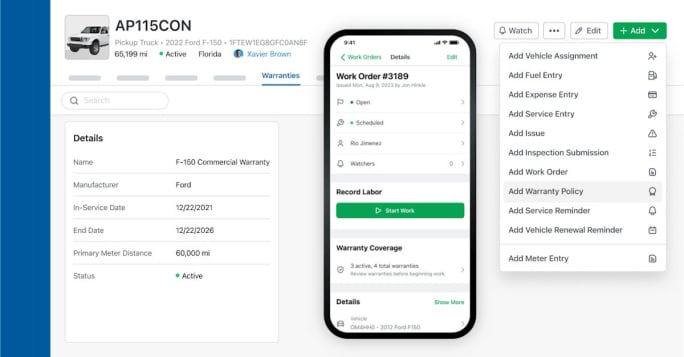
Poor maintenance, lack of service records, and vehicle misuse are reasons for warranty claim denials and voided warranties.
Photo: Fleetio
Not all Coverage is Created Equal
While warranty claims may make up a relatively small percentage of service spend, they can translate into significant savings for fleets. To fully grasp the importance — and benefits — of warranties, it's vital to know what warranty coverage makes the most sense for your assets. Manufacturers, extended powertrain, and bumper-to-bumper warranties are among the most common variants, offering distinct coverage terms, components, and conditions.
Whether you go with a standard warranty covering major components or an extended warranty offering prolonged protection, get to know the specifics of your assets' coverage. When assessing warranty coverage needs, consider the following:
What conditions is the fleet operating under? Harsh climates and rough terrain can negatively impact components and cause premature issues.
What will the asset's usage rate be like? Higher mileage vehicles may benefit from an extended warranty rather than a manufacturer's.
What will the workload for this asset be? Such actions as frequently hauling heavy loads can significantly stress vehicle components, making bumper-to-bumper a good warranty option.
Vehicle and even replacement parts warranties all provide cost-saving benefits, but they also all typically come with specific requirements that must be met for a claim to be approved. Poor maintenance, lack of service records, and vehicle misuse are reasons for warranty claim denials and voided warranties. Following manufacturer-recommended service intervals can ensure you stay within warranty parameters.

Fleets can use digital solutions, like fleet management software (FMS), to automate warranty management, set active warranty policy alerts within work orders, and quickly view warranty credits.
Photo: Fleetio
Tackling Warranty Management Challenges
Once you've picked a warranty option, the fun part begins: warranty management. Unfortunately, many fleets struggle with warrantied services due largely to the lack of visibility around covered components and coordination issues with approved warranty repair shops. To address these challenges, fleets are moving from manually tracking warranties to digital fleet solutions, streamlining the claims process and saving time and money.
Fleets can use warranty management in FMS to track and monitor claims and coverage. Once warranty details are entered into the software, it identifies covered services and alerts stakeholders to warranty-related opportunities. The software will even tag active warranty policies in work orders so the technician working with the vehicle knows to contact the dealership or manufacturer to coordinate service. And because FMS automatically tracks comprehensive vehicle service data, fleets can easily send documents to the appropriate party for quick claims processing.
FMS enables fleets to capitalize on covered components with features like automated warranty tracking, data consolidation, comprehensive service histories, and real-time communication with repair shops. The latter provides smoother coordination around warrantied services, though fleets can further improve collaboration by establishing ongoing relationships with trusted shops.
A fleet solution with robust warranty tracking features can help fleets maximize coverage benefits, including recording credits received from manufacturers and suppliers for covered parts and labor so you can easily track your savings and see how worthwhile warranty management can be. Plus, all that accumulated data provides valuable insights into warranty claims histories and trends, enabling fleets to identify areas for improvement and optimize warranty utilization.
About the Author: Rachael Plant is a senior content marketing specialist for Fleetio, a fleet management software company that helps organizations track, analyze, and improve their fleet operations. This article was authored and edited according to WT editorial standards and style. Opinions expressed may not reflect that of WT.
More Operations
Truckers’ Strike Rumors, New GM Engines, and Hidden Idling Costs Lead This Week’s News
Truckers’ strike rumors, GM’s new 2027 engines, hidden idling costs, racing lessons, IRP rules, and more headline this week’s Truck Chat Weekly Cheat Sheet.
Read More →
Shades of Fleet Wants to Hear From You About Building a Culture of Care
Fleet leaders, we want to hear from you. Share how empathy, trust, and creating space for people can strengthen your team, improve performance, and support retention.
Read More →
What Racing Can Teach Work Truck Fleets About the Work Nobody Sees
Race car driver and mechanical engineer Isaac Johnson shares practical lessons on preparation, relationships, setbacks, and building teams that perform when it counts.
Read More →From Our Partners
Basic Tracking vs Next Generation Fleet Technology
Sponsored by AT&T Business
5 Facts Every Fleet Manager Should Know About Embedded Telematics
Sponsored by Stellantis/Mobilisights
How AI Video Telematics Boosts Driver Safety and Helps to Avoid Unnecessary Costs
Sponsored by Verizon Connect

Charting the 8 Bottom-Line Benefits of Workforce Optimization
Sponsored by Verizon Connect

New Fleet Guides, Hidden Truck Wear, and Driver Fit Lead This Month
Our latest Truck Chat recap covers new Fleet Guides, hidden idling costs, driver fit, lighter-truck registration rules, and year-round technician appreciation.
Read More →
Work Truck Takes Fleet Rivalry Downhill to Support Skilled Trades
Team Fletcher claimed a head-to-head win and second overall as Work Truck and Automotive Fleet helped raise $22,000 for the Hourglass Foundation.
Read More →
From Ledger Books to AI Patti Earley Shares 40 Years of Fleet Lessons
Patti Earley, CAFM, shares what four decades in fleet have taught her about using data, building relationships, and listening to the people behind the vehicles.
Read More →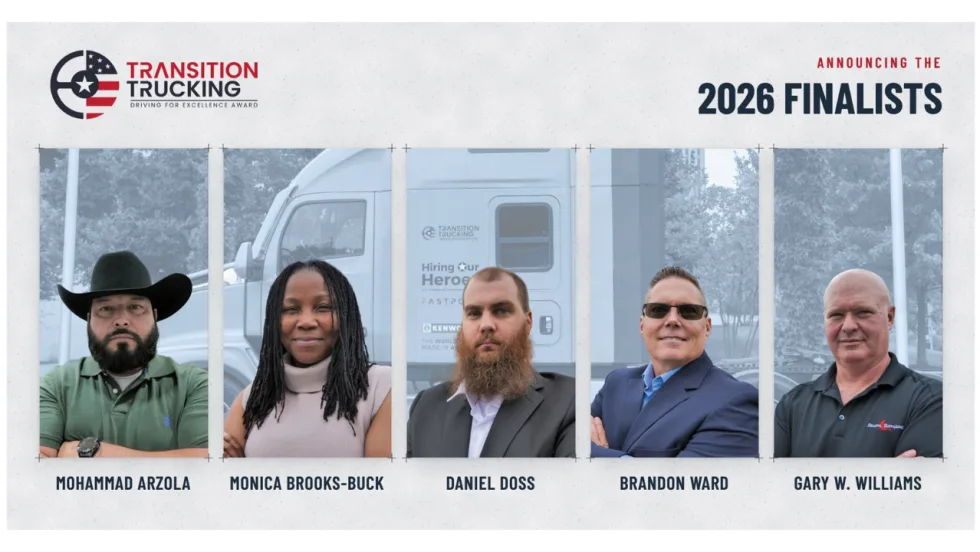
Finalists Announced for 2026 Transition Trucking: Driving for Excellence Award
Kenworth Truck Company, Fastport, and the U.S. Chamber of Commerce Foundation's Hiring Our Heroes program have announced the five finalists for the 2026 Transition Trucking: Driving for Excellence Award.
Read More →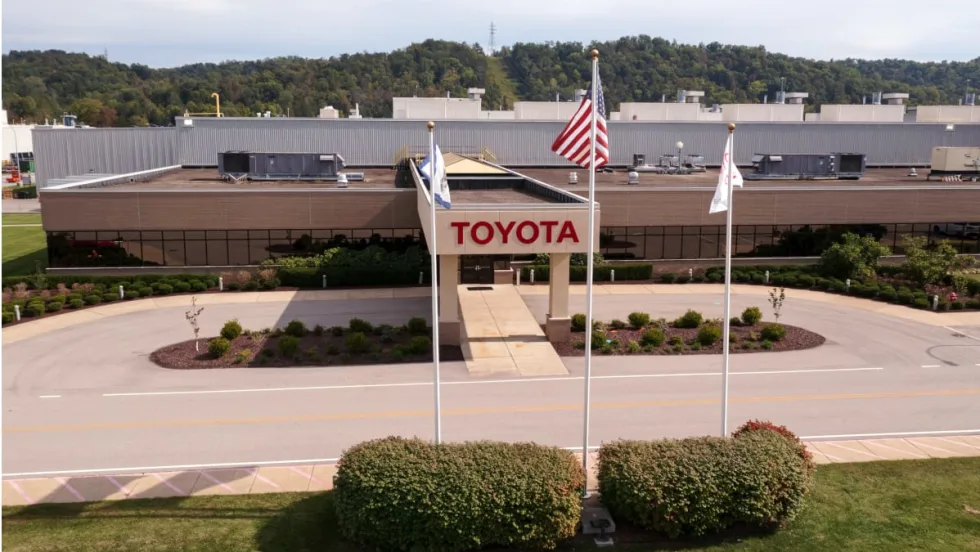
Toyota West Virginia Celebrates Three Decades of Manufacturing in the Mountain State
Toyota West Virginia celebrated 30 years of manufacturing. Toyota assembles both engines and drivetrain components in West Virginia to support its North American operations.
Read More →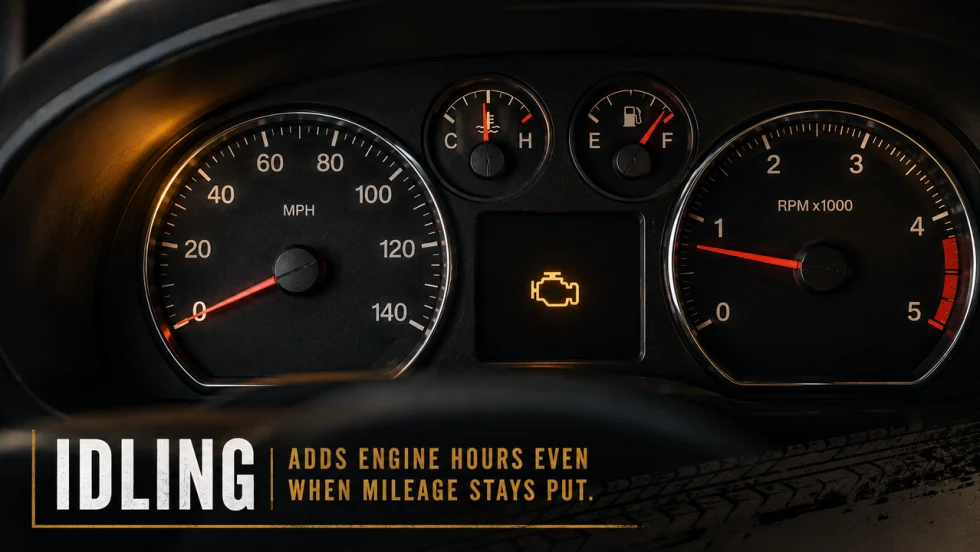
The Hidden Cost of Idling
A low-mileage truck can still be one of the fleet’s hardest-working and most worn assets. Engine hours, idle time, and duty cycle reveal what the odometer misses.
Read More →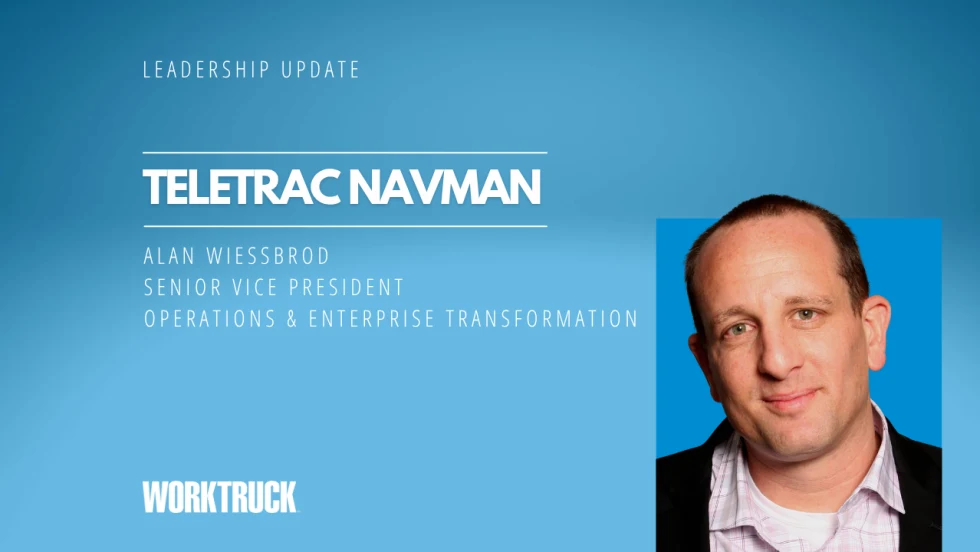
Teletrac Navman Hires SVP of Operations & Enterprise Transformation
Teletrac Navman has appointed Alan Wiessbrod to its senior leadership team as senior vice president, operations and enterprise transformation. The company said he has a strong track record of delivering profitable growth and operational excellence.
Read More →