




Do you know the answers to the top nine most frequently asked questions about retread tires?
Tackling Cracked Tires: Best Practices for Work Truck Drivers
A tire with cracks is most likely unable to provide the safety and reliability it once afforded and should be replaced. Learn what to look for.
by Cliff Johnson, Acuity Insurance
April 25, 2024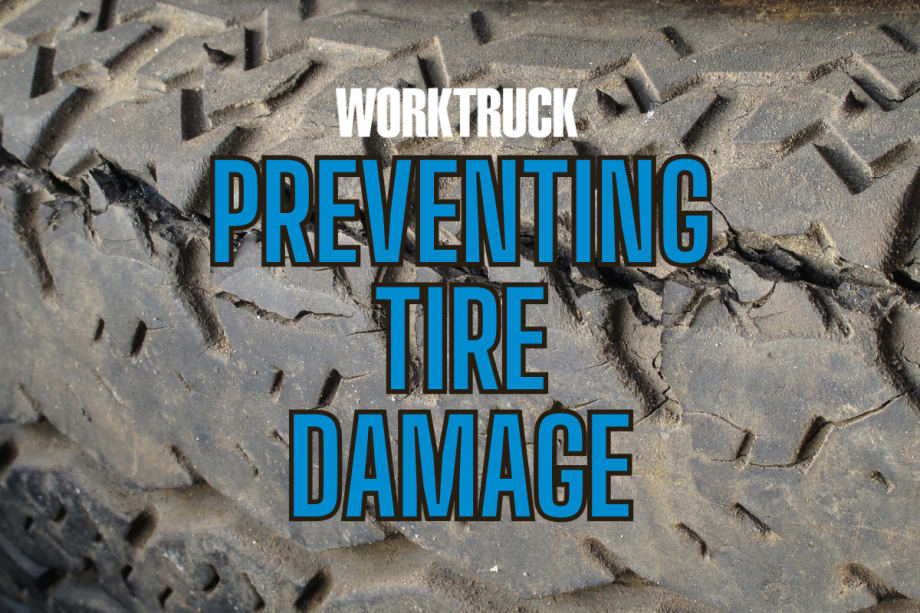
Cracks in tires should be considered red flags and taken seriously.
Photo: Work Truck
4 min to read
Identifying a defective tire is a concern for any truck driver. Fortunately, there are a few proactive steps you can take to reduce your likelihood of being stranded. A tire may need to be removed from service for several reasons, including tread depth, flat spotting, cuts, cap and casing delamination, improper weight rating, and more.
In this article, we will focus on cracking, often called weather checking, weather cracking, or ozone cracking.
Tire cracks typically start small and develop in the sidewalls or at the base of the tread grooves. These cracks can be red flags that the rubber is breaking down.
Why Does Sidewall Cracking Happen?
There are many reasons for tire cracking, with a few common causes being:
Sun degradation
Running the tire on low pressure
Dry rot
Tire age
Overloading
If left unresolved, these cracks can continue to deepen and eventually lead to blowouts or other failures.
It's important to take these cracks seriously as they may be a sign your tire is going to fail, which can damage your equipment and leave you in a compromised situation on the roadside.
How You Can Help Prevent or Identify Cracked Tires
Knowing the problem is occuring is the first step to prevention. Check out these three tips to prevent and identify when a problem is occuring:
1. Perform regular inspections.
The Federal Motor Carrier Safety Administration (FMCSA) offers a resource on tire safety that recommends daily pre- and post-trip inspections for irregularities. Finding minor issues early can help reduce the likelihood that they will become bigger and worse.
2. Maintain proper tire pressure.
Finding the correct tire pressure can be complex but worthwhile for both safety and cost. Deviating from tire pressure guidelines can increase your risk of cracked tires, and running on either over- or underinflated tires can reduce fuel efficiency.
Recommended tire pressure is measured in pounds per square inch (psi) and will depend on the vehicle, the tire weight rating, and the weight of the gross load you are hauling.
For lighter vehicles, usually under 10,000 pounds, your vehicle's recommended tire pressure can typically be found on a sticker inside the driver's door or in the owner's manual. Depending upon the tire, its sidewall may list a minimum and maximum psi air tire pressure.
For larger, heavier commercial motor vehicles, air pressure will increase dramatically over that of a passenger vehicle. If you're still having trouble finding the right psi, your tire dealer should be able to answer your questions.
3. Cover your tires.
You've probably seen covers on RV tires. The same logic applies to seasonally used work trucks and trailers. If your vehicle will be parked for an extended period, consider covering your wheels to avoid sun damage and mitigate the risk of premature tire cracking.
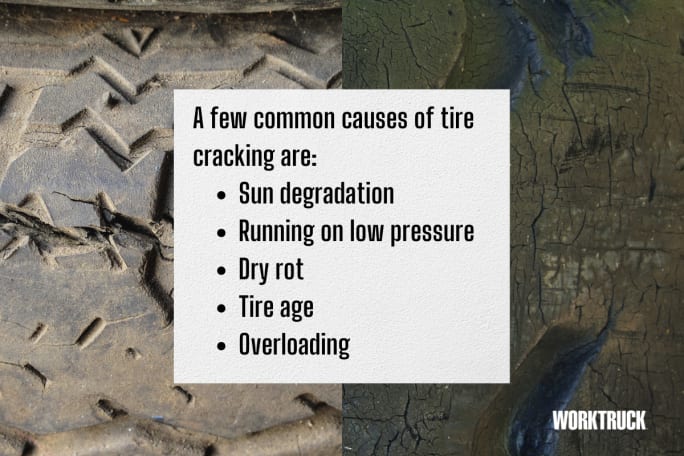
If left unresolved, tire cracks can continue to deepen and eventually lead to blowouts or other tire failures.
Photo: Work Truck
How to Manage Cracked Tires
A tire with cracks is most likely unable to provide the safety and reliability it once afforded and should be replaced. That can mean either replacing the tire or recapping it.
Department of Transportation (DOT) tire identification numbers are standardized and provide valuable information when deciding whether to recap or replace the tire.
You can find this information on one sidewall of a tire. When a tire is manufactured, it is given a DOT code. Each code starts with "DOT" and is followed by a string of characters.
The first two characters are the plant code for the manufacturer, the next are the tire's size and brand characteristics, and the last four indicate when the tire was manufactured. When a tire is capped, a new number is added. Using this information, you can understand the state of your tire, choose whether a tire is too old to recap, and make the best choice for how to proceed.
No one wants to deal with the hazards of a blowout, potential vehicle damage, or being stranded in a compromised situation roadside. Cracks in tires should be considered red flags and taken seriously. Having a tire maintenance program and working with your tire dealer to provide routine and preventive maintenance can help you avoid the worst consequences of cracked, marginal, or defective tires.
About the Author: Cliff Johnson has more than 35 years of experience in the trucking industry as a driver and owner and is now the trucking business segment consultant at Acuity Insurance. This article was authored and edited according to WT editorial standards and style. Opinions expressed may not reflect that of WT.
Subscribe to Our Newsletter
More Maintenance & Uptime
GM Launches ‘30 Under 30’ Program to Elevate Automotive Service Technicians and Inspire the Next Generation
The GM Automotive Service Technicians 30 Under 30 program honors GM service technicians under the age of 30 who demonstrate continuous technical training, exemplary customer service, mentorship, and leadership.
Read More →
Kooner Fleet Management Solutions Named Exclusive On-Site Fleet Maintenance Provider for Safe Truck Parking
A strategic partnership between Kooner Fleet Management Solutions and Safe Truck Parking brings mobile maintenance and 24/7 repair services directly to Safe Truck Parking locations, beginning in San Diego, California, with nationwide expansion planned.
Read More →
Building a Better Vehicle Replacement Model
Meter readings still matter, but engine hours, idle time, maintenance trends, and utilization can help fleets spot costly vehicles before the odometer does.
Read More →From Our Partners
How JASPER Keeps Fleets Moving and Profitable
Sponsored by Jasper Engines & Transmissions
Basic Tracking vs Next Generation Fleet Technology
Sponsored by AT&T Business
5 Facts Every Fleet Manager Should Know About Embedded Telematics
Sponsored by Stellantis/Mobilisights
How AI Video Telematics Boosts Driver Safety and Helps to Avoid Unnecessary Costs
Sponsored by Verizon Connect

Charting the 8 Bottom-Line Benefits of Workforce Optimization
Sponsored by Verizon Connect

Sponsored•September 21, 2026
How JASPER Keeps Fleets Moving and Profitable
Every business decision within fleet management ultimately comes down to financial performance. Investing in dependable replacement powertrain components and responsive support can measurably impact the bottom line.
Read More →
Ryder Honors 2026 Top Technician at 25th Anniversary Skills Competition
Hosted in Nashville, Ryder’s 25th annual Top Technician Skills Competition honored the best technicians across the U.S. and Canada. Top Tech celebrates technician expertise while promoting growth, recognition, and camaraderie. Here are the winners.
Read More →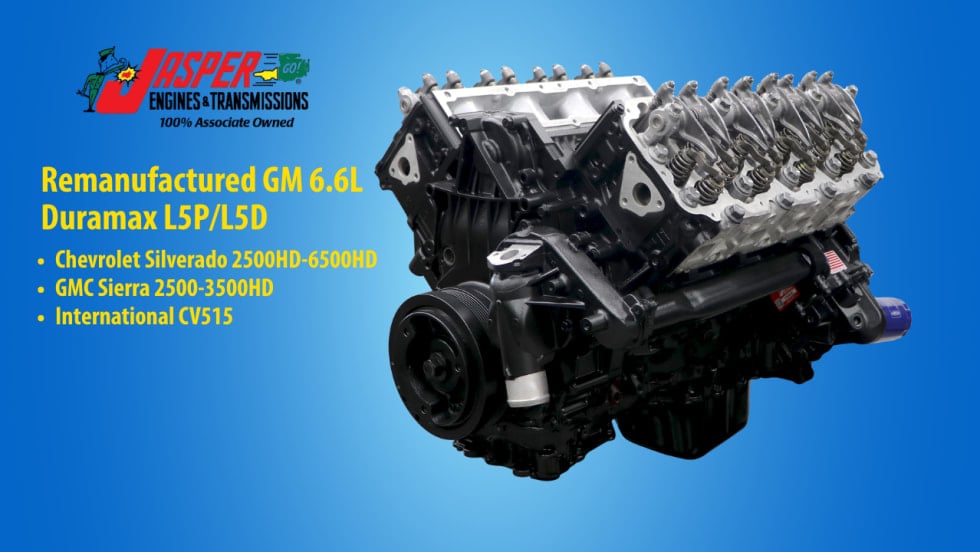
Jasper Offers GM 6.6L Duramax L5P/L5D Complete Format Diesel Engines
Jasper Engines & Transmissions now offers the remanufactured GM Duramax 6.6L L5P/L5D as a complete format engine for several General Motors and International 2017-2023 HD pickup trucks.
Read More →
Armor Equipment Strengthens Minnesota Service Capabilities with Acquisition of Dakota Truck
Armor Equipment has acquired Dakota Truck, a medium- and heavy-duty truck and trailer repair business based in Lakeville, Minnesota. The acquisition adds truck and trailer repair expertise, building on Armor’s expansion into the Upper Midwest.
Read More →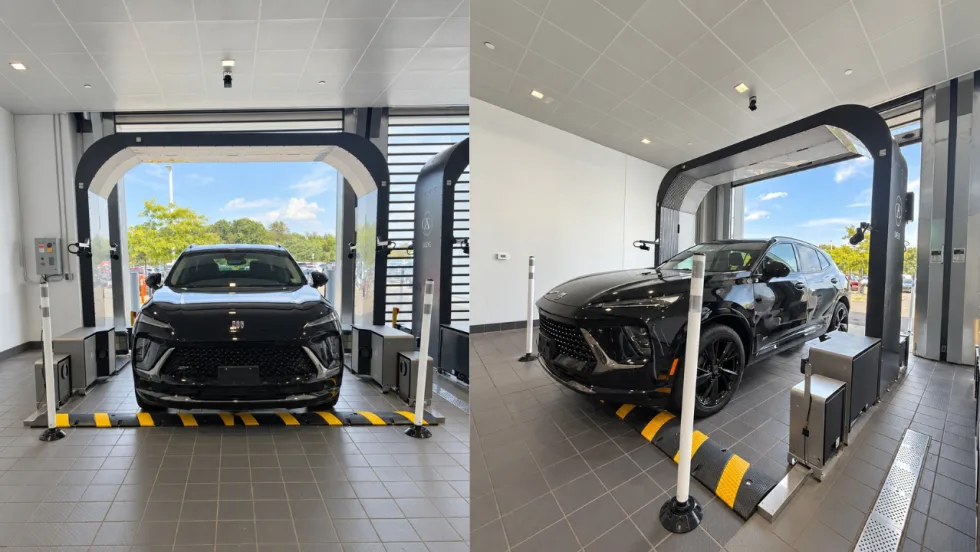
LaFontaine Partners With UVeye to Expand AI Vehicle Inspections in Michigan
LaFontaine is expanding UVeye AI vehicle inspections across Michigan, while UVeye tells Work Truck how the technology can support fleet maintenance and heavy-duty vehicle inspections.
Read More →
Les Schwab Expands Commercial Tire Footprint Into Arizona
Les Schwab Tires has expanded into Arizona with two commercial tire locations in Phoenix and Tucson, strengthening its fleet service footprint in the Southwest.
Read More →
Volvo Trucks’ 'Lock and Leave' Software Updates Go Live Across North America
Unattended over-the-air software updates are now available in Volvo trucks across the U.S. and Canada. The new capability lets trucks stay current with the latest software without interrupting operations or requiring a dealership visit.
Read More →