




Flooring Company Shifts from Diesel to Gasoline Trucks
This Texas-based flooring company has found gasoline-powered trucks are doing the same job as diesel, but cheaper — and live to 300,000 miles.


Rafe Gibson, owner of DecoCrete Professional Flooring Solutions, (left) with Jason Culpepper, his Business Elite dealer representative.
After running a combination of diesel and gasoline engines, Rafe Gibson has moved almost exclusively to gasoline trucks since they cost less to maintain. Although diesel has a higher payload, Gibson says he hasn’t had any issues with the gas engine powering each truck’s payload of 10,000 to 12,000 pounds. Each truck tows a gooseneck trailer loaded with materials and supplies.
“I can get just as many miles out of the gas engine and it costs $5,000 to $8,000 less to buy than a diesel truck,” says Gibson, owner of DecoCrete Professional Flooring Solutions. “Then I have to look at regular maintenance costs; it costs at least $20 more per oil change for a diesel engine. Plus, gasoline prices are cheaper now.”
With his trucks and construction crews gone weeks at a time, Rafe Gibson needs a dependable, cost-effective fleet that can stick to a rigid maintenance schedule, which has to be planned two weeks to a month in advance.
“When scheduling crews out for five to six days a week, the crews aren’t down long enough to maintain their trucks,” says Gibson. “Maintenance has to be scheduled in advance. If you get the same trucks, it’s easier to maintain all of them with the same maintenance schedule. One repair shop can work on all the trucks.”
Founded in 2001, Gibson’s flooring company has seven trucks — and seven crews — traveling to projects across the state of Texas. Mainly working on commercial projects in the medical research and food/beverage industries, the one-ton GMC and Chevrolet crew cabs (with flatbed) average 30,000 to 50,000 miles per year — with a lifecycle close to 300,000 miles.
Elite Partnership
GM’s Business Elite Program has enabled Gibson to purchase all of his trucks through one contact. For the past 14 years, Gibson has been buying vehicles through Jason Culpepper, a Business Elite dealer representative who works at James Wood Motors in Decatur, Texas.
“If I need a new truck, I can call Jason today and he can be at my office the next morning with it,” says Gibson. “I have such a relationship with him that I wouldn’t buy from anyone else.”
This partnership doesn’t end with the purchase of the vehicle; it continues throughout the lifecycle of the fleet. While the vehicles are still under warranty, Culpepper will pick up Gibson’s vehicles for maintenance checks and then provide a loaner vehicle.
“When I was on a project in Houston, I took my truck to a dealership to be looked at,” says Gibson. “I called Jason and he said that his dealership could fix it for less. He sent a truck to Houston and transported my truck to his dealership to get it fixed. He gave me a loaner vehicle in the meantime.”
Less Worries
With his vehicles gone weeks at a time, Gibson has installed telematics systems in each truck to maintain accountability among his crews. Being able to see when a crew arrives and leaves a work site has helped reduce the instances of employees logging inaccurate hours.
Additionally, the telematics system has proved to be effective in promoting fleet safety by tracking the vehicle’s speed. According to Gibson, he receives a text when a truck is exceeding a certain speed limit.
“Now that I have vehicles that are fairly new and in good running order, I don’t worry about my fleet,” says Gibson. “When I first started my business and was buying used vehicles, I was worried about my trucks, which were on their last leg. I was worried that the phone would ring and a truck would be broke down.”

One of DecoCrete's one-ton crew cabs.
More Fuel

Precision Under Pressure: Why Modern Diesels Demand a New Fuel Maintenance Playbook
Modern diesel fuel systems leave little room for contamination, deposits, or old maintenance habits. See why today’s HPCR engines demand a more proactive approach to fuel quality, injector health, and DPF protection.
Read More →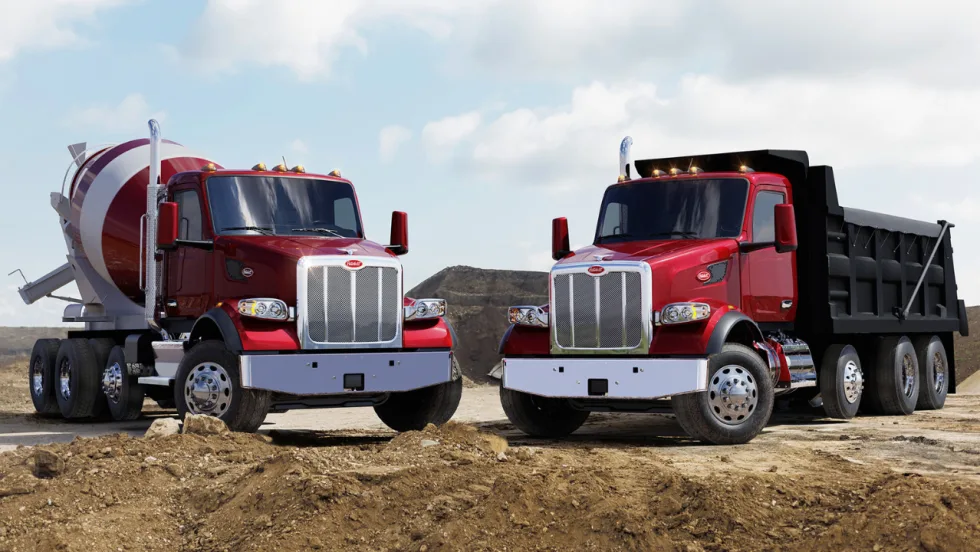
Peterbilt Trucks Equipped with Paccar TX-18 Pro Boost Efficiency for Maryland Fleet
Patuxent Companies is replacing aging trucks with the Peterbilt Model 567 and Model 589, specified with the Paccar TX-18 Pro 18-speed automated transmissions, and is reporting an 8% to 10% improvement in fuel economy.
Read More →
The Smart Way to Build a Mixed-Energy Fleet Isn’t About Picking a Side
Mixed-energy fleets aren’t about picking a winning fuel. Sarah Booth of WEX explains how vehicle data, duty cycles, charging strategy, and real-world costs can help fleets choose the right energy source for each job.
Read More →



Ignoring This Dashboard Warning Could Cost Your Fleet Thousands in Fuel
New research suggests neglected diesel aftertreatment systems could waste up to $30 in fuel per vehicle each day. Here's why vocational fleets should pay attention.
Read More →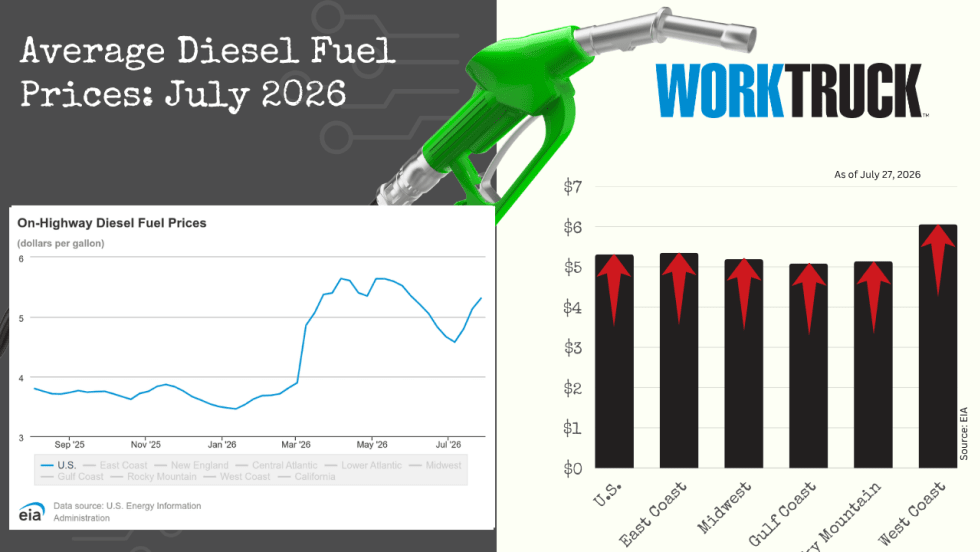
July Diesel Trends Update
The average price of a gallon of diesel increased again this week, and the EIA reported a new national average of $5.31 at the start of the week.
Read More →
WEX Brings Standard Fleet's Connected Vehicle Platform to Fleet Customers
This week’s product launch with Standard Fleet’s connected vehicle platform reflects WEX Venture Capital's strategy of turning startup innovation into customer solutions. Standard Fleet is now available to WEX fleet customers.
Read More →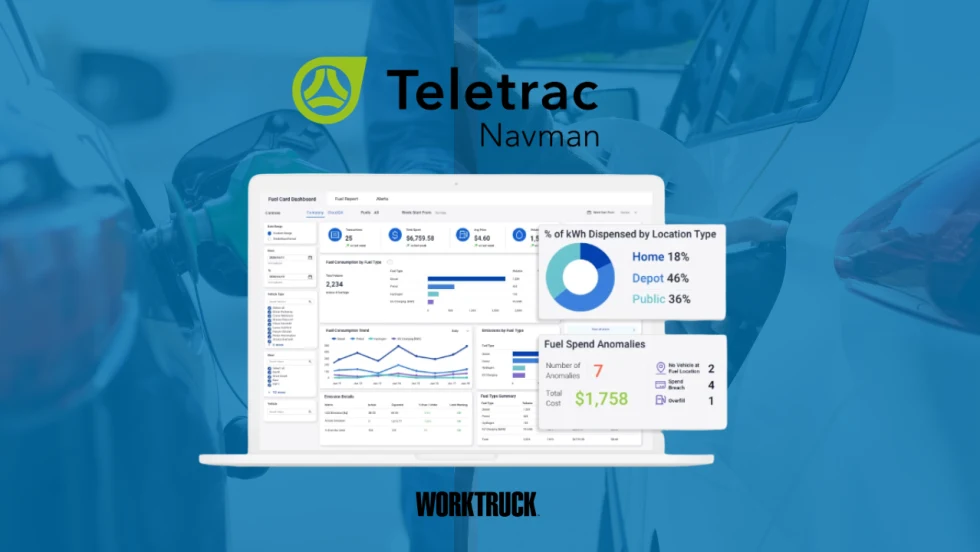
Teletrac Navman Adds Mixed-Energy Fleet Tools to TN360
The new Energy Hub combines fuel transactions, EV charging data, vehicle range, and energy costs in one dashboard for fleets operating multiple vehicle and energy types.
Read More →
WEX DriverDash adds CITGO, Expands Nationwide Access for Fleets
The DriverDash mobile payment app, by WEX, has been integrated into the CITGO merchant network, which means WEX has expanded its U.S. station footprint with the addition of approximately 4,000 CITGO locations.
Read More →
Mixed Energy Fleet Tips for Balancing EVs, Gas and Diesel Vehicles
Mixed energy fleets are becoming the new normal. Learn how fleet managers are balancing EVs, gas and diesel vehicles while controlling costs and planning for the future.
Read More →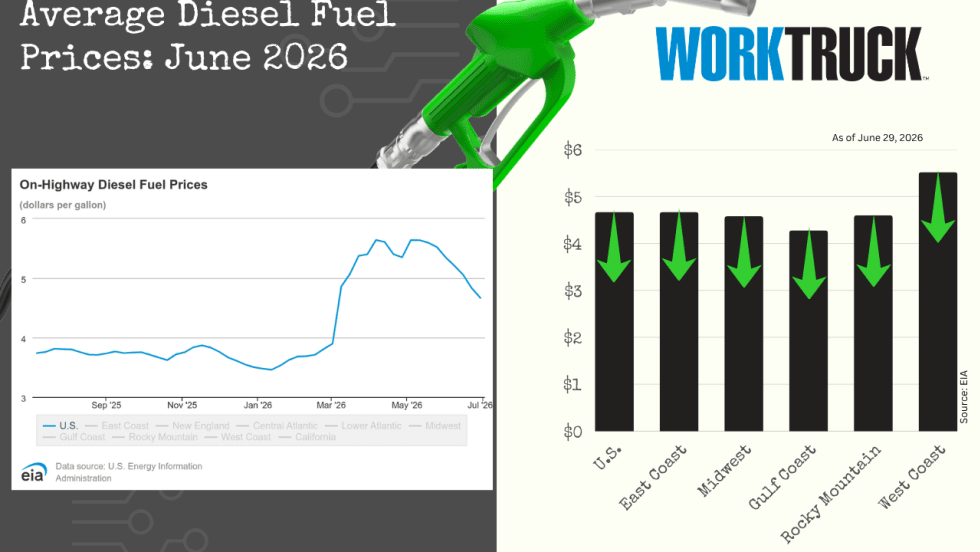
June Diesel Trends Update
The national average price of a gallon of diesel has dropped again, this week by more than 16 cents. All five regions reported lower average prices, ranging from almost 13 cents to more than 28 cents cheaper than a week ago.
Read More →