




Unlock the Full Potential of Telematics: Modern Uses Beyond Tracking
Harnessing Telematics: A Deep Dive into Work Truck Fleet Management
Telematics for work truck fleet management can improve productivity, operations, and strategic decision-making.

Hillary Weiss・Senior Editor
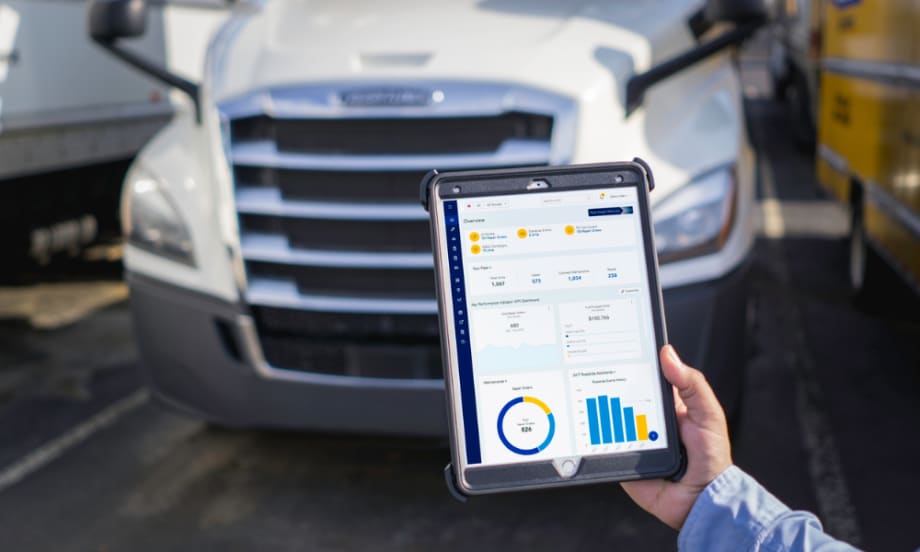
Telematics is a powerful tool transforming work truck fleet management.
Photo: Penske
3 min to read
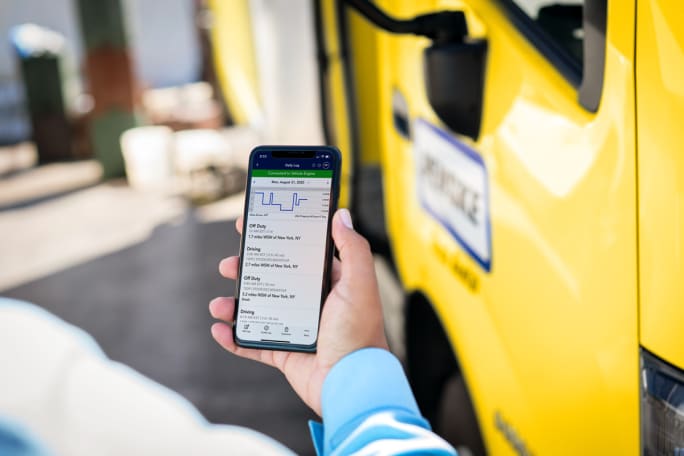
Telematics allows work truck fleet management more effective end-to-end operations.
Photo: Penske
Work truck fleets are the backbone of industries, ensuring timely and efficient movement of goods and services.
Fleet management can benefit significantly from telematics because it enables managers to make informed decisions, reduce operating costs, improve safety, and enhance fleet performance.
Samantha Thompson, Vice President of Customer Success and Fleet Telematics at Penske, sheds light on how telematics revolutionizes fleet management for productivity optimization and strategic decision-making.
Productivity Optimization Through Visibility
Telematics for fleets presents opportunities to make work truck fleet operations more effective, from assets to staff and end-to-end operations.
At its core, it enhances fleet visibility, offering a panoramic view of operations.
Thompson explained, "It starts with visibility. These tools provide customers with information they typically wouldn't have. Many fleets handle operations manually, lacking a comprehensive view. With telematics, there's an advantage to put everything on one screen."
This newfound visibility extends from tracking trucks to managing schedules and even monitoring the contents of trailers.
Data-Driven Decision-Making in Fleet Management
By leveraging telematics data, fleet managers can gain a stronger understanding of their operations, enabling them to optimize fleet composition, determine ideal fleet size, strategically choose vehicle locations, and refine operational planning.
For instance, insights into movement frequency and parking duration allow for efficient scheduling and allocation of resources, minimizing idle time and improving overall fleet productivity.
Telematics also facilitates predictive maintenance, enabling proactive interventions based on real-time data and reducing the likelihood of unexpected breakdowns and associated downtime.
This data-driven approach to fleet management enhances operational efficiency and contributes to cost savings and sustainability efforts.
Telematics is a powerful decision-support tool, enabling fleet operators to navigate the complexities of work truck management with precision and agility.
Integrating telematics into decision-making becomes essential for staying competitive, compliant, and adaptive to emerging challenges and opportunities as the industry evolves.
Integration of Telematics and GPS Technologies
Telematics can be utilized as a standalone technology or seamlessly integrated with GPS to improve work truck fleet operations.
Integrating GPS and telematics for fleet serves three primary purposes: compliance, safety, and efficiency.
Compliance involves keeping track of regulatory requirements, such as hours of service and environmental standards, ensuring that the fleet adheres to legal obligations.
Safety is a paramount concern, and telematics integrated with GPS allows for real-time monitoring of driver behavior, enabling immediate intervention in unsafe practices.
And efficiency is achieved through insights into route optimization, fuel consumption, and maintenance needs.
Thompson stated, "Telematics allows full visibility into solutions like navigation, compliance record-keeping, and workflow tools. It's a multi-faceted process that considers not only vehicle performance but also the impact of driver actions."
This approach, incorporating telematics, GPS, fleet management, and workflow tools, collectively falls under the umbrella term: transportation technology solutions.
The synergy of these components provides a comprehensive and data-driven framework for work truck fleet management, offering control, compliance assurance, and the ability to continuously refine and improve operational strategies.
In essence, the integration of telematics and GPS goes beyond mere tracking; it transforms fleet management into a dynamic, adaptive, and efficient system that meets the demands of modern transportation needs.
Transforming Work Truck Fleet Management
Telematics is a powerful tool transforming work truck fleet management.
Its potential for optimizing productivity, enhancing visibility, and influencing strategic decisions can help pave the way for future innovations.
As fleets navigate the adoption of telematics, careful consideration and proactive change management are key to ensuring smooth and successful integration.
Subscribe to Our Newsletter
More Technology
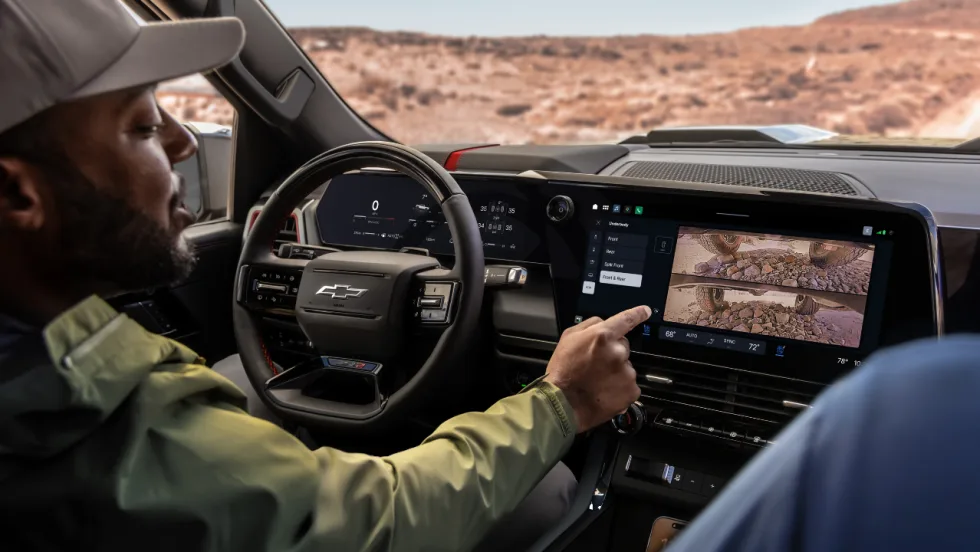
GM Brings New Truck Focused Interface to 2027 Silverado and Sierra
GM's new pickup interface puts trailering data, camera views, vehicle controls, and smartphone integration closer to the driver in the 2027 Silverado and Sierra.
Read More →
Samsara Driver Perks Expands Rewards Beyond the Long Haul Driver
Samsara’s new driver rewards program was built with a broader professional driver in mind, including employees who split their day between driving, job sites, service calls, and other work.
Read More →
AI Service Advisor Aims to Cut Fleet Repair Downtime
Fleetio said its AI Service Advisor can help fleets cut repair downtime by an average of 2.5 hours per repair while reducing manual maintenance work.
Read More →
Verra Mobility Launches AI-Driven Title & Registration Solution
Verra Mobility has launched a new AI-driven Title & Registration platform to help fleets move vehicles from acquisition to the road the same day while reducing compliance risk.
Read More →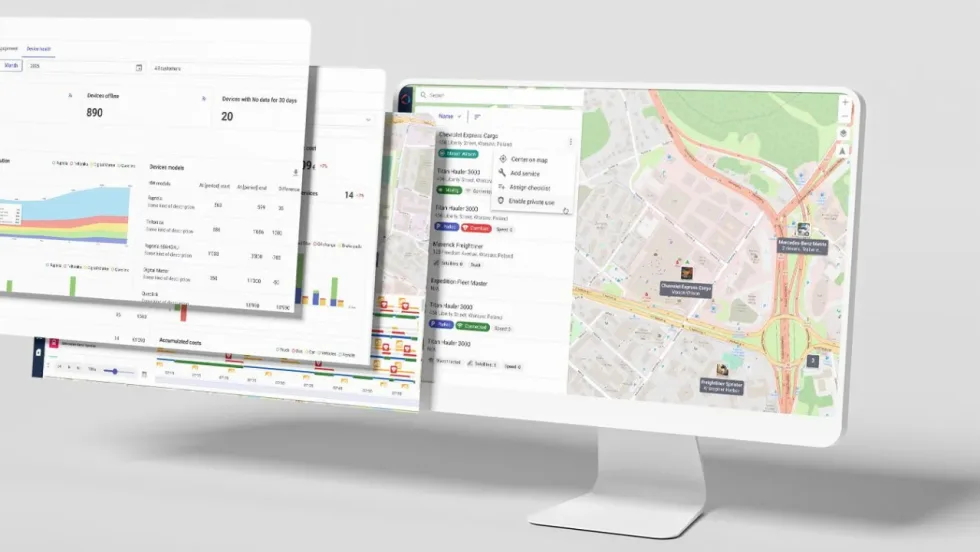
Wialon Unlocks OEM Data to Give Fleet Owners Data Ownership & Operational Clarity
Wialon has introduced hardware-free OEM integration as the EU Data Act accelerates the shift in vehicle data access across the fleet industry in many countries.
Read More →
Teletrac Navman Promotes New CEO from Within
Teletrac Navman’s next CEO, Ricardo Buranello, has served as the company’s chief financial and operating officer. He brings deep financial and operational expertise, a strong strategic orientation, and an intimate knowledge of the business to his new role.
Read More →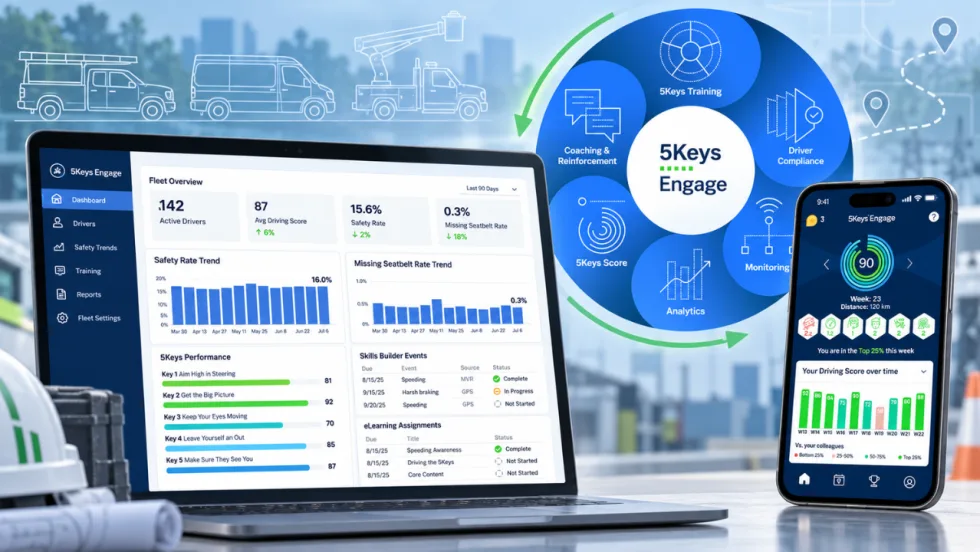
Smith System Wants Work Truck Fleets to Look Beyond the Driver Alert
Smith System’s new Driver Risk Management program is built to help mixed work truck fleets turn telematics alerts and observations into specific behaviors, coaching actions, and measurable follow-up.
Read More →
Ford Pro Software Updates: August 26
Check out the latest Ford Pro software updates, including Google Maps integration, Remote Vehicle Alarm integration, Motor Pool for easier management of shared pool vehicles, and more.
Read More →
Where AI Is Actually Saving Fleet Managers Time
AI is moving past the buzzword stage and into the daily fleet workflow. Fleetio’s Brianna Perry Lang breaks down where fleets are seeing real time savings, from maintenance and data entry to repair decisions, safety, and compliance
Read More →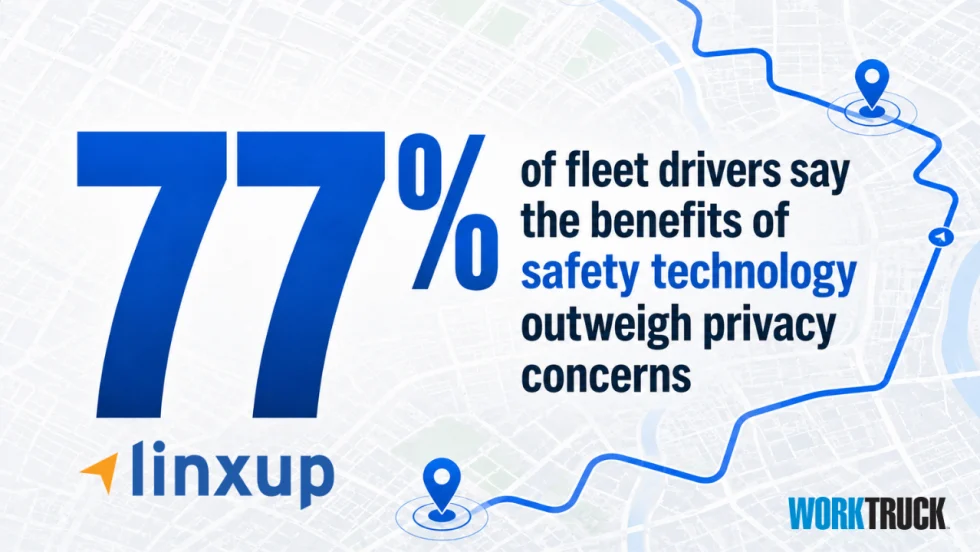
Are Work Truck Drivers Warming Up to Dash Cams and GPS Tracking?
A new survey finds field-service drivers may be more comfortable with dash cams and GPS tracking than fleet managers think, especially when the technology helps protect them after a crash.
Read More →