




Related: Isuzu Provides Customized Cabover to Landscaping Fleet
Isuzu Truck and Part Sales Reach Record Level
Isuzu dealers retailed 22,633 Isuzu trucks to customers in 2017 — a record for Isuzu-branded trucks in the United States. In addition, Isuzu dealers purchased more parts with a sales increase of 3.9% versus 2016, setting another record.
by Staff
February 2, 2018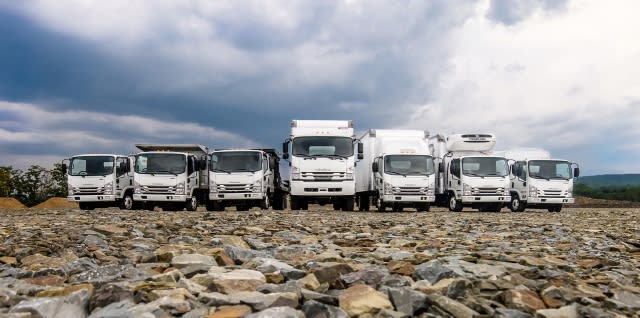
Image of Isuzu family of trucks courtesy of Isuzu Commercial Truck of America
1 min to read
Isuzu Commercial Truck of America, Inc. beat two sales records in 2017, making last year its new benchmark for retail sales of Isuzu-brand trucks and sales of Isuzu parts. This marks the third year in a row that Isuzu has established records in these metrics.
Isuzu dealers retailed 22,633 Isuzu trucks to customers in 2017 — a record for Isuzu-branded trucks in the United States. In addition, Isuzu dealers purchased more parts with a sales increase of 3.9% versus 2016, setting another record.
“These records carry more meaning when you consider that we faced an increasing level of competition throughout 2017,” said Shaun Skinner, president, Isuzu Commercial Truck of America. “Our 2017 results are a testament to the hard work of our dealer body and our field force — and, of course, the loyalty of our customers.”
Skinner expressed confidence that the company’s momentum will continue into 2018: “The forecasts for our economy continue to be positive. Medium-duty trucks are in demand, and as the retail environment changes to rely less on bricks and mortar, that demand is expected to grow even more. And we have the strongest product lineup we have ever offered, with the addition of the Class 6 FTR.
More Operations

How to Build a Lasting Fleet Career by Staying Curious and Connected
Tina Kourakos never planned on a career in fleet. More than 30 years later, she says curiosity, strong relationships, and a willingness to keep learning helped turn an unexpected assignment into a career spanning fleet management and OEM leadership.
Read More →
Think You Know Trucks? Take Our 19-Question Fleet Trivia Challenge
From chicken lights to diesel engines and trucking history, test your knowledge with 19 questions from the 2026 Work Truck Exchange and Heavy Duty Trucking Exchange.
Read More →
Where’s My Truck: Inside the Fleet Logistics Work Nobody Sees
Shades of Fleet video thumbnail featuring Lauren Fletcher beside the text “The People Behind the Process, Keeping Fleets Moving,” with fleet vehicles and logistics imagery in the background.
Read More →From Our Partners
Basic Tracking vs Next Generation Fleet Technology
Sponsored by AT&T Business

5 Facts Every Fleet Manager Should Know About Embedded Telematics
Sponsored by Stellantis/Mobilisights
How AI Video Telematics Boosts Driver Safety and Helps to Avoid Unnecessary Costs
Sponsored by Verizon Connect

Charting the 8 Bottom-Line Benefits of Workforce Optimization
Sponsored by Verizon Connect


Work Truck Seeks Fleet and Industry Insights on 2026 Trends and 2027 Forecasts
Work Truck is seeking insights from fleet leaders and industry partners on the trends that shaped 2026 and what commercial fleets should prepare for in 2027. Participate today!
Read More →
It's 10 p.m... Do You Know Who Has Access to Your Fleet?
Preventing cargo theft requires investment in technology, operational processes, and employee training. In an industry with tight margins, it can be difficult to justify investments whose value is measured by incidents that might never occur.
Read More →
GeoFencing Adds to Your Truck Security Arsenal
Geofencing is a familiar fleet tool today, but its early adoption marked a major shift in vehicle tracking, route monitoring, and the debate over employee privacy.
Read More →
Truckers’ Strike Rumors, New GM Engines, and Hidden Idling Costs Lead This Week’s News
Truckers’ strike rumors, GM’s new 2027 engines, hidden idling costs, racing lessons, IRP rules, and more headline this week’s Truck Chat Weekly Cheat Sheet.
Read More →
Shades of Fleet Wants to Hear From You About Building a Culture of Care
Fleet leaders, we want to hear from you. Share how empathy, trust, and creating space for people can strengthen your team, improve performance, and support retention.
Read More →
What Racing Can Teach Work Truck Fleets About the Work Nobody Sees
Race car driver and mechanical engineer Isaac Johnson shares practical lessons on preparation, relationships, setbacks, and building teams that perform when it counts.
Read More →
New Fleet Guides, Hidden Truck Wear, and Driver Fit Lead This Month
Our latest Truck Chat recap covers new Fleet Guides, hidden idling costs, driver fit, lighter-truck registration rules, and year-round technician appreciation.
Read More →