





Watch: Common Misconceptions About Fuel Spend Management Solutions
WEX Adds Public EV Charging to Fleet Card for Mixed-Energy Operations
WEX adds EV charging payments to its fleet card, letting mixed-energy fleets pay for fuel and public charging with one card, one account, one invoice.
January 28, 2026
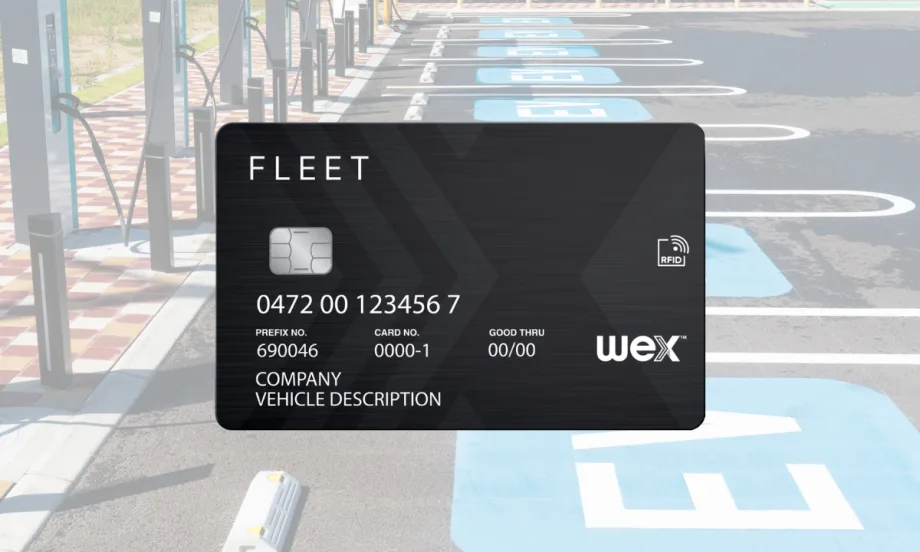
WEX introduced an updated fleet card with built-in EV charging payments, allowing fleets to pay for fuel and public charging through a single card and account.
Credit: Work Truck | WEX
2 min to read
WEX introduced an updated version of its WEX Fleet Card that adds EV payment capabilities, allowing fleets to pay for both traditional fuel and public EV charging with a single card tied to a single account and a single invoice.
The company says the card is built for fleets operating a mix of gas/diesel vehicles, hybrids, and EVs, where payment processes can quickly become fragmented across multiple cards, apps, and reconciliation workflows.
With the update, WEX says drivers can use the card at more than 175,000 WEX-accepting public charging ports, and it will continue to work across the company’s existing fuel network, including at more than 90% of U.S. gas stations that accept WEX cards.
Fleet Payment Consolidation for Fuel and Public EV Charging
As electrification rolls into real-world fleet operations, WEX aims to reduce the administrative burden that comes with mixed-energy fleets. The company positions the EV-enabled fleet card as a way to streamline payment data and reduce back-office complexity while keeping the driver experience simple.
WEX also says fleet managers maintain unified reporting, purchase controls through the DriverDash app, and a single credit line that covers both fueling and charging transaction data.
“Fleets don’t want more cards, more systems, or more reconciliation,” said Carlos Carriedo, chief operating officer, Americas Payments & Mobility. “Our customers want one solution that works everywhere, and that’s exactly what we’re delivering with EV payments built directly into this new WEX Fleet card. It’s simplicity at scale for mixed-energy operations.”
How Does the RFID 'Tap-to-Charge' Fleet Card Work for EV Charging?
WEX says the upgraded card includes RFID technology built into the standard WEX Fleet Card, so drivers can activate and pay for charging sessions without a separate EV charging card.
The company also notes this approach is built on its closed-loop fleet network rather than open-loop, general-purpose payment networks, which it says supports stronger transaction controls, security, and more detailed fleet data.
Key features:
One card, one account, one invoice for fuel and public charging
Embedded tap-to-charge capability through RFID
Consolidated reporting and existing purchase controls for fleet managers
EV charging functionality can be enabled immediately or added during renewal
WEX noted the card is part of its broader effort to simplify fleet operations as more organizations manage EVs alongside internal combustion vehicles, without overhauling current fueling workflows.
More Fuel

The Smart Way to Build a Mixed-Energy Fleet Isn’t About Picking a Side
Mixed-energy fleets aren’t about picking a winning fuel. Sarah Booth of WEX explains how vehicle data, duty cycles, charging strategy, and real-world costs can help fleets choose the right energy source for each job.
Read More →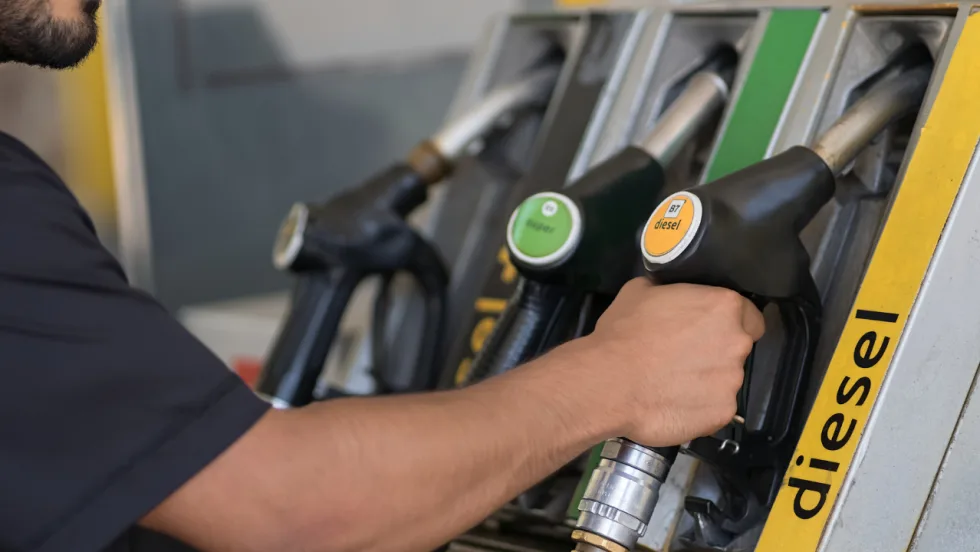
Ignoring This Dashboard Warning Could Cost Your Fleet Thousands in Fuel
New research suggests neglected diesel aftertreatment systems could waste up to $30 in fuel per vehicle each day. Here's why vocational fleets should pay attention.
Read More →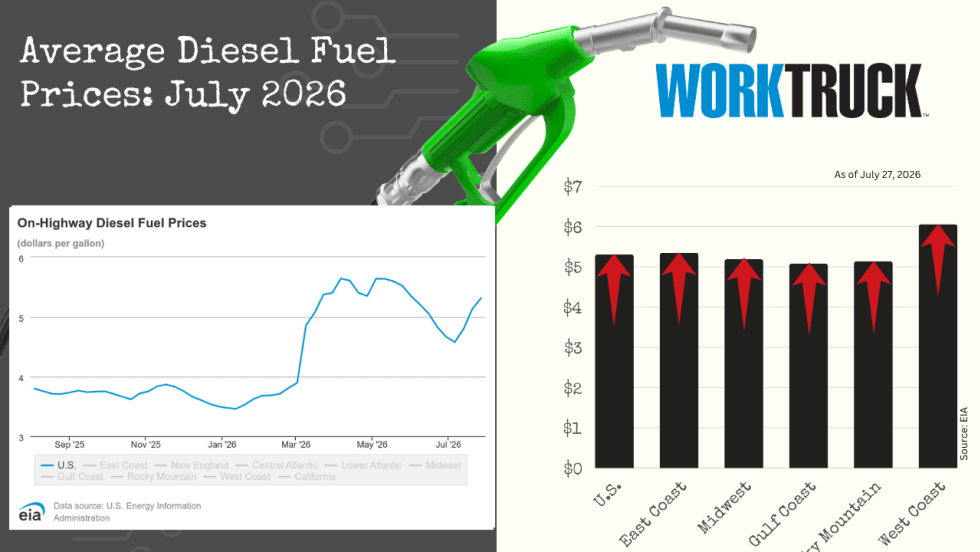
July Diesel Trends Update
The average price of a gallon of diesel increased again this week, and the EIA reported a new national average of $5.31 at the start of the week.
Read More →
WEX Brings Standard Fleet's Connected Vehicle Platform to Fleet Customers
This week’s product launch with Standard Fleet’s connected vehicle platform reflects WEX Venture Capital's strategy of turning startup innovation into customer solutions. Standard Fleet is now available to WEX fleet customers.
Read More →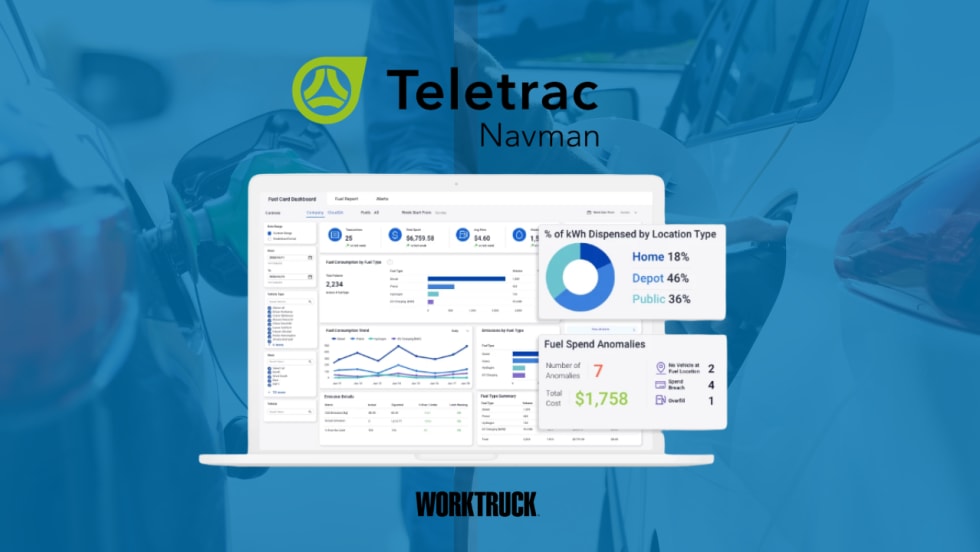
Teletrac Navman Adds Mixed-Energy Fleet Tools to TN360
The new Energy Hub combines fuel transactions, EV charging data, vehicle range, and energy costs in one dashboard for fleets operating multiple vehicle and energy types.
Read More →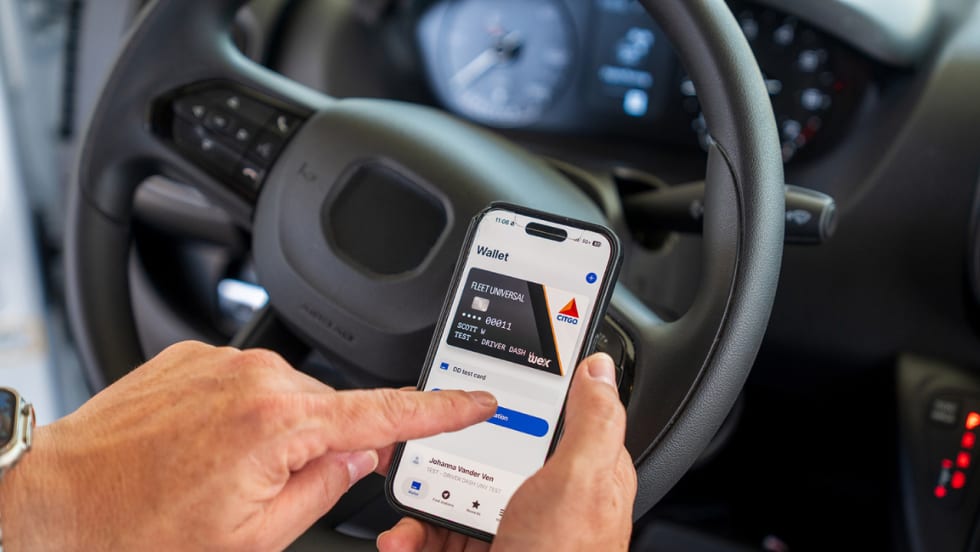
WEX DriverDash adds CITGO, Expands Nationwide Access for Fleets
The DriverDash mobile payment app, by WEX, has been integrated into the CITGO merchant network, which means WEX has expanded its U.S. station footprint with the addition of approximately 4,000 CITGO locations.
Read More →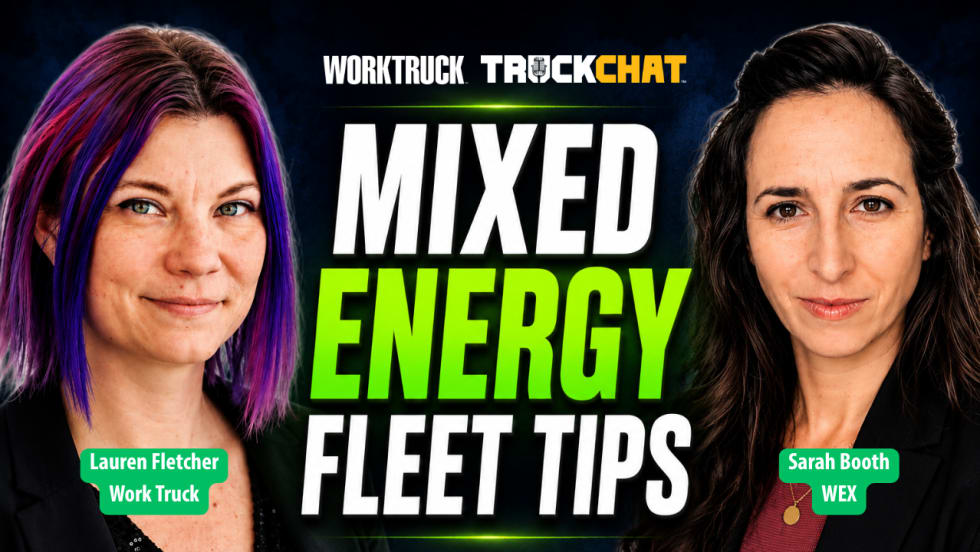
Mixed Energy Fleet Tips for Balancing EVs, Gas and Diesel Vehicles
Mixed energy fleets are becoming the new normal. Learn how fleet managers are balancing EVs, gas and diesel vehicles while controlling costs and planning for the future.
Read More →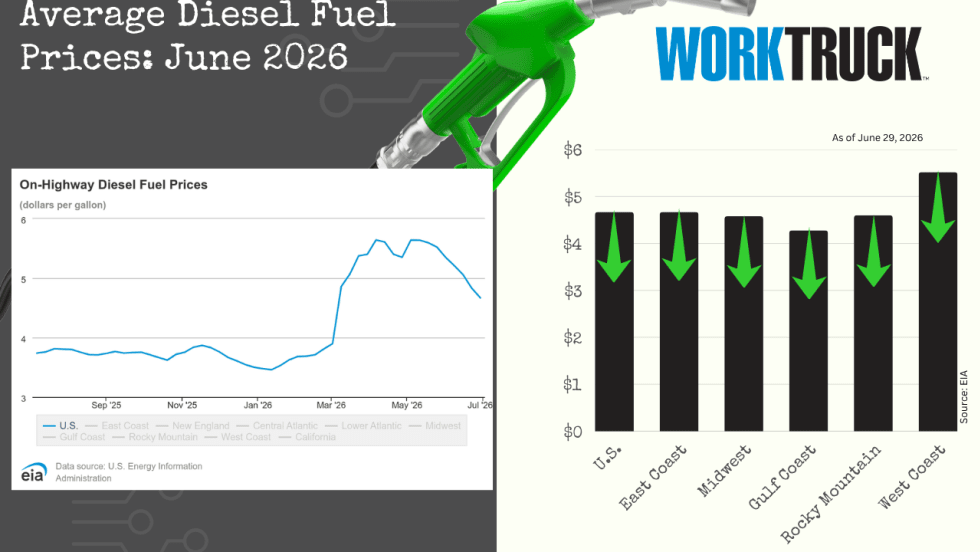
June Diesel Trends Update
The national average price of a gallon of diesel has dropped again, this week by more than 16 cents. All five regions reported lower average prices, ranging from almost 13 cents to more than 28 cents cheaper than a week ago.
Read More →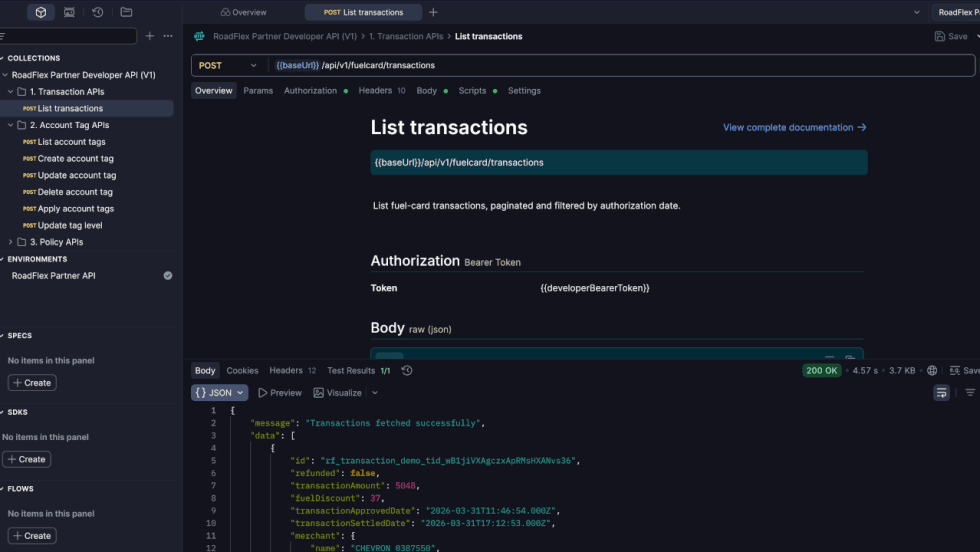
RoadFlex Launches RoadFlex Direct Open API Platform
RoadFlex Direct connects fuel cards, controls, and data to the telematics and fleet management systems fleets already run, from Geotab and Samsara to Fleetio and RTA, with no separate dashboard or double data entry.
Read More →
The Key to Fuel Efficiency Sits in the Cab
Learn how driver behavior, telematics, coaching, and fuel data can help fleets improve fuel efficiency, lower costs, and reduce emissions.
Read More →