




Data Became the Backbone of Fleet Decisions in 2025 [Part 2]
From telematics to AI, data became the engine behind every fleet decision in 2025. Here’s how fleets used it to stay ahead.


Fleets in 2025 turned data into action, shifting from simply watching dashboards to actively managing uptime, safety, and daily operations.
Photo: Work Truck
If there was one thing work truck fleets needed in 2025, it was clarity. With costs rising, vehicle lifecycles stretching, and operations scattered across job sites, branches, and regions, fleet managers leaned hard into data to get their arms around what was really happening day to day.
The shift wasn’t subtle. Telematics, analytics, and connected platforms moved from “helpful tools” to the center of how fleets made decisions.
This wasn’t about adding more dashboards. It was about finally getting the right information at the right time to keep trucks productive, safe, and earning their keep.
Fleets Used Data to Move From Watching to Managing
Tim Mundahl, director of fleet consulting at Merchants Fleet, said connected vehicles changed how fleet leaders approached operations.
“With more connected capable vehicles and telematics adoption, more fleet managers are shifting from a ‘fix it when it’s broken’ approach to ‘observe and manage’ based on the data from the vehicle itself. This is leading to reduced unplanned downtime and lower costs overall,” Mundahl explained.
That shift extended into driver behavior. Instead of addressing issues after an incident, many fleets began tracking patterns early, long before a bad habit turned into a claim or an inflated maintenance bill.
“Driver behavior impacts all areas of fleet management; from net depreciation paid to fuel and maintenance costs and, most importantly, safety. Driver behavior data is being evaluated more than ever to identify opportunities for course correction with under-performers,” Mundahl said.
Fleets realized they could coach smarter, not harder, and see measurable improvements.
Telematics Became a Full Decision Engine
Ian Hucker, vice president of GM Envolve, saw more fleets rely on telematics data through OnStar.
“Fleet managers increasingly embraced connected vehicle systems like OnStar to help optimize uptime, safety, and efficiency. Real-time diagnostics, predictive maintenance, and route optimization became indispensable tools for drivers and fleet managers,” Hucker said. He noted a more than 50% increase in paid OnStar fleet subscriptions over last year.
Camera systems like OnStar DualCam also shifted how safety programs were run. Instead of relying on second-hand information, fleets now had a direct line to what happened both inside and outside the cab.
Hucker said camera tools “help reduce insurance fraud, bolster driver accountability, and provide the data foundation for driver coaching and risk reduction.”
Security got smarter, too. GM introduced Drive Block, allowing fleets to remotely disable a vehicle if it’s being used without authorization. Data didn’t just improve operations. It actively protected assets.
Enterprise Fleet Management saw a similar shift toward cleaner, more accessible insights. Lisonbee said fleet managers increasingly expect a seamless experience across mixed-OEM fleets, not a patchwork of disconnected data sources.
“Fleet managers need easy access to data and insights across their entire fleet,” he said. “Having holistic visibility gives them the flexibility to use the right vehicles for their business and maximize value.”
Cross-Platform Visibility Became an Expectation
Brian Fournier, Americas senior vice president and general manager of fleet and mobility at WEX, said fleets want their data to work together, finally.
“Fleets are seeking smarter, more connected ways to merge their data, from fuel transactions and telematics to HR, finance, and fraud prevention. They want these systems to communicate seamlessly in real time, enabling better decisions and fewer inefficiencies,” Fournier said.
On the internal operational side, Fleetio heard that same frustration. Many operators struggled with inconsistent branch reporting and too many manual workarounds.
"In 2025, operators highlighted the expanding need for cross-site visibility. Fleet managers are pursuing a real-time understanding of where vehicles and equipment are located, ensuring optimal utilization, and how service costs should be allocated between regions or locations,” Kevin Chan, director of product marketing for Fleetio, reported.
Those gaps led to missed warranty opportunities, inconsistent inspections, slipped PM schedules, misallocated technician time, and unnecessary downtime.
Raj Udeshi, director of product marketing at FASTER Asset Solutions, said fleets pushed harder for transparency across departments.
“Fleet leaders wanted tools that would give leadership, finance, and operations a clear view of fleet performance. Transparency wasn’t just about compliance. It was about building organizational alignment,” Udeshi said.
And today, fleets are looking for the purpose behind the tool.
“After years of experimentation, fleets shifted from chasing shiny objects to using AI in targeted, purposeful ways,” said Rajesh Rudraradhya, chief technology officer at Lytx. He added that responsible AI had become a priority, with more conversations about bias, accuracy, and explainability.
“Fleets didn’t just want more data. They wanted to understand why AI surfaced a decision and how it directly improved uptime, safety, and operational efficiency,” he said.
Yard, Warehouse, and Job Site Operations Caught Up
Matt Yearling, CEO of YMX Logistics, said the yard finally became a strategic focus instead of a forgotten cost center. Predictive analytics helped operators avoid congestion before it occurred, while safety tech and AI-driven cameras improved accountability and reduced incidents.
“The yard shifted from reactive improvisation to proactive orchestration,” Yearling said.
This mattered because yard slowdowns had ripple effects across the entire supply chain. Fleets needed better visibility, not just inside the truck but across the full workflow.

AI tools helped fleets connect their systems, streamline decisions, and finally bring clarity across vehicles, drivers, and job sites.
Photo: Work Truck
AI Adoption Jumped Forward
Abby Griffith, senior product manager at Trimble, said the industry experienced a major mindset shift in 2025. Instead of leaning on manual processes or “the way we’ve always done it,” companies finally opened the door to AI-backed tools.
“Now, due to the widespread availability and adoption of AI solutions, companies are looking for technology solutions first and are more willing to change their processes than they have been in the past. We’re seeing less ‘this is how we do things’ and more willingness to work with us to find the optimal solution,” Griffith said.
That mindset helped fleets speed up tasks, cut administrative burden, and reduce errors. It also enabled them to trust cloud-based tools more, as long as data security stayed strong.
Griffith said companies now expect partners to maintain “robust data security” as more functions move off-premises and into cloud environments.
Telematics Helped Turn Maintenance Data into Cost Control
Diana Holland, managing director at Cavis, said fleets in 2025 used telematics data far more intentionally to fight inflationary costs.
“Fleets were no longer looking at telematics just to see where a vehicle was,” Holland said. “They were digging into the maintenance patterns behind that data to understand what was really driving repairs, downtime, and unexpected costs.”
She said more fleets were focusing on the specific behaviors and conditions that trigger maintenance events, so they could prioritize the right assets, adjust PM intervals, and sharpen replacement decisions. By pairing telematics with maintenance history and cost trends, fleets were able to stretch the life of their work trucks without sacrificing reliability or safety.
Fleet Managers Used Data to Rightsize and Redeploy
Utilization data got sharper, too. That meant fleets could finally call out where excess assets were sitting and collecting dust, or where overworked trucks needed relief.
Mundahl said fleet managers have been holding operating groups accountable for spare or underutilized vehicles. Eliminating that waste helped improve TCO without a single new purchase.
Work Truck Solutions also saw fleets lean into market data to ensure the right vehicles were available at the right time. Accurate insight helped prevent overbuying, under-ordering, and mismatched specs.
Safety Programs Became Data-Centered
The biggest shift? Data started steering safety decisions rather than reacting to incidents after they happened.
Dashcams, in-cab alerts, and AI-driven coaching became standard tools. Fleetio said fleets moved these programs from pilots into full budget allocations because they delivered consistent, measurable results.
These safety systems became intertwined with telematics, driver scorecards, and coaching strategies. Companies finally had a clear view of driver behavior, rather than guessing.
Data Isn’t Just Information Now. It’s the Operating System.
Every trend in this section points to the same thing. The fleets that made the most progress in 2025 weren’t the ones with the newest trucks or the biggest budgets. They were the ones who embraced data as the backbone of their operation.
Data is no longer a “feature.” It’s how fleets decide, plan, protect, coach, and run.
And heading into 2026, the fleets that lean into connected tools, predictive insights, cross-site visibility, and AI support will be the ones that stay ahead of rising costs, labor shortages, and operational complexity.
Explore the Full 2025 Work Truck Trends Series
This piece is one chapter in a much bigger story. Catch up on the rest:
- Part 1: How Rising Costs Reshaped Work Truck Fleets: a year of tight margins, deeper scrutiny, and smarter cost control.
- Part 3: Maintenance and Uptime Took Center Stage: fleets leaned on predictive tools and mobile service to keep trucks working.
- Part 4: Safety, Security, and Risk Became Non-Negotiable: fraud, weather, and rising insurance turned safety into a business strategy.
- Part 5: Energy Strategies Shifted as Fleets Rebalanced Options: hybrids climbed, EV planning matured, and propane autogas gained traction.
- Part 6: Workforce Pressures Forced New Approaches: fleets rethought coaching, culture, and tech support to keep people engaged.
- Part 7: Vehicle Availability and Market Shifts Shaped Decisions: market imbalances made timing, specs, and forecasting more important than ever.
More Technology & AI
GeoFencing Adds to Your Truck Security Arsenal
Geofencing is a familiar fleet tool today, but its early adoption marked a major shift in vehicle tracking, route monitoring, and the debate over employee privacy.
Read More →
Geotab Data Shows Regional Trucking Growing Faster as Last Mile Routes Get Denser
Geotab's first U.S. supply chain report finds stable long-haul activity, stronger regional freight movement, tighter hub-and-spoke utilization, and more last-mile trips on shorter routes.
Read More →
When Fleet Technology Helps and When It Just Adds Complexity
New technology can help fleets work smarter, but only if it solves the right problem. Lauren Fletcher talks with AP Fleet’s Alex Coveney about innovation, AI, data, and knowing when a new solution is actually worth adopting.
Read More →From Our Partners
Basic Tracking vs Next Generation Fleet Technology
Sponsored by AT&T Business
5 Facts Every Fleet Manager Should Know About Embedded Telematics
Sponsored by Stellantis/Mobilisights
How AI Video Telematics Boosts Driver Safety and Helps to Avoid Unnecessary Costs
Sponsored by Verizon Connect

Charting the 8 Bottom-Line Benefits of Workforce Optimization
Sponsored by Verizon Connect

Volvo Trucks’ 'Lock and Leave' Software Updates Go Live Across North America
Unattended over-the-air software updates are now available in Volvo trucks across the U.S. and Canada. The new capability lets trucks stay current with the latest software without interrupting operations or requiring a dealership visit.
Read More →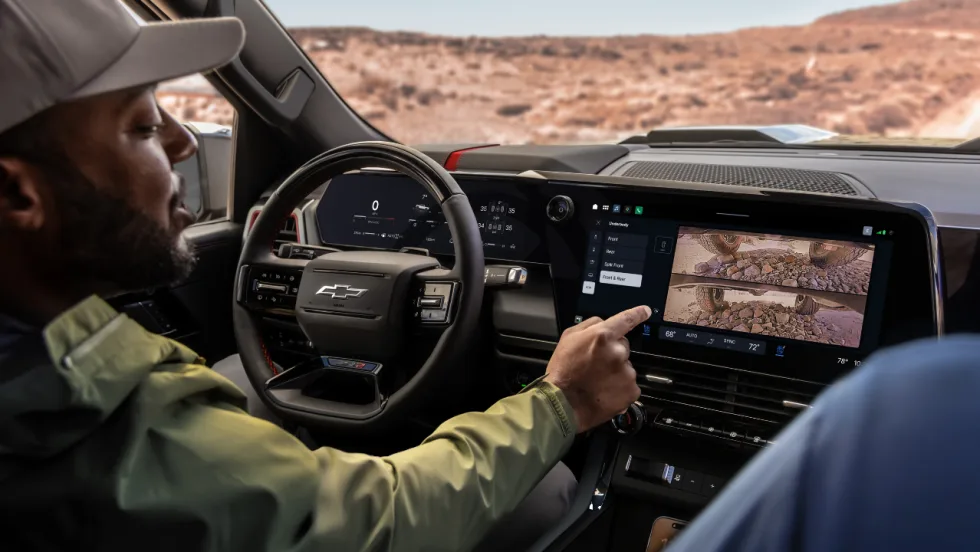
GM Brings New Truck Focused Interface to 2027 Silverado and Sierra
GM's new pickup interface puts trailering data, camera views, vehicle controls, and smartphone integration closer to the driver in the 2027 Silverado and Sierra.
Read More →
Samsara Driver Perks Expands Rewards Beyond the Long Haul Driver
Samsara’s new driver rewards program was built with a broader professional driver in mind, including employees who split their day between driving, job sites, service calls, and other work.
Read More →
AI Service Advisor Aims to Cut Fleet Repair Downtime
Fleetio said its AI Service Advisor can help fleets cut repair downtime by an average of 2.5 hours per repair while reducing manual maintenance work.
Read More →
Verra Mobility Launches AI-Driven Title & Registration Solution
Verra Mobility has launched a new AI-driven Title & Registration platform to help fleets move vehicles from acquisition to the road the same day while reducing compliance risk.
Read More →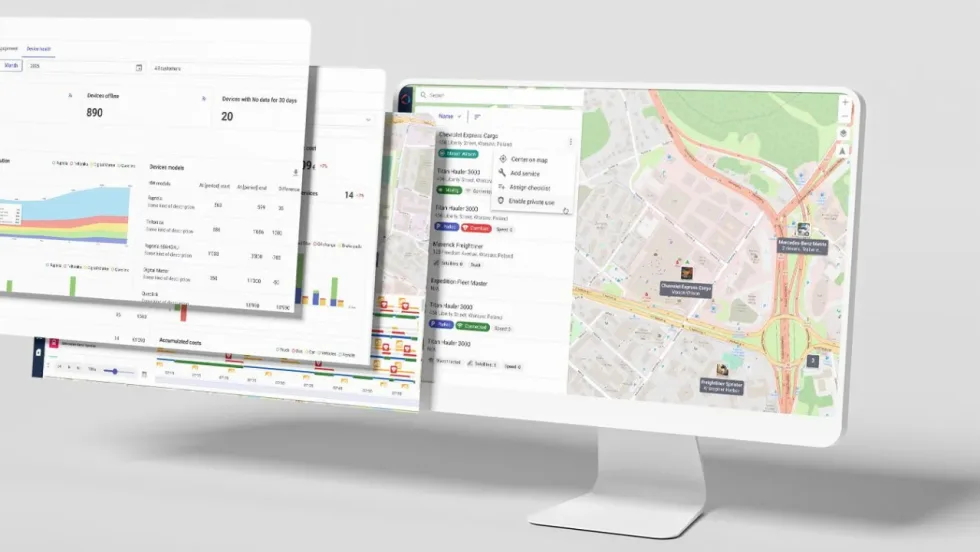
Wialon Unlocks OEM Data to Give Fleet Owners Data Ownership & Operational Clarity
Wialon has introduced hardware-free OEM integration as the EU Data Act accelerates the shift in vehicle data access across the fleet industry in many countries.
Read More →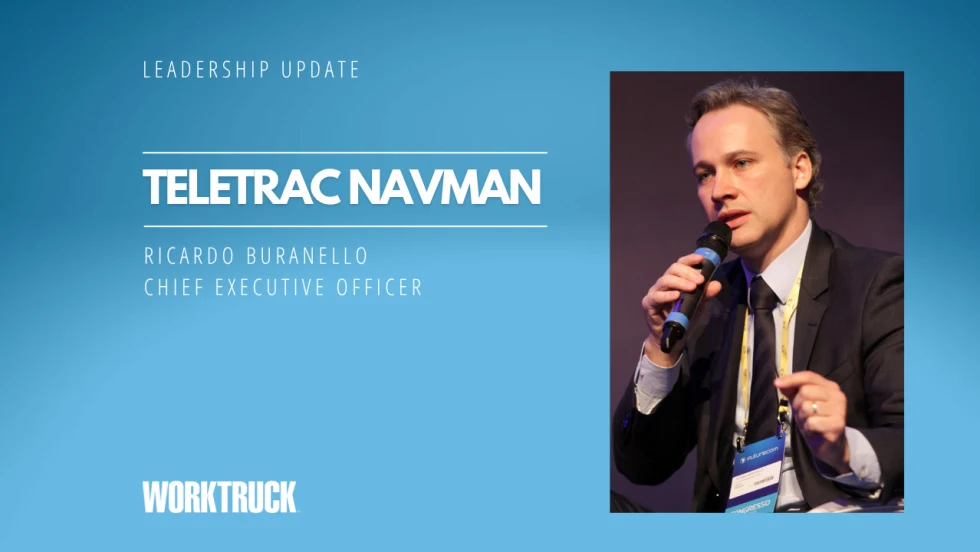
Teletrac Navman Promotes New CEO from Within
Teletrac Navman’s next CEO, Ricardo Buranello, has served as the company’s chief financial and operating officer. He brings deep financial and operational expertise, a strong strategic orientation, and an intimate knowledge of the business to his new role.
Read More →