The Data of Fleet Fuel Cards and Their Role in Operational Efficiency
Uncover how fleet fuel cards provide more than just fuel savings—they can transform your entire fleet operation with data-driven insights that drive efficiency and reduce costs.
by Jim Perkins, Shell Fleet Solutions US
January 16, 2025
Fleet managers can track real-time fuel data to optimize consumption and cut costs across their fleets.
Photo: Shell Fleet Solutions US
3 min to read
Do not underestimate the transformative power of data in fleet management.
Ad Loading...
Data isn't just an administrative fleet management tool, but a strategic asset that can drive operations on and off the road. Work truck fleet managers can make informed decisions that help optimize mileage, reduce fuel costs, and enhance overall efficiency by automating the capture and analysis of data.
Ad Loading...
As technology continues to evolve, the potential for data-driven fleet operations will continue to grow. Emerging solutions such as artificial intelligence, machine learning, and telematics are already revolutionizing the industry, providing even deeper insights and more sophisticated tools to quantify how fleets work. Integrating new technologies will continue to enhance the ability to manage commercial and work truck fleets effectively in today's competitive landscape.
However, with so many new options coming online, it's easy to overlook one of the most valuable and easy-to-use tools already available to fleet managers: the fleet fuel card. Widely used across the industry, fleet fuel card programs provide a wealth of information that goes beyond simple fuel costs.
Here are some key solutions that fleet fuel cards offer:
Real-Time Transaction Data: Fleet fuel cards capture real-time data on fuel purchases, providing detailed information on spending across fleets and drivers. This data allows managers to monitor fuel consumption patterns and identify areas for improvement.
Purchase Controls: Managers can set spending limits and control purchases. This feature helps prevent fuel fraud – sometimes hidden in unattended spending habits – ensuring that fuel budgets are being followed.
Simplified Accounting: Fleet fuel cards integrate seamlessly with most accounting and bookkeeping software, streamlining the reconciliation process and reducing administrative burden.
Fuel Use Trends: Fleet managers can track fuel use habits and vehicle performance by analyzing transaction data. This is crucial for making data-driven decisions that can help enhance fleet efficiency.
Tracking Savings: Most fleet fuel cards come with notable rebates on fuel. Managers can track savings over time, providing a clear picture of cost reduction achieved through both these savings and effective fuel management practices.
Reporting and Analytics: Advanced reporting features and data analytics allow businesses to identify fuel-saving strategies that can help lead to significant cost savings and operational improvements.
Advanced reporting features of fuel cards help streamline accounting and identify new savings opportunities.
Photo: Shell Fleet Solutions US
How Fleet Fuel Cards Can Improve Cost Control and Accountability
How do we apply the numbers after they are gathered? Work truck fleet operators should consider these scenarios:
Ad Loading...
Optimizing Routes: Identify the best vehicle routes by analyzing GPS data and fuel consumption patterns. This helps reduce fuel costs but also aids in minimizing wear and tear on vehicles, which can help extend their lifespan.
Improving Driver Behavior: Fleet managers can track data to create driver-specific reports or compare vehicle fuel usage. They can set purchase controls to cut down on unauthorized spending and spot drivers who use more fuel than others, possibly highlighting a need for driver training.
Preventive Maintenance: Fleet data can help managers schedule preventive maintenance based on actual vehicle usage rather than fixed intervals. This proactive approach ensures that vehicles are serviced when needed, helping to maximize fuel mileage and reducing the risk of breakdowns and costly repairs.
The data produced by fleet management tools can help drive significant improvements in costs and overall performance. By leveraging them and the advanced analytics they provide, fleet managers and drivers alike gain valuable learnings across assets – often without the additional headache that comes from manual pen-and-paper operations.
Fleet fuel cards are a powerful advantage, helping work truck teams streamline expenses and focus on achieving their goals.
About the Author: Jim Perkins is Director of Shell Fleet Solutions USA. He has worked for a variety of Shell businesses during his 30-year career. Before joining the Shell Fleet Solutions team in 2014, he spent much of his career with Shell Mobility and Jiffy Lube. This article was authored and edited according to Work Truck editorial standards and style. Opinions expressed may not reflect that of WT.
Mixed-energy fleets aren’t about picking a winning fuel. Sarah Booth of WEX explains how vehicle data, duty cycles, charging strategy, and real-world costs can help fleets choose the right energy source for each job.
New research suggests neglected diesel aftertreatment systems could waste up to $30 in fuel per vehicle each day. Here's why vocational fleets should pay attention.
This week’s product launch with Standard Fleet’s connected vehicle platform reflects WEX Venture Capital's strategy of turning startup innovation into customer solutions. Standard Fleet is now available to WEX fleet customers.
The new Energy Hub combines fuel transactions, EV charging data, vehicle range, and energy costs in one dashboard for fleets operating multiple vehicle and energy types.
The DriverDash mobile payment app, by WEX, has been integrated into the CITGO merchant network, which means WEX has expanded its U.S. station footprint with the addition of approximately 4,000 CITGO locations.
Mixed energy fleets are becoming the new normal. Learn how fleet managers are balancing EVs, gas and diesel vehicles while controlling costs and planning for the future.
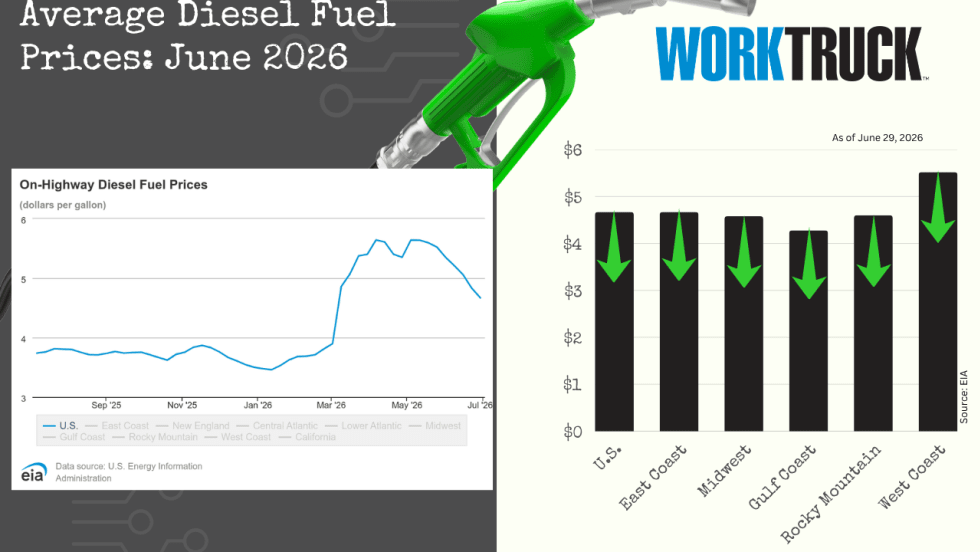
The national average price of a gallon of diesel has dropped again, this week by more than 16 cents. All five regions reported lower average prices, ranging from almost 13 cents to more than 28 cents cheaper than a week ago.
RoadFlex Direct connects fuel cards, controls, and data to the telematics and fleet management systems fleets already run, from Geotab and Samsara to Fleetio and RTA, with no separate dashboard or double data entry.