




What World Cup Traffic Data Reveals About Commercial Vehicle Safety and Congestion
Geotab tracked commercial vehicle movement throughout all 104 World Cup matches, finding increased activity, slower speeds, and a sharp rise in harsh braking after games.


Geotab’s World Cup commercial vehicle analysis ranked host cities based on congestion, idling, safety, and transportation resilience around stadiums. Seattle made one of the biggest gains, climbing nine spots to fourth overall, while Kansas City finished third.
Geotab | Work Truck
Major sporting events do more than pack stadiums. They can also change how commercial vehicles move through a city, particularly in the hours after the crowds start heading home.
Geotab tracked commercial vehicle activity around World Cup stadiums throughout the tournament to measure how host cities handled the additional traffic generated by all 104 matches. Its final analysis found the greatest disruption occurred within a 5-kilometer radius of stadiums in the hours following the final whistle.
Commercial vehicle activity near venues increased by nearly 20% after matches, according to Geotab. At the same time, average vehicle speeds dropped and harsh braking events increased 42%.
For work truck fleets operating in and around major events, those changes highlight how quickly normal operating conditions can shift when thousands of vehicles and pedestrians enter the road network at roughly the same time.
Tracking Commercial Vehicles Around World Cup Stadiums
Before the tournament began, Geotab analyzed how host cities might handle increased traffic based on their performance during comparable large-scale events. The company then measured actual traffic patterns throughout the World Cup to compare those expectations with real-world results.
Geotab's broader host-city methodology evaluates congestion, idle time, safety, and network resilience. Measurements are taken within both a 5-kilometer stadium zone and a 20-kilometer metro zone, with conditions closest to the stadium receiving greater weight.
The safety component incorporates speeding, harsh acceleration, and harsh braking. Geotab's Altitude platform uses anonymized and aggregated commercial vehicle telematics data, including GPS traces, speed readings, acceleration events, and idle-time records.
The comparison between pre-tournament expectations and actual match-day performance also produced some significant changes among host cities:
- Seattle climbed from 13th place in the initial ranking to fourth after the tournament.
- Atlanta moved from 12th to sixth.
- Kansas City improved two positions to finish third.
Those shifts demonstrate why historical congestion levels alone may not tell fleets how a city will perform when a major event changes normal travel patterns.
What Major Events Can Mean for Work Truck Fleets
The post-match results may be particularly relevant for vocational fleets that cannot simply avoid busy areas. Service trucks, utility vehicles, construction fleets, delivery operations, and other commercial vehicles may still need to reach customers or jobsites while an event is underway.
The nearly 20% increase in commercial vehicle activity suggests fleets may also be sharing already-congested roads with more work-related traffic than usual. Combined with lower average speeds and a 42% increase in harsh braking, the findings show how the period immediately following an event can create a markedly different driving environment.
Geotab's analysis found that those effects were most pronounced close to the venues and after matches ended, giving fleets another data point to consider when planning routes, dispatch windows, and driver expectations around large events.
The company's host-city analysis was produced independently and is not affiliated with or endorsed by FIFA or other tournament organizing bodies.
Geotab has also used its commercial vehicle data to study how drivers respond to other large-scale events and disruptions. Following a major power blackout across several European countries, the company found harsh acceleration events dropped 19%, with other driving data also pointing to a greater focus on safety during the outage.
More Technology & AI
Geotab Data Shows Regional Trucking Growing Faster as Last Mile Routes Get Denser
Geotab's first U.S. supply chain report finds stable long-haul activity, stronger regional freight movement, tighter hub-and-spoke utilization, and more last-mile trips on shorter routes.
Read More →
When Fleet Technology Helps and When It Just Adds Complexity
New technology can help fleets work smarter, but only if it solves the right problem. Lauren Fletcher talks with AP Fleet’s Alex Coveney about innovation, AI, data, and knowing when a new solution is actually worth adopting.
Read More →
Volvo Trucks’ 'Lock and Leave' Software Updates Go Live Across North America
Unattended over-the-air software updates are now available in Volvo trucks across the U.S. and Canada. The new capability lets trucks stay current with the latest software without interrupting operations or requiring a dealership visit.
Read More →From Our Partners
Basic Tracking vs Next Generation Fleet Technology
Sponsored by AT&T Business
5 Facts Every Fleet Manager Should Know About Embedded Telematics
Sponsored by Stellantis/Mobilisights
How AI Video Telematics Boosts Driver Safety and Helps to Avoid Unnecessary Costs
Sponsored by Verizon Connect
Charting the 8 Bottom-Line Benefits of Workforce Optimization
Sponsored by Verizon Connect

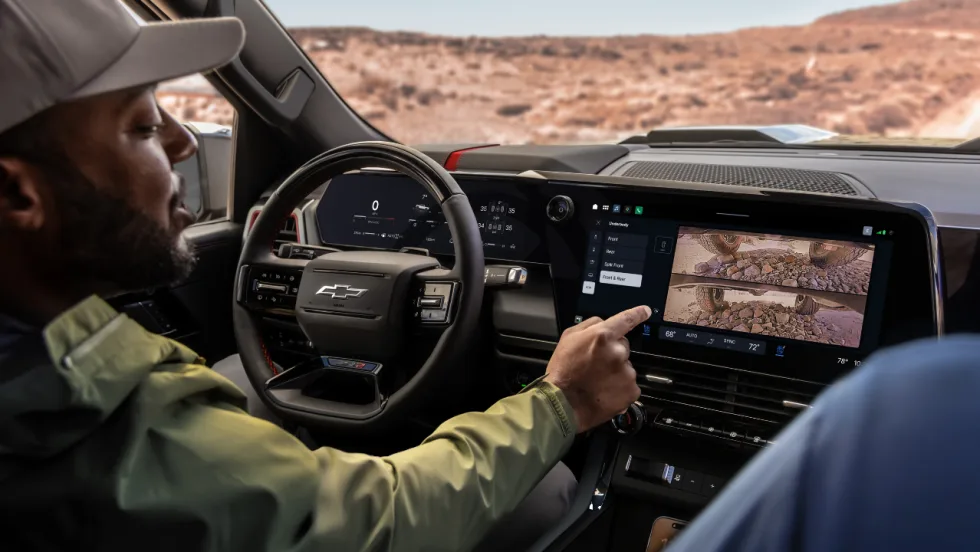
GM Brings New Truck Focused Interface to 2027 Silverado and Sierra
GM's new pickup interface puts trailering data, camera views, vehicle controls, and smartphone integration closer to the driver in the 2027 Silverado and Sierra.
Read More →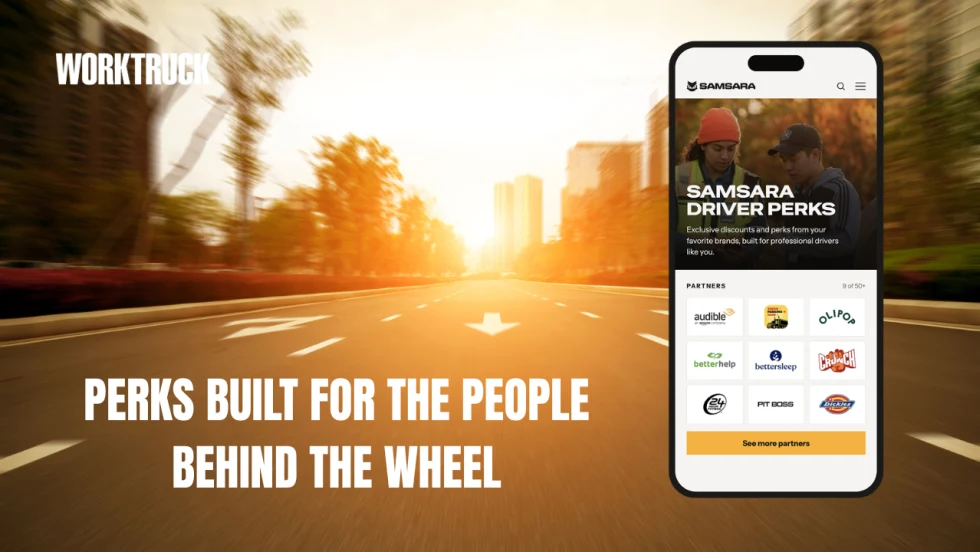
Samsara Driver Perks Expands Rewards Beyond the Long Haul Driver
Samsara’s new driver rewards program was built with a broader professional driver in mind, including employees who split their day between driving, job sites, service calls, and other work.
Read More →
AI Service Advisor Aims to Cut Fleet Repair Downtime
Fleetio said its AI Service Advisor can help fleets cut repair downtime by an average of 2.5 hours per repair while reducing manual maintenance work.
Read More →
Verra Mobility Launches AI-Driven Title & Registration Solution
Verra Mobility has launched a new AI-driven Title & Registration platform to help fleets move vehicles from acquisition to the road the same day while reducing compliance risk.
Read More →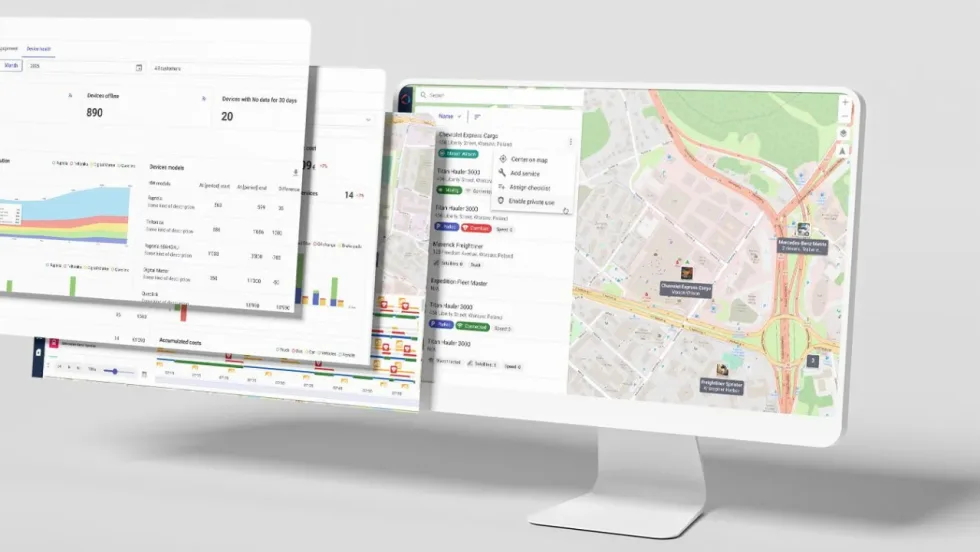
Wialon Unlocks OEM Data to Give Fleet Owners Data Ownership & Operational Clarity
Wialon has introduced hardware-free OEM integration as the EU Data Act accelerates the shift in vehicle data access across the fleet industry in many countries.
Read More →
Teletrac Navman Promotes New CEO from Within
Teletrac Navman’s next CEO, Ricardo Buranello, has served as the company’s chief financial and operating officer. He brings deep financial and operational expertise, a strong strategic orientation, and an intimate knowledge of the business to his new role.
Read More →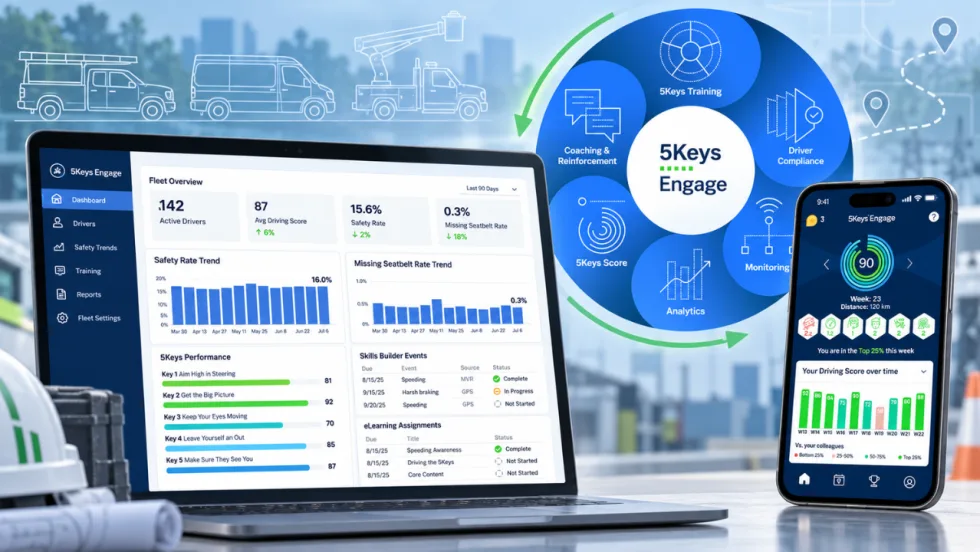
Smith System Wants Work Truck Fleets to Look Beyond the Driver Alert
Smith System’s new Driver Risk Management program is built to help mixed work truck fleets turn telematics alerts and observations into specific behaviors, coaching actions, and measurable follow-up.
Read More →