





Read More: The Good Driver vs. The Safe Driver: What’s the Difference?
Geotab Data Shows Drivers Prioritized Safety During Major European Blackout
After a major power blackout across multiple European countries on Monday, Geotab analyzed driving patterns using data collected by its devices and found harsh accelerations were reduced by 19%. Other data also shows commercial vehicle drivers focused on safety during the outage.
May 1, 2025
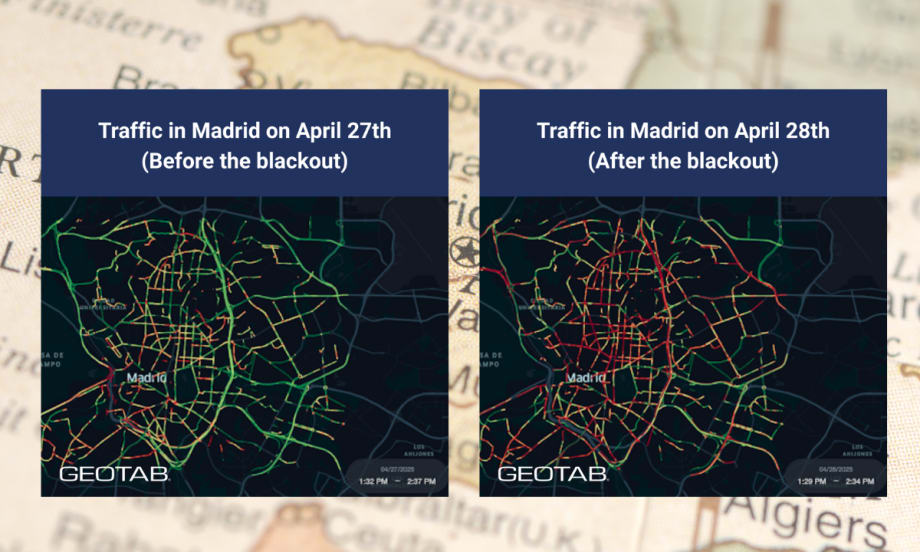
Geotab analyzed data from commercial vehicles during a major blackout that affected all of Spain, Portugal, and the South of France and found that risky driving incidents were reduced during the power outage.
Photo: Geotab/Work Truck
2 min to read
According to an analysis of driving data collected by Geotab and its affiliates, driving incidents with commercial vehicles decreased on April 28 during the blackout that affected all of Spain, Portugal, and the South of France.
What the Geotab Data Reveals
The data, gathered through Geotab’s advanced telematics technology, showed:
Harsh accelerations per vehicle dropped by 19% in the affected areas compared to the previous week.
Harsh braking incidents fell by 13%.
Harsh cornering decreased by 9%.
Geotab said that despite the widespread absence of traffic lights regulating flow on roads, drivers exhibited exemplary behavior throughout the day.
"The data collected by our technology clearly shows how, even in a context as critical as a national blackout, driving behavior can adapt positively. The significant reduction in risky maneuvers, such as acceleration, braking, and sharp turns, is evidence of a responsible response by drivers, who prioritized safety,” said Iván Lequerica, vice president EMEA at Geotab.
Geotab GO Devices Collected Data During Outage
Geotab’s evaluation, focused on three risky driving behaviors - harsh accelerations, harsh braking, and harsh cornering - and revealed a significant decrease in incidents on the day of the power outage compared to the previous week, thanks to the data collected from Geotab GO devices.
When the GO device is out of mobile coverage, data is stored in the device’s internal flash memory. This memory can hold up to 80,000 logs in offline mode when communication is lost or interrupted, roughly equivalent to one month’s worth of data.
Once the vehicle returns to an area with coverage, all stored logs are automatically uploaded to the MyGeotab servers.
“This type of analysis, made possible by our advanced connectivity solutions, demonstrates the value of real-time and offline data to understand and improve road safety, even under extreme conditions,” Lequerica added. “At Geotab, we believe these insights are critical for governments and professional fleets to make informed decisions that drive safer and more resilient mobility.”
Added Data Gathered During Outage
Regarding activity levels, the number of vehicles in circulation remained relatively high and steady until the blackout occurred.
However, starting at 12:30 p.m., the number of active vehicles in the affected areas dropped 46.99%, while the average duration of stops increased.
In relative terms, stop time rose 8.21%, which may indicate that drivers had to remain stationary for longer periods due to congestion and the lack of traffic coordination caused by the power outage.
Geotab said such initiatives enable cities and businesses to make data-driven decisions to promote road safety and sustainability in exceptional situations like the one experienced this Monday.
More Technology
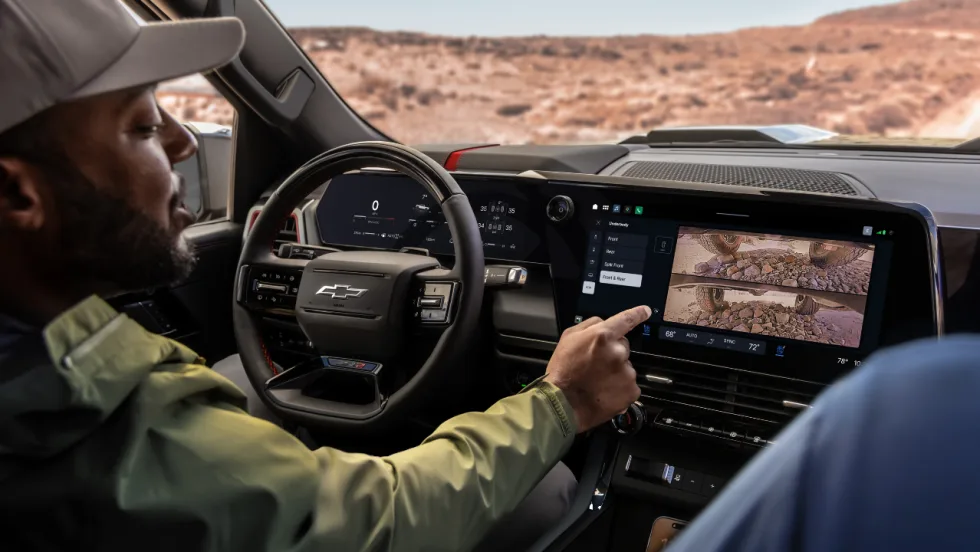
GM Brings New Truck Focused Interface to 2027 Silverado and Sierra
GM's new pickup interface puts trailering data, camera views, vehicle controls, and smartphone integration closer to the driver in the 2027 Silverado and Sierra.
Read More →
Samsara Driver Perks Expands Rewards Beyond the Long Haul Driver
Samsara’s new driver rewards program was built with a broader professional driver in mind, including employees who split their day between driving, job sites, service calls, and other work.
Read More →
AI Service Advisor Aims to Cut Fleet Repair Downtime
Fleetio said its AI Service Advisor can help fleets cut repair downtime by an average of 2.5 hours per repair while reducing manual maintenance work.
Read More →
Verra Mobility Launches AI-Driven Title & Registration Solution
Verra Mobility has launched a new AI-driven Title & Registration platform to help fleets move vehicles from acquisition to the road the same day while reducing compliance risk.
Read More →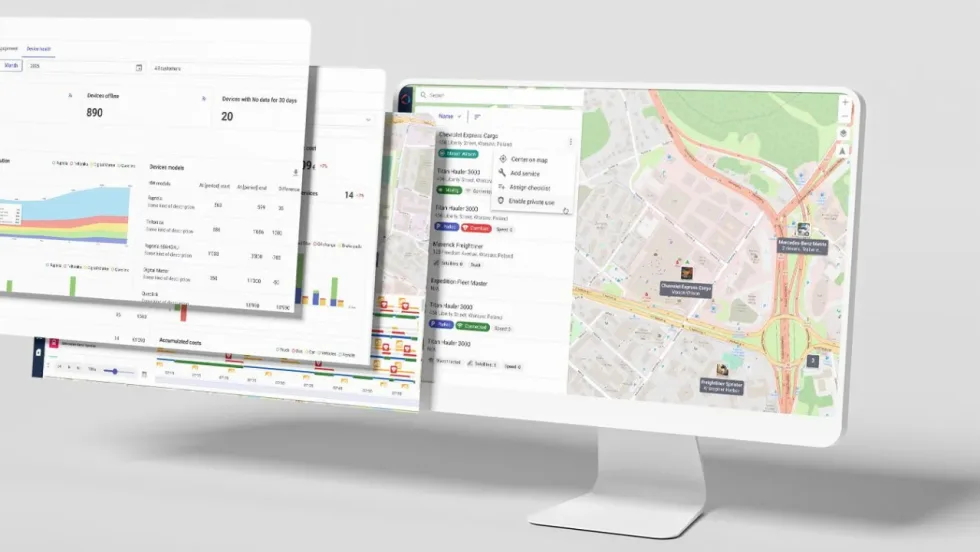
Wialon Unlocks OEM Data to Give Fleet Owners Data Ownership & Operational Clarity
Wialon has introduced hardware-free OEM integration as the EU Data Act accelerates the shift in vehicle data access across the fleet industry in many countries.
Read More →
Teletrac Navman Promotes New CEO from Within
Teletrac Navman’s next CEO, Ricardo Buranello, has served as the company’s chief financial and operating officer. He brings deep financial and operational expertise, a strong strategic orientation, and an intimate knowledge of the business to his new role.
Read More →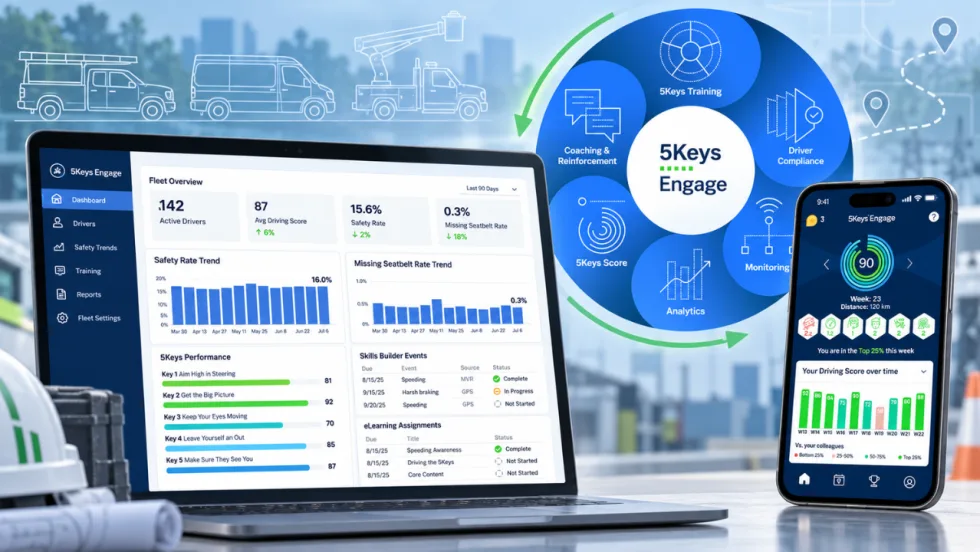
Smith System Wants Work Truck Fleets to Look Beyond the Driver Alert
Smith System’s new Driver Risk Management program is built to help mixed work truck fleets turn telematics alerts and observations into specific behaviors, coaching actions, and measurable follow-up.
Read More →
Ford Pro Software Updates: August 26
Check out the latest Ford Pro software updates, including Google Maps integration, Remote Vehicle Alarm integration, Motor Pool for easier management of shared pool vehicles, and more.
Read More →
Where AI Is Actually Saving Fleet Managers Time
AI is moving past the buzzword stage and into the daily fleet workflow. Fleetio’s Brianna Perry Lang breaks down where fleets are seeing real time savings, from maintenance and data entry to repair decisions, safety, and compliance
Read More →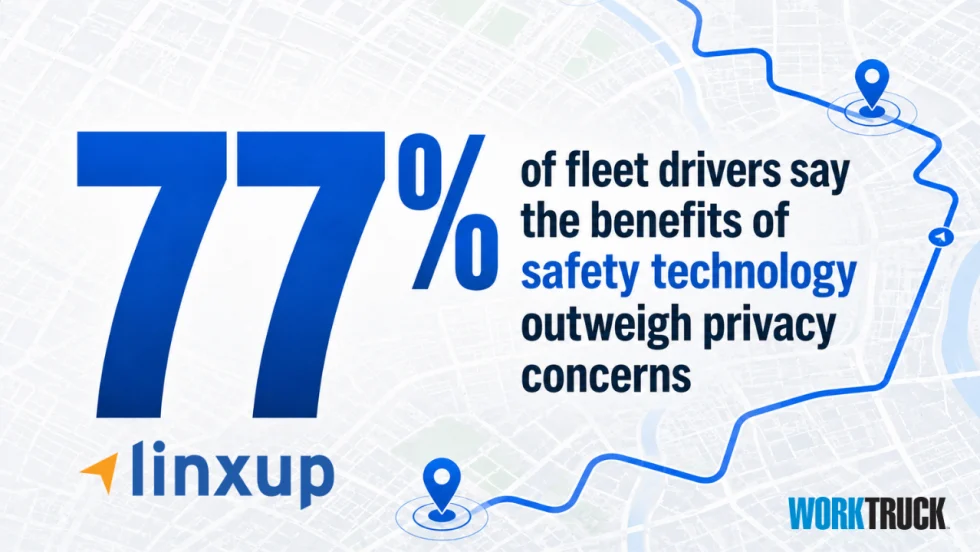
Are Work Truck Drivers Warming Up to Dash Cams and GPS Tracking?
A new survey finds field-service drivers may be more comfortable with dash cams and GPS tracking than fleet managers think, especially when the technology helps protect them after a crash.
Read More →