




PERC to Highlight Propane’s Role in Clean, Resilient Fleets on Earth Day
On Earth Day, the Propane Education & Research Council will be touting the advantages of propane autogas and renewable propane. Ultra-low nitrogen oxide (NOx) propane autogas engines reduce harmful NOx emissions by up to 96%.


As fleet owners seek sustainable energy solutions, propane autogas can deliver up to a 96% reduction in NOx alongside increased reliability.
Photo: PERC/Work Truck
This Earth Day, April 22, the Propane Education & Research Council (PERC) is highlighting propane autogas and renewable propane as key solutions for cutting emissions and delivering reliable energy amid global sustainability efforts.
PERC said propane is a safe, clean, and readily available energy source that produces 52% fewer greenhouse gas emissions than the electric grid. Thus, propane supports both the environment and communities striving for more sustainable, resilient energy.
“Too often the energy conversation turns toward a choice between sustainability and reliability; propane proves that you don’t have to choose,” said Tucker Perkins, president and CEO of PERC. “With extreme weather events on the rise, we need solutions that are as resilient as they are clean. Propane is widely available and rises to the challenge of reducing carbon emissions and keeping our planet clean and our communities up and running.”
In addition to being a low-carbon energy source, propane autogas is nontoxic and does not contaminate soil or water, making it a safe choice for fleets and the communities in which they operate.
Propane Autogas: Reducing NOx Emissions
Today’s ultra-low nitrogen oxide (NOx) propane autogas engines reduce harmful NOx emissions by up to 96% and are certified to the California Air Resources Board’s (CARB) 0.02 grams per brake horsepower-hour (g/bhp-hr) standard.
These engines are even cleaner when they operate with renewable propane.
Made from renewable feedstocks, renewable propane offers the same benefits of conventional propane—power, performance, and reliability—but with even lower emissions.
Renewable propane can be used in any current propane autogas engine or infrastructure without modifications, providing another smart solution along the path to zero emissions.
Energy Security and Resilience for Fleets
Beyond its environmental benefits, propane autogas provides fleet owners with energy security and resilience because it is a portable energy source that can power equipment and be delivered even when the grid is down.
Even after natural disasters like hurricanes, wildfires, blizzards, or blackouts, propane autogas keeps fleets on the road when they’re needed most.
Propane Can Support EV Charging
Propane can also support electric vehicles with propane-powered electric vehicle (EV) charging.
The technology utilizes a self-sufficient nanogrid with a propane-powered generator to provide DC level 3 fast charging. The infrastructure operates independently from the electric grid to keep EV fleets on the road.
“Propane autogas continues to empower fleet owners to meet their sustainability goals while staying resilient and efficient,” said Joel Stutheit, senior manager of autogas business development at PERC. “From slashing emissions and leveraging the latest in renewable technology to helping fleets maintain operational uptime, propane is trusted to keep vehicles on the road well into the future.”
More Fuel

The Smart Way to Build a Mixed-Energy Fleet Isn’t About Picking a Side
Mixed-energy fleets aren’t about picking a winning fuel. Sarah Booth of WEX explains how vehicle data, duty cycles, charging strategy, and real-world costs can help fleets choose the right energy source for each job.
Read More →
Ignoring This Dashboard Warning Could Cost Your Fleet Thousands in Fuel
New research suggests neglected diesel aftertreatment systems could waste up to $30 in fuel per vehicle each day. Here's why vocational fleets should pay attention.
Read More →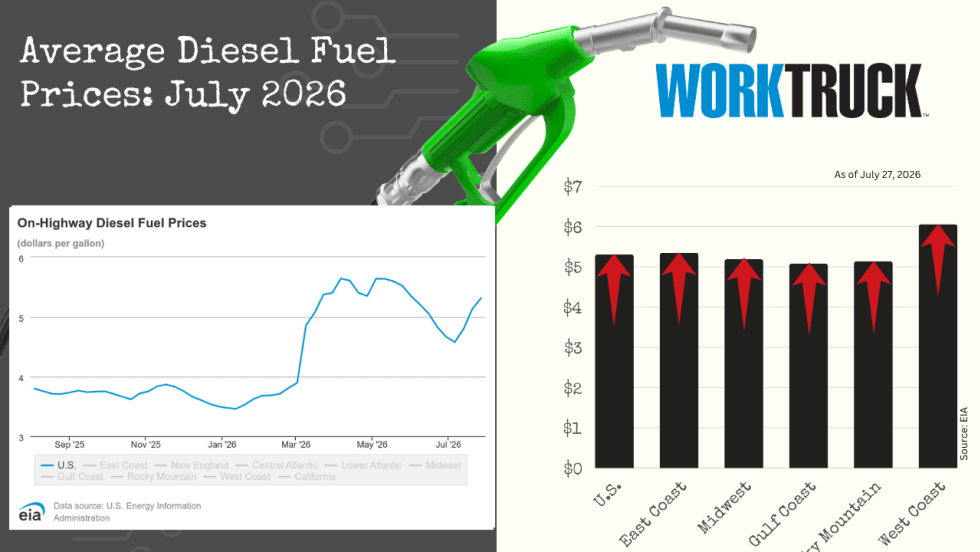
July Diesel Trends Update
The average price of a gallon of diesel increased again this week, and the EIA reported a new national average of $5.31 at the start of the week.
Read More →
WEX Brings Standard Fleet's Connected Vehicle Platform to Fleet Customers
This week’s product launch with Standard Fleet’s connected vehicle platform reflects WEX Venture Capital's strategy of turning startup innovation into customer solutions. Standard Fleet is now available to WEX fleet customers.
Read More →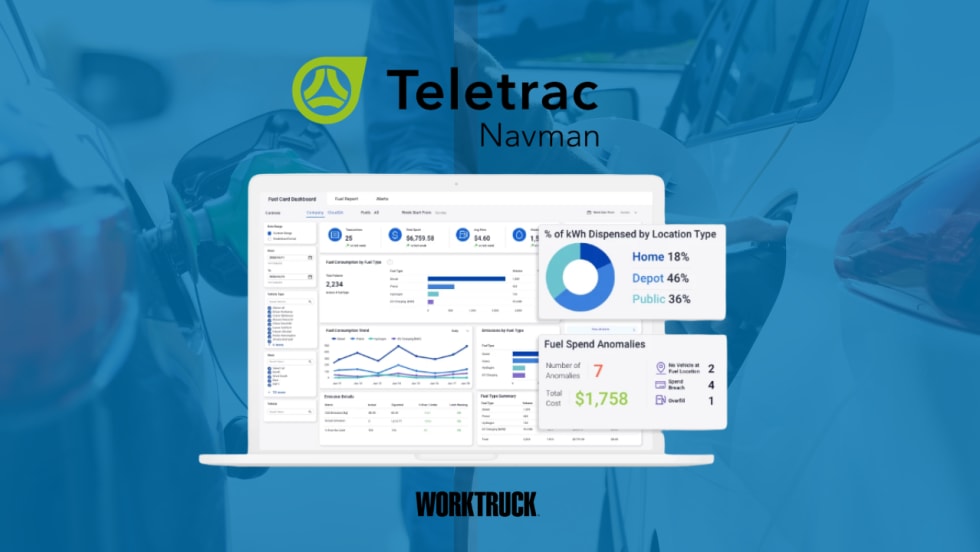
Teletrac Navman Adds Mixed-Energy Fleet Tools to TN360
The new Energy Hub combines fuel transactions, EV charging data, vehicle range, and energy costs in one dashboard for fleets operating multiple vehicle and energy types.
Read More →
WEX DriverDash adds CITGO, Expands Nationwide Access for Fleets
The DriverDash mobile payment app, by WEX, has been integrated into the CITGO merchant network, which means WEX has expanded its U.S. station footprint with the addition of approximately 4,000 CITGO locations.
Read More →
Mixed Energy Fleet Tips for Balancing EVs, Gas and Diesel Vehicles
Mixed energy fleets are becoming the new normal. Learn how fleet managers are balancing EVs, gas and diesel vehicles while controlling costs and planning for the future.
Read More →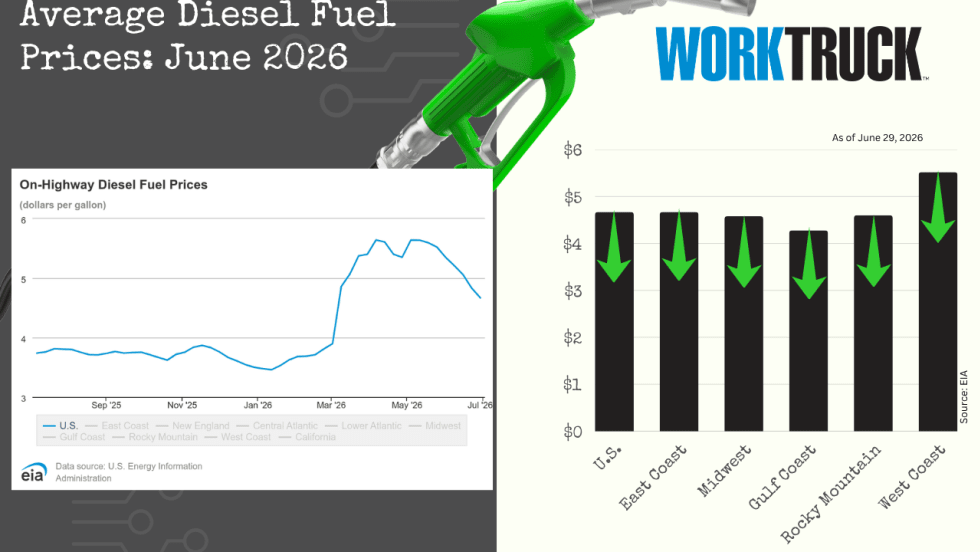
June Diesel Trends Update
The national average price of a gallon of diesel has dropped again, this week by more than 16 cents. All five regions reported lower average prices, ranging from almost 13 cents to more than 28 cents cheaper than a week ago.
Read More →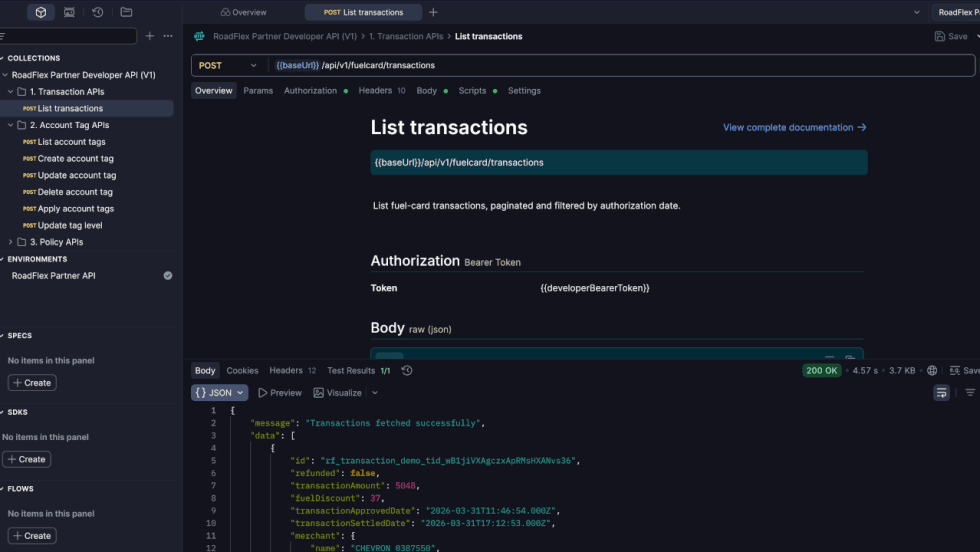
RoadFlex Launches RoadFlex Direct Open API Platform
RoadFlex Direct connects fuel cards, controls, and data to the telematics and fleet management systems fleets already run, from Geotab and Samsara to Fleetio and RTA, with no separate dashboard or double data entry.
Read More →
The Key to Fuel Efficiency Sits in the Cab
Learn how driver behavior, telematics, coaching, and fuel data can help fleets improve fuel efficiency, lower costs, and reduce emissions.
Read More →