




CARB Withdraws EPA Waiver Request for Advance Clean Fleets Rule
The California Air Resources Board has withdrawn its waiver request with the Environmental Protection Agency related to California’s Advanced Clean Fleets rule, meaning an end to the proposed state regulation that would have mandated fleets over time convert to zero-emission vehicles.


California's push for EPA waiver approval for its Advanced Clean Fleets rule has now ended.
Photo: CARB/Work Truck
With a new administration soon to take charge of the White House, the California Air Resources Board (CARB) has withdrawn its waiver request from the Environmental Protection Agency for the state's Advanced Clean Fleets (ACF) regulation.
CARB, in late 2023, delayed enforcement of the ACF regulations on drayage and high-priority fleets until the EPA could grant a waiver as required. Those regulations would have started being enforced on Jan. 1, 2024.
The Advanced Clean Fleet rule followed CARB’s 2020 Advance Clean Trucks (ACT) rule requiring manufacturers to increase zero-emission truck sales.
Emissions Mandates for Truck Manufacturers
The ACT rule requires truck manufacturers to increase the percentage of zero-emission new truck sales to 55% (Class 2b-3), 75% (Class 4-8), and 40% of semi-tractors, 2035. Under President Joe Biden's administration, the EPA approved two waivers to allow ACT to go into action.
Emissions Mandates for California Fleets
CARB approved ACF in April 2023. It, unlike ACT’s requirements imposed on truck manufacturers, mandated fleets operating in California transition entirely to zero-emissions vehicles by 2045.
Advanced Clean Fleet would have required:
All drayage trucks to be zero-emission by 2035.
All last-mile delivery and yard trucks be zero-emission by 2035.
All work trucks and day cab tractors be zero-emission by 2039.
All sleeper cab tractors and specialty vehicles be zero-emission by 2042
ACF also called for deadlines along the way by requiring a percentage of a fleet’s vehicles, such as 10%, 25%, 50%, and 75%, would need to be emission-free. The percentage targets for phasing in ACF benchmarks were based on fleet size and annual revenues.
Regulatory Changes Anticipated Under Trump
CARB’s retreat from ACF comes nearly on the eve of President Donald Trump taking office for a second time on Jan. 20. When Trump took office in 2017, he signed an executive order that mandated that if the federal government created a new regulation, two other regulations must be removed.
“As a result of the election this year and President Trump coming back into office, we are expecting a similar executive order. So that will likely have the same impact that it did from 2017 through 2020 of slowing down the rate of new regulations and cleaning up some of the regulations at the federal level for the commercial motor vehicle regulations,” said Rick Malchow, an industry business advisor with J. J. Keller & Associates.
CARB’s Waiver Request Withdrawal
CARB initially requested a federal waiver allowing the Advanced Clean Fleet rule on Nov. 15, 2023.
More recently, in a Jan. 13 letter to Jane Nishida, the EPA's acting administrator, CARB Executive Officer Steven S. Cliff officially asked to withdraw California’s Request for a Waiver, Pursuant to Clean Air Act Section 209 (e)2).
"While we are disappointed that U.S. EPA was unable to act on all the requests in time, the withdrawal is an important step given the uncertainty presented by the incoming administration that previously attacked California’s programs to protect public health and the climate and has said will continue to oppose those programs,” said Liane Randolph, CARB chair, in a statement.
Jacqueline Gelb, president of the American Truck Dealers Association, a division of the National Automobile Dealers Association, in a statement, said ATD and America’s heavy-duty truck dealers are pleased and relieved that California abandoned its “completely unrealistic and unworkable Advanced Clean Fleets regulation.”
“The commercial truck industry is very diverse in its operations and models, reflecting the important work that trucks do every day to support our country,” Gelb said. “Truck dealers serve a vital role as advocates between vehicle manufacturers and motor carriers, but California’s overly aggressive regulatory regime has prevented dealers from being able to stock or sell nearly enough newer, cleaner diesel trucks to our willing customers.”
End of the Road for Advanced Clean Fleet Rule
In a letter from Nishida to Cliff, the EPA acting director said, “We have placed a copy of your letter, as well as this response, into the Air Docket at regulations.gov regarding CARB’s request. As a result, the EPA is taking no further action on the HD ACF waiver request (89 FR 57151 (July 12, 2024)) and considers this matter closed.”
More Operations
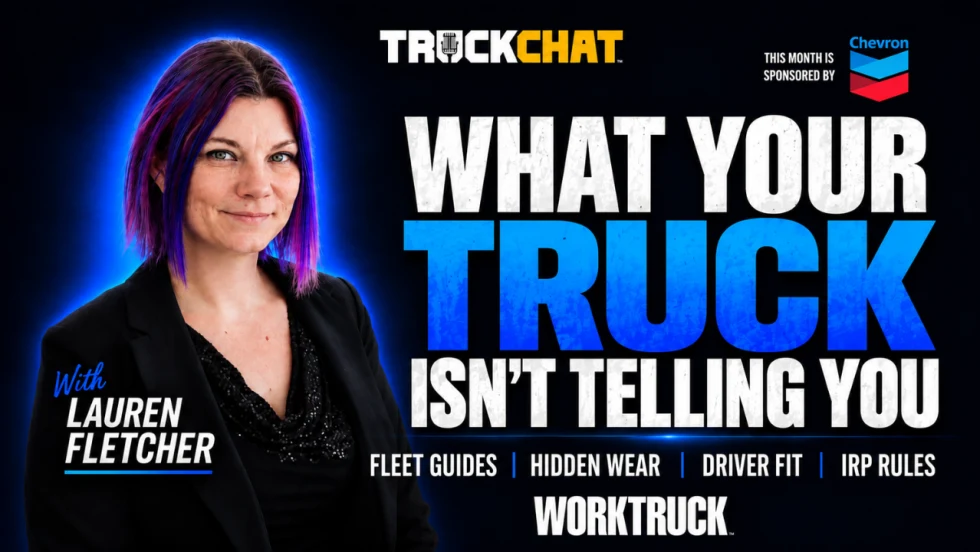
New Fleet Guides, Hidden Truck Wear, and Driver Fit Lead This Month
Our latest Truck Chat recap covers new Fleet Guides, hidden idling costs, driver fit, lighter-truck registration rules, and year-round technician appreciation.
Read More →
Work Truck Takes Fleet Rivalry Downhill to Support Skilled Trades
Team Fletcher claimed a head-to-head win and second overall as Work Truck and Automotive Fleet helped raise $22,000 for the Hourglass Foundation.
Read More →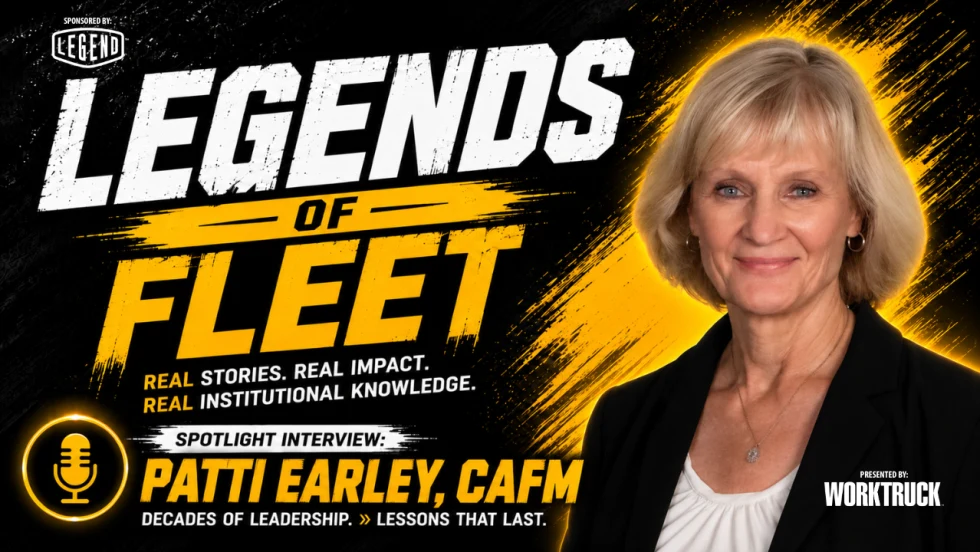
From Ledger Books to AI Patti Earley Shares 40 Years of Fleet Lessons
Patti Earley, CAFM, shares what four decades in fleet have taught her about using data, building relationships, and listening to the people behind the vehicles.
Read More →From Our Partners
Basic Tracking vs Next Generation Fleet Technology
Sponsored by AT&T Business
5 Facts Every Fleet Manager Should Know About Embedded Telematics
Sponsored by Stellantis/Mobilisights
How AI Video Telematics Boosts Driver Safety and Helps to Avoid Unnecessary Costs
Sponsored by Verizon Connect

Charting the 8 Bottom-Line Benefits of Workforce Optimization
Sponsored by Verizon Connect

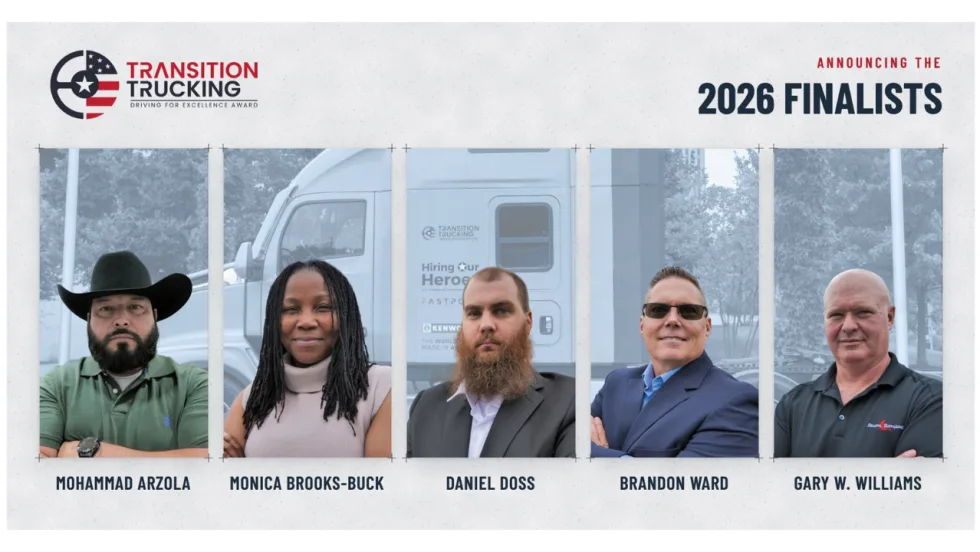
Finalists Announced for 2026 Transition Trucking: Driving for Excellence Award
Kenworth Truck Company, Fastport, and the U.S. Chamber of Commerce Foundation's Hiring Our Heroes program have announced the five finalists for the 2026 Transition Trucking: Driving for Excellence Award.
Read More →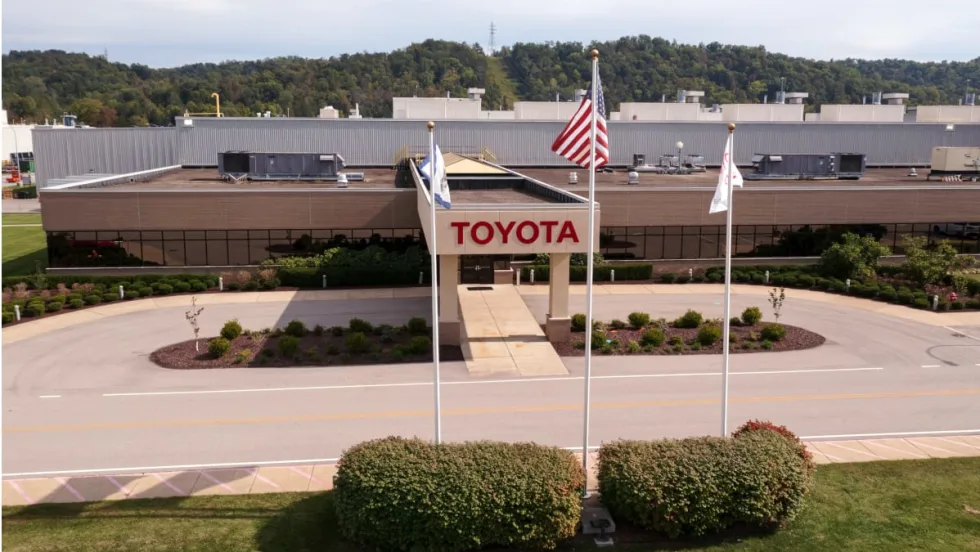
Toyota West Virginia Celebrates Three Decades of Manufacturing in the Mountain State
Toyota West Virginia celebrated 30 years of manufacturing. Toyota assembles both engines and drivetrain components in West Virginia to support its North American operations.
Read More →
The Hidden Cost of Idling
A low-mileage truck can still be one of the fleet’s hardest-working and most worn assets. Engine hours, idle time, and duty cycle reveal what the odometer misses.
Read More →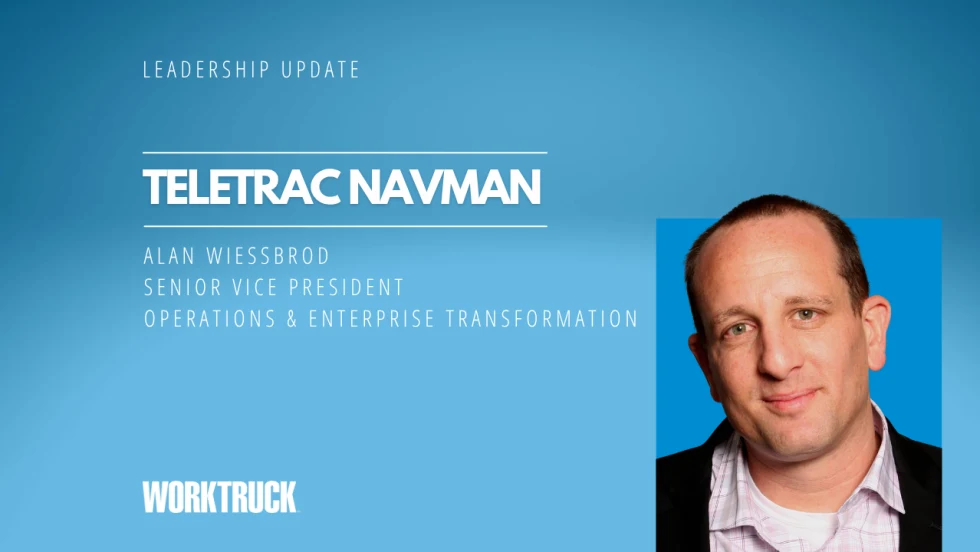
Teletrac Navman Hires SVP of Operations & Enterprise Transformation
Teletrac Navman has appointed Alan Wiessbrod to its senior leadership team as senior vice president, operations and enterprise transformation. The company said he has a strong track record of delivering profitable growth and operational excellence.
Read More →
2027 GM Trucks, Technician Retention, and Fleet Lessons Lead This Week’s News
New GM pickups, technician retention, fleet leadership lessons, winter equipment, and more headline this week’s Truck Chat Weekly Cheat Sheet.
Read More →
Family Ties Inside the Fleet Families Building Careers Across Generations
Three fleet families share what it really takes to work together, learn across generations, and keep business from following them home.
Read More →
Shades of Fleet Call for Voices: Fleet's Hidden Heroes
Fleet’s hidden heroes are often the ones keeping everything moving behind the scenes. September’s Shades of Fleet is looking for dispatchers, coordinators, parts specialists, and other support pros to share their stories.
Read More →