




Why Reactive Fleet Management Is Becoming Too Expensive to Sustain
Research highlights a growing need for proactive management strategies to address rising costs in fleet operations effectively.

Getty Images/VectorMine
- Reactive fleet management struggles to account for hidden costs like time, disruption, and delayed responses that can often exceed direct repair expenses.
- Many fleet operations still rely on periodic cost reviews rather than real-time monitoring, creating a delay in problem detection and response.
- Research highlights a growing need for proactive management strategies to address rising costs in fleet operations effectively.
*Summarized by AI
A vehicle breaks down on a Tuesday. By Thursday, the repair is logged, the invoice is filed, and the job is closed. What is harder to account for: the service calls that did not happen, the routes that were disrupted, and the crew that billed overtime while waiting for a replacement?
For a growing number of fleet operators, that invisible cost, the cost of time, disruption, and delayed response, can rival or exceed the cost of the repair itself. And it is the cost that traditional, retrospective management is least equipped to see.
New research from Bobit Business Media (BBM), which surveyed 190 fleet professionals in early 2026, found that many operations still rely on quarterly or annual cost reviews rather than continuous monitoring. That rhythm, measuring costs in cycles rather than in real time, creates a structural lag between when problems start and when managers learn about them.
In an operating environment where maintenance costs, fuel prices, labor expenses, and service demands can shift quickly, that lag has consequences. Increasingly, fleet managers are recognizing that traditional, retrospective reporting is no longer sufficient. The industry is moving toward something more proactive: connected systems, real-time visibility, and faster operational decision-making.
Timing Matters More Than Ever
For years, fleets managed total cost of ownership (TCO) by reviewing reports after the fact. Managers would assess maintenance costs quarterly, fuel spend monthly, or reconcile operational data at the end of a reporting cycle.
That approach worked reasonably well when costs were more stable and operations were less complex. But as fleets grow more technology-driven and service demands increase, delayed reporting cycles create growing operational risk. By the time issues surface in a quarterly review, the underlying problem may have already been affecting the business for weeks.
That could mean recurring vehicle downtime, excessive fuel usage, unauthorized purchases, delayed preventive maintenance, or inefficient routes quietly driving up operating costs. None of these are dramatic failures on their own. Together, across a fleet, over weeks of undetected drift, they compound.
Industry stakeholders involved in the research noted that the issue is not necessarily a lack of visibility into individual systems. Fleets often struggle to connect operational and financial data quickly enough to support proactive decision-making.
“Cost is something fleets influence in the moment, not just measure later,” a Fleetio stakeholder noted during discussions surrounding the report findings.
That shift in mindset is becoming increasingly important for fleets operating under tighter margins and growing service demands. The pressure is coming from multiple directions: e-commerce growth, electrification, safety requirements, labor shortages, sustainability goals, and expectations for real-time operations.
From Data Collection to Actionable Insight
Most fleets already collect significant amounts of operational data. Fuel cards generate transaction-level information. Maintenance systems track repair history and service intervals. Telematics platforms monitor routes, idle time, and driver behavior.
The challenge is not having data. It is using it effectively and quickly enough to matter.
The issue is not a lack of visibility into individual systems. It is that by the time information surfaces through disconnected workflows and delayed reporting cycles, the window to act has often already closed.
A spending anomaly caught in a month-end reconciliation is a cost already incurred. A maintenance issue flagged in a quarterly review may have already cascaded into downtime.
According to the research, data fragmentation remains one of the biggest barriers preventing fleets from turning information into actionable insight. Fuel data may live in one platform, maintenance records in another, and telematics information somewhere else entirely. That separation makes it difficult to see the relationships between operational and financial activity.
For example, rising fuel costs may initially appear to be a spending issue. But once telematics and maintenance data are layered in, fleets may discover the real problem involves aggressive driving behavior, inefficient routing, poor vehicle health, or delayed maintenance. The data exists to diagnose it. The problem is that it is sitting in separate systems.
“It’s not just about having the information,” one Coast stakeholder explained. “It’s about getting the full operational picture so fleets can make better decisions in real time.”
The Rise of Connected Fleet Ecosystems
Rather than treating fuel management, maintenance tracking, telematics, and financial reporting as separate workflows, fleets are increasingly looking for ways to connect those systems into a more unified operational view. The goal is not simply to centralize data. It is to create workflows that allow managers to act faster and with greater confidence.
The research found that maintenance and repair costs remain among the most volatile fleet expense categories, while indirect costs such as downtime and lost productivity remain difficult to measure accurately. Connected systems help close those visibility gaps by linking operational activity with financial data in ways that siloed platforms cannot. That includes automatically triggering preventive maintenance schedules, identifying unusual spending activity in real time, and reducing manual reconciliation that delays decisions.
Industry stakeholders emphasized that integration does not necessarily mean replacing every existing system. In many cases, the focus is on improving communication between tools that fleets already use, gradually shifting cost management from retrospective reporting toward more continuous operational control.
From Reactive Maintenance to Proactive Control
As fleets gain access to more connected operational and financial data, many are shifting away from reactive maintenance models and toward more proactive management strategies.
Traditionally, maintenance decisions were triggered after a breakdown occurred or during periodic inspections. Integrated systems are beginning to change that. When fuel data, maintenance records, telematics information, and vehicle performance metrics work together, fleets can identify problems earlier and respond faster. That includes automated preventive maintenance alerts, identifying unusual vehicle behavior before a failure occurs, spotting excessive fuel consumption tied to vehicle health, and prioritizing repairs based on operational impact.
“A lot of fleets can tell you exactly what a repair costs, but not what it costs to have that vehicle out of service,” a Fleetio stakeholder noted during discussions surrounding the report findings.
Proactive control extends beyond maintenance. On the spend side, real-time visibility means more than seeing what was purchased after the fact. It means being able to act on purchases as they happen.
Fleet cards with real-time controls allow managers to set spending limits, flag unusual transactions, and approve or decline purchases in the moment rather than during end-of-month reconciliation. Automated alerts on out-of-policy or suspicious spend give managers the same kind of early warning on the financial side that maintenance alerts provide on the operational side.
When those two streams, operational and financial, are working in real time rather than in isolation, the window to prevent cost escalation gets considerably wider.
Technology Alone Isn't the Answer
Connected platforms can provide better visibility, faster reporting, and stronger operational insights. But technology alone does not automatically improve fleet performance.
Several participants in the research discussions emphasized that fleets must also build processes around the information these systems provide. In many operations, reactive management persists not because data is unavailable, but because organizations still rely on delayed workflows, inconsistent reporting habits, or manual decision-making processes.
For many fleets, the challenge moving forward is not collecting more information. It is creating the workflows, accountability, and operational discipline needed to act on that information consistently.
A More Connected Future
Fleet management is becoming more connected, more data-driven, and increasingly dependent on real-time operational visibility. But the transition away from reactive management is still underway. Many fleets continue to operate in fragmented environments that slow decision-making and limit visibility into the full operational impact of maintenance, fuel use, downtime, and vehicle performance.
The shift away from reactive management is not ultimately a technology question. The tools exist. The question is whether the workflows, the reporting habits, and the organizational reflexes are keeping pace.
Fleets that answer yes to that question are finding something the research cannot easily quantify: the cost of a problem that never escalates is zero. And increasingly, that is the competitive advantage that proactive management is designed to protect.
This article reflects the views of Fleetio and Coast and does not necessarily represent the views of Automotive Fleet or Bobit Business Media.
Quick Answers
Reactive fleet management incurs hidden costs such as time delays, route disruptions, and crew overtime, which can rival or exceed repair costs. These issues aren't easily visible with traditional management.
*Summarized by AI
Originally posted on Automotive Fleet
More Operations

Shades of Fleet Wants to Hear From You About Building a Culture of Care
Fleet leaders, we want to hear from you. Share how empathy, trust, and creating space for people can strengthen your team, improve performance, and support retention.
Read More →
What Racing Can Teach Work Truck Fleets About the Work Nobody Sees
Race car driver and mechanical engineer Isaac Johnson shares practical lessons on preparation, relationships, setbacks, and building teams that perform when it counts.
Read More →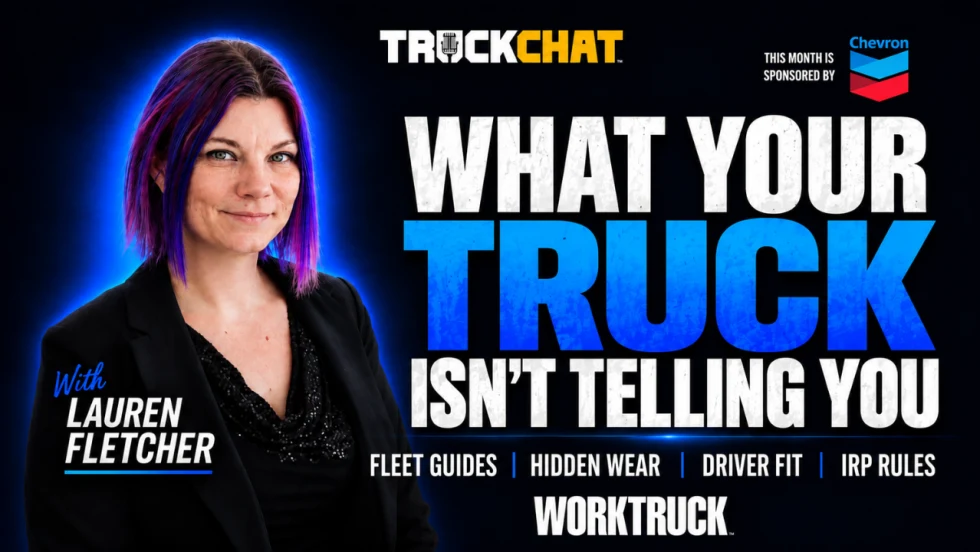
New Fleet Guides, Hidden Truck Wear, and Driver Fit Lead This Month
Our latest Truck Chat recap covers new Fleet Guides, hidden idling costs, driver fit, lighter-truck registration rules, and year-round technician appreciation.
Read More →From Our Partners
Basic Tracking vs Next Generation Fleet Technology
Sponsored by AT&T Business

5 Facts Every Fleet Manager Should Know About Embedded Telematics
Sponsored by Stellantis/Mobilisights

How AI Video Telematics Boosts Driver Safety and Helps to Avoid Unnecessary Costs
Sponsored by Verizon Connect

Charting the 8 Bottom-Line Benefits of Workforce Optimization
Sponsored by Verizon Connect


Work Truck Takes Fleet Rivalry Downhill to Support Skilled Trades
Team Fletcher claimed a head-to-head win and second overall as Work Truck and Automotive Fleet helped raise $22,000 for the Hourglass Foundation.
Read More →
From Ledger Books to AI Patti Earley Shares 40 Years of Fleet Lessons
Patti Earley, CAFM, shares what four decades in fleet have taught her about using data, building relationships, and listening to the people behind the vehicles.
Read More →
Finalists Announced for 2026 Transition Trucking: Driving for Excellence Award
Kenworth Truck Company, Fastport, and the U.S. Chamber of Commerce Foundation's Hiring Our Heroes program have announced the five finalists for the 2026 Transition Trucking: Driving for Excellence Award.
Read More →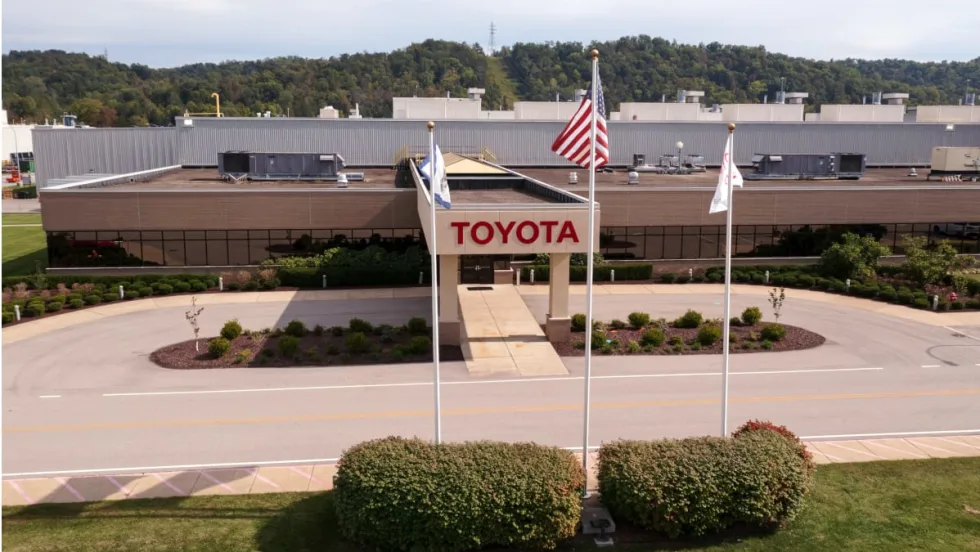
Toyota West Virginia Celebrates Three Decades of Manufacturing in the Mountain State
Toyota West Virginia celebrated 30 years of manufacturing. Toyota assembles both engines and drivetrain components in West Virginia to support its North American operations.
Read More →
The Hidden Cost of Idling
A low-mileage truck can still be one of the fleet’s hardest-working and most worn assets. Engine hours, idle time, and duty cycle reveal what the odometer misses.
Read More →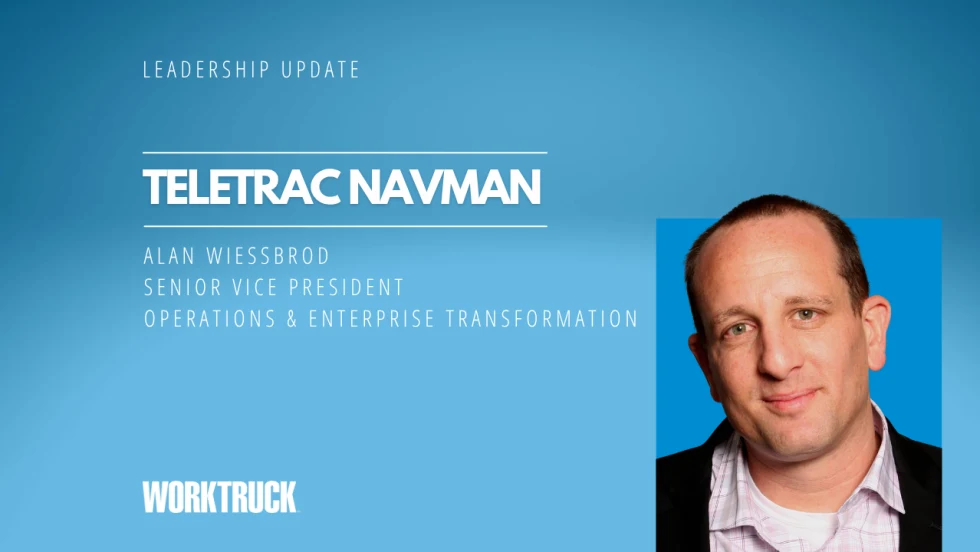
Teletrac Navman Hires SVP of Operations & Enterprise Transformation
Teletrac Navman has appointed Alan Wiessbrod to its senior leadership team as senior vice president, operations and enterprise transformation. The company said he has a strong track record of delivering profitable growth and operational excellence.
Read More →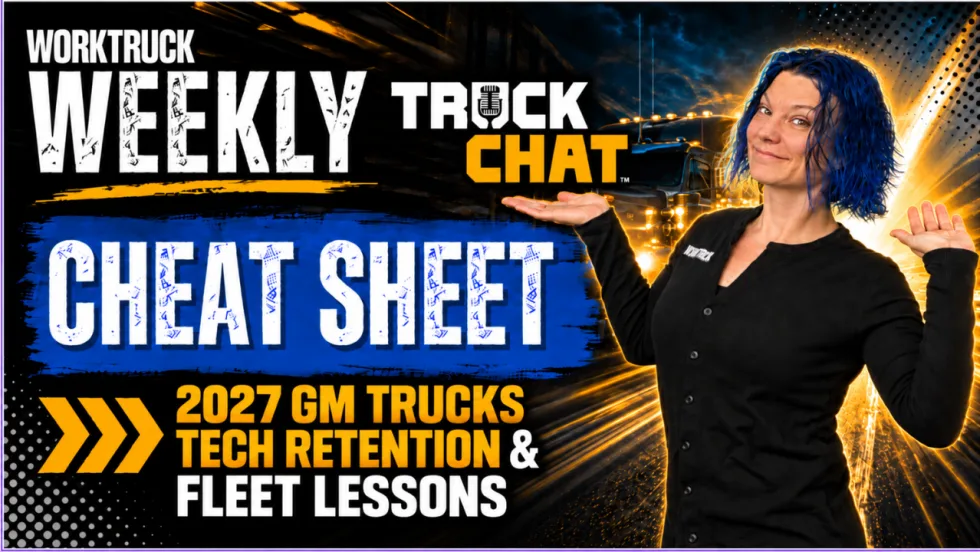
2027 GM Trucks, Technician Retention, and Fleet Lessons Lead This Week’s News
New GM pickups, technician retention, fleet leadership lessons, winter equipment, and more headline this week’s Truck Chat Weekly Cheat Sheet.
Read More →