




Navigating Federal Mandates and Safety Challenges: Insights for Small Fleets
Federal mandates like ELDs have heightened safety challenges for small fleets. Explore expert insights on balancing compliance, driver safety, and profitability in the evolving trucking industry.

Small fleets face unique risks, particularly those related to serious accidents or legal actions. Navigating those challenges can be tough without the larger resources of bigger fleets.
Photo: Work Truck
Implementing the Electronic Logging Device (ELD) mandate marked a significant shift in the trucking industry, particularly for small fleet operators. While the mandate was intended to enforce existing Hours of Service (HOS) rules, it brought about new challenges that many small fleets are still grappling with today.
Adam Lang, Director of Advisory Services for Fleet Safety Technology at Netradyne, explained that the ELD mandate has made it nearly impossible for drivers to “fudge” their hours, a more common practice when paper logs were in use.
"The fact that many more folks have been vocal over the ELD mandate reflects that they have more issues with the existing HOS rules rather than the mandate itself," Lang shared.
He noted the pressure to meet tight schedules could push drivers to engage in risky behaviors, such as speeding or following too closely, which increases anxiety and negatively impacts driving performance.
One of the most significant issues since the ELD mandate? Finding parking.
"Parking has also been such a huge topic," Lang said. "It was always a little difficult, but now it’s gotten magnified since there is less ‘fudging’ of hours."
The rigidity of the ELD system, which is directly linked to a truck’s engine control module (ECM), has left little room for the flexibility that drivers once had.
Balancing Small Fleet Safety and Profitability
Balancing profits and safety is a tough job for small fleets, which face pressures that bigger companies might not deal with as often. The question of whether small fleets prioritize profits over driver safety is complex. Lang points out that small fleets, which make up a significant portion of the trucks on the road, often operate with fewer resources than larger fleets. This lack of resources can lead to safety programs and administrative support gaps.
"Smaller fleets may not be as familiar with industry issues like nuclear verdicts and how it impacts insurance rates," Lang explained.
The financial pressures on small fleets can lead to decisions that inadvertently compromise safety, especially if they are not actively involved in industry events and associations that offer valuable resources and education.
"Participation in trade industry events lends itself to education and generally safer fleets," he added.
The consequences of these safety gaps are clear: higher accident rates, increased costs, and potential driver dissatisfaction. The resulting cycle can lead to driver turnover and inconsistent freight operations, further challenging the fleet’s sustainability.
"When smaller fleets are less safe, there is going to be a rise in accident rates, and the company will have to absorb that cost, which means less to the employees or contractors that work with them," Lang said.
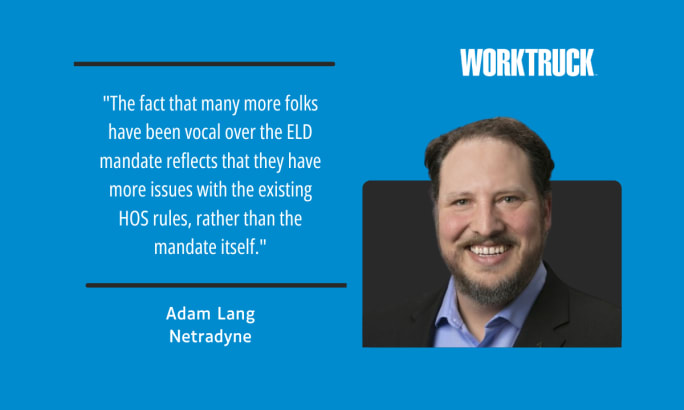
Adam Lang, Director of Advisory Services for Fleet Safety Technology at Netradyne, talks navigating federal mandates for small fleets.
Photo: Netradyne | Work Truck
The Unique Risks for Small Fleets
Small fleets face unique risks, particularly those related to serious accidents or legal actions. Lang noted that these fleets often have minimal insurance coverage and may lack the specialized roles that larger fleets have to ensure safety and compliance.
"People have to do more with less in situations like that, which can lead to gaps in safety programs," he warned.
These risks are compounded by the fact that small fleets must adhere to the same regulations as larger ones but without the same resources to manage compliance effectively.
"When a large accident occurs, they may not know how to handle all the steps that successful larger companies follow," Lang explained.
This can leave small fleets vulnerable, particularly in the face of nuclear verdicts that could threaten their existence.
Leveraging AI for Safer Operations
Lang advocated using AI technology to navigate these challenges. AI technology, like that found in modern dashcams, can play a crucial role in improving safety without being punitive.
"AI can categorize the entire driving day into sections, like Green Minutes, Driver Stars, moderate, and severe alerts," Lang said. This comprehensive view allows fleet managers to see the full picture of a driver’s performance, recognizing good and bad behaviors.
Using AI, fleets can avoid over-penalizing drivers for minor infractions while focusing on higher-risk behaviors.
"Using a scoring metric is also very helpful," Lang noted.

AI technology, like that found in modern dashcams, can play a crucial role in improving safety without being punitive.
Photo: Netradyne
Steps for Small Fleets to Enhance Safety and Compliance
Lang offered several practical steps that small fleet operators can take to balance regulatory compliance with driver safety and satisfaction. He emphasized the importance of leveraging technology, such as AI and in-cab coaching devices, to reduce friction between drivers and management.
"If they cannot afford to hire additional staff, embrace AI and use devices (like Netradyne) to do much of the work for you," he advised.
Additionally, Lang underscored the value of industry involvement.
"GET INVOLVED in industry associations," he urged.
Building a network of professionals through local, state, and national associations can provide small fleets with the support and resources they need to keep their wheels on the road.
More Operations
How Cardless Fuel Payments Benefit Commercial Fleets
Is it time for fleets to move beyond plastic fuel cards? David Abraham of WEX explains how cardless fuel payments can help reduce fraud, simplify driver transactions, and improve efficiency by allowing drivers to pay for fuel using their smartphones.
Read More →
Good Fleet Leadership Starts With the People You Already Have
From developing future leaders to listening to employees, discover how better leadership can help work truck fleets retain talent and build stronger teams.
Read More →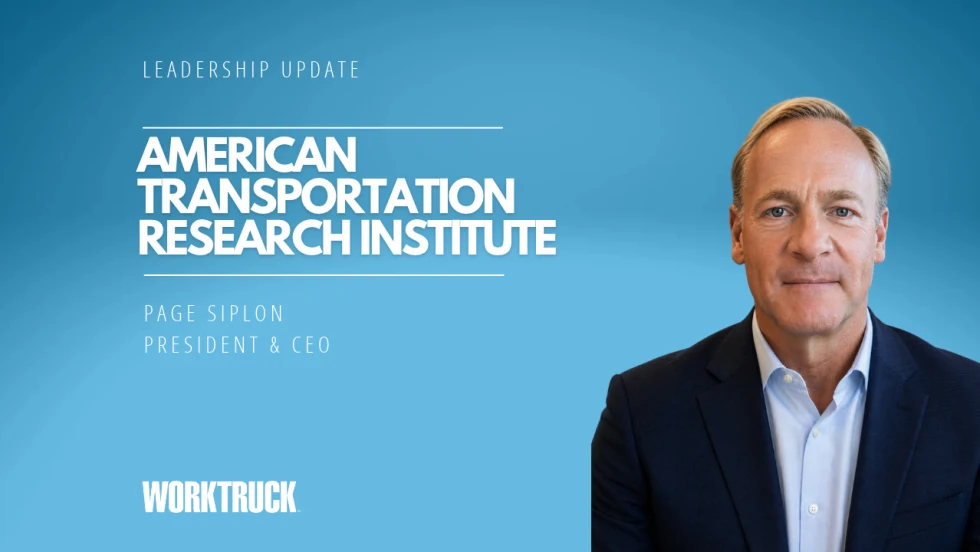
ATRI Names Next President and CEO
Page Siplon, a longtime transportation and logistics industry executive, has been chosen as the next president and CEO of the American Transportation Research Institute (ATRI).
Read More →From Our Partners
Basic Tracking vs Next Generation Fleet Technology
Sponsored by AT&T Business
5 Facts Every Fleet Manager Should Know About Embedded Telematics
Sponsored by Stellantis/Mobilisights
How AI Video Telematics Boosts Driver Safety and Helps to Avoid Unnecessary Costs
Sponsored by Verizon Connect

Charting the 8 Bottom-Line Benefits of Workforce Optimization
Sponsored by Verizon Connect

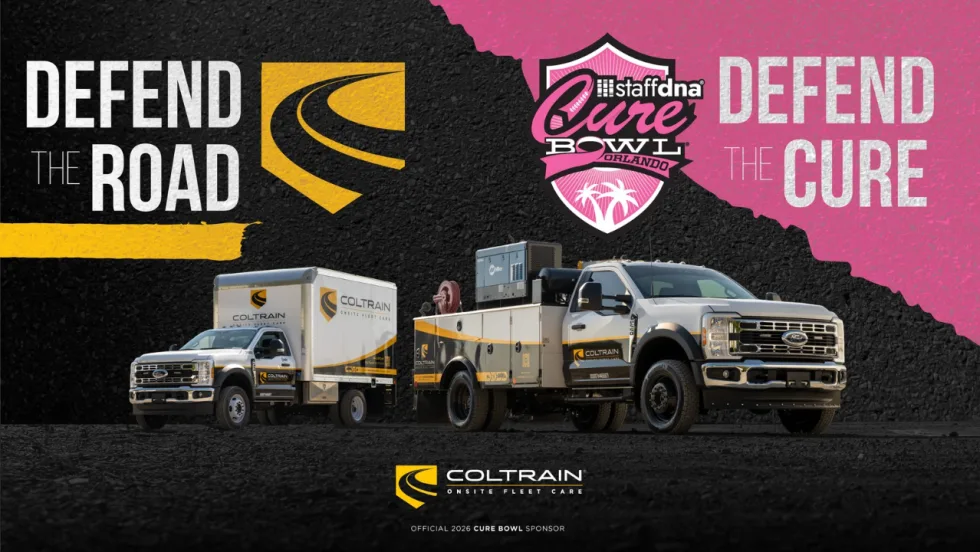
Coltrain Onsite Fleet Care Sponsors 2026 Cure Bowl to Support Cancer Research
The mobile fleet maintenance provider is supporting the annual college football bowl game, which has helped raise $6.83 million for cancer research since 2015.
Read More →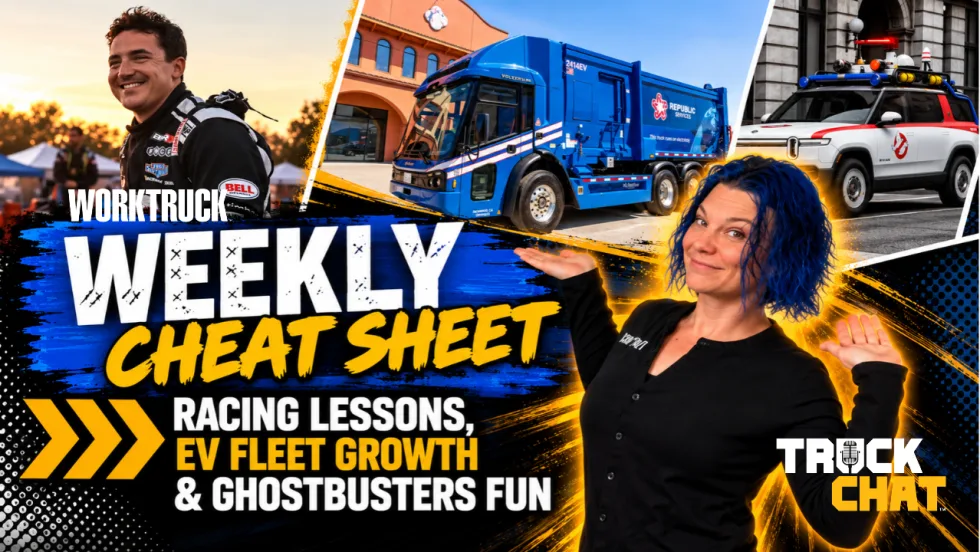
Racing Lessons, Electric Fleet Growth, and Ghostbusters Lead This Week's Work Truck News
Racing lessons for fleets, Republic Services' electric truck expansion, 40 years of fleet wisdom, truck trivia, autonomous yard trucks, and more headline this week's Truck Chat Cheat Sheet.
Read More →
A buyer's guide to fleet management software in 2027
Buying fleet management software in 2027 means looking beyond features and price. As fleet operations, technology and expectations evolve, this guide explores what today’s fleet professionals should consider when choosing a system that can deliver value now and adapt to what comes next.
Read More →
How to Build a Lasting Fleet Career by Staying Curious and Connected
Tina Kourakos never planned on a career in fleet. More than 30 years later, she says curiosity, strong relationships, and a willingness to keep learning helped turn an unexpected assignment into a career spanning fleet management and OEM leadership.
Read More →
Think You Know Trucks? Take Our 19-Question Fleet Trivia Challenge
From chicken lights to diesel engines and trucking history, test your knowledge with 19 questions from the 2026 Work Truck Exchange and Heavy Duty Trucking Exchange.
Read More →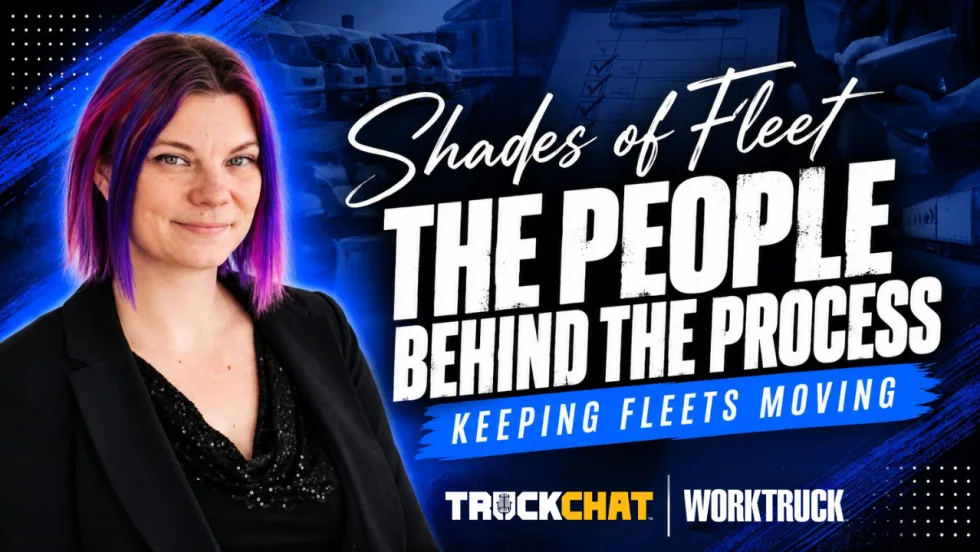
Where’s My Truck: Inside the Fleet Logistics Work Nobody Sees
Shades of Fleet video thumbnail featuring Lauren Fletcher beside the text “The People Behind the Process, Keeping Fleets Moving,” with fleet vehicles and logistics imagery in the background.
Read More →
Work Truck Seeks Fleet and Industry Insights on 2026 Trends and 2027 Forecasts
Work Truck is seeking insights from fleet leaders and industry partners on the trends that shaped 2026 and what commercial fleets should prepare for in 2027. Participate today!
Read More →