




Understanding the Elements of Distracted Driving
April is Distracted Driving Awareness Month so now is the time to discuss maintaining focus on the road with employees who get behind the wheel as part of their jobs. Cellphone use has become the most common distraction, but fleet managers should be aware of the other forms of distraction as well.


Distracted driving, in 2021, was responsible for 3,522 deaths according to the National Highway Traffic Safety Administration.
Photo: Canva/WT Illustration
Inattentiveness behind the wheel, even for just a few seconds, can result in devastating and possibly deadly consequences.
Work Truck fleets need to understand that taking steps to address driver distraction is not to be left just to those who manage long-haul truckers or bus drivers. Disastrous results from a momentary lapse of focus can happen anywhere, even on short local trips.
April is Distracted Driving Awareness Month and, according to the National Highway Traffic Safety Administration, in 2021 distracted driving killed 3,522 people. The agency reports that cellphone use has become the most common distraction, whether that be by talking, texting, or through social media use while driving. The National Safety Council, a nonprofit safety advocate, reports nine people a day are killed in distracted driving crashes.
With this month’s focus on distracted driving, NHTSA provides three simple tips, which are:
Need to send a text? Pull over and park your car in a safe location.
Designate your passenger as your “designated texter” to respond to calls or messages.
Do not scroll through apps while driving. Struggling not to text and drive? Put the cell phone in the trunk, glove box, or back seat of the vehicle until you arrive at your destination.
NSC reports hand-held cellphone use decreased in the past 10 years, citing research from the National Occupant Protection Use Survey (NOPUS) conducted by NHTSA that found 5.2% of drivers made handheld calls in 2012 compared to 2.5% in 2021.
However, according to that research, the percent of drivers manipulating hand-held electronic devices has increased 127%, from 1.5% in 2012 to 3.4% in 2021.
In Blacksburg, Virginia, the Virginia Tech Transportation Institute studies ways to save lives, time, and money in transportation, plus protect the environment. Researchers at VTTI have studied driving habits, including commercial drivers, and know the elements of distracted driving.
“What we found over and over again, in our studies, is that the cellphone-related behaviors that are associated with crashes or near-crashes are those things that take your eyes off the road,” says Matthew Camden, a senior research associate at VTTI.
VTTI researchers found that hands-free calling is associated with fewer crashes for commercial motor vehicles, but that is only part of the distracted driving problem.
Camden affirms that anything a driver is doing other than driving can take his or her mind off the road, including having a conversation over a hands-free device. However, cellphone blocking, policies, and other tactics are put into play by some fleets.
But with a policy, he points out, the safety manager must have an actionable policy and hold drivers accountable.
But, policies, cellphone blockers, and zero-tolerance mandates will not solve the larger issues, according to Mark Murrell, co-founder of CarriersEdge, an online driver training provider.
“Step one is to make sure drivers understand the importance of cellphone distractions and why it matters. Bring them into the solution,” Murrell said.
Even with eyes on the road and using a hands-free device, a driver may not even be aware of the impact of cognitive distraction.
According to Camden, and VTTI, there are four types of distractions, which are:
Visual – Looking away from the road.
Manual – Reaching for something or operating a device and not focusing on the road.
Auditory – Sounds can distract a person while driving. Companies that provide driver alerts and notifications work to make sure those not become an auditory distraction.
Cognitive – A driver’s eyes may be on the road, but his or her brain can be overloaded or distracted. That could be thinking during a conversation in person or by phone, trying to plan directions and a route, or anything that takes a driver’s mental focus off the road.
Cognitive Distraction: When the Brain is Distracted While Driving
Camden explained sometimes the forms of distractions can merge, or even blur together and create cognitive distraction. He shared an example of when a driver faces extreme rain or maybe is trying to figure out directions. They are challenged with the cognitive workload.
“What do a lot of people do? Turn the radio down, right? Or they tell their passengers ‘Hey, shut up, I need to focus. And so that illustrates that sounds can be a distraction to what we're trying to focus on in a really cognitively demanding situation,” says Camden.
Murrell points to the cellphone as the “perfect storm” of distraction, largely because of the cognitive distraction.
“It's content that takes your brain out of the driving,” Murrell adds. “It can sometimes even be a hands-free device. You can be having a conversation that takes you out of the road and gets you thinking about something different.”
Digging Deeper into Distracted Driving Topics
With the focus on distracted driving this month, WT has assembled a collection of related stories that have appeared previously on our website. Please check these out to learn more about how your fleet can combat distracted driving:
More Safety & Compliance
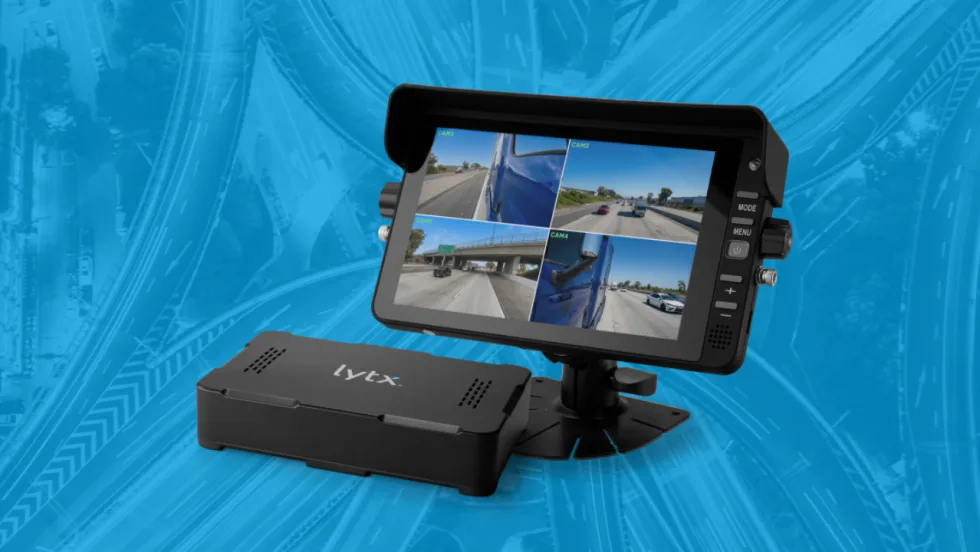
Lytx Launches 360 Hub Kit for Expanded Fleet Camera Visibility
Lytx’s new AI-ready gateway and HD auxiliary camera ecosystem, the Lytx 360 Hub Kit, extends visibility across side, rear, cargo, and blind-zone views to help fleets see more and respond faster.
Read More →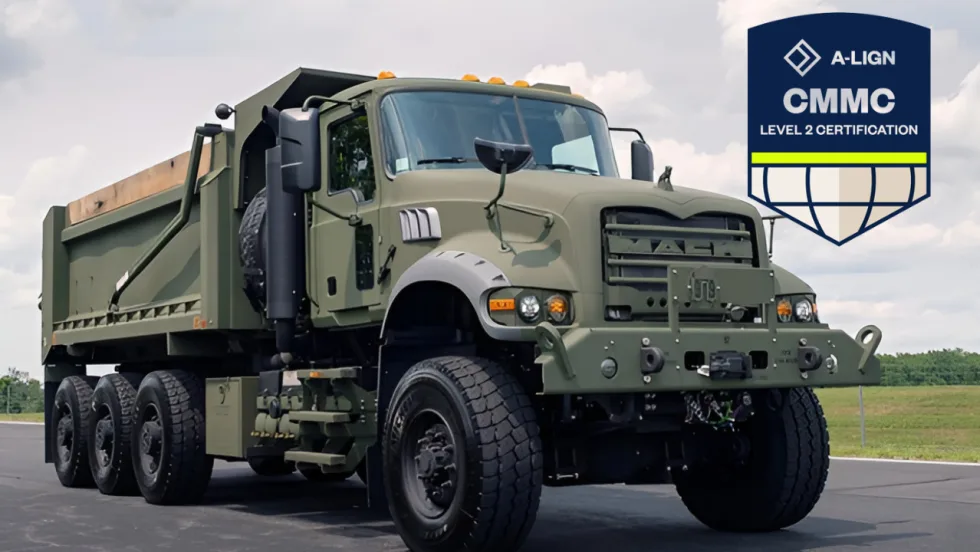
Mack Defense Achieves Cybersecurity Maturity Model Certification Level 2
After an assessment conducted by an authorized Certified Third-Party Assessment Organization (C3PAO), Mack Defense has achieved Cybersecurity Maturity Model Certification (CMMC) Level 2.
Read More →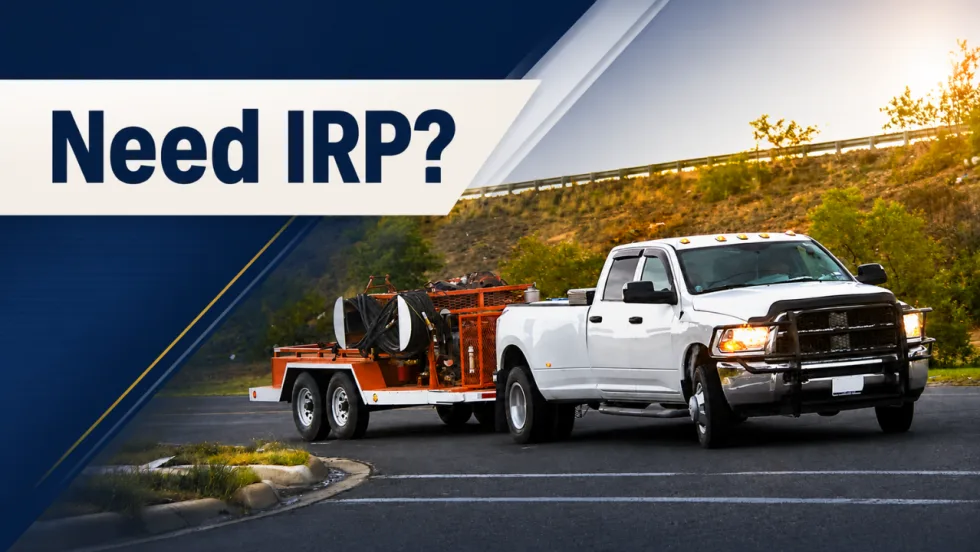
When Work Trucks Under 26,001 Pounds Need IRP Registration
Think trucks under 26,001 pounds are automatically in the clear when it comes to IRP? Not always. Learn where lighter vehicles can still run into trip permit, apportioned registration, and IFTA compliance requirements when crossing state or provincial lines.
Read More →From Our Partners



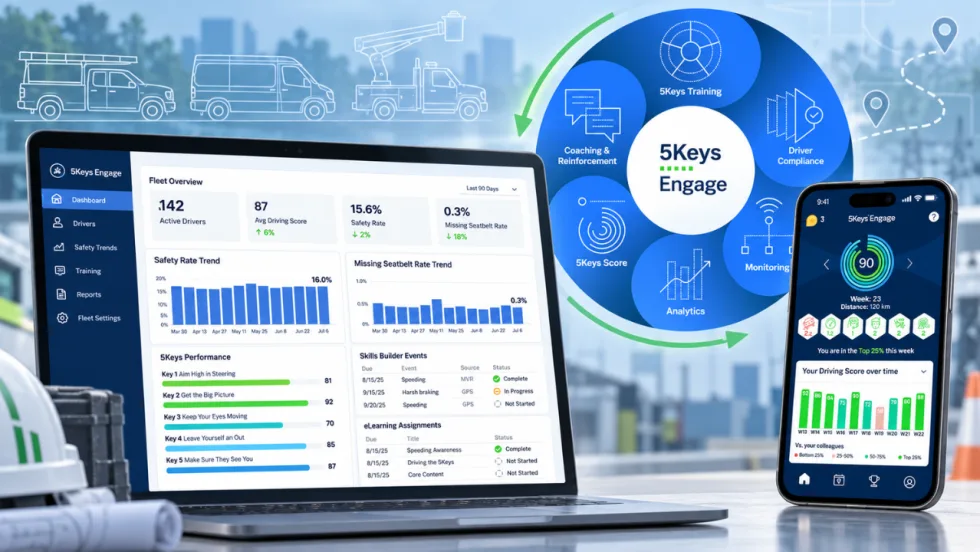
Smith System Wants Work Truck Fleets to Look Beyond the Driver Alert
Smith System’s new Driver Risk Management program is built to help mixed work truck fleets turn telematics alerts and observations into specific behaviors, coaching actions, and measurable follow-up.
Read More →
Volvo Trucks Releases New Safety Recommendations for Traveling with Pets
One of the most important recommendations for professional drivers traveling with pets is to ensure pets are properly restrained while the truck is moving. Other tips are available in the new guide from Volvo Trucks North America and Center for Pet Safety.
Read More →
Are Work Truck Drivers Warming Up to Dash Cams and GPS Tracking?
A new survey finds field-service drivers may be more comfortable with dash cams and GPS tracking than fleet managers think, especially when the technology helps protect them after a crash.
Read More →
Recalls You Need to Know About in August 2026
If you have Altec, Chrysler, Ford, Heil, General Motors, International, Mack Trucks, Paccar, Rivian, Royal Truck, Toyota, US Truck Body, or Volvo Trucks vehicles in your fleet, you should check these important recalls issued by the National Highway Safety Administration.
Read More →
API Issues Refueling Safety Guidelines
The American Petroleum Institute offers a list of safe vehicle refueling guidelines, including ways to avoid potential problems with static electricity discharges in fall, winter, and early spring.
Read More →
Winter Fleet Prep: Expert Tips to Keep Vehicles Running Smoothly
Cold weather can expose weak batteries, tires, fuel systems, and maintenance gaps fast. Use this winter fleet checklist to prepare trucks and drivers before temperatures drop.
Read More →
When a Work Truck Breaks Down, the Job Can Stop, Too
A work truck breakdown can stop more than the vehicle. Discover how payloads, jobsites, and specialty equipment change the roadside response.
Read More →