




Waste Management & Linde Partner on LNG
HOUSTON and MURRAY HILL, NJ - Waste Management, Inc., and Linde North America announced that their joint venture company has begun producing clean, renewable vehicle fuel at its facility located at the Altamont Landfill near Livermore, California.
HOUSTON and MURRAY HILL, NJ - Waste Management, Inc., North America's largest waste services company, and Linde North America, part of The Linde Group, a leading global gases and engineering company, announced that their joint venture company has begun producing clean, renewable vehicle fuel at its facility located at the Altamont Landfill near Livermore, California. The facility is the world's largest landfill gas (LFG) to liquefied natural gas (LNG) plant.
The plant, which Linde built and operates, purifies and liquefies landfill gas that Waste Management collects from the natural decomposition of organic waste in the landfill. The plant is designed to produce up to 13,000 gallons of LNG a day - enough to fuel 300 of Waste Management's 485 LNG waste and recycling collection vehicles in twenty California communities. Since the commissioning process began in September, the plant has produced 200,000 gallons of LNG.
"The Altamont LFG-to-LNG facility enables us to recover and utilize a valuable source of clean energy in another practical way, reducing our dependence on fossil fuels. Conventional LNG is already a clean-burning and economically viable alternative fuel for our collection trucks," said Duane Woods, senior vice president for Waste Management's Western Group. "The ability to use recovered landfill gas to fuel our hauling fleet offers significant environmental benefits to the communities we serve in California and is a great example of how we are committed to recovering resources in waste."
Pat Murphy, president of Linde North America, said, "Linde is proud to create a clean and green energy solution for residents of California. Landfill-gas-derived LNG is a super ultra-low carbon fuel, as designated by the Air Resources Board and the Altamont project is expected to reduce carbon dioxide emissions by nearly 30,000 tons a year.
Linde's expertise in designing, developing and operating purification systems and LNG plants enables us to capture energy from waste that has decomposed in the landfill and repurposes it into a clean renewable fuel that offsets the need for fossil fuels - which reduces greenhouse gas emissions."
The Altamont LFG-to-LNG facility also meets two of California Governor Schwarzenegger's environmental directives: the Bioenergy Action Plan, which seeks to advance the use and market development of biomass as a transportation fuel, and Executive Order S-3-05, which aims to reduce the state's greenhouse gas emissions by 25 percent by 2020.
Four California agencies contributed to the $15.5 million Waste Management - Linde project, including the California Integrated Waste Management Board, the California Air Resources Board, the California Energy Commission and the South Coast Air Quality Management District. The management of several of the state grants has been provided by the Gas Technology Institute, which also licensed elements of the LNG production technology used in the Altamont facility.
Linda Adams, secretary of the California Environmental Protection Agency remarked, "The opening of the world's largest landfill gas to LNG plant right here in California is a milestone and a testament to our commitment to reduce greenhouse gas emissions. Now that the technology has been proven, we look forward to seeing its adoption spread so more vehicles can run on garbage."
Linde has developed and deployed technologies in the U.S. and around the world to reduce dependence on fossil fuels and emissions of greenhouse gases. These include alternative energy solutions using hydrogen, biogas, LNG and other sustainable fuels. Linde provides technical solutions for the processing, transportation and storage of renewable and alternative fuels, ranging from one of the world's largest LNG plants in Hammerfest, Norway, to hydrogen, biogas and LNG fuelling stations for automobiles, buses, and trucks.
Waste Management is continually exploring new technologies and services to generate renewable energy from waste. LFG-to-LNG is a promising technology that complements Waste Management's other waste services in the areas of recycling, landfill operations, landfill gas-to-energy and waste-to-energy technology. The LFG-to-LNG technology being deployed by Linde and Waste Management at Altamont has high potential to be implemented at other landfills across North America.
Together with Waste Management's other renewable energy projects, this joint venture will contribute to the company's ongoing corporate sustainability goals, including investing in emerging technologies for managing waste, increasing fuel efficiency of its fleet by 15 percent and reducing fleet emissions by 15 percent by 2020.
More Fuel
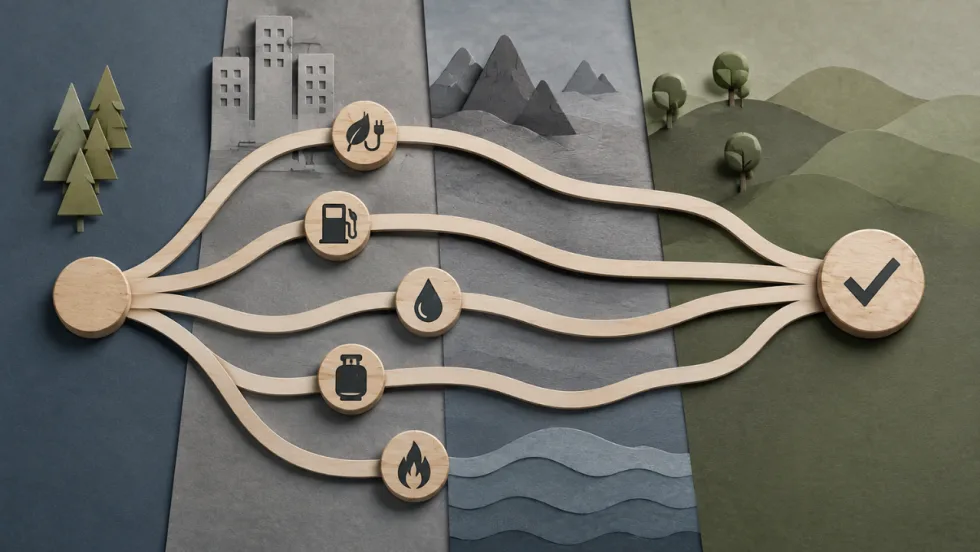
The Smart Way to Build a Mixed-Energy Fleet Isn’t About Picking a Side
Mixed-energy fleets aren’t about picking a winning fuel. Sarah Booth of WEX explains how vehicle data, duty cycles, charging strategy, and real-world costs can help fleets choose the right energy source for each job.
Read More →
Ignoring This Dashboard Warning Could Cost Your Fleet Thousands in Fuel
New research suggests neglected diesel aftertreatment systems could waste up to $30 in fuel per vehicle each day. Here's why vocational fleets should pay attention.
Read More →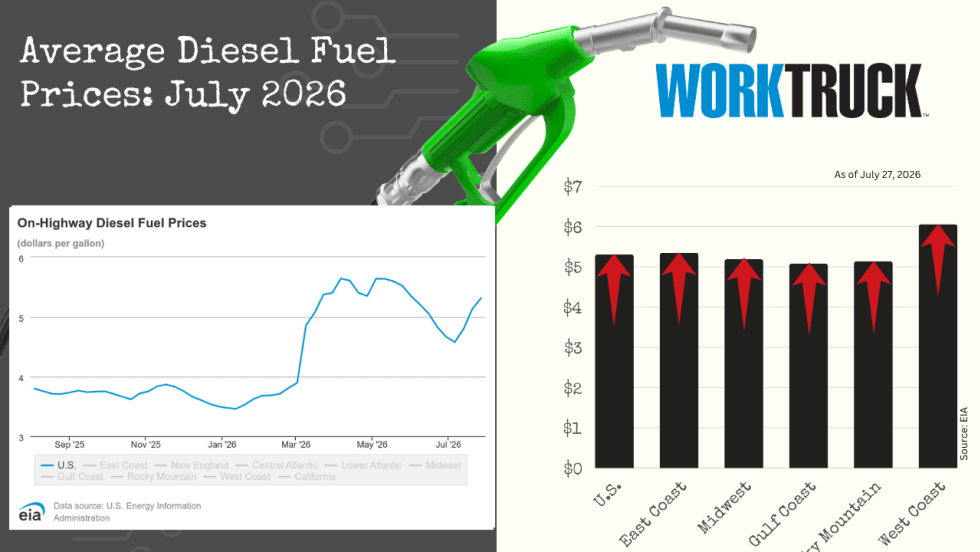
July Diesel Trends Update
The average price of a gallon of diesel increased again this week, and the EIA reported a new national average of $5.31 at the start of the week.
Read More →

WEX Brings Standard Fleet's Connected Vehicle Platform to Fleet Customers
This week’s product launch with Standard Fleet’s connected vehicle platform reflects WEX Venture Capital's strategy of turning startup innovation into customer solutions. Standard Fleet is now available to WEX fleet customers.
Read More →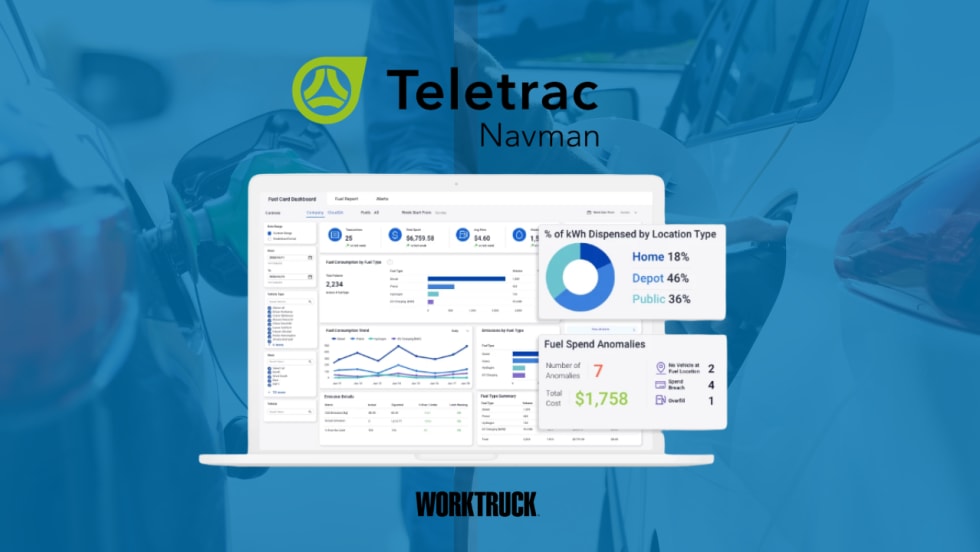
Teletrac Navman Adds Mixed-Energy Fleet Tools to TN360
The new Energy Hub combines fuel transactions, EV charging data, vehicle range, and energy costs in one dashboard for fleets operating multiple vehicle and energy types.
Read More →
WEX DriverDash adds CITGO, Expands Nationwide Access for Fleets
The DriverDash mobile payment app, by WEX, has been integrated into the CITGO merchant network, which means WEX has expanded its U.S. station footprint with the addition of approximately 4,000 CITGO locations.
Read More →
Mixed Energy Fleet Tips for Balancing EVs, Gas and Diesel Vehicles
Mixed energy fleets are becoming the new normal. Learn how fleet managers are balancing EVs, gas and diesel vehicles while controlling costs and planning for the future.
Read More →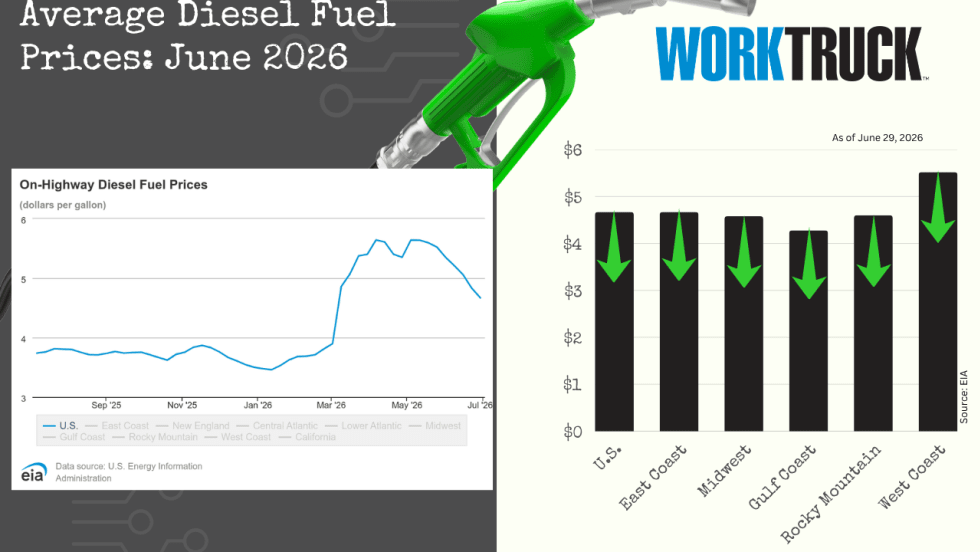
June Diesel Trends Update
The national average price of a gallon of diesel has dropped again, this week by more than 16 cents. All five regions reported lower average prices, ranging from almost 13 cents to more than 28 cents cheaper than a week ago.
Read More →
RoadFlex Launches RoadFlex Direct Open API Platform
RoadFlex Direct connects fuel cards, controls, and data to the telematics and fleet management systems fleets already run, from Geotab and Samsara to Fleetio and RTA, with no separate dashboard or double data entry.
Read More →
The Key to Fuel Efficiency Sits in the Cab
Learn how driver behavior, telematics, coaching, and fuel data can help fleets improve fuel efficiency, lower costs, and reduce emissions.
Read More →