




North Brunswick First NJ Township to Transition to Renewable Diesel
The Township of North Brunswick is the first in New Jersey to transition its entire fleet to Neste renewable diesel. The municipal fleet first tested renewable diesel earlier this year in its fleet of public work trucks.


The feedstock used to produce Neste MY Renewable Diesel comes from 100% renewable raw materials such as used cooking oil and animal fat waste.
Photo: Neste
Neste, a producer of renewable diesel, formed a partnership with the Township of North Brunswick in New Jersey. All the township’s diesel vehicles and equipment will begin running on renewable diesel.
This partnership makes North Brunswick the first township in the state to use renewable diesel for its fleet operations.
“Renewable diesel can play an essential part in reducing greenhouse gas emissions from municipal fleets,” said Carrie Song, senior vice president, commercial, renewable products at Neste. “Our partnership with the Township of North Brunswick and fuel distributor KW Rastall Oil is a shining example of how lower-emission solutions like renewable diesel are helping municipalities with sustainability ambitions to reach their goals.”
Renewable Fuel Trial Focused on Public Works Trucks
The township’s initial trial of switching fossil diesel to renewable diesel was conducted in early May, 2024. Neste MY Renewable Diesel was used during the trial in the township’s Department of Public Works (DPW) trucks.
Renewable diesel is made from 100% renewable raw materials such as used cooking oil and animal fat waste.
Neste said the use of MY Renewable Diesel helps reduce greenhouse gas emissions by up to 75% over its life cycle compared to fossil diesel.
Since Neste MY Renewable Diesel is compatible with all diesel engines and delivers the same performance as fossil diesel, North Brunswick seamlessly transitioned to this fuel without the need for new fueling infrastructure or investment into fleet modifications.
Fueling the Entire Diesel Fleet with Renewable
Now North Brunswick’s entire fleet with diesel engines, including:
Public works vehicles
Emergency medical services vehicles
Fire trucks
School buses
Backup generators
These vehicles and equipment will use over 48,000 gallons (141 tons) of renewable diesel annually, which Neste said can help reduce GHG emissions by up to 470 tons annually compared to the use of fossil diesel. This is equal to the annual direct GHG emissions from more than 110 passenger vehicles according to the EPA Greenhouse Gas Equivalencies Calculator.
The delivery of Neste’s renewable diesel is made possible by Diesel Direct and KW Rastall Oil, leading providers of fuel services in New Jersey. In April 2024, KW Rastall Oil opened New Jersey’s first public renewable diesel fueling station in North Brunswick.
In the past decade, Neste has been supplying renewable diesel to over 100 municipal customers, school districts and local transit authorities in the U.S. West Coast. Neste’s annual production capacity is 1.9 billion gallons (5.5 million tons) of renewable products globally. Neste was one of the first companies to supply renewable diesel to states on the West Coast, including California and Oregon, and the company is rapidly expanding its production, fueling station network, and distribution capabilities to meet the growing demand across the U.S.
More Fuel

The Smart Way to Build a Mixed-Energy Fleet Isn’t About Picking a Side
Mixed-energy fleets aren’t about picking a winning fuel. Sarah Booth of WEX explains how vehicle data, duty cycles, charging strategy, and real-world costs can help fleets choose the right energy source for each job.
Read More →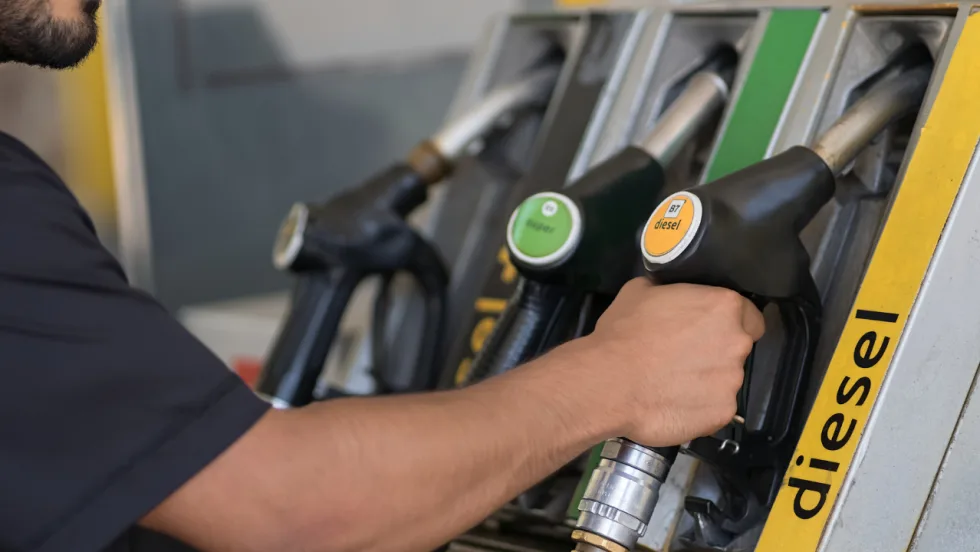
Ignoring This Dashboard Warning Could Cost Your Fleet Thousands in Fuel
New research suggests neglected diesel aftertreatment systems could waste up to $30 in fuel per vehicle each day. Here's why vocational fleets should pay attention.
Read More →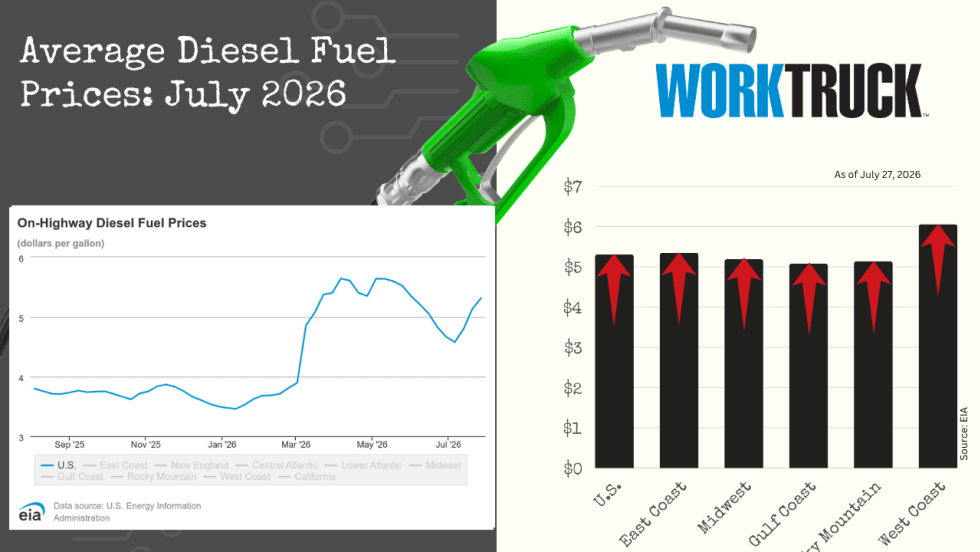
July Diesel Trends Update
The average price of a gallon of diesel increased again this week, and the EIA reported a new national average of $5.31 at the start of the week.
Read More →
WEX Brings Standard Fleet's Connected Vehicle Platform to Fleet Customers
This week’s product launch with Standard Fleet’s connected vehicle platform reflects WEX Venture Capital's strategy of turning startup innovation into customer solutions. Standard Fleet is now available to WEX fleet customers.
Read More →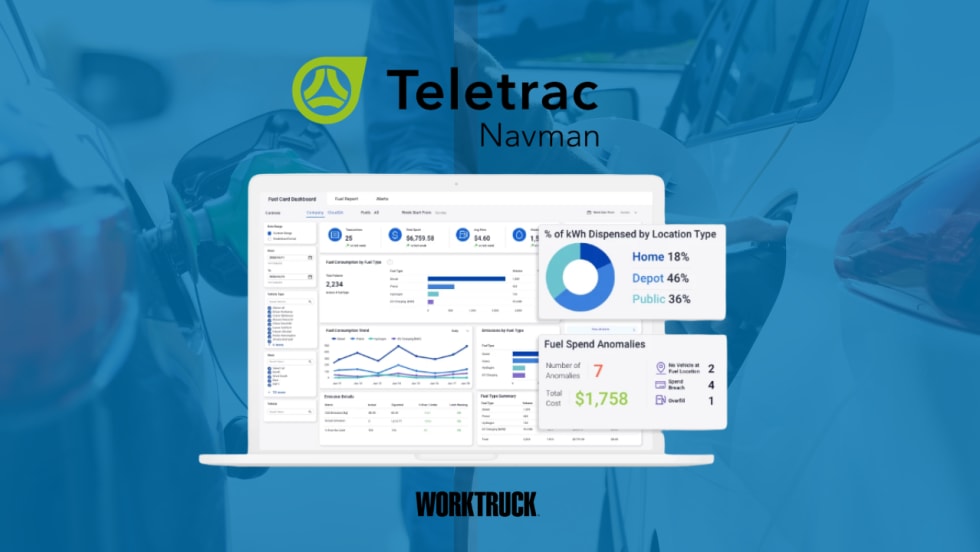
Teletrac Navman Adds Mixed-Energy Fleet Tools to TN360
The new Energy Hub combines fuel transactions, EV charging data, vehicle range, and energy costs in one dashboard for fleets operating multiple vehicle and energy types.
Read More →
WEX DriverDash adds CITGO, Expands Nationwide Access for Fleets
The DriverDash mobile payment app, by WEX, has been integrated into the CITGO merchant network, which means WEX has expanded its U.S. station footprint with the addition of approximately 4,000 CITGO locations.
Read More →
Mixed Energy Fleet Tips for Balancing EVs, Gas and Diesel Vehicles
Mixed energy fleets are becoming the new normal. Learn how fleet managers are balancing EVs, gas and diesel vehicles while controlling costs and planning for the future.
Read More →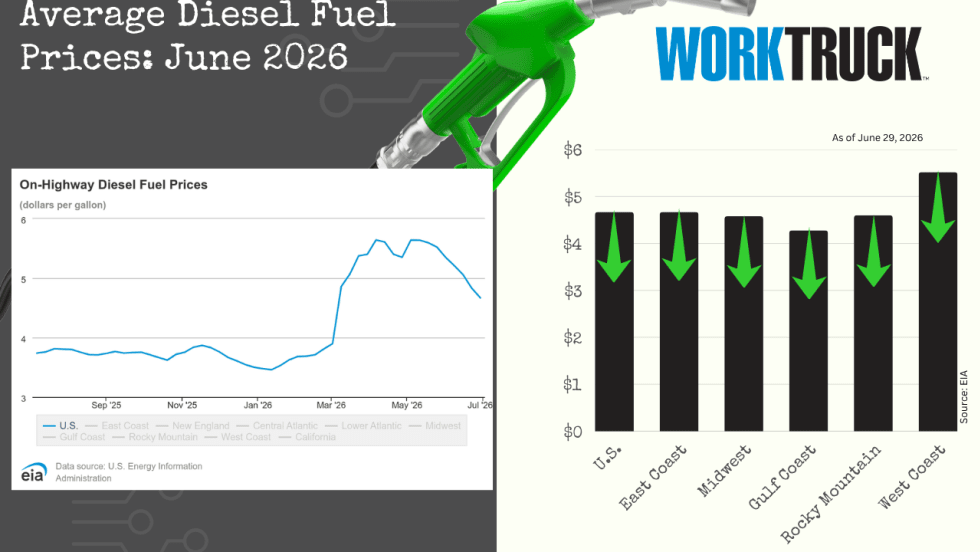
June Diesel Trends Update
The national average price of a gallon of diesel has dropped again, this week by more than 16 cents. All five regions reported lower average prices, ranging from almost 13 cents to more than 28 cents cheaper than a week ago.
Read More →
RoadFlex Launches RoadFlex Direct Open API Platform
RoadFlex Direct connects fuel cards, controls, and data to the telematics and fleet management systems fleets already run, from Geotab and Samsara to Fleetio and RTA, with no separate dashboard or double data entry.
Read More →
The Key to Fuel Efficiency Sits in the Cab
Learn how driver behavior, telematics, coaching, and fuel data can help fleets improve fuel efficiency, lower costs, and reduce emissions.
Read More →