




More Than $1.5B in Federal Funding Provided for Disaster-Related Road Repairs
More than 1.5 billion in funding will aid in repairing and reconstructing federal-aid highways and federally owned roads that have been damaged by natural disasters, like Hurricane Helene.

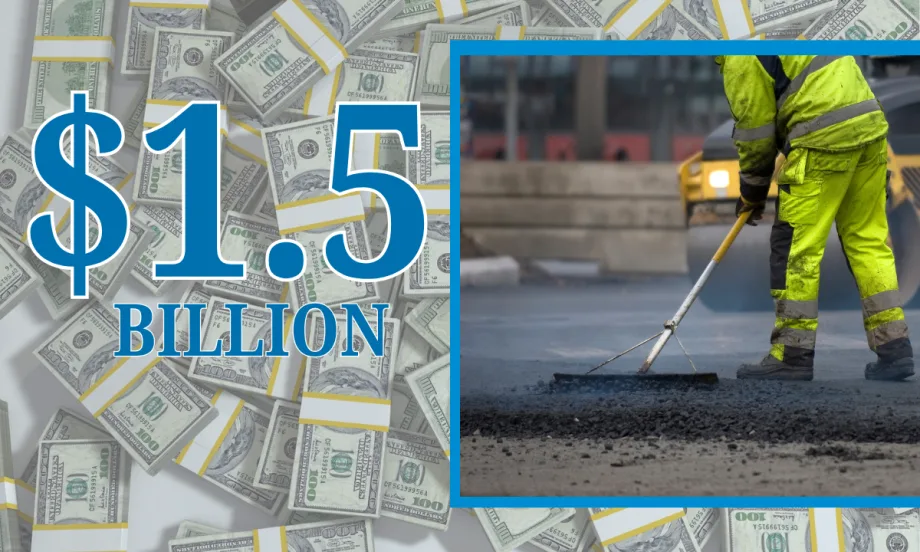
The Federal Highway Administration is providing more than $1.5 billion to repair and reconstruct federal-aid highways and federally owned roads in 36 states, the District of Columbia, Guam, the U.S. Virgin Islands, and Puerto Rico.
Photo: Work Truck
More than $1.5 billion in federal funding will be dispersed to help states and U.S. territories accelerate repairs to roads, bridges and other transportation infrastructure damaged by natural disasters, including more than $683 million to repair damage caused by Hurricane Helene.
U.S. Transportation Secretary Sean P. Duffy, who announced the funding, visited some of the hardest hit areas as one of his first actions when taking office. Repairs resulting from these events will receive federal reimbursement funding under the Federal Highway Administration’s (FHWA) Emergency Relief (ER) program.
As part of the U.S. Department of Transportation’s coordinated approach to help states move quickly to repair and rebuild roads and bridges, the FHWA is providing the funds to repair and reconstruct federal-aid highways and federally owned roads in 36 states, the District of Columbia, Guam, the U.S. Virgin Islands, and Puerto Rico.
The funds will be used to support repair needs following natural disasters, catastrophic events, and extreme weather such as flooding, wildfires, hurricanes, and mudslides.
“We are expediting the process to remove unnecessary barriers for urgent projects so communities can rebuild in real time. Within the first 100 days of the administration, we announced repairs to North Carolina’s I-40 highway, washed out by Hurricane Helene, that are projected to save two-thirds in both cost and time—amounting to hundreds of millions of hard-earned tax dollars,” said Duffy. “We will continue to support impacted states and regions every step of the way as they make emergency repairs and get critical transportation infrastructure back up and running as quickly and safely as possible.”
“The Federal Highway Administration has been working closely with states across the country to restore vital transportation networks and provide safe travel for the public,” said Federal Highway Chief Counsel Jay Payne. “As we continue to provide disaster relief, we remain steadfast in our commitment to provide the federal resources needed until all highway transportation links are restored.”
North Carolina is receiving $415 million of which more than $400 million is for Hurricane Helene damage.
Tennessee is receiving $227 million of which more than $178 million is for Hurricane Helene damage.
South Carolina is receiving $68.8 million of which more than $50 million is for Hurricane Helene damage.
Florida is receiving $44.6 million of which more than $43 million is for Hurricanes Milton, Helene and Debby damage.
Georgia is receiving $26.4 million, including $23 million for Hurricane Helene damage.
FHWA’s Emergency Relief Program provides funding to help states perform repairs caused by major natural disasters and extreme weather events.
More Operations
Where’s My Truck: Inside the Fleet Logistics Work Nobody Sees
Shades of Fleet video thumbnail featuring Lauren Fletcher beside the text “The People Behind the Process, Keeping Fleets Moving,” with fleet vehicles and logistics imagery in the background.
Read More →
Work Truck Seeks Fleet and Industry Insights on 2026 Trends and 2027 Forecasts
Work Truck is seeking insights from fleet leaders and industry partners on the trends that shaped 2026 and what commercial fleets should prepare for in 2027. Participate today!
Read More →
It's 10 p.m... Do You Know Who Has Access to Your Fleet?
Preventing cargo theft requires investment in technology, operational processes, and employee training. In an industry with tight margins, it can be difficult to justify investments whose value is measured by incidents that might never occur.
Read More →From Our Partners
Basic Tracking vs Next Generation Fleet Technology
Sponsored by AT&T Business

5 Facts Every Fleet Manager Should Know About Embedded Telematics
Sponsored by Stellantis/Mobilisights

How AI Video Telematics Boosts Driver Safety and Helps to Avoid Unnecessary Costs
Sponsored by Verizon Connect
Charting the 8 Bottom-Line Benefits of Workforce Optimization
Sponsored by Verizon Connect


GeoFencing Adds to Your Truck Security Arsenal
Geofencing is a familiar fleet tool today, but its early adoption marked a major shift in vehicle tracking, route monitoring, and the debate over employee privacy.
Read More →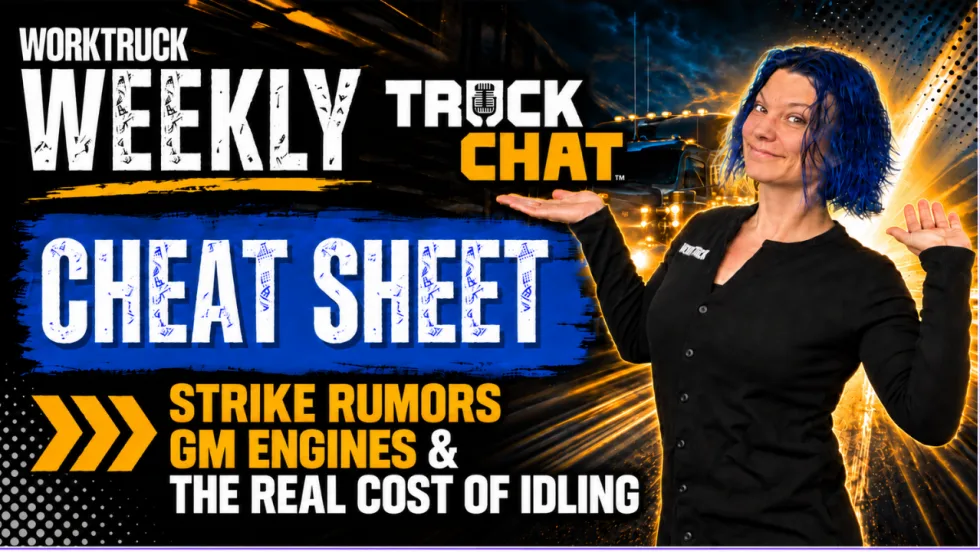
Truckers’ Strike Rumors, New GM Engines, and Hidden Idling Costs Lead This Week’s News
Truckers’ strike rumors, GM’s new 2027 engines, hidden idling costs, racing lessons, IRP rules, and more headline this week’s Truck Chat Weekly Cheat Sheet.
Read More →
Shades of Fleet Wants to Hear From You About Building a Culture of Care
Fleet leaders, we want to hear from you. Share how empathy, trust, and creating space for people can strengthen your team, improve performance, and support retention.
Read More →
What Racing Can Teach Work Truck Fleets About the Work Nobody Sees
Race car driver and mechanical engineer Isaac Johnson shares practical lessons on preparation, relationships, setbacks, and building teams that perform when it counts.
Read More →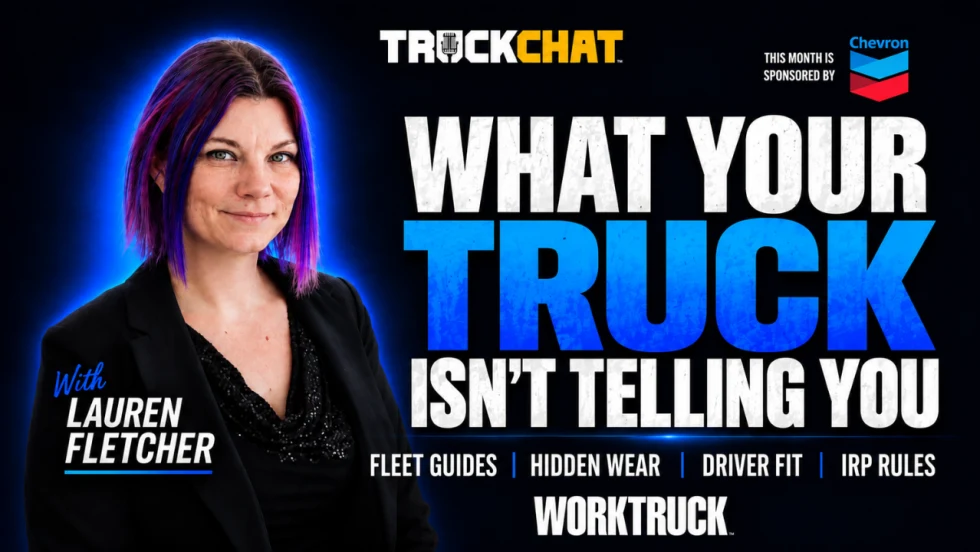
New Fleet Guides, Hidden Truck Wear, and Driver Fit Lead This Month
Our latest Truck Chat recap covers new Fleet Guides, hidden idling costs, driver fit, lighter-truck registration rules, and year-round technician appreciation.
Read More →
Work Truck Takes Fleet Rivalry Downhill to Support Skilled Trades
Team Fletcher claimed a head-to-head win and second overall as Work Truck and Automotive Fleet helped raise $22,000 for the Hourglass Foundation.
Read More →
From Ledger Books to AI Patti Earley Shares 40 Years of Fleet Lessons
Patti Earley, CAFM, shares what four decades in fleet have taught her about using data, building relationships, and listening to the people behind the vehicles.
Read More →