





Fleet Safety Spotlight: Essential Reads for National Safety Month
Making Fleet Safety a Priority All Year Long
Are you ready to take the lead in prioritizing safety for your commercial work truck fleet every month? Work Truck shares the top tips to ensure that fleet safety remains a top priority each day.
June 24, 2024

Fleet safety efforts need to be a priority all year long. Use National Safety Month as a kick off to your year-round efforts.
Photo: Work Truck
3 min to read
As National Safety Month draws to a close, it's crucial for fleet managers to understand that fleet safety is not a one-time event, but a continuous commitment. By integrating daily practical safety measures, you can significantly enhance the safety, efficiency, and productivity of your fleet.
Are you ready to take the lead in prioritizing safety for your commercial work truck fleet every month? Here are some essential steps to ensure that fleet safety remains a top priority each day.
Practical Steps for Everyday Fleet Safety
Regular Training: Continuous education on safe driving practices, defensive driving techniques, and the latest safety technologies are crucial. Regular training sessions keep drivers informed and prepared to handle various situations on the road. Consider implementing:
Monthly safety workshops
Defensive driving courses
Updates on new safety regulations and technologies
Routine Inspections: Scheduled vehicle inspections and maintenance checks ensure that all vehicles operate safely. A proactive approach helps identify and address potential issues before they escalate. Key practices include:
Daily pre-trip and post-trip inspections
Adhering to a strict maintenance schedule
Using checklists to ensure no aspect of the vehicle is overlooked
Safety Technology: Leveraging telematics and Advanced Driver-Assistance Systems (ADAS) can provide real-time data and alerts, helping drivers stay aware of their surroundings and adjust their behavior accordingly. Integrating technology can involve:
Installing telematics systems to monitor driving patterns and vehicle health
Utilizing ADAS features such as lane departure warnings, automatic emergency braking, and collision avoidance systems
Regularly updating software and training drivers on the use of new technologies
Clear Communication: As fleet managers, you play a crucial role in establishing open lines of communication with drivers. This is essential for fostering a robust safety culture. Clear communication allows for the quick dissemination of safety information and provides drivers with the opportunity to report any concerns. Effective strategies include:
Conducting regular safety meetings and briefings
Creating a safety hotline or digital platform for reporting hazards
Encouraging feedback and suggestions from drivers on improving safety practices
Incentive Programs: Recognizing and rewarding safe driving behavior can motivate drivers to adhere to safety protocols consistently. Consider implementing incentive programs that:
Offer rewards for accident-free periods
Acknowledge drivers who consistently follow safety procedures
Provide bonuses for drivers who participate in safety training sessions
Emergency Preparedness: Ensuring drivers are prepared for emergencies can mitigate risks and enhance response times. Equip your fleet with:
Emergency kits in each vehicle
Clear protocols for handling accidents, breakdowns, and other emergencies
Regular drills to practice emergency response procedures
Remember, by incorporating these practical steps into your daily operations, you can establish a safer, more efficient, and productive fleet. Safety is not a one-time effort but a continuous journey that brings benefits every day. Let's commit ourselves to making safety a priority every month, safeguarding our drivers, assets, and reputation.
More Safety

When Work Trucks Under 26,001 Pounds Need IRP Registration
Think trucks under 26,001 pounds are automatically in the clear when it comes to IRP? Not always. Learn where lighter vehicles can still run into trip permit, apportioned registration, and IFTA compliance requirements when crossing state or provincial lines.
Read More →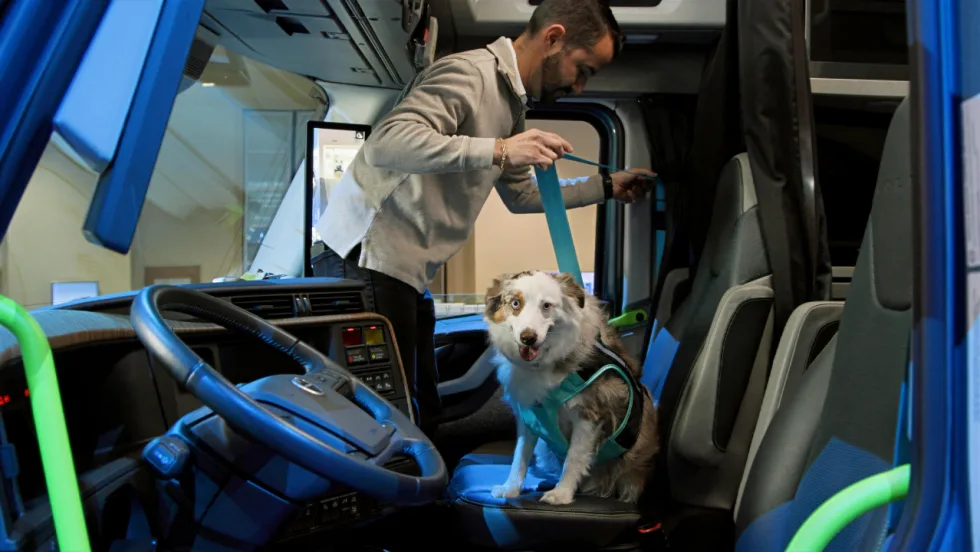
Volvo Trucks Releases New Safety Recommendations for Traveling with Pets
One of the most important recommendations for professional drivers traveling with pets is to ensure pets are properly restrained while the truck is moving. Other tips are available in the new guide from Volvo Trucks North America and Center for Pet Safety.
Read More →
API Issues Refueling Safety Guidelines
The American Petroleum Institute offers a list of safe vehicle refueling guidelines, including ways to avoid potential problems with static electricity discharges in fall, winter, and early spring.
Read More →
Winter Fleet Prep: Expert Tips to Keep Vehicles Running Smoothly
Cold weather can expose weak batteries, tires, fuel systems, and maintenance gaps fast. Use this winter fleet checklist to prepare trucks and drivers before temperatures drop.
Read More →
When a Work Truck Breaks Down, the Job Can Stop, Too
A work truck breakdown can stop more than the vehicle. Discover how payloads, jobsites, and specialty equipment change the roadside response.
Read More →
What Stronger Long-Term Fleet Service Partnerships Actually Require
Fleet service partnerships rarely fall apart all at once. Learn the three warning signs that trust is eroding and what fleets and providers can do before downtime, frustration, and lost revenue follow.
Read More →
Applause & TRUCE Software Partner to Improve Driver Safety Through AI-Powered Telematics & Employee Performance Management
Applause has integrated TRUCE driving metrics directly into its employee-first performance and safety platform that transforms mobile devices into AI-powered telematics.
Read More →
How Detroit Assurance with Active Brake Assist Works
Do you want to see what it is like to experience Detroit Assurance’s Active Brake Assist? In this video, Work Truck will put you in the cab to see how it all works and then hear more details from DTNA’s Mike Young.
Read More →
Get Left of Loss: A 5-Step Workplace Violence Prevention Framework for Fleet Operators
Violence risks do not stop at the driver’s door. Learn five practical steps fleets can take to spot threats early and protect workers before loss occurs.
Read More →
Sponsored•July 17, 2026
How Better Visibility Cut Speeding Violations by 48%
Fleet leaders don't need more data, they need clearer visibility into what the data is saying. This case study explores how one utility replaced speeding-event counts with a single metric — miles driven in violation — to strengthen safety and significantly reduce speeding violations.
Read More →