




Lytx Updates Capabilities for Global Integration
Lytx Inc. released reusable user interface (UI) components to help technology partners reduce time to market and accelerate digital transformation by integrating pre-made UI components into their offerings.


Lytx is creating a library of reusable UI components for its open application programming interface (API) functionalities along with step-by-step guides for integration.
Photo: Lytx
Lytx Inc., a provider of video telematics solutions, released reusable user interface (UI) components to help technology partners reduce time to market and accelerate digital transformation by integrating pre-made UI components into their offerings.
Lytx is creating a library of reusable UI components for its open application programming interface (API) functionalities along with step-by-step guides for integration. The components are reusable, meaning they can be implemented in multiple places inside applications, and are easily configurable and extensible using small amounts of code to accelerate innovation and minimize development effort. In addition, the reusable components are released under an open-source software license, demonstrating Lytx’s open platform focus and enabling developers to customize the components, which can be easily translated from English to provide localization where needed.
“With many Technology Service Providers starting to offer video safety solutions as part of their portfolio of all-in-one solutions, seamless integration of video technology is key to accelerating speed-to-market and to reducing the developmental burden,” said Rajesh Rudraradhya, Lytx’s chief technology officer. “Lytx introduced modern, cloud-native APIs years ago to make it easier for companies to integrate Lytx’s video applications and other third-party applications. With reusable components, we are further simplifying the process of adding video, making it easier than ever to tap into our industry leading video and MV+AI technology via the Lytx Vision Platform.”
As part of Lytx’s customer and partner empowerment approach, reusable UI components were developed to make integration easier, require fewer resources, and provide faster time-to-market for video telematics services. The components are powerful and easy to integrate, support most frameworks, and come with all relevant code, API calls, and documentation. Using reusable components can dramatically speed up the integration process, make work more efficient, and cut the overall time-to-market by up to 90%, allowing customers and partners to build custom solutions that can digitally transform their businesses, according to the company.
“The goal of our Lytx Vision Platform is to help our customers and partners gain a competitive advantage and introduce innovative video services swiftly to their employees and customers,” Rudraradhya said. “Offering reusable components is just one of the many tools we provide to help our partners increase efficiencies, innovate and grow their customer value and profitability, and accelerate transformation in our industry.”
The first available reusable component is Live Video, allowing near real-time live video from the vehicle with more components coming later this year.
A recent report from Lytx revealed 2021’s riskiest states, cities, and roadways for driving in the United States — as well as the riskiest days and times to be on the road. Check it out!
More Technology
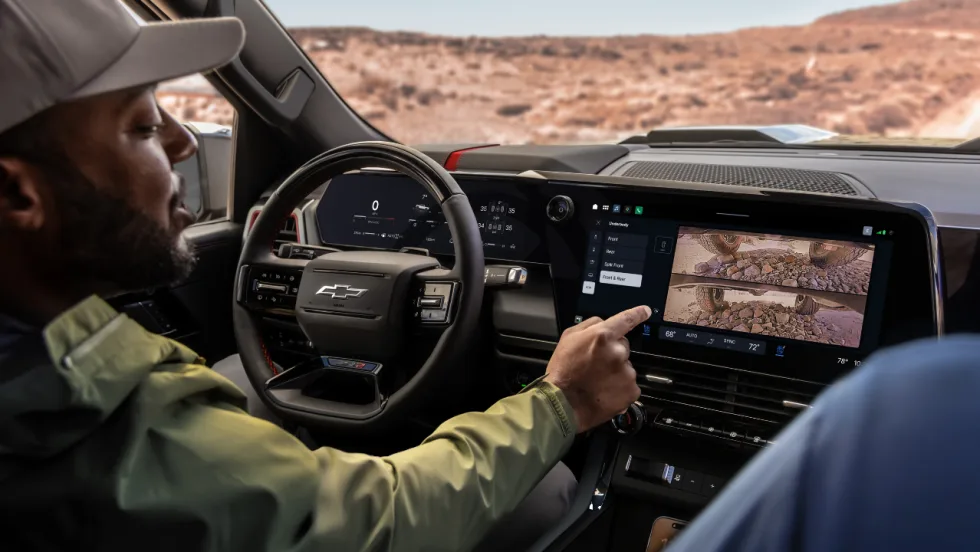
GM Brings New Truck Focused Interface to 2027 Silverado and Sierra
GM's new pickup interface puts trailering data, camera views, vehicle controls, and smartphone integration closer to the driver in the 2027 Silverado and Sierra.
Read More →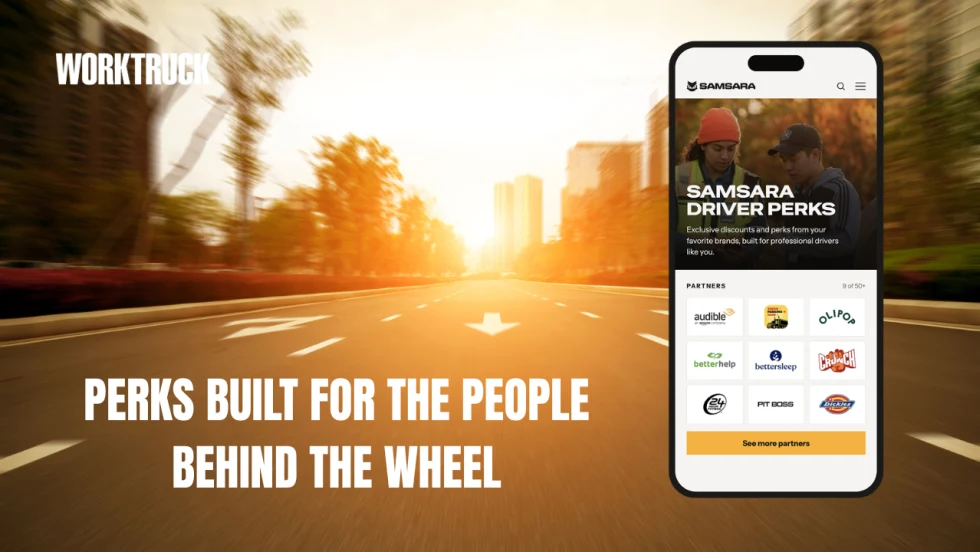
Samsara Driver Perks Expands Rewards Beyond the Long Haul Driver
Samsara’s new driver rewards program was built with a broader professional driver in mind, including employees who split their day between driving, job sites, service calls, and other work.
Read More →
AI Service Advisor Aims to Cut Fleet Repair Downtime
Fleetio said its AI Service Advisor can help fleets cut repair downtime by an average of 2.5 hours per repair while reducing manual maintenance work.
Read More →
Verra Mobility Launches AI-Driven Title & Registration Solution
Verra Mobility has launched a new AI-driven Title & Registration platform to help fleets move vehicles from acquisition to the road the same day while reducing compliance risk.
Read More →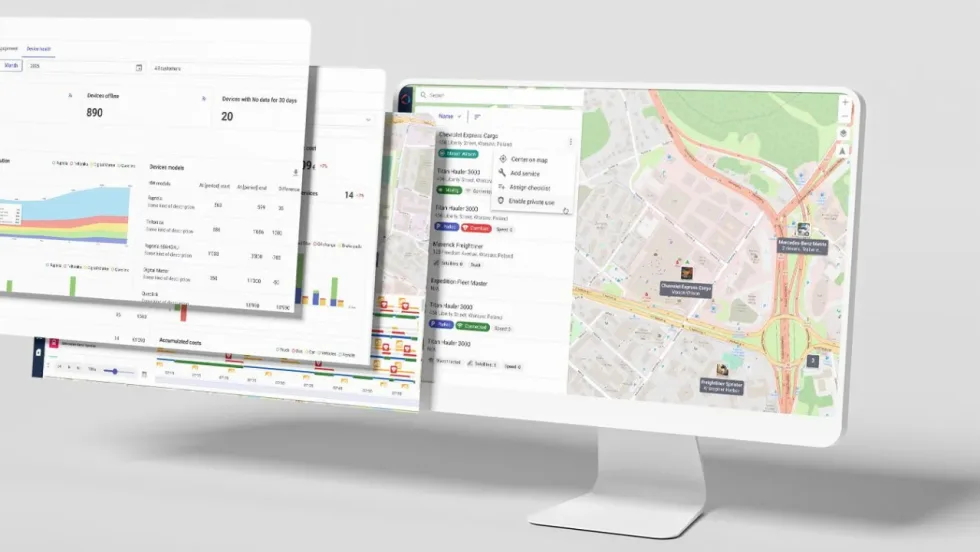
Wialon Unlocks OEM Data to Give Fleet Owners Data Ownership & Operational Clarity
Wialon has introduced hardware-free OEM integration as the EU Data Act accelerates the shift in vehicle data access across the fleet industry in many countries.
Read More →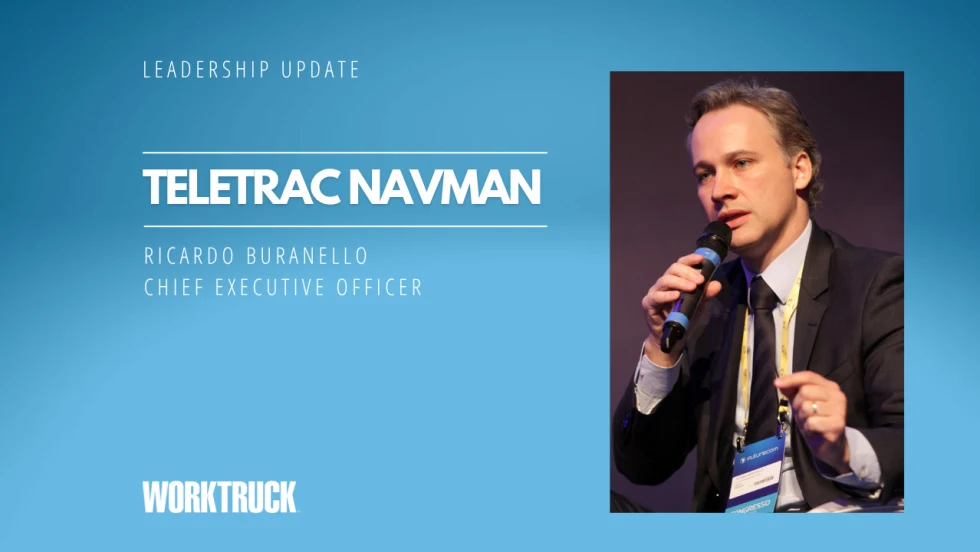
Teletrac Navman Promotes New CEO from Within
Teletrac Navman’s next CEO, Ricardo Buranello, has served as the company’s chief financial and operating officer. He brings deep financial and operational expertise, a strong strategic orientation, and an intimate knowledge of the business to his new role.
Read More →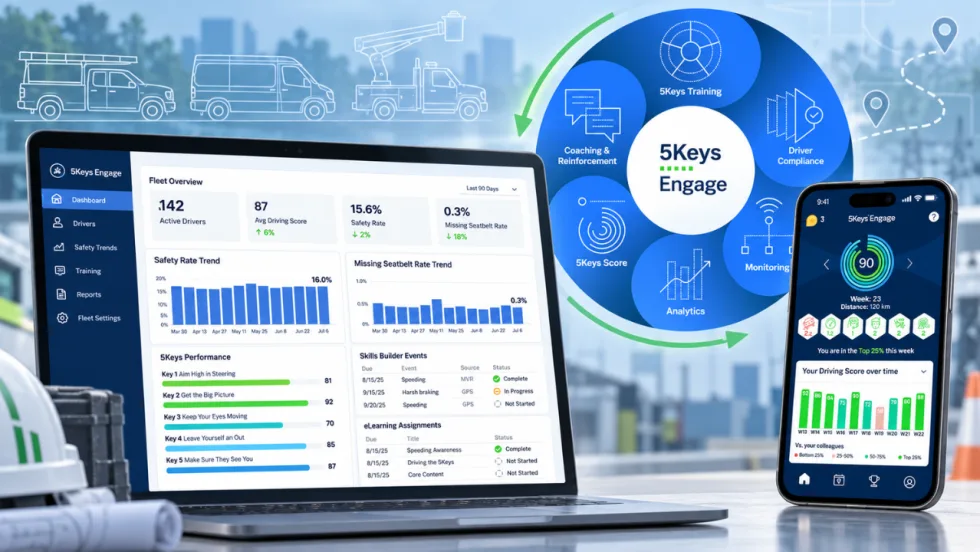
Smith System Wants Work Truck Fleets to Look Beyond the Driver Alert
Smith System’s new Driver Risk Management program is built to help mixed work truck fleets turn telematics alerts and observations into specific behaviors, coaching actions, and measurable follow-up.
Read More →
Ford Pro Software Updates: August 26
Check out the latest Ford Pro software updates, including Google Maps integration, Remote Vehicle Alarm integration, Motor Pool for easier management of shared pool vehicles, and more.
Read More →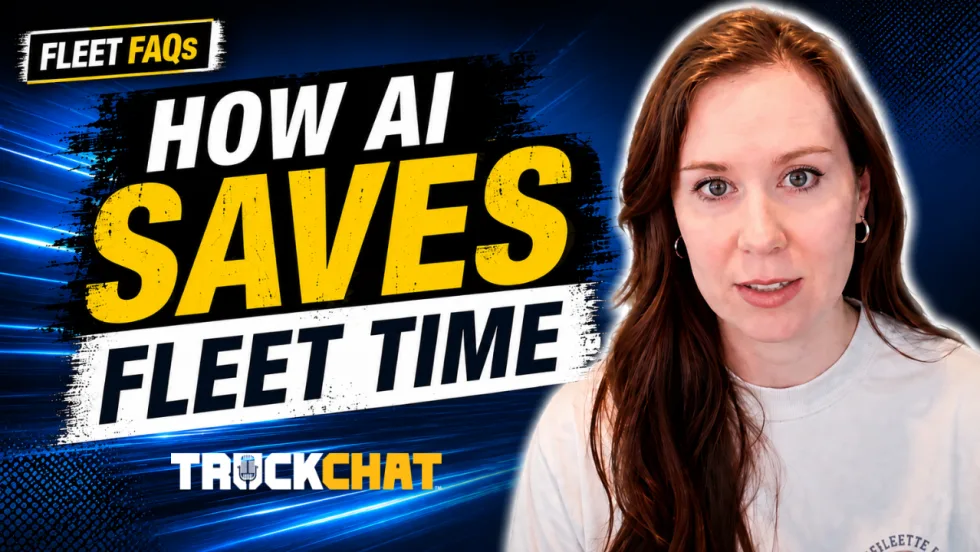
Where AI Is Actually Saving Fleet Managers Time
AI is moving past the buzzword stage and into the daily fleet workflow. Fleetio’s Brianna Perry Lang breaks down where fleets are seeing real time savings, from maintenance and data entry to repair decisions, safety, and compliance
Read More →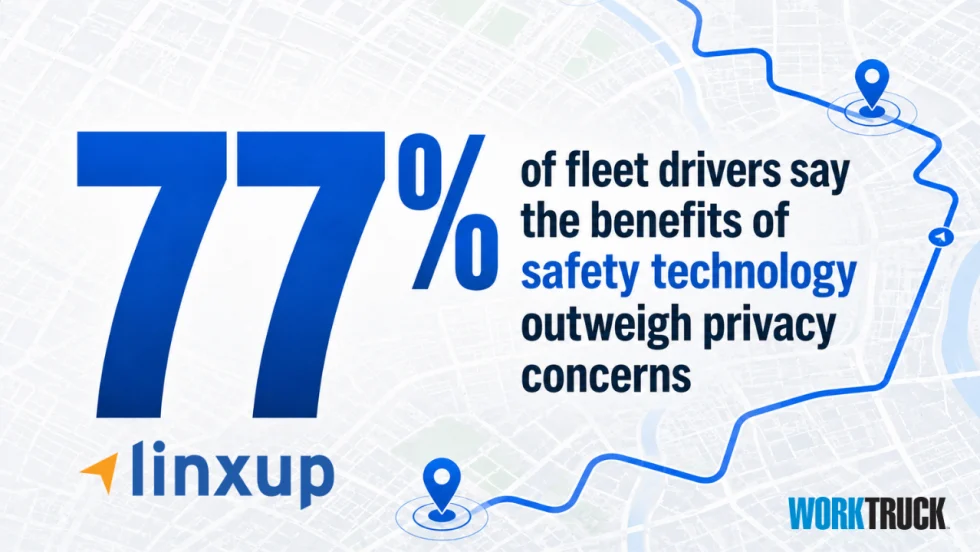
Are Work Truck Drivers Warming Up to Dash Cams and GPS Tracking?
A new survey finds field-service drivers may be more comfortable with dash cams and GPS tracking than fleet managers think, especially when the technology helps protect them after a crash.
Read More →