





Braking Beyond Basics: Practical Tips to Extend Work Truck Brake Life
Helping Commercial Vehicles Roll Safely and Efficiently After Winter’s Toll
This Bendix Tech Tips installment focuses on preventive maintenance practices that can help fleets and owner-operators address winter’s toll on wheel ends, air management systems, and the advanced safety systems that help keep you rolling.
March 17, 2025
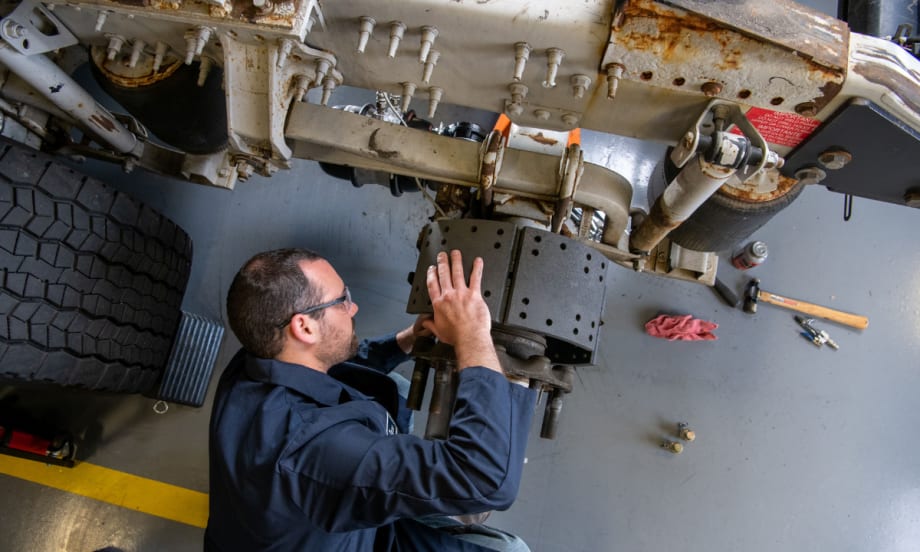
Inspecting and maintaining brakes and other vital systems are crucial as winter ends and fleets prepare for spring and summer.
Photo: Bendix
8 min to read
Temperatures are rising, potholes are being patched, and winter’s grip is finally loosening. As the seasons shift, spring maintenance is an opportunity to optimize vehicle performance, improve safety, and promote smooth operation for the miles ahead.
This Bendix Tech Tips installment focuses on preventive maintenance practices that can help fleets and owner-operators address winter’s toll on wheel ends, air management systems, and the advanced safety systems that help keep you rolling.
Wheel-Ends – Reliable Braking Performance
Commercial vehicle brakes work hard all winter, encountering road debris, moisture, road salts, and temperature extremes that can lead to wear and shortened service life. A post-winter inspection helps maintain optimal performance and consistent braking power, keeping vehicles compliant and road-ready.
Similar to any standard inspection, examine for corrosion, damage, and missing or loose components.
“Look for cracks or missing material in the friction, along with signs of contamination from oil or grease – as well as minimum thickness,” said Richard Conklin, director of engineering, wheel end. “A well-maintained braking system is key to safety and reliability. Taking a close look at components like friction, chambers, and automatic slack adjusters in the spring keeps stopping power consistent and extends component life.”
Checking Drum Brakes
When it comes to drum brakes, confirm the dust plugs on brake chambers are properly seated to help keep contaminants out, and make sure slack adjusters are lubricated to ward off corrosion.
Technicians should also measure chamber stroke at each wheel end to verify proper brake adjustment. They should also check that airlines are securely fastened and free of chafing and for signs of wear in the mounting mechanism.
Proper Lubrication is Essential
Proper post-winter lubrication is essential for protecting brake components and preserving long-term performance. Moisture and contaminants left over from winter exposure can lead to corrosion in slack adjusters, cam tubes, shafts, and bushings. Fresh grease helps displace residual moisture and keep brake operation smooth.
If brake friction needs replacing, use linings that meet OEM specifications and reduced stopping distance (RSD) and copper-content requirements. Keep in mind that not all friction marketed as “acceptable” under current RSD regulations actually meets the required performance standards. For balanced braking and vehicle stability, replace friction material on both sides of the axle at the same time.
Checking Air Disc Brakes
“Air disc brakes require their own inspection steps, including checking the rotor cooling fins for clogs, which can prevent the rotor from cooling properly,” Conklin said. “Inspect the chamber for damage or corrosion. And look at the air hoses and clamping mechanism to confirm they’re intact.”
Technicians should also verify that caliper boots remain undamaged. Even small tears or punctures can let in moisture – leading to internal corrosion and reduced brake performance. The condition of the guide pins is critical, as well.
Where necessary, replace parts, and check that the shear adaptor cover is properly seated. If needed, remove the pads and clean the carrier surface with a wire brush so everything moves freely. It’s also important to verify that the brake slides smoothly on its guidance system.
Air Systems Readiness – Reliable for Every Function
Corrosion, grit, and moisture accumulate during winter, and when they attack air system components, the effects can linger.
“A dependable supply of clean, dry compressed air isn’t just for braking anymore – it’s critical to automated manual transmissions (AMTs), full stability, and emissions controls,” said Tony Fischbach, air treatment product group director at Bendix. “Proactively maintaining the air system keeps trucks running at their best.”
Spring is the perfect time to assess how winter’s freeze-thaw cycles have affected air system components.
Exposure to moisture, road chemicals, and temperature swings can accelerate corrosion and material fatigue in components like air dryers, air tanks, and valve seals. Steel air tanks, in particular, are vulnerable to pinhole corrosion – checking them now helps prevent unexpected air pressure issues down the line. Inspecting purge and pressure protection valves for residue buildup from road salts is also key to maintaining a steady, dry air supply throughout the year.
Inspection of the Air Dryer
Begin with a detailed inspection of the air dryer, focusing on the seats around the purge and pressure protection valves, along with the governor connection.
“Water can mix with dirt, sand, and road chemicals and form residue that can clog purge and pressure protection valves and other air dryer parts – interfering with proper operation,” said Fischbach.
If you didn’t replace your air dryer cartridge or the purge valve in the fall, do it now. Are your pressure protection valves serviceable? Service those, too. If your application requires it, follow fleet guidelines for oil-coalescing air dryer cartridge models and always replace oil-coalescing cartridges like-for-like.
Look for Air System Leaks
Some air leaks may not be immediately visible or audible. A sign to watch for is slower system pressurization or more frequent cycling.
For example, your system may be losing air if charging the tank takes significantly longer, such as three or four minutes as opposed to one or two. Increased charging cycles also affect the life of the dryer cartridge since more air is going through it.
Because air-powered brake components depend on well-functioning valves to regulate pressure, keeping them in good shape is essential for smooth, reliable braking.
Brake Valves – Avoiding Corrosion and Sticking Issues
Brake valves play a key role in regulating airflow for smooth, responsive braking, but winter conditions can take a toll.
Corrosion, de-icing chemicals, and moisture exposure may degrade lubrication within valve seals – leading to internal sticking, delayed brake response, or uneven braking. A careful post-winter inspection helps verify proper function and prevents mid-season failures.
“Brake valve issues don’t always show up immediately after winter,” said Brian Screeton, Bendix manager – technical training and service. “Corrosion-related sticking can develop over time, especially if de-icing solutions or moisture have worn away lubrication inside the seals. That’s why a careful spring inspection – including manually checking for valve movement and confirming proper airflow – can help to prevent unexpected brake performance issues later in the year.”
Avoid Brake Anti-Freeze
Bendix advises against using brake anti-freeze compounds in the air system whenever possible, as they can wash away critical lubrication inside valves. If these compounds were used, technicians should inspect valves for external air leaks around O-rings and valve body connections and signs of internal sticking. Stiff valve movement or inconsistent airflow may indicate developing issues, while residue from de-icing chemicals can further restrict operation.
Testing valve function under operating pressure helps confirm smooth engagement, and addressing any issues early supports consistent braking and long-term vehicle reliability. By proactively maintaining brake valves now, fleets help keep their braking systems operating at peak performance.
Screeton added, “To check valve operation, refer to Bendix Technical Bulletin offering Air Pressure Balance and Threshold Pressure Tests (BW1555), available online in the document library at B2Bendix.com. The bulletin provides the pneumatic balance test to check the relay valves.”
ADAS Technologies – Safeguarding Advanced Safety
Advanced driver assistance systems (ADAS), including antilock braking systems (ABS), electronic stability control (ESC), and collision mitigation, play a key role in supporting safer driving.
However, winter exposure to moisture, salt, and road debris can degrade sensors, wiring harnesses, and key electrical connections associated with these systems – leading to possible malfunctions or system faults that can render the systems inoperable.
“Once water and salt seep into a damaged wiring harness, they can trigger ongoing trouble codes,” said TJ Thomas, director of marketing and customer solutions at Bendix. “A wiring and connector check – especially to the forward-looking radar – this spring can save you major headaches later and ensure that the system remains functional.”
Inspecting Wiring Harnesses
Wiring harnesses – particularly those connected to wheel-speed sensors, radar units, and cameras – are especially vulnerable to damage from winter conditions. Chafing, corrosion, or loosened connectors can lead to intermittent electrical shorts, which may not immediately trigger a diagnostic trouble code but can result in the system becoming inoperable.
Inspect all exposed harnesses for frayed insulation, cracked casings, or corroded pins in connectors. Running a diagnostic scan can help catch active or inactive trouble codes before they escalate into full system failures.
Maintaining Radar Units
Front-mounted radar units should be checked for corrosion at their connectors, as these components take the brunt of winter’s debris and chemical exposure. If the radar is obstructed with grime or road chemicals, gentle cleaning with an approved solution helps clear the detection zone. Additionally, after any front-end alignment, recalibrating the steering angle sensor is essential to maintain proper ADAS function.
ESC and collision mitigation rely on accurate steering input data, and an uncalibrated steering angle sensor can cause unexpected system responses, such as unintended interventions or incorrect driver alerts. It is important to note that a collision mitigation system cannot operate without a fully functional radar unit, so regular inspection of the radar unit is essential.
Tires Also Must Be Checked
Tires also directly impact ADAS performance by influencing stopping distance, stability, and traction control engagement. A tire pressure monitoring system (TPMS) check can be part of post-winter maintenance, as large temperature fluctuations usually affect tire pressure.
ADAS Maintenance Needed
Post-winter ADAS maintenance helps ensure that safety technologies operate as intended – reducing false warnings, preventing unexpected system deactivations, and maintaining optimal vehicle stability systems. By proactively addressing potential issues, fleets can improve uptime while helping drivers remain confident in their vehicle’s advanced safety features.
Bendix notes that advanced driver assistance technologies complement safe driving practices. No commercial vehicle safety technology, including Bendix safety technologies, replaces a skilled, alert driver exercising safe driving techniques and proactive, comprehensive driver training. Responsibility for the safe operation of the vehicle remains with the driver at all times. Every driver should carefully review the Operator’s Manual and be trained by the fleet or vehicle owner on the proper operation and limitations of the ADAS system during operation.
Supporting Safer, More Efficient Operations
Spring maintenance is a proactive step toward safer, more efficient operations. Keeping braking, air systems, and ADAS technologies in peak condition helps fleets stay road-ready and compliant while helping to reduce long-term wear on key components.
That’s why, no matter the product or technology, you should always check the service data sheets and operator’s manuals of the vehicle OEMs and suppliers for complete maintenance information. It’s also an opportunity to optimize vehicle performance, promote safety, and protect critical components. By addressing winter’s effects now, fleets can cruise into summer with confidence.
More Maintenance
Les Schwab Expands Commercial Tire Footprint Into Arizona
Les Schwab Tires has expanded into Arizona with two commercial tire locations in Phoenix and Tucson, strengthening its fleet service footprint in the Southwest.
Read More →
Volvo Trucks’ 'Lock and Leave' Software Updates Go Live Across North America
Unattended over-the-air software updates are now available in Volvo trucks across the U.S. and Canada. The new capability lets trucks stay current with the latest software without interrupting operations or requiring a dealership visit.
Read More →
Why Technician Appreciation Can’t Be a Once-a-Year Thought
For fleets trying to keep skilled technicians, recognition cannot begin and end with Technician Appreciation Week. Learn what year-round appreciation really looks like and why the everyday technician experience matters just as much as pay when fleets are trying to keep good people.
Read More →
How Faster Driver Reporting Can Keep Small Truck Problems Small
When minor damage, warning lights, or equipment issues are reported late, small problems can quickly become bigger maintenance headaches. Conversational AI can help shorten the path from what a driver notices in the field to the person who can act on it.
Read More →
BendPak’s Ranger Wheel Service Equipment Achieves North American Safety Certification
BendPak’s full line of Ranger tire changers and wheel balancers has been ETL certified to UL and CSA standards to improve operator safety.
Read More →
Isuzu & U.S. Department of Labor Celebrate Milestone for Veterans Apprenticeship Program
The Isuzu Veterans Apprenticeship Program (IVAP) signing ceremony highlighted Isuzu’s long-term commitment to veterans, Isuzu dealers, and the skilled workforce supporting its customers and the commercial transportation industry.
Read More →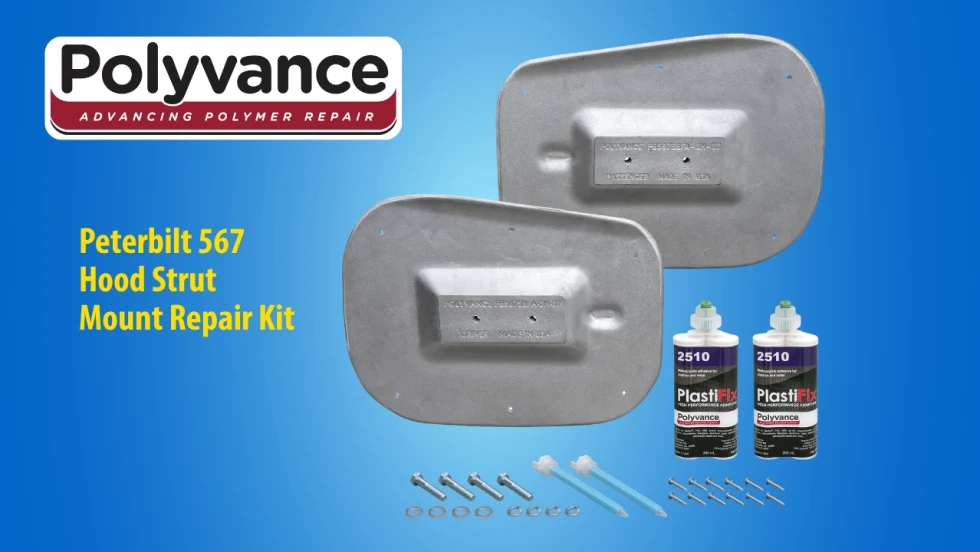
Polyvance Introduces New Peterbilt 567 Hood Strut Mount Repair Kit
Polyvance has launched a repair solution for Peterbilt 567 hood struts, helping truck owners and repair facilities avoid costly hood replacements.
Read More →
Cox Automotive Celebrates Technical Excellence at 2026 Top Tech Finals
The top technicians from Cox Fleet and Manheim tested their skills in Nashville, Tennessee, at Cox Automotive’s 2026 Top Tech Finals. The overall winners will advance to compete at the American Trucking Association’s TMC SuperTech competition.
Read More →
Grote Industries Appoints Vice President of North American Operations
Grote Industries has appointed Patrick Smith as vice president of North American operations as it celebrates 125 years of innovation and manufacturing excellence. He has more than 20 years of manufacturing leadership experience.
Read More →
Winter Fleet Prep: Expert Tips to Keep Vehicles Running Smoothly
Cold weather can expose weak batteries, tires, fuel systems, and maintenance gaps fast. Use this winter fleet checklist to prepare trucks and drivers before temperatures drop.
Read More →