





What World Cup Traffic Data Reveals About Commercial Vehicle Safety and Congestion
Geotab Brings Fleet Data Together for Faster Incident Investigations
Geotab Investigations combines telematics data, incident timelines, and supporting evidence in one workflow to help commercial fleets reconstruct collisions, complaints, property damage, and other events.
August 17, 2026
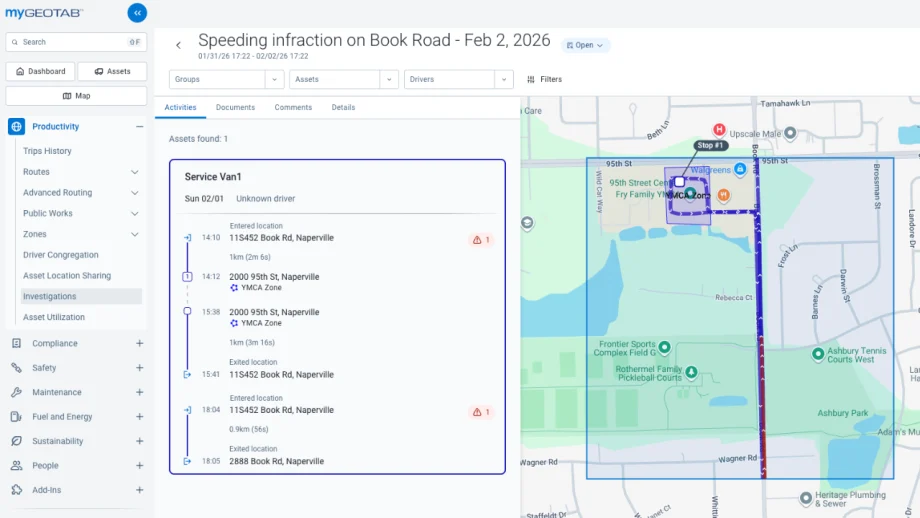
Geotab Investigations combines telematics activity, vehicle location, and incident timelines to help commercial fleet teams reconstruct what happened before, during, and after an event.
Credit:
Geotab
3 min to read
Geotab is continuing its push to turn fleet data into working business processes, this time targeting what happens after a collision, customer complaint, property damage, or other safety event. The company has launched Geotab Investigations, a new solution designed to help fleet, safety, compliance, and operations teams collect and organize the information needed to determine what happened during an incident.
Rather than pulling vehicle activity from one system, photos from another, and reports or notes from somewhere else, Investigations brings telematics data and supporting records together into a structured case.
Fleet teams can search vehicle activity by time and location, then combine trips, speed events, driver behavior, and location data to reconstruct what happened before, during, and after an event. Photos, videos, emails, reports, documents, and notes can also be added to the case, giving operations, safety, insurance, compliance, and other stakeholders access to the same record.
From Fleet Data to an Operational Workflow
The launch builds on a technology direction Geotab has been laying out for Work Truck readers since late last year.
In Geotab's 2026 fleet predictions, Founder and CEO Neil Cawse said AI would increasingly become part of the business processes that run fleet organizations rather than simply serving as a conversational or analytical tool. He also encouraged fleets to digitize processes that still rely on manually collected information so that data can be put to work.
“AI is going to run operations, not just conversations,” Cawse told Work Truck at the time.
That strategy became more tangible in June when Work Truck reported on Geotab's Model Context Protocol Connector, which allows live MyGeotab data to be accessed within approved AI platforms and used to support multi-step workflows. Geotab highlighted maintenance as one early use case, where fleet managers often spend hours gathering fault codes, vehicle history, utilization, and other information before making a decision.
Investigations applies that broader idea to another data-heavy fleet job: reconstructing an incident and assembling the records needed to review it.
Building a Record of What Happened
Geotab Investigations allows fleets to maintain each incident as a case with defined stages from open through closed. The company said the structured process is intended to make investigations more consistent and auditable while reducing the manual effort involved in gathering information. The data may also help fleets and drivers when responsibility for an incident is unclear.
“Fleet-related incidents have cost companies billions of dollars in litigation and reputational damage, largely because critical data remains siloed,” said Sabina Martin, Vice President of Product Management at Geotab. “Geotab Investigations changes this by turning raw data into a structured, defensible system of record, providing fleet managers with the intelligence to mitigate risk and the evidence to protect their drivers, operations and bottom line.”
The platform can support operational reviews, insurance claims, compliance needs, and other internal decision-making.
Geotab cautions, however, that Investigations is not an evidence-preservation, legal-hold, or custodial service. Fleets remain responsible for preserving and producing information required for litigation or investigations, including legal-hold and chain-of-custody obligations.
More Technology & AI
Geotab Data Shows Regional Trucking Growing Faster as Last Mile Routes Get Denser
Geotab's first U.S. supply chain report finds stable long-haul activity, stronger regional freight movement, tighter hub-and-spoke utilization, and more last-mile trips on shorter routes.
Read More →
When Fleet Technology Helps and When It Just Adds Complexity
New technology can help fleets work smarter, but only if it solves the right problem. Lauren Fletcher talks with AP Fleet’s Alex Coveney about innovation, AI, data, and knowing when a new solution is actually worth adopting.
Read More →
Volvo Trucks’ 'Lock and Leave' Software Updates Go Live Across North America
Unattended over-the-air software updates are now available in Volvo trucks across the U.S. and Canada. The new capability lets trucks stay current with the latest software without interrupting operations or requiring a dealership visit.
Read More →From Our Partners
Basic Tracking vs Next Generation Fleet Technology
Sponsored by AT&T Business
5 Facts Every Fleet Manager Should Know About Embedded Telematics
Sponsored by Stellantis/Mobilisights
How AI Video Telematics Boosts Driver Safety and Helps to Avoid Unnecessary Costs
Sponsored by Verizon Connect
Charting the 8 Bottom-Line Benefits of Workforce Optimization
Sponsored by Verizon Connect

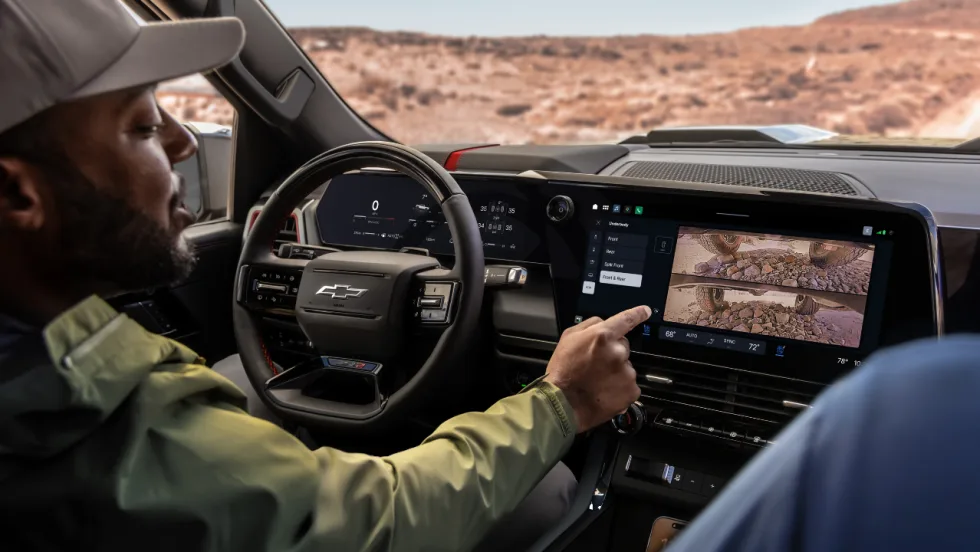
GM Brings New Truck Focused Interface to 2027 Silverado and Sierra
GM's new pickup interface puts trailering data, camera views, vehicle controls, and smartphone integration closer to the driver in the 2027 Silverado and Sierra.
Read More →
Samsara Driver Perks Expands Rewards Beyond the Long Haul Driver
Samsara’s new driver rewards program was built with a broader professional driver in mind, including employees who split their day between driving, job sites, service calls, and other work.
Read More →
AI Service Advisor Aims to Cut Fleet Repair Downtime
Fleetio said its AI Service Advisor can help fleets cut repair downtime by an average of 2.5 hours per repair while reducing manual maintenance work.
Read More →
Verra Mobility Launches AI-Driven Title & Registration Solution
Verra Mobility has launched a new AI-driven Title & Registration platform to help fleets move vehicles from acquisition to the road the same day while reducing compliance risk.
Read More →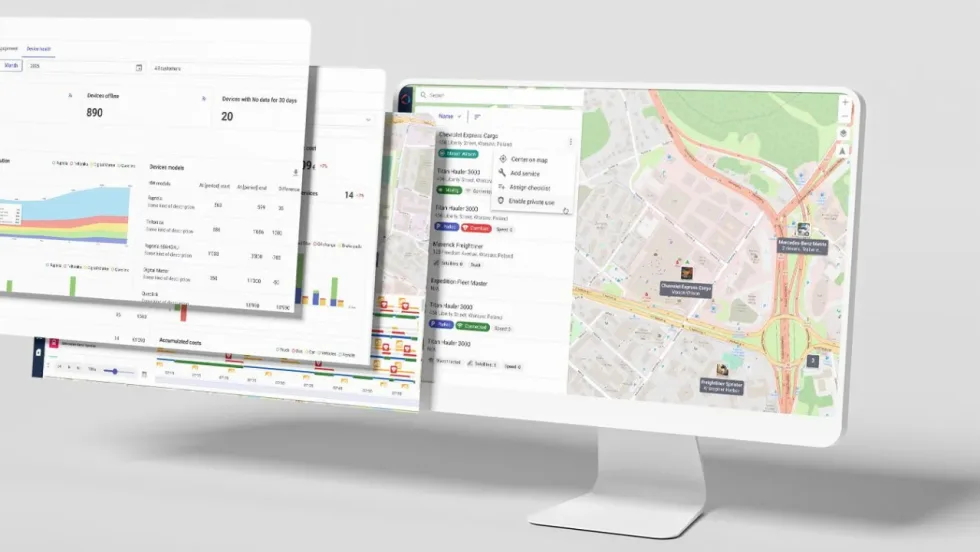
Wialon Unlocks OEM Data to Give Fleet Owners Data Ownership & Operational Clarity
Wialon has introduced hardware-free OEM integration as the EU Data Act accelerates the shift in vehicle data access across the fleet industry in many countries.
Read More →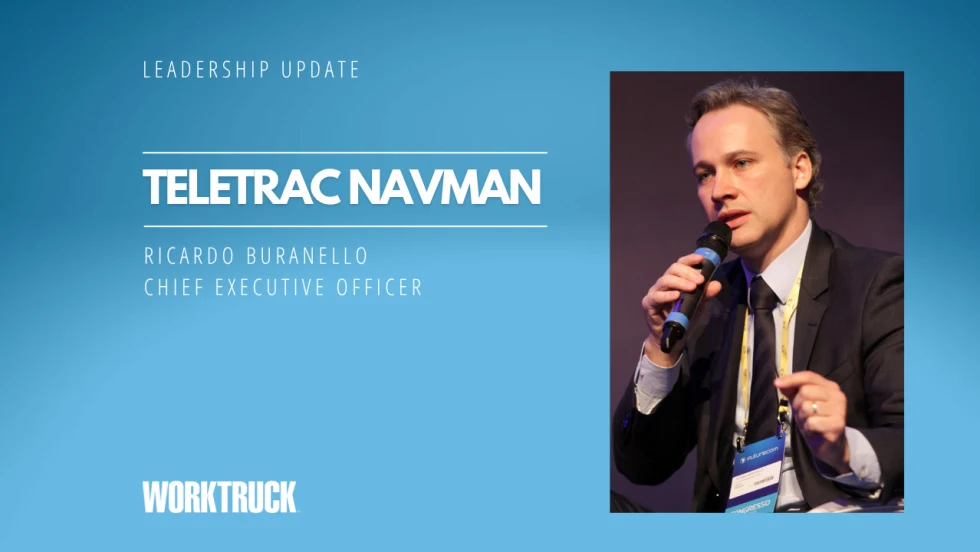
Teletrac Navman Promotes New CEO from Within
Teletrac Navman’s next CEO, Ricardo Buranello, has served as the company’s chief financial and operating officer. He brings deep financial and operational expertise, a strong strategic orientation, and an intimate knowledge of the business to his new role.
Read More →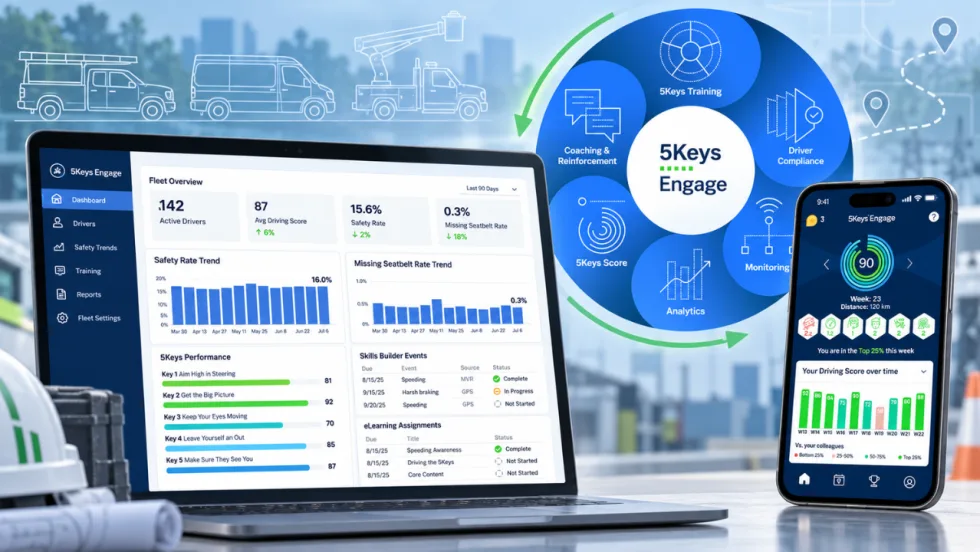
Smith System Wants Work Truck Fleets to Look Beyond the Driver Alert
Smith System’s new Driver Risk Management program is built to help mixed work truck fleets turn telematics alerts and observations into specific behaviors, coaching actions, and measurable follow-up.
Read More →