




GE and Chesapeake to Collaborate on Development of Natural Gas Infrastructure
HOUSTON - GE and Chesapeake Energy Corporation will collaborate on the development of infrastructure solutions that aim to accelerate the adoption of natural gas as a transportation fuel.
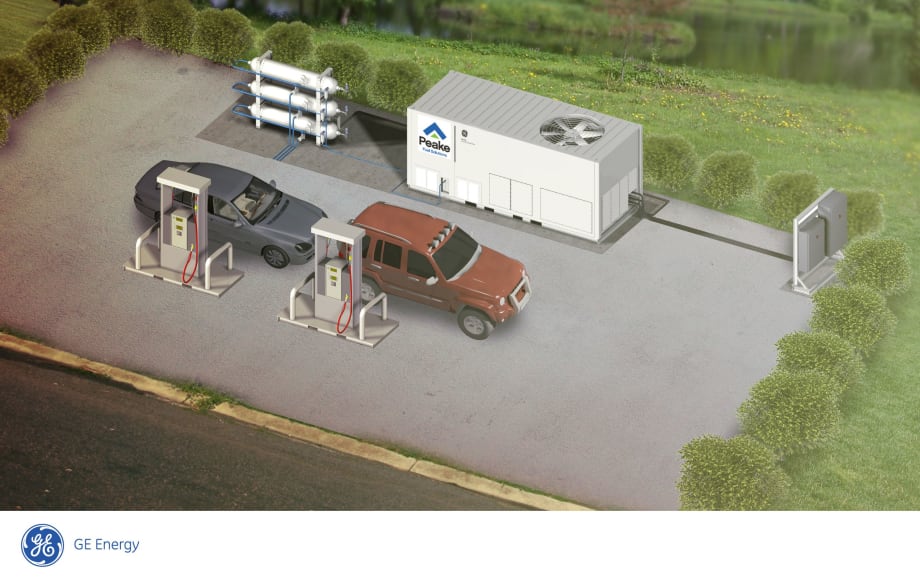
Rendering of a CNG In A Box installation
HOUSTON - GE and Chesapeake Energy Corporation will collaborate on the development of infrastructure solutions that aim to accelerate the adoption of natural gas as a transportation fuel. This technology and services project marks a milestone toward the increased use of natural gas—an abundant, reliable and cleaner-burning source of energy for both consumers and commercial user, according to the companies.
To formalize the agreement, GE and Chesapeake have signed a memorandum of understanding on a product and services development partnership, representing a multi-year collaboration between the two companies to develop and bring to market compressed natural gas (CNG) and liquefied natural gas (LNG) transportation and natural gas home-fueling solutions. By improving access to CNG, which is most commonly used in light- to medium-duty vehicles such as pickups, vans, SUVs, taxicabs, transit buses, refuse and delivery trucks as well as consumer vehicles, along with LNG, which is commonly used for heavy-duty industrial purposes, dependence on foreign energy sources can be reduced while simultaneously lowering fueling costs and vehicle emissions, according to the companies.
The collaboration is designed to leverage GE’s global oil & gas technology portfolio with Chesapeake’s expertise in developing innovative fueling solutions to lower the ownership and operational costs of natural gas vehicle (NGV) fueling stations. With the development of shale resources dramatically increasing the amount of low-cost natural gas in North America, the GE-Chesapeake collaboration could help incentivize operators to put more NGVs on the nation’s highways.
As part of the collaboration, beginning in the fall of 2012 GE will provide more than 250 modular and standardized CNG compression stations for NGV infrastructure. These units, also known as “CNG In A Box,” have, according to GE, gone through its rigorous ecomagination-qualification process and will provide the core infrastructure to enable expanded access to CNG at fueling stations and other designated installations.
A vehicle using CNG can reduce annual fuel costs up to 40 percent, assuming 25,700 miles per year driven, gasoline priced at $3.50/gallon and CNG at $2.09/gasoline gallon equivalent. This represents savings totaling as much as $1,500 per fleet vehicle per year. In total, for each fleet vehicle using fuel provided by CNG In A Box instead of gasoline, a fleet operator can reduce CO2e emissions from fuel combustion by about 24 percent, or 2.2 metric tons per vehicle annually, assuming an average fleet vehicle travels approximately 25,700 miles per year.
This CNG technology will be brought to market by Peake Fuel Solutions — a Chesapeake affiliate — which has experience with natural gas vehicles, vehicle emission controls, and natural gas market dynamics. Chesapeake also brings in-house expertise in CNG market development to the GE collaboration, including retail station relationships, fleet outreach and education programs and policy engagement.
CNG In A Box takes natural gas from a pipeline and compresses it onsite at an industrial location or at a traditional automotive refilling station to then turn it into CNG. A CNG vehicle, such as a taxi, bus or small truck, can then refill its tank using a traditional fuel dispenser, much like those used for diesel or gasoline refueling.
Key features include:
• The gas compression, storage, cooling, drying and controls are easy to ship and maintain due to its compact “In Box” design.
• The units come in two configurations: an 8-foot x 20-foot container or 8-foot x 40-foot container, depending on the site’s need.
• Its modular and intuitive design makes it “Plug & Play” on-site.
• The offering includes GE Wayne branded dispensers with credit card capability and provision for “Point Of Sale” interface.
• The fuel dispenses at a rate of about 7 gasoline gallon equivalent per minute.
Other elements of the new collaboration include:
• Aftermarket services for natural gas fueling infrastructure.
• GE’s LNG fueling plants, which adapt GE’s proven large-scale LNG liquefaction technologies to smaller-scale operations. Using LNG as a substitute for diesel or fuel oil can reduce combustion emissions up to 25 percent.
• Development of home refueling technologies.
• Co-marketing of products and services resulting from the partnership.
More Fuel

The Smart Way to Build a Mixed-Energy Fleet Isn’t About Picking a Side
Mixed-energy fleets aren’t about picking a winning fuel. Sarah Booth of WEX explains how vehicle data, duty cycles, charging strategy, and real-world costs can help fleets choose the right energy source for each job.
Read More →
Ignoring This Dashboard Warning Could Cost Your Fleet Thousands in Fuel
New research suggests neglected diesel aftertreatment systems could waste up to $30 in fuel per vehicle each day. Here's why vocational fleets should pay attention.
Read More →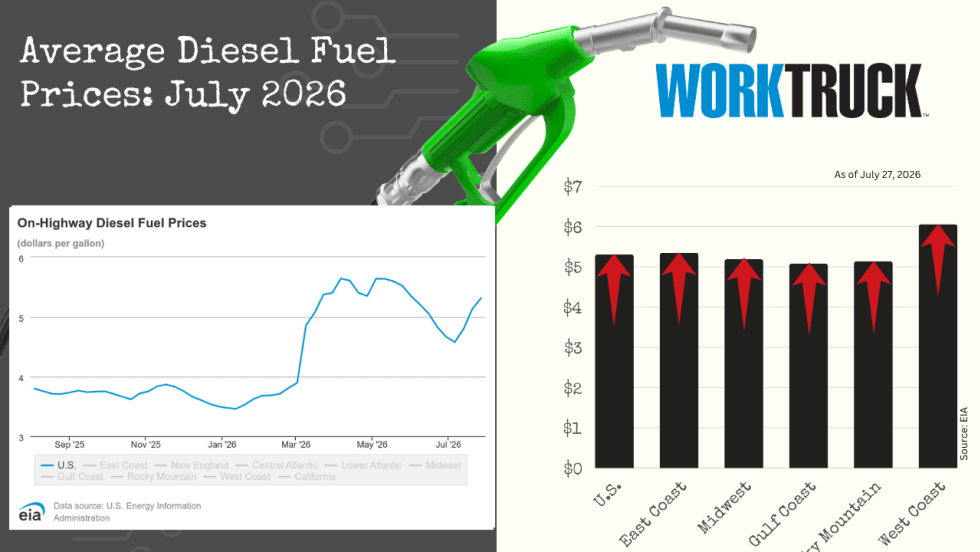
July Diesel Trends Update
The average price of a gallon of diesel increased again this week, and the EIA reported a new national average of $5.31 at the start of the week.
Read More →
WEX Brings Standard Fleet's Connected Vehicle Platform to Fleet Customers
This week’s product launch with Standard Fleet’s connected vehicle platform reflects WEX Venture Capital's strategy of turning startup innovation into customer solutions. Standard Fleet is now available to WEX fleet customers.
Read More →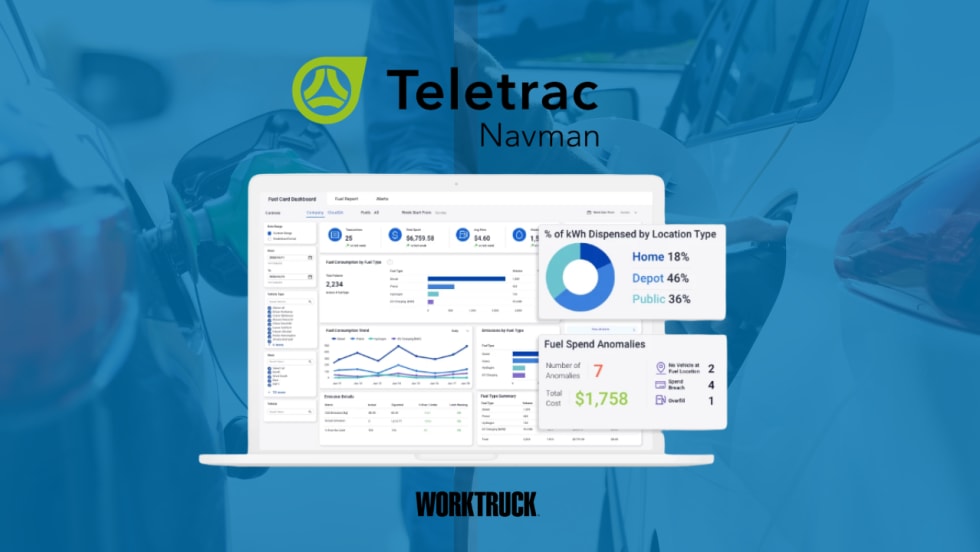
Teletrac Navman Adds Mixed-Energy Fleet Tools to TN360
The new Energy Hub combines fuel transactions, EV charging data, vehicle range, and energy costs in one dashboard for fleets operating multiple vehicle and energy types.
Read More →
WEX DriverDash adds CITGO, Expands Nationwide Access for Fleets
The DriverDash mobile payment app, by WEX, has been integrated into the CITGO merchant network, which means WEX has expanded its U.S. station footprint with the addition of approximately 4,000 CITGO locations.
Read More →
Mixed Energy Fleet Tips for Balancing EVs, Gas and Diesel Vehicles
Mixed energy fleets are becoming the new normal. Learn how fleet managers are balancing EVs, gas and diesel vehicles while controlling costs and planning for the future.
Read More →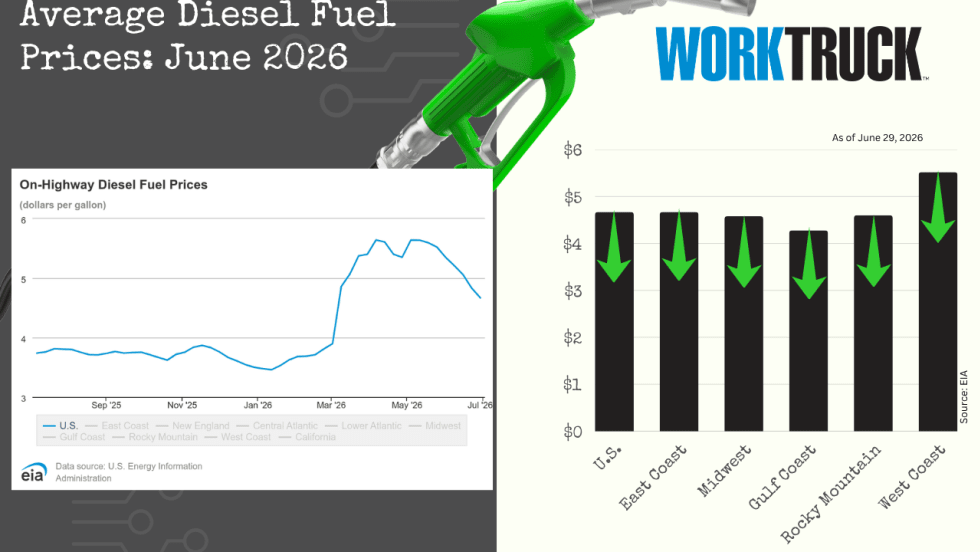
June Diesel Trends Update
The national average price of a gallon of diesel has dropped again, this week by more than 16 cents. All five regions reported lower average prices, ranging from almost 13 cents to more than 28 cents cheaper than a week ago.
Read More →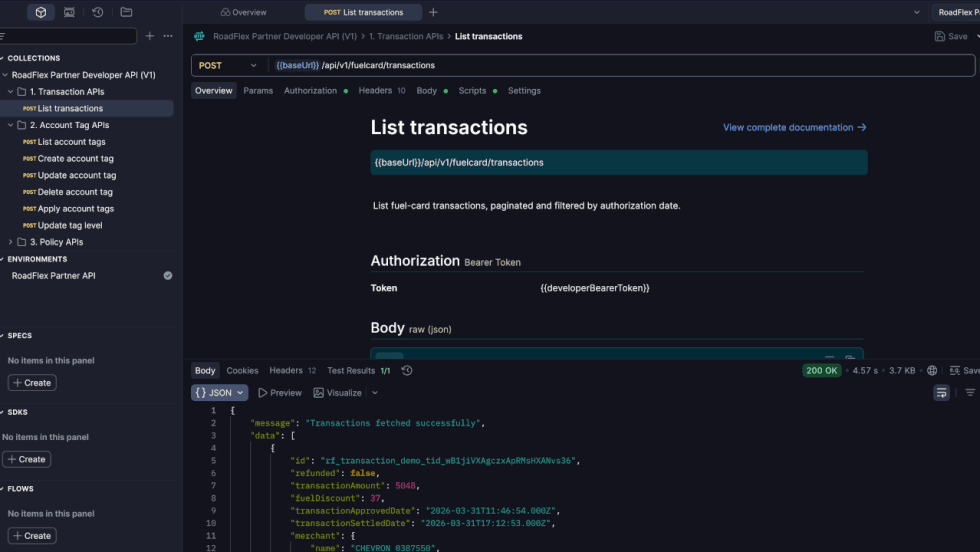
RoadFlex Launches RoadFlex Direct Open API Platform
RoadFlex Direct connects fuel cards, controls, and data to the telematics and fleet management systems fleets already run, from Geotab and Samsara to Fleetio and RTA, with no separate dashboard or double data entry.
Read More →
The Key to Fuel Efficiency Sits in the Cab
Learn how driver behavior, telematics, coaching, and fuel data can help fleets improve fuel efficiency, lower costs, and reduce emissions.
Read More →