




Related: Fleet Sales Bolstered By Economic Growth, Low Fuel Costs
Fuel Economy Improves for First Time Since August
The average fuel economy of new U.S. vehicles increased 0.3 mpg and logged the first improvement since August, according to the University of Michigan Transportation Research Institute's monthly report.
by Staff
February 5, 2015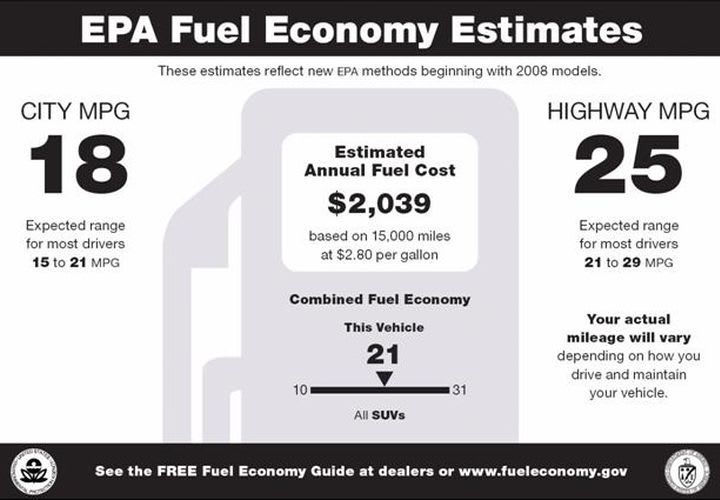
EPA fuel economy window sticker courtesy of Wikipedia.
1 min to read

EPA fuel economy window sticker courtesy of Wikipedia.
The average fuel economy of new U.S. vehicles increased 0.3 mpg and logged the first improvement since August, according to the University of Michigan Transportation Research Institute's monthly report.
The average window-sticker number for new cars, trucks, SUVs, and vans reached 25.4 mpg in January. It reached 25.1 mpg in December. During the summer months, the average mpg of new vehicles purchased remained about 25.5 mpg. The monthly report is produced by Michael Sivak and Brandon Schoettle.
The fall in new-vehicle fuel economy since late summer mirrors a slide in gasoline prices that began in late June. Sales of pickup trucks, vans and SUVs surged in the second half of 2014. This trend has been seen in fleet sales as well as the retail channel.
New-vehicle fuel economy has risen 5.3 mpg since October of 2007, when the UMTRI began its tracking.
The University of Michigan's Eco-Driving Index, which tracks average monthly greenhouse gas emissions, reached 0.77 in November, a decline from the 0.80 rating in October. A lower score is better than a higher score.
Originally posted on Automotive Fleet
More Fuel

The Smart Way to Build a Mixed-Energy Fleet Isn’t About Picking a Side
Mixed-energy fleets aren’t about picking a winning fuel. Sarah Booth of WEX explains how vehicle data, duty cycles, charging strategy, and real-world costs can help fleets choose the right energy source for each job.
Read More →
Ignoring This Dashboard Warning Could Cost Your Fleet Thousands in Fuel
New research suggests neglected diesel aftertreatment systems could waste up to $30 in fuel per vehicle each day. Here's why vocational fleets should pay attention.
Read More →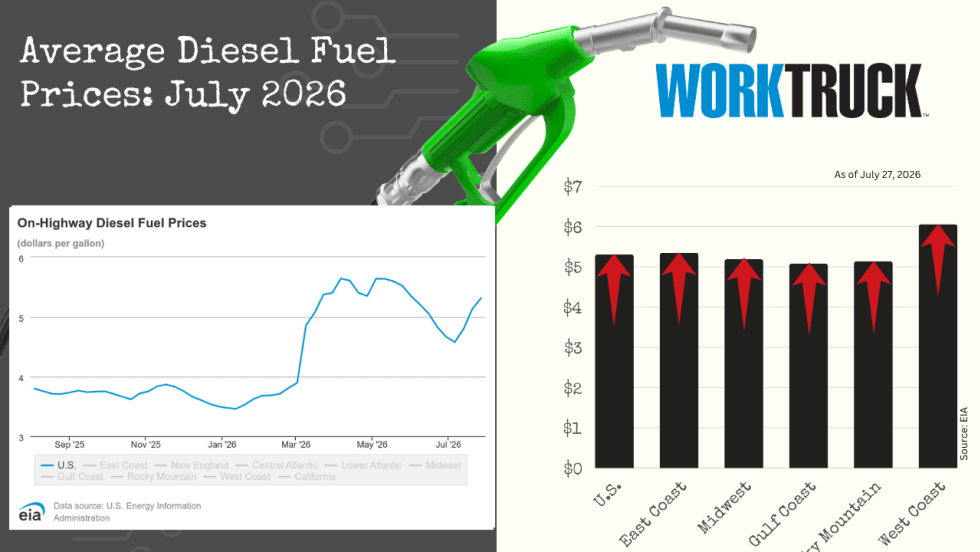
July Diesel Trends Update
The average price of a gallon of diesel increased again this week, and the EIA reported a new national average of $5.31 at the start of the week.
Read More →
WEX Brings Standard Fleet's Connected Vehicle Platform to Fleet Customers
This week’s product launch with Standard Fleet’s connected vehicle platform reflects WEX Venture Capital's strategy of turning startup innovation into customer solutions. Standard Fleet is now available to WEX fleet customers.
Read More →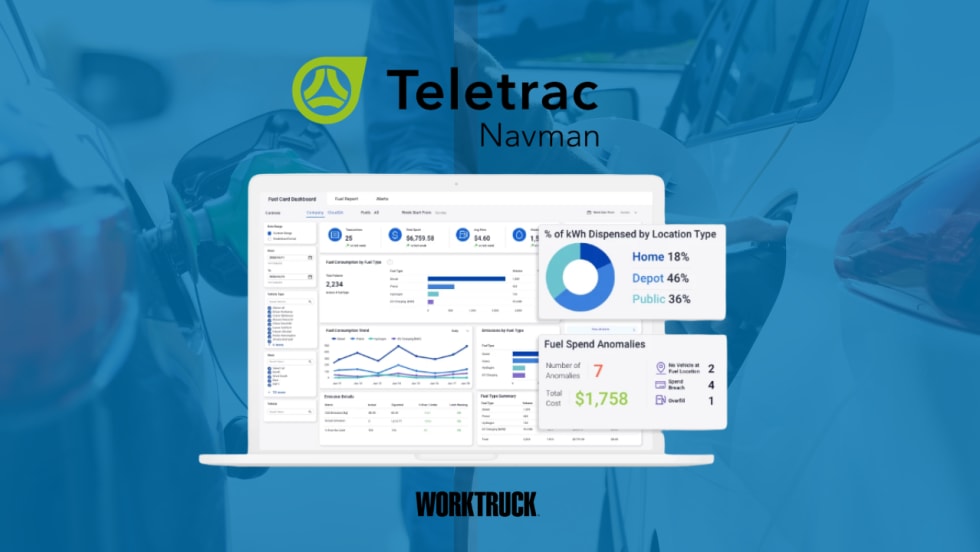
Teletrac Navman Adds Mixed-Energy Fleet Tools to TN360
The new Energy Hub combines fuel transactions, EV charging data, vehicle range, and energy costs in one dashboard for fleets operating multiple vehicle and energy types.
Read More →
WEX DriverDash adds CITGO, Expands Nationwide Access for Fleets
The DriverDash mobile payment app, by WEX, has been integrated into the CITGO merchant network, which means WEX has expanded its U.S. station footprint with the addition of approximately 4,000 CITGO locations.
Read More →
Mixed Energy Fleet Tips for Balancing EVs, Gas and Diesel Vehicles
Mixed energy fleets are becoming the new normal. Learn how fleet managers are balancing EVs, gas and diesel vehicles while controlling costs and planning for the future.
Read More →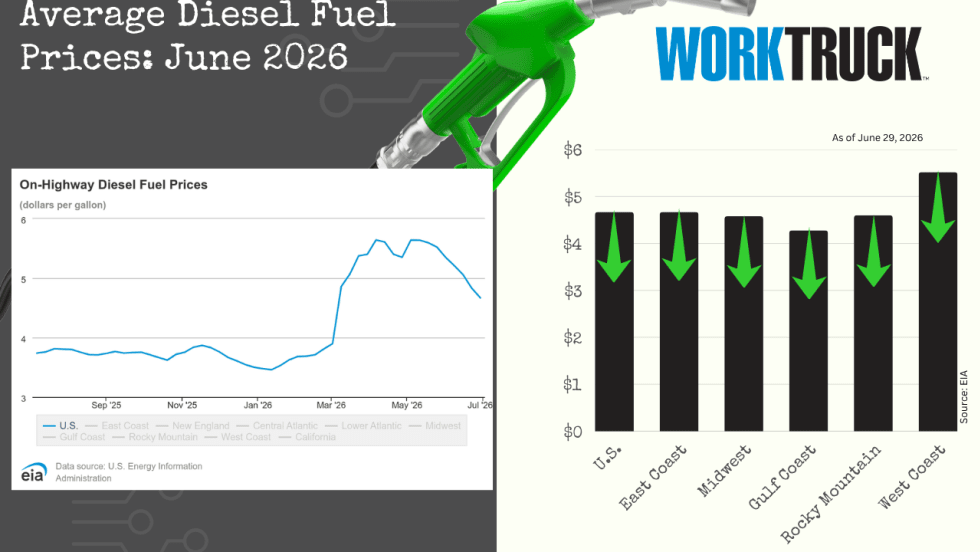
June Diesel Trends Update
The national average price of a gallon of diesel has dropped again, this week by more than 16 cents. All five regions reported lower average prices, ranging from almost 13 cents to more than 28 cents cheaper than a week ago.
Read More →
RoadFlex Launches RoadFlex Direct Open API Platform
RoadFlex Direct connects fuel cards, controls, and data to the telematics and fleet management systems fleets already run, from Geotab and Samsara to Fleetio and RTA, with no separate dashboard or double data entry.
Read More →
The Key to Fuel Efficiency Sits in the Cab
Learn how driver behavior, telematics, coaching, and fuel data can help fleets improve fuel efficiency, lower costs, and reduce emissions.
Read More →