




Feds Nix 54.5-MPG Target for 2025
Improving gasoline fuel economy and strong demand for trucks and SUVs has led federal regulators to eliminate the 54.5 mpg corporate fuel economy target for 2025.
Improving gasoline fuel economy and strong demand for trucks and SUVs has led federal regulators to eliminate the 54.5 mpg corporate fuel economy target for 2025.
The U.S. Environmental Protection Agency, National Highway Traffic Safety Administration, and California Air Resources Board released their Technical Assessment Report that drives adoption of fuel efficiency requirements for vehicle manufacturers.
Vehicle manufacturers have been facing increasing fuel efficiency requirements for their vehicles from a 2011 agreement to lower emissions from vehicles. The 2017-MY represents another stair-step higher with larger pickups such as the F-150 needing to average 25 mpg and smaller cars needing to average 44 mpg.
The draft report, which will now draw public comment before final approval, acknowledges that gasoline-powered vehicles will remain the norm rather than battery-electric cars or hybrids. To meet future standards, manufacturers will need to develop "modest levels of strong hybridization and very low levels of full electrification (plug-in vehicles)."
Rather than achieving fuel efficiency gains though electrification, which won't play a major role by 2025, automakers will likely reduce emissions with more efficient internal combustion engines that use technologies such as "turbo charging, engine downsizing, more sophisticated transmissions, vehicle weight reduction, aerodynamics, and idle stop-start, along with improved accessories and air conditioning systems."
More than 100 models of cars, SUVs or pickups being sold today already meet the 2020 or later standards, according to the EPA.
The tilt toward trucks and SUVs "reflects updated consumer trends that are informed by a range of factors including economic growth, gasoline prices, and other macro trends."
The report focuses on the 2022 to 2025 model years. The public may provide comments for 60 days, and the EPA will make a final determination by April 1, 2018.
Originally posted on Automotive Fleet
More Fuel

The Smart Way to Build a Mixed-Energy Fleet Isn’t About Picking a Side
Mixed-energy fleets aren’t about picking a winning fuel. Sarah Booth of WEX explains how vehicle data, duty cycles, charging strategy, and real-world costs can help fleets choose the right energy source for each job.
Read More →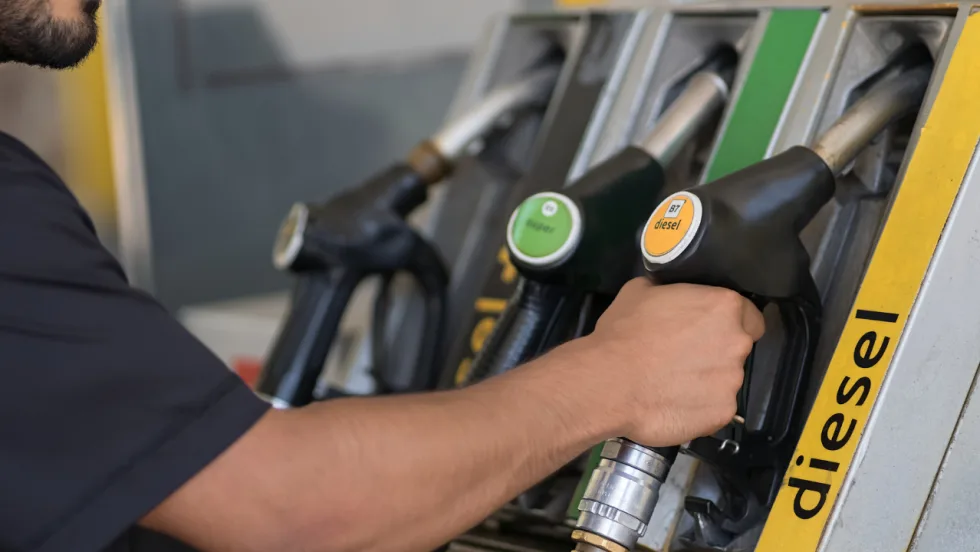
Ignoring This Dashboard Warning Could Cost Your Fleet Thousands in Fuel
New research suggests neglected diesel aftertreatment systems could waste up to $30 in fuel per vehicle each day. Here's why vocational fleets should pay attention.
Read More →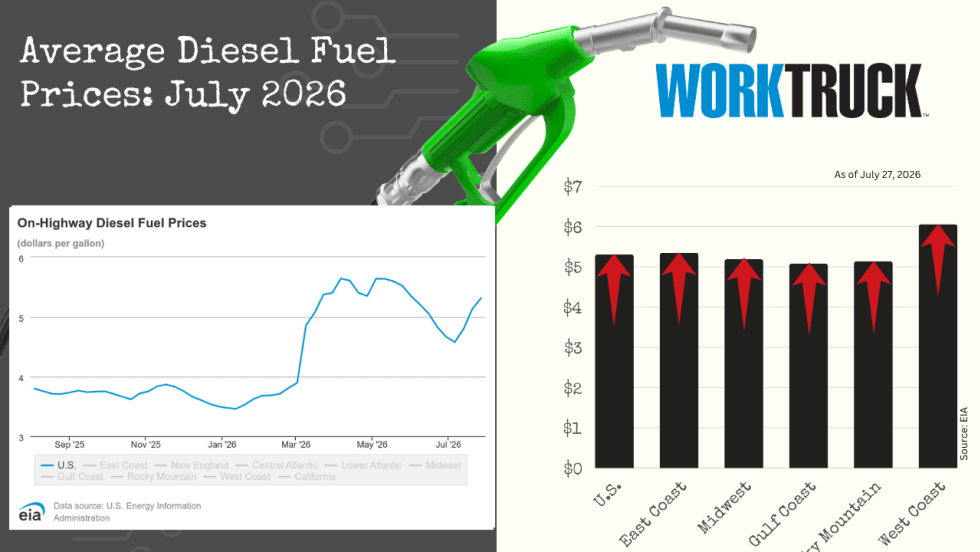
July Diesel Trends Update
The average price of a gallon of diesel increased again this week, and the EIA reported a new national average of $5.31 at the start of the week.
Read More →
WEX Brings Standard Fleet's Connected Vehicle Platform to Fleet Customers
This week’s product launch with Standard Fleet’s connected vehicle platform reflects WEX Venture Capital's strategy of turning startup innovation into customer solutions. Standard Fleet is now available to WEX fleet customers.
Read More →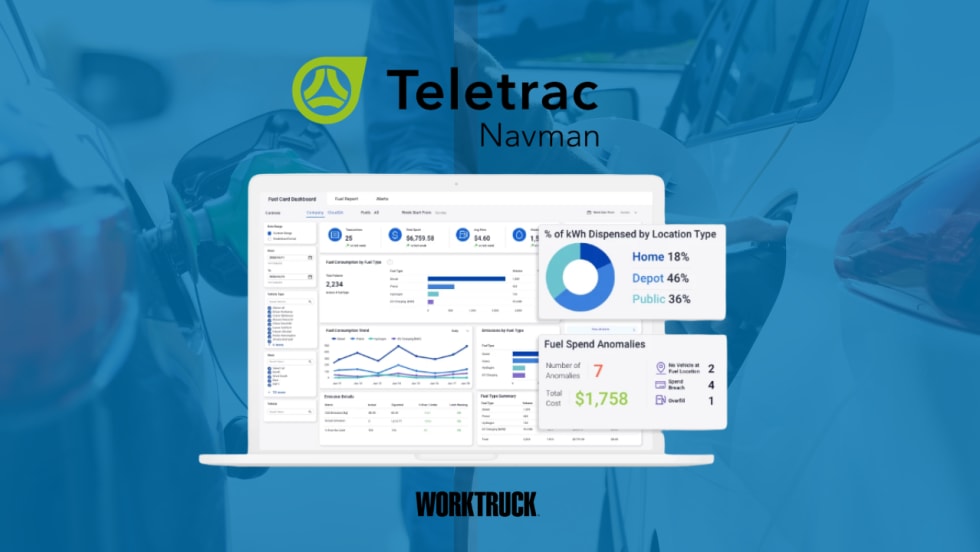
Teletrac Navman Adds Mixed-Energy Fleet Tools to TN360
The new Energy Hub combines fuel transactions, EV charging data, vehicle range, and energy costs in one dashboard for fleets operating multiple vehicle and energy types.
Read More →
WEX DriverDash adds CITGO, Expands Nationwide Access for Fleets
The DriverDash mobile payment app, by WEX, has been integrated into the CITGO merchant network, which means WEX has expanded its U.S. station footprint with the addition of approximately 4,000 CITGO locations.
Read More →
Mixed Energy Fleet Tips for Balancing EVs, Gas and Diesel Vehicles
Mixed energy fleets are becoming the new normal. Learn how fleet managers are balancing EVs, gas and diesel vehicles while controlling costs and planning for the future.
Read More →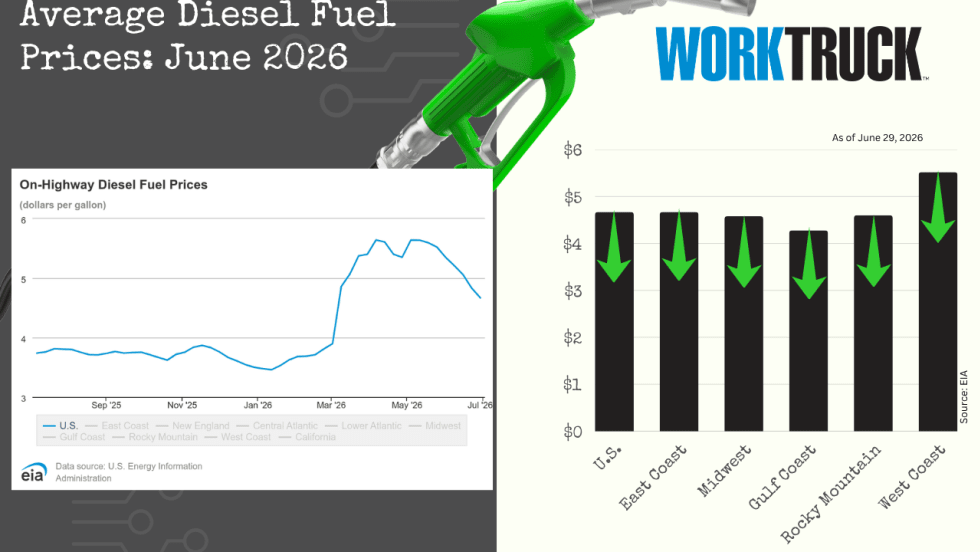
June Diesel Trends Update
The national average price of a gallon of diesel has dropped again, this week by more than 16 cents. All five regions reported lower average prices, ranging from almost 13 cents to more than 28 cents cheaper than a week ago.
Read More →
RoadFlex Launches RoadFlex Direct Open API Platform
RoadFlex Direct connects fuel cards, controls, and data to the telematics and fleet management systems fleets already run, from Geotab and Samsara to Fleetio and RTA, with no separate dashboard or double data entry.
Read More →
The Key to Fuel Efficiency Sits in the Cab
Learn how driver behavior, telematics, coaching, and fuel data can help fleets improve fuel efficiency, lower costs, and reduce emissions.
Read More →