




Cummins Confirms Support for Greenhouse Gas & Fuel-Efficiency Standards
COLUMBUS, IN - Cummins Inc. further confirmed its support for greenhouse gas and fuel-efficiency standards for heavy- and medium-duty commercial vehicles and engines during its testimony at the Environmental Protection Agency (EPA) and National Highway Traffic Safety Administration (NHTSA) public hearing in Chicago.
COLUMBUS, IN - Cummins Inc. further confirmed its support for greenhouse gas and fuel-efficiency standards for heavy- and medium-duty commercial vehicles and engines during its testimony at the Environmental Protection Agency (EPA) and National Highway Traffic Safety Administration (NHTSA) public hearing in Chicago.
On Oct. 25, 2010, the EPA and the NHTSA proposed rules to establish a comprehensive Heavy-Duty National Program, which from 2014 to 2018 would reduce greenhouse gas emissions and increase fuel efficiency for on-road heavy-duty engines and vehicles. The EPA has proposed greenhouse gas emissions standards under the Clean Air Act, and the NHTSA has proposed equivalent fuel consumption standards under the Energy Independence and Security Act of 2007.
Dr. Stephen Charlton, chief technical officer - engine business and vice president - Cummins Inc., testified on behalf of Cummins and stated, "While we are still working through the details of the proposal and are preparing written comments on specific aspects, we support the time line laid out by President Barack Obama to finalize this rule by July 30, 2011, and deliver improvements over the 2014-to-2018 time frame. The rule and these benefits can be delivered in this short time frame because many of the building blocks already exist."
Over the last 30 years, the industry and government have partnered together to advance clean, efficient technologies. Under the Clean Air Act, heavy-duty diesel engine emissions of Nitrogen Oxides (NOx) and Particulate Matter (PM) have been reduced by 99 percent. The U.S. Department of Energy (DOE) has fostered public-private partnerships to develop the heavy-duty technologies needed to meet stringent emissions standards and improve efficiency.
Additionally, the SmartWay (SM) partnership, launched by the EPA in 2004, has attracted thousands of partners focused on reducing greenhouse gas emissions and fuel consumption.
"Cummins partnership with the DOE over the past 20 years has allowed us to bring evolutionary and breakthrough engine technologies to the market faster and at a lower cost than we could have done going it alone," stated Charlton. "Complying with the stringent 2010 NOx limits under the EPA's Heavy-Duty Highway Rule has put Cummins well along the path of meeting future greenhouse gas and fuel-efficiency requirements."
The company's Selective Catalytic Reduction (SCR) technology not only reduces NOx to the near-zero levels required but also enables greater fuel efficiency. As a result, Cummins 2010 Heavy-Duty and MidRange engines deliver up to 6 percent improved fuel efficiency compared with the previous models. The 2010 engines and SCR technology provide the foundation to meet the new regulations.
The EPA and NHTSA proposal establishes three regulatory categories of heavy-duty vehicles: (1) combination tractors; (2) heavy-duty pickup trucks and vans; and (3) vocational vehicles. For combination tractors and vocational vehicles, the agencies have proposed separate engine and vehicle standards.
"We strongly support this regulatory structure," continued Charlton. "By building on our long history of working together, and by utilizing existing programs where possible, we can together deliver the greenhouse gas and fuel-consumption benefits envisioned in this rulemaking. We appreciate the open and collaborative process that the EPA and NHTSA have used in proposing this historic regulation. We look forward to continuing to work with the agencies over the coming months to develop a final rule."
The complete transcript of Cummins comments can be found at
http://cumminsengines.com/assets/pdf/cummins_statement.pdf.
More Fuel

The Smart Way to Build a Mixed-Energy Fleet Isn’t About Picking a Side
Mixed-energy fleets aren’t about picking a winning fuel. Sarah Booth of WEX explains how vehicle data, duty cycles, charging strategy, and real-world costs can help fleets choose the right energy source for each job.
Read More →
Ignoring This Dashboard Warning Could Cost Your Fleet Thousands in Fuel
New research suggests neglected diesel aftertreatment systems could waste up to $30 in fuel per vehicle each day. Here's why vocational fleets should pay attention.
Read More →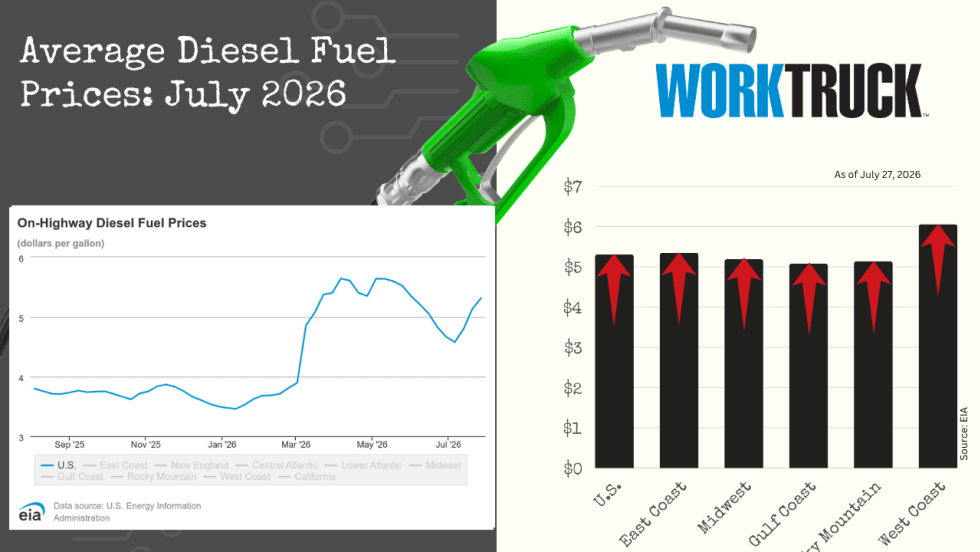
July Diesel Trends Update
The average price of a gallon of diesel increased again this week, and the EIA reported a new national average of $5.31 at the start of the week.
Read More →

WEX Brings Standard Fleet's Connected Vehicle Platform to Fleet Customers
This week’s product launch with Standard Fleet’s connected vehicle platform reflects WEX Venture Capital's strategy of turning startup innovation into customer solutions. Standard Fleet is now available to WEX fleet customers.
Read More →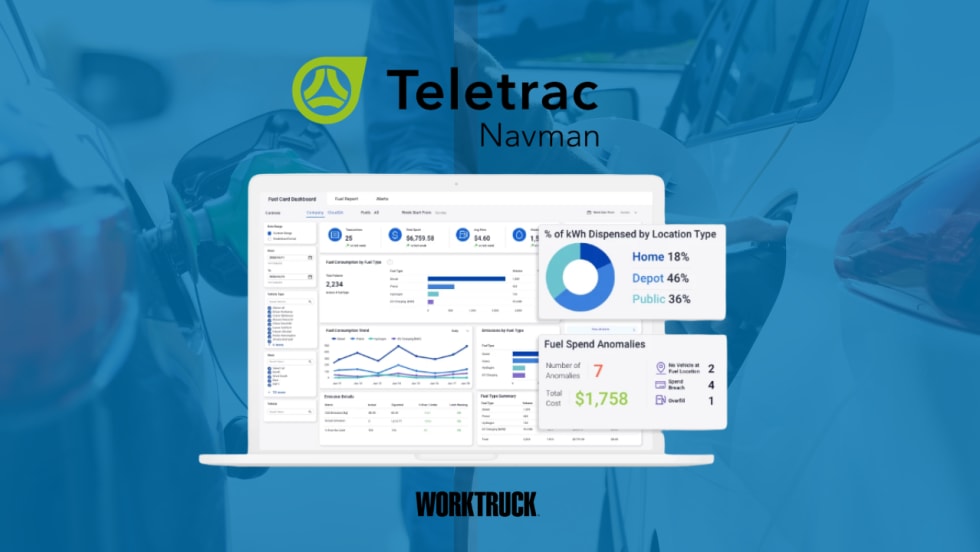
Teletrac Navman Adds Mixed-Energy Fleet Tools to TN360
The new Energy Hub combines fuel transactions, EV charging data, vehicle range, and energy costs in one dashboard for fleets operating multiple vehicle and energy types.
Read More →
WEX DriverDash adds CITGO, Expands Nationwide Access for Fleets
The DriverDash mobile payment app, by WEX, has been integrated into the CITGO merchant network, which means WEX has expanded its U.S. station footprint with the addition of approximately 4,000 CITGO locations.
Read More →
Mixed Energy Fleet Tips for Balancing EVs, Gas and Diesel Vehicles
Mixed energy fleets are becoming the new normal. Learn how fleet managers are balancing EVs, gas and diesel vehicles while controlling costs and planning for the future.
Read More →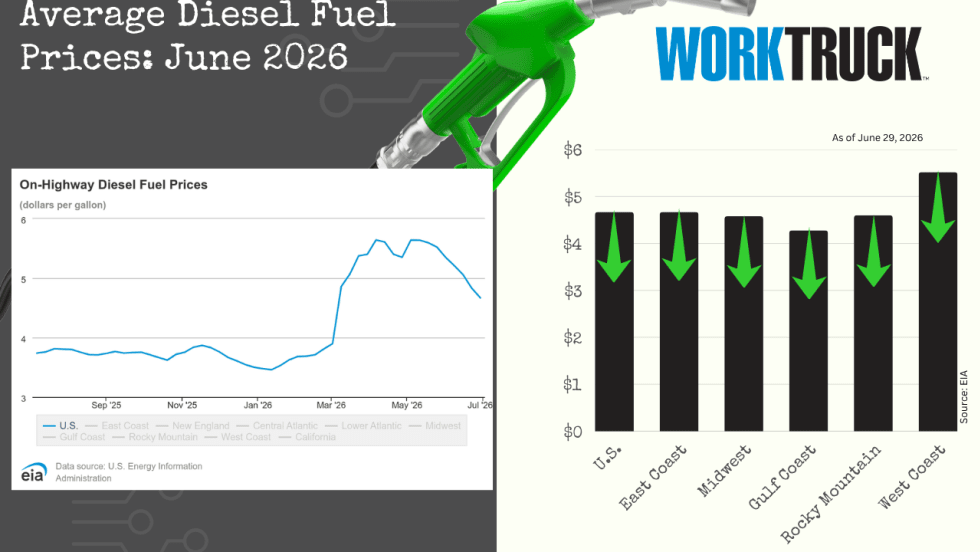
June Diesel Trends Update
The national average price of a gallon of diesel has dropped again, this week by more than 16 cents. All five regions reported lower average prices, ranging from almost 13 cents to more than 28 cents cheaper than a week ago.
Read More →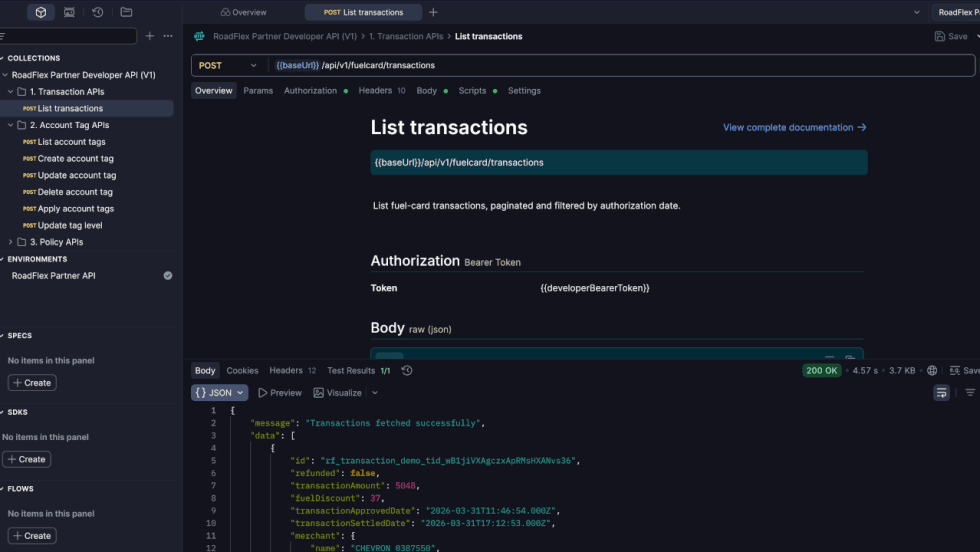
RoadFlex Launches RoadFlex Direct Open API Platform
RoadFlex Direct connects fuel cards, controls, and data to the telematics and fleet management systems fleets already run, from Geotab and Samsara to Fleetio and RTA, with no separate dashboard or double data entry.
Read More →
The Key to Fuel Efficiency Sits in the Cab
Learn how driver behavior, telematics, coaching, and fuel data can help fleets improve fuel efficiency, lower costs, and reduce emissions.
Read More →