





Read More: Upgrading Refuse Fleets to CNG: Three Considerations Beyond Economics
Clean Energy Starts RNG Production at Iowa Dairy Farm
A new facility opened by Clean Energy at a dairy farm in State Center, Iowa, is expected to produce 1.7 million gallons of renewable natural gas annually. Methane from the approximately 240,000 gallons of manure produced by the 8,000-cow herd each day will be converted for heavy-duty fleets across the country.
February 19, 2024
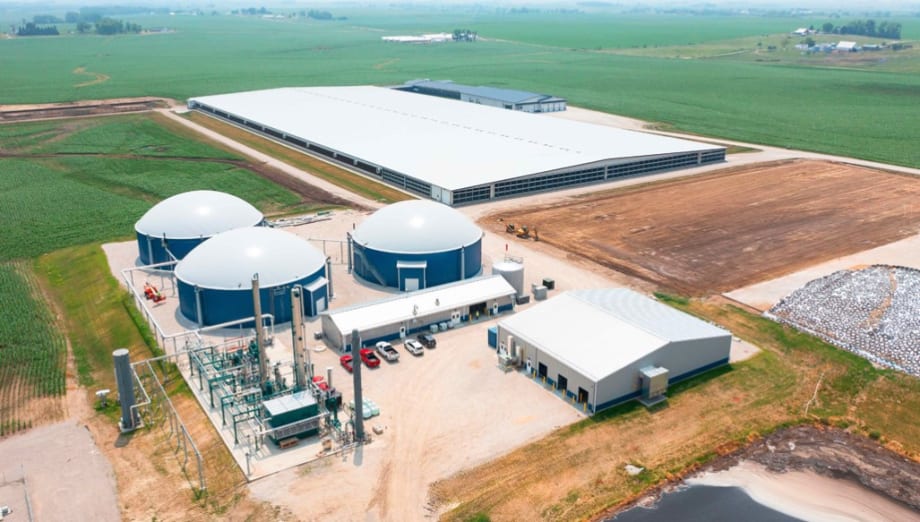
Clean Energy’s RNG facility at Marshall Ridge Dairy captures methane from approximately 240,000 gallons of manure daily.
Photo: Clean Energy
2 min to read
Clean Energy Fuels has completed its latest renewable natural gas (RNG) facility in Marshall County, Iowa. The Marshall Ridge Dairy project is expected to produce 1.7 million gallons of low carbon-intensity RNG annually.
The three-digester facility located in State Center, Iowa, is now producing pipeline-quality RNG and injecting it into the national grid. RNG is a sustainable fuel derived from organic waste that provides an immediate and significant carbon reduction in transportation.
“We have been in the business of milking cows for over 60 years, and that’s what our core business will always be. Adding an RNG facility to our farm will enable us to manage our manure much better while generating an additional revenue stream for our bottom line,” Kevin Blood, Marshall Ridge Dairy.
Financed through one of Clean Energy’s production joint ventures and developed by Dynamic Renewables, the project totaled $42 million.
Methane Capture
Methane from the approximately 240,000 gallons of manure produced by the 8,000-cow herd each day will be converted into biogas and ready-to-use clean fuel for heavy-duty fleets across the country. Clean Energy is in process of filing the necessary applications to generate federal and state environmental credits.
Agriculture accounts for nearly 10% of U.S. greenhouse gas emissions and the transportation sector accounts for another 28%, according to the U.S. Environmental Protection Agency.
Capturing methane from farm waste lowers these emissions. RNG, produced by that captured methane and used as a transportation fuel, significantly lowers GHG emissions on a lifecycle basis when compared to diesel, said Clean Energy. This allows RNG to be one of the only fuels to receive a negative carbon-intensity score based on the reduction of emissions at the source and at the vehicle.
“We value working with forward-thinking farmers, helping them create a new revenue stream from what would have been considered waste. RNG is an immediate, smart way to address harmful fugitive emissions, and the RNG produced at Marshall Ridge will directly help to cleanly fuel and decarbonize commercial transport,” said Clay Corbus senior vice president for renewables at Clean Energy.
More Fuel

The Smart Way to Build a Mixed-Energy Fleet Isn’t About Picking a Side
Mixed-energy fleets aren’t about picking a winning fuel. Sarah Booth of WEX explains how vehicle data, duty cycles, charging strategy, and real-world costs can help fleets choose the right energy source for each job.
Read More →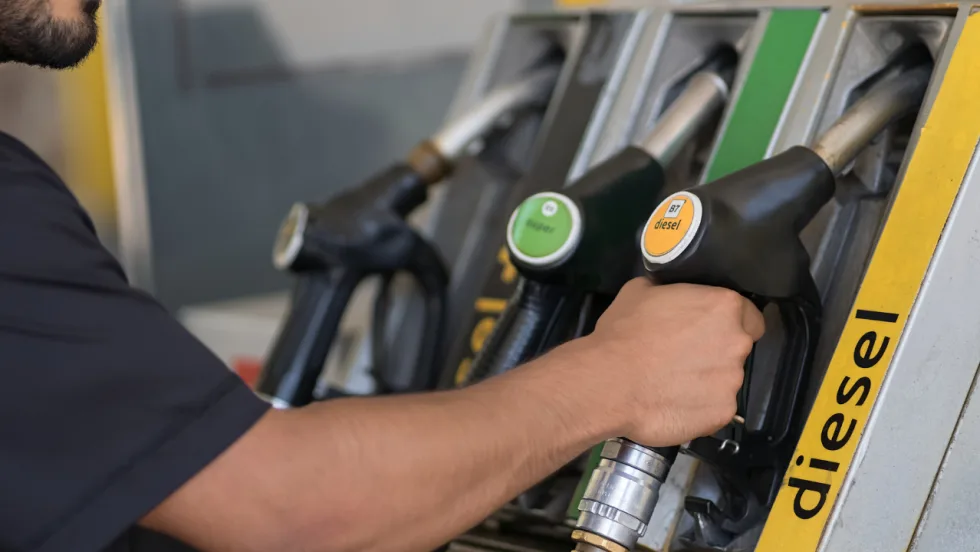
Ignoring This Dashboard Warning Could Cost Your Fleet Thousands in Fuel
New research suggests neglected diesel aftertreatment systems could waste up to $30 in fuel per vehicle each day. Here's why vocational fleets should pay attention.
Read More →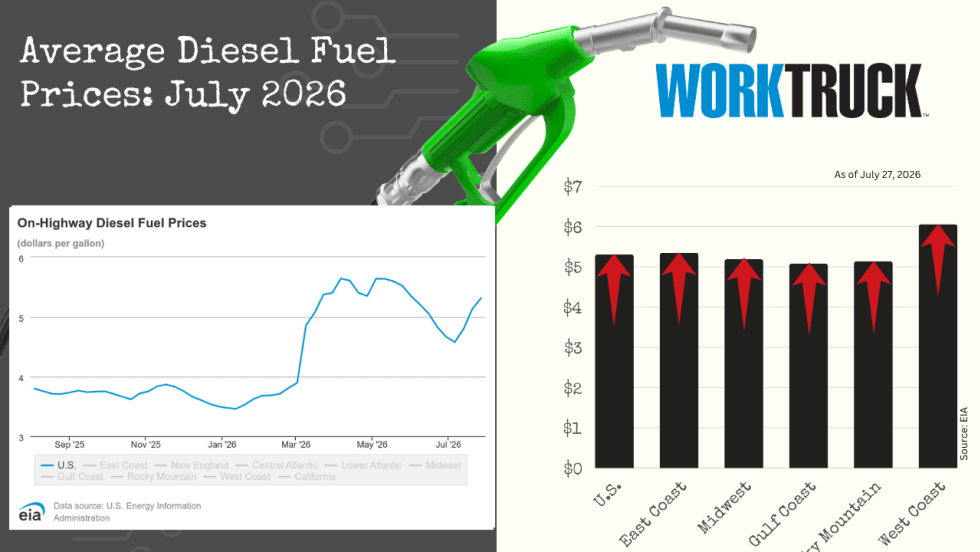
July Diesel Trends Update
The average price of a gallon of diesel increased again this week, and the EIA reported a new national average of $5.31 at the start of the week.
Read More →
WEX Brings Standard Fleet's Connected Vehicle Platform to Fleet Customers
This week’s product launch with Standard Fleet’s connected vehicle platform reflects WEX Venture Capital's strategy of turning startup innovation into customer solutions. Standard Fleet is now available to WEX fleet customers.
Read More →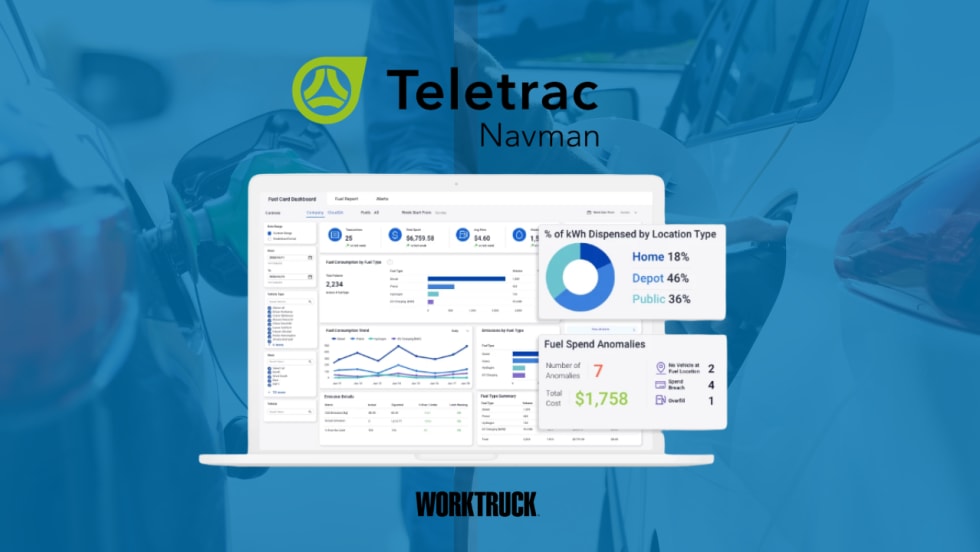
Teletrac Navman Adds Mixed-Energy Fleet Tools to TN360
The new Energy Hub combines fuel transactions, EV charging data, vehicle range, and energy costs in one dashboard for fleets operating multiple vehicle and energy types.
Read More →
WEX DriverDash adds CITGO, Expands Nationwide Access for Fleets
The DriverDash mobile payment app, by WEX, has been integrated into the CITGO merchant network, which means WEX has expanded its U.S. station footprint with the addition of approximately 4,000 CITGO locations.
Read More →
Mixed Energy Fleet Tips for Balancing EVs, Gas and Diesel Vehicles
Mixed energy fleets are becoming the new normal. Learn how fleet managers are balancing EVs, gas and diesel vehicles while controlling costs and planning for the future.
Read More →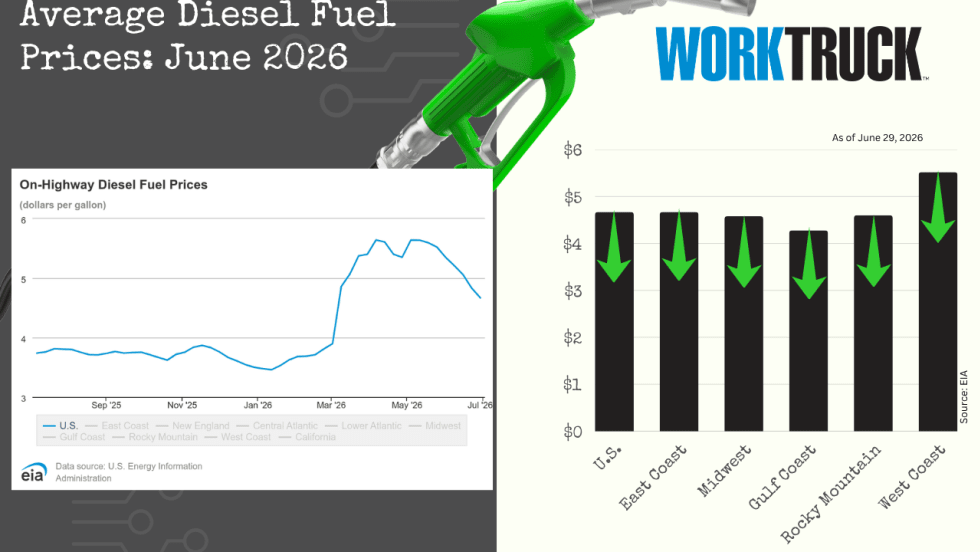
June Diesel Trends Update
The national average price of a gallon of diesel has dropped again, this week by more than 16 cents. All five regions reported lower average prices, ranging from almost 13 cents to more than 28 cents cheaper than a week ago.
Read More →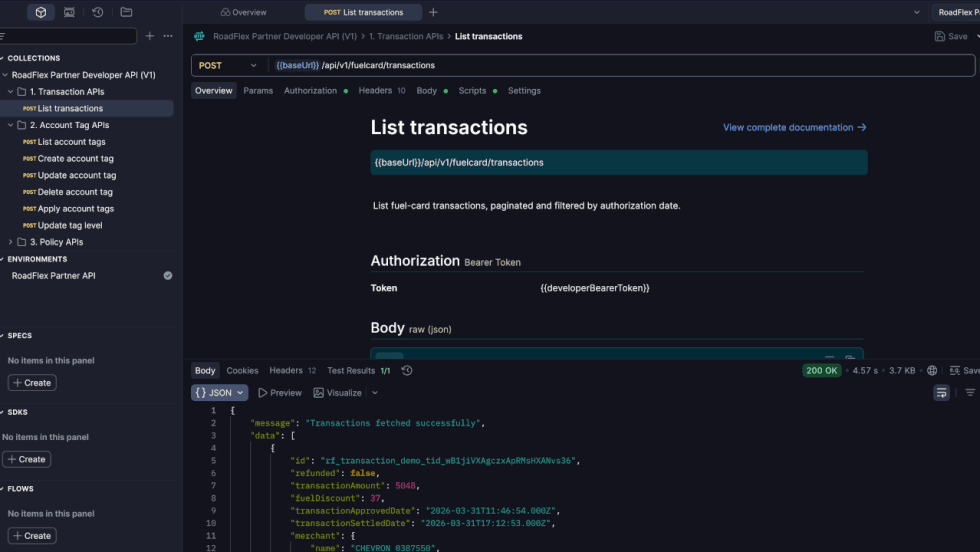
RoadFlex Launches RoadFlex Direct Open API Platform
RoadFlex Direct connects fuel cards, controls, and data to the telematics and fleet management systems fleets already run, from Geotab and Samsara to Fleetio and RTA, with no separate dashboard or double data entry.
Read More →
The Key to Fuel Efficiency Sits in the Cab
Learn how driver behavior, telematics, coaching, and fuel data can help fleets improve fuel efficiency, lower costs, and reduce emissions.
Read More →