




Is it Really a Truck?
When I think about a truck, the image that first comes to mind is four wheels, two doors, and a bed. However, times are changing, and while the government's CAFE standards still only have two categories, car and truck (based on the vehicle chassis), I believe it's time to broaden the current perception.

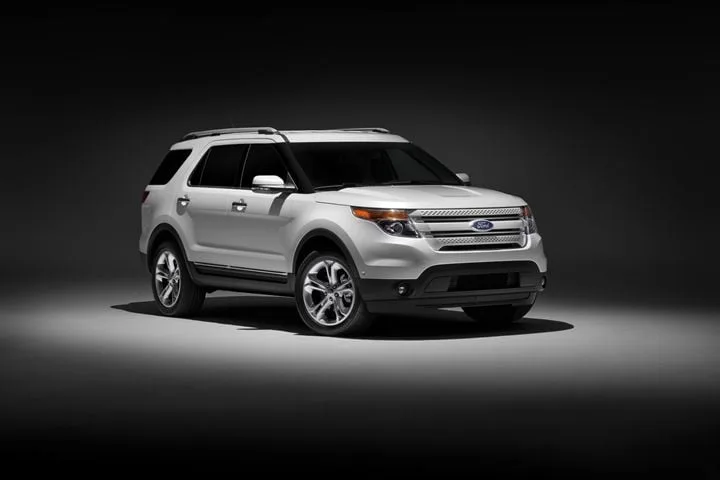
2011 Ford Explorer
When I think about a truck, the image that first comes to mind is four wheels, two doors, and a bed. However, times are changing, and while the government's CAFE standards still only have two categories, car and truck (based on the NHTSA designations explained below), evidence makes me believe perhaps it's time to broaden the current perception.
Why is it important to have a set definition of a truck? See the "exhibits" below. The lines are far more than simply "blurry" - more like they have crossed over completely.
Exhibit A: A friend of mine was ecstatic about the new truck he just purchased. But he refused to tell me the make or model; it was to be a surprise. I certainly was surprised - his "truck" was a brand-new Ford Explorer (the 2011 North American International Auto Show Truck of the Year winner). I saw an SUV; Ford also qualifies this vehicle as an SUV. Apparently my friend, the NAIAS, and the government, see a truck.
Exhibit B: Recently, a news item came across the wire about the International Truck of the Year award winner - the 2011 Kia Sportage . This vehicle is described, by Kia, as a compact Crossover.
The National Highway Traffic Safety Administration (NHTSA) website includes these definitions for a car or a truck:
1) Passenger Car - any 4-wheel vehicle not designed for off-road use that is manufactured primarily for use in transporting 10 people or less.
2) Truck - a 4-wheel vehicle which is designed for off-road operation (has 4-wheel drive or is more than 6,000 lbs. GVWR and has physical features consistent with those of a truck); or which is designed to perform at least one of the following functions: (1) transport more than 10 people; (2) provide temporary living quarters; (3) transport property in an open bed; (4) permit greater cargo-carrying capacity than passenger-carrying volume; or (5) can be converted to an open bed vehicle by removal of rear seats to form a flat continuous floor with the use of simple tools.
What, exactly, do "features consistent with those of a truck," mean?
I think it's time to expand the traditional definitions of cars and trucks, and add in the categories of SUVs and CUVs. Basing a definition simply on the chassis leaves much to be desired, and provides unequal competition in many of our car and truck awards. Is it time to add a Utility Vehicle of the Year award to the traditional Car and Truck versions? Do you consider these vehicles trucks? How do you determine whether vehicles are cars or trucks in your fleet?
Agree or disagree? Let me know!
Lauren Fletcher
More Blog Posts

4 Ways to Keep Fleet Nightmares Off Your Halloween Schedule
Don't let the fear of vehicle mishaps spook you! Check out these four tips to ensure your work truck fleet stays on the road, safe and sound, during this hair-raising season.
Read More →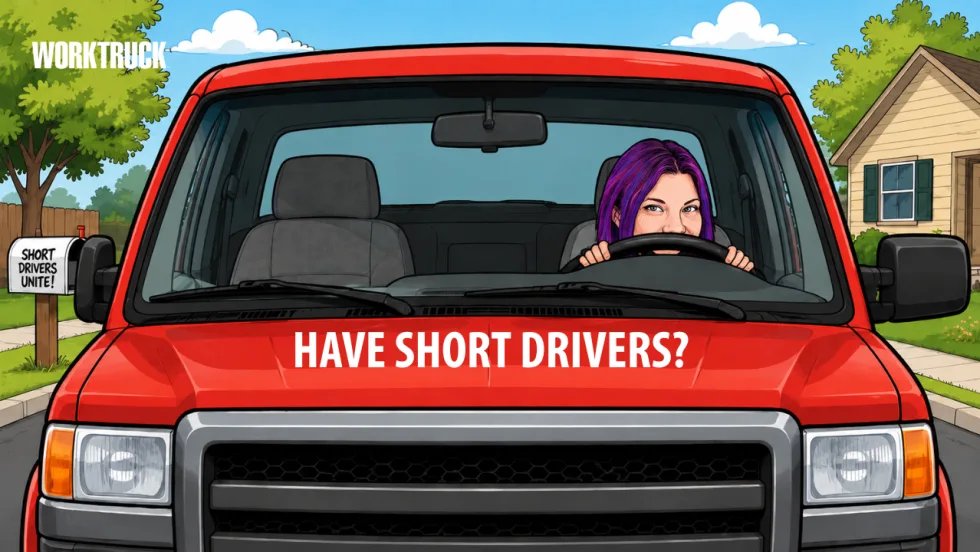
Short Drivers Need to Be Part of the Work Truck Spec, Too
The average truck driver may be around 5'9" for men and 5'4" for women, but fleets aren't spec'ing trucks for averages. Here's what shorter drivers need fleets to consider, from seat height and visibility to 360 cameras, seat belts, and cab access.
Read More →
Does Your Fleet Policy Cover In-Vehicle Gaming?
As in-vehicle gaming, streaming, and connected entertainment expand, fleet policies may need an update. Here’s what fleet managers should be thinking about now.
Read More →
You Can't Tariff an Aluminum Smelter Into Existence
The U.S. wants to rebuild domestic aluminum production, but work truck manufacturers still need material today. What happens to costs and supply in the meantime?
Read More →
Can America Replace Canadian Truck Production Without Hurting U.S. Fleets?
U.S. tariffs are targeting Canadian truck production, but Ford and GM show why moving that manufacturing south isn’t so simple. After 60 years of building one North American supply chain, what could fleets lose by pulling it apart?
Read More →
The Fleet Skills We Keep Missing on Veterans’ Resumes
What if some of the strongest candidates are already out there, but we are overlooking them because their experience is written in a language our industry does not always recognize?
Read More →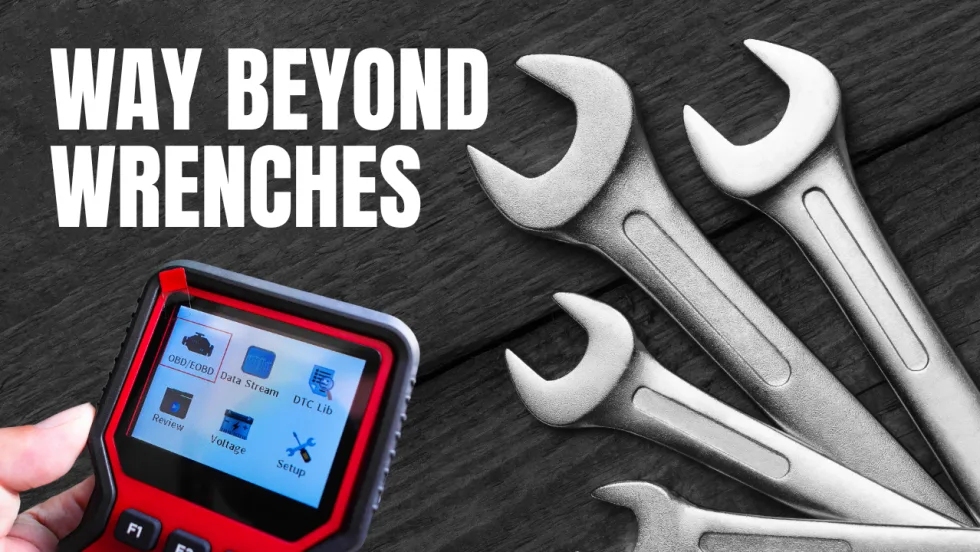
Technicians Are Doing More Than Turning Wrenches
Technicians do far more than repair vehicles. Six professionals reveal the problem-solving, pressure, and pride behind keeping fleets moving.
Read More →
WWCD? What Would Coach Do?
A personal reflection on Ed "Coach" Bobit, the mentor who shaped my career, and why I still ask myself one question 12 years later: WWCD?
Read More →
What the Fleet Industry Still Gets Wrong About Talent
What can the fleet industry learn from the women helping shape its future? A look at talent, leadership, sponsorship, and why new perspectives drive progress.
Read More →
AI Isn’t Killing Content, but Lazy Expertise Is
Thought leadership loses value when AI does the thinking. Here’s why authentic industry voices still matter most.
Read More →