Each generation brings unique capabilities that can optimize fleet performance.
Photo: Canva/Work Truck
3 min to read
One of the unique challenges in managing a work truck fleet today is the need to balance the skills and expertise of multiple generations working together.
I’ve covered the vocational and commercial work truck fleet industry for more than 16 years. During this time, I have watched a shift in the generations of individuals that manage these fleets.
Ad Loading...
When I started a decade-and-a-half ago, work truck fleet managers were mostly 45- to 65-year-old men, mostly from a mechanic or automotive background. Today, we see fleet managers entering the industry in their 30s. This newer generation often had a different start and experience than the previous generation of fleet managers, usually starting in finance or procurement or with a background in just about anything BUT vehicle maintenance.
While some may see generational differences as a hindrance, having multiple generations working in the fleet, whether in the same fleet or across the industry, can be advantageous. Each generation brings unique capabilities that can optimize fleet performance.
One of the key benefits of having multiple generations in a work truck fleet is the diversity of knowledge and experience.
Tips to Benefit from Multi-Generations of Fleet
There are several actions fleet managers can take to make the most of the unique capabilities of each generation, including:
Be proactive in creating a culture of respect and collaboration. Acknowledge the strengths of each generation and find ways to incorporate them into the fleet’s operations. For example, more experienced workers can have valuable mentoring and training skills. Younger workers, on the other hand, might be more comfortable with technology and can help seasoned workers adapt to new systems and processes.
Create cross-generational teams to work together on specific projects or initiatives. By bringing together workers of different ages, skills, and experience levels, these teams can benefit from a wide range of perspectives and knowledge. This approach can also help to break down barriers between generations and foster greater collaboration and understanding.
Be open to learning – from anyone. Everyone has something to teach you if you are open to it. Don’t mistake age for experience.
Don’t give in to stereotypes. While I’ve commented on “typical” generational traits, there are always outliers. For example, you may have your incredibly tech-savvy fleet manager who is just about to retire or the new “kid” who was a gearhead from five years old.
Adjust how you communicate. Remember, some generations prefer the phone while others prefer digital communications. To get the most out of your team, adapt to the needs of your teammates.
Ad Loading...
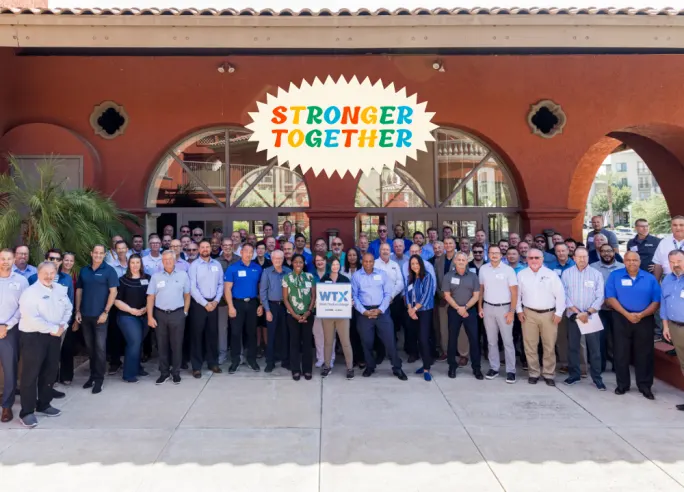
The Work Truck industry is filled with multiple generations, each with their own unique talents. The 2023 Work Truck eXchange is an event that brings everyone together!
Photo: Tavit's Photography
Making Multiple Generations an Asset
Multiple generations working in the same work truck fleet can be an asset for any business. By leveraging the unique capabilities of each generation, fleet managers can optimize fleet performance and create a more collaborative and productive work environment.
Older generations have been around for longer and may have insights into the company’s history or the industry that younger generations lack. This knowledge can be invaluable when making strategic decisions about the fleet’s future.
At the same time, younger generations may be more familiar with newer technologies and methods of working and can offer fresh ideas for improving efficiency and productivity.
But, this requires a proactive approach to managing generational differences and creating a culture of respect and collaboration. With the right strategies in place, a multi-generational work truck fleet presents a powerful tool for success.
Are you working with a multi-generational fleet team? What additional tips would you have to share? Drop me an e-mail and let’s chat!
The average truck driver may be around 5'9" for men and 5'4" for women, but fleets aren't spec'ing trucks for averages. Here's what shorter drivers need fleets to consider, from seat height and visibility to 360 cameras, seat belts, and cab access.
As in-vehicle gaming, streaming, and connected entertainment expand, fleet policies may need an update. Here’s what fleet managers should be thinking about now.
The U.S. wants to rebuild domestic aluminum production, but work truck manufacturers still need material today. What happens to costs and supply in the meantime?
U.S. tariffs are targeting Canadian truck production, but Ford and GM show why moving that manufacturing south isn’t so simple. After 60 years of building one North American supply chain, what could fleets lose by pulling it apart?
What if some of the strongest candidates are already out there, but we are overlooking them because their experience is written in a language our industry does not always recognize?
What can the fleet industry learn from the women helping shape its future? A look at talent, leadership, sponsorship, and why new perspectives drive progress.
Whether you operate a small fleet of light-, medium-, or heavy-duty units, or are merely the owner of one truck wanting to ensure you adhere to the law, knowing if you can need a U.S. DOT number can be confusing.