




State of the Fuel Industry: Alternative Fuels
The state fuel industry for alternative fuels, including pricing, recent trends, and prospects.

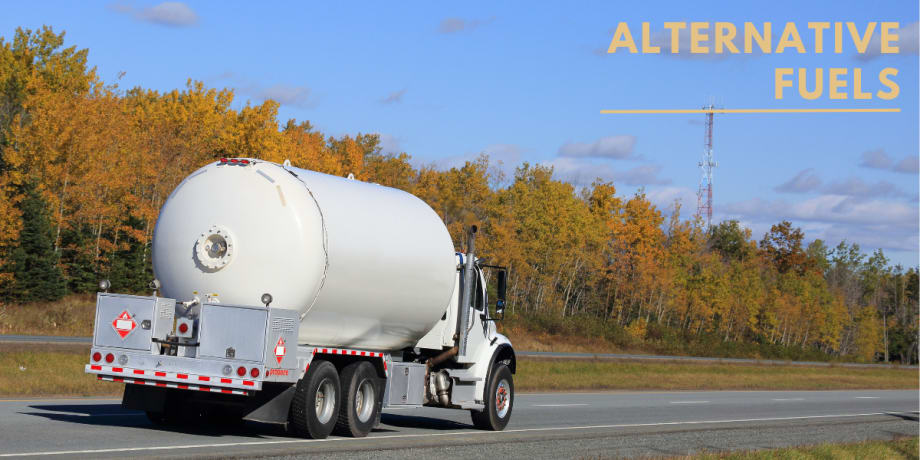
Popular alternative fuels include ethanol, propane, biodiesel, and more.
Photo: Work Truck
The fuel industry is transforming as the world looks to reduce carbon emissions and move toward a more sustainable future.
Alternative fuels such as propane, renewable gas, and ethanol have existed for decades. Still, they are gaining more popularity in the work truck industry, offering a cleaner and greener solution.
Let’s investigate the current state of the fuel industry for alternative fuels, including pre-2020 level prices, current trends, and what the future holds.
From Affordable to Expensive: The Price Path of Alt-Fuels
Everyone knows the COVID-19 pandemic threw a wrench in just about every industry. The alt-fuel sector was no exception.
Before the COVID-19 pandemic, prices for alternative fuels increased, but the pandemic led to a significant drop in demand and prices.
As the world begins to recover, the prices of alternative fuels are gradually returning to pre-pandemic levels.
Let’s break down the prices in order of the most common alt-fuels.
The Stability, but Higher Price of Propane Autogas
Propane prices for work truck fuel were relatively stable and moderately low in the years leading up to the COVID-19 pandemic.
But prices changed once the pandemic hit. According to The State of Sustainable 2023 Market Brief, propane prices at private stations have increased in the past two years. In 2022, the average price was $2.10, which was 15% higher than in 2021.
Since then, prices have declined. As of May 2023, the average propane price for vehicles is $1.45 in the U.S., according to Alliance AutoGas.
A Bumpier Path for Ethanol
Ethanol’s price has been on a bumpy path since 2000. During 2011 and 2014, it was one of the most expensive alt-fuels. Now it has leveled off into the top five.
From 2016 to April 2020, the average price was between $2.20 and $3.10. This was one of ethanol's lowest price periods since it became a fuel option. But once 2020 hit, it rose to its highest level of $5.10.
Since then, it has consistently lowered and is at $3.60 as of January 2023.
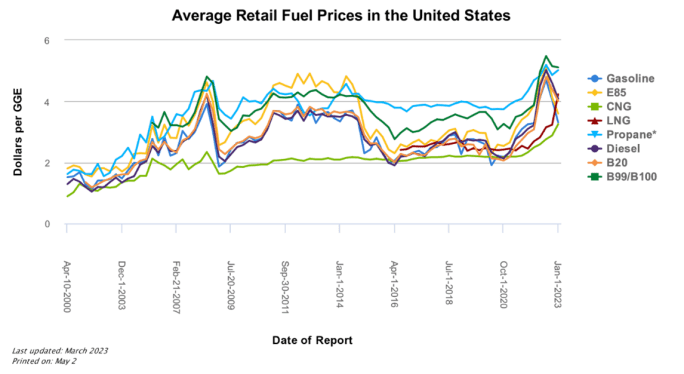
The average retail price of alternate fuels in the U.S.
* Propane prices reflect the weighted average of "primary" and "secondary" stations. Primary stations have dedicated vehicle services and tend to be less expensive. * Secondary stations are priced for the tanks and bottles market, and tend to be more expensive.”
Photo: DOE
Biodiesel Spiked, But Leveled Out
Biodiesel has different blends, but one of the most popular is B20, or 20% biodiesel. Since its inception, biodiesel has remained a middle-of-the-road price in the alt-fuel industry.
It was at its lowest ever from 2016 to early 2020, with a high of $2.78. But that all changed after 2020. The price almost doubled in July 2022 to $4.80.
It stayed in the $4 range and remained at an average of $4.01 as of January 2023.
The Stability of Natural Gas Prices
Natural gas's price had the most stability before covid. From 2009 to July 2021, the average price was around $2.10 and remained around $0.20.
Then in mid-2021, prices went up and haven't gone down since. Natural gas is one of the only alt-fuels that hasn’t dipped in price since its 2021 surge. Its average price was $3.25 on January 2023.
Overall, most alt-fuel prices were relatively stable until the COVID-19 pandemic. Then suddenly, all of them reached new highs. Let’s break down exactly what is affecting the prices and why there is a surge.
The Factors Influencing Alt-Fuel Prices Today
The prices of alternative fuels, and even gasoline and diesel, have increased for the past couple of years. The pandemic has slowed down, and things are starting to return to normal, but why are prices still rising?
There are several factors currently affecting the prices:
First, increasing demand: As more companies and governments join the decarbonization journey and transition to cleaner energy sources, the need for alternative fuels is increasing.
For example, light-, medium-, and heavy-duty vehicles can use propane. According to PERC, propane powers about 190,000 vehicles in the United States and more than 14 million worldwide.
For work truck fuel, it has the potential to lower maintenance costs, making it a popular option for fleets instead of buying new EVs, according to the DOE.
Government incentives: Governments worldwide offer various incentives to encourage the adoption of alternative fuels. These incentives can include tax credits, subsidies, and grants, which can help to offset the higher cost of alternative fuels and make them more competitive with traditional fuels.
California has Alternative Fuel Vehicle and Fueling Infrastructure Grants, and Colorado has Vehicle Fleet Maintenance and Fuel Cost-Savings Contracts to incentivize fleets to use alt-fuels.
Production costs: The production costs of alternative fuels can vary depending on the source and production method. These production costs can impact the price of the fuel. For example, renewable gas from organic waste may be cheaper than hydrogen produced through electrolysis.
Moreover, the Russia-Ukraine War, which started in 2022, has indirectly impacted prices. According to the EIA inventory data released on July 13, 2022, the total propane levels were 57.8 MMbbls, slightly lower than the corresponding week's 59.6 MMbbls from last year and 12% lower than the five-year average.
Experts are warning marketers to prepare for a potentially tight winter due to the decrease in Russian oil production and concerns about a potentially busy crop-drying year in the U.S.
Infrastructure development: The infrastructure required to produce, store, and distribute alternative fuels can be expensive to build and maintain.
As more infrastructure develops, the cost of producing and delivering alternative fuels can decrease, making them more affordable.
Regarding hydrogen, hydrogen fuel cell vehicles are rising in popularity. The total number of hydrogen-powered passenger vehicles on the road amounts to approximately 56,000 units, according to an FCEV study from Information Trends released in February 2023.
A significant hurdle in the widespread adoption of this technology is the need for more reasonably priced hydrogen stations.
To tackle this challenge, the DOE, federal agencies, automakers, hydrogen providers, and others collaborated to create H2USA. The main objective of H2USA is to develop hydrogen infrastructure that can support a broader range of transportation energy options for consumers in the United States.
Competition with traditional fuels: Alternative fuels often compete with conventional fossil fuels such as diesel and gasoline. As the prices of these traditional fuels fluctuate, it can impact the demand and cost of alternative fuels. For example, if the price of diesel increases, companies may be more likely to consider alternative fuels like propane or renewable gas.
Demand, government incentives, production costs, infrastructure development, and competition influence alt-fuel prices.
Looking ahead, the future of alt-fuels for work trucks looks promising as governments worldwide continue to offer incentives and invest in infrastructure to support the adoption of cleaner energy sources.
Looking Ahead: The Future of Alt-Fuel
Will alternative fuels completely take over diesel and gasoline? And will their prices continue to surge to all-time highs?
The future of alternative fuels prices depends on several factors, including:
Availability and cost of feedstock.
Production technology.
Demand.
Government policies.
Competition with conventional fossil fuels.
Some alternative fuels, such as biodiesel and ethanol, have been produced and used commercially for several years and have relatively stable prices.
Other fuels, such as hydrogen fuel cells, are still in the early development and deployment stages. However, experts expect prices to decline as technology advances and production scales up.
The EIA generally expects alt-fuel prices to become more competitive with conventional fossil fuels over time due to technological advances, economies of scale, and government policies.
However, the exact trajectory of prices depends on many difficult-to-predict factors.
One thing all experts agree on is that technology will continue to advance and affect the overall fuel market. As we move toward a greener future, prices may level and even lower in the coming years.
Interested in gasoline and diesel prices? We have you covered in the State of the Fuel Industry: Gasoline and Diesel, where we cover past and present trends and where prices are going in the future.
More Fuel

The Smart Way to Build a Mixed-Energy Fleet Isn’t About Picking a Side
Mixed-energy fleets aren’t about picking a winning fuel. Sarah Booth of WEX explains how vehicle data, duty cycles, charging strategy, and real-world costs can help fleets choose the right energy source for each job.
Read More →
Ignoring This Dashboard Warning Could Cost Your Fleet Thousands in Fuel
New research suggests neglected diesel aftertreatment systems could waste up to $30 in fuel per vehicle each day. Here's why vocational fleets should pay attention.
Read More →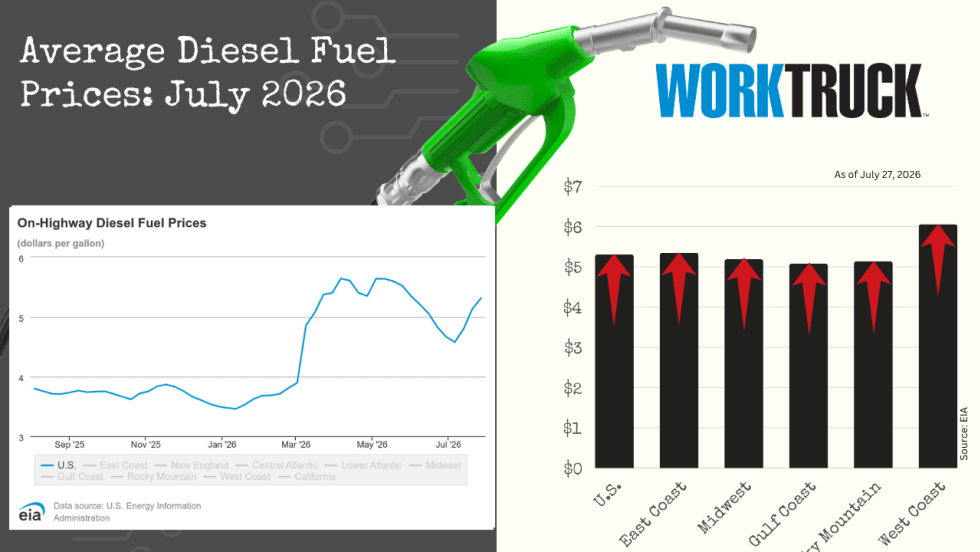
July Diesel Trends Update
The average price of a gallon of diesel increased again this week, and the EIA reported a new national average of $5.31 at the start of the week.
Read More →
WEX Brings Standard Fleet's Connected Vehicle Platform to Fleet Customers
This week’s product launch with Standard Fleet’s connected vehicle platform reflects WEX Venture Capital's strategy of turning startup innovation into customer solutions. Standard Fleet is now available to WEX fleet customers.
Read More →
Teletrac Navman Adds Mixed-Energy Fleet Tools to TN360
The new Energy Hub combines fuel transactions, EV charging data, vehicle range, and energy costs in one dashboard for fleets operating multiple vehicle and energy types.
Read More →
WEX DriverDash adds CITGO, Expands Nationwide Access for Fleets
The DriverDash mobile payment app, by WEX, has been integrated into the CITGO merchant network, which means WEX has expanded its U.S. station footprint with the addition of approximately 4,000 CITGO locations.
Read More →
Mixed Energy Fleet Tips for Balancing EVs, Gas and Diesel Vehicles
Mixed energy fleets are becoming the new normal. Learn how fleet managers are balancing EVs, gas and diesel vehicles while controlling costs and planning for the future.
Read More →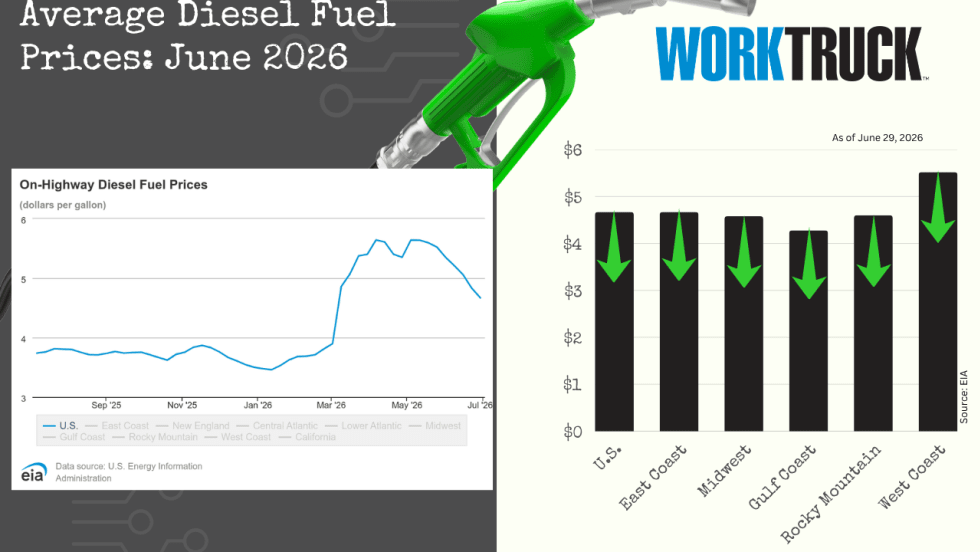
June Diesel Trends Update
The national average price of a gallon of diesel has dropped again, this week by more than 16 cents. All five regions reported lower average prices, ranging from almost 13 cents to more than 28 cents cheaper than a week ago.
Read More →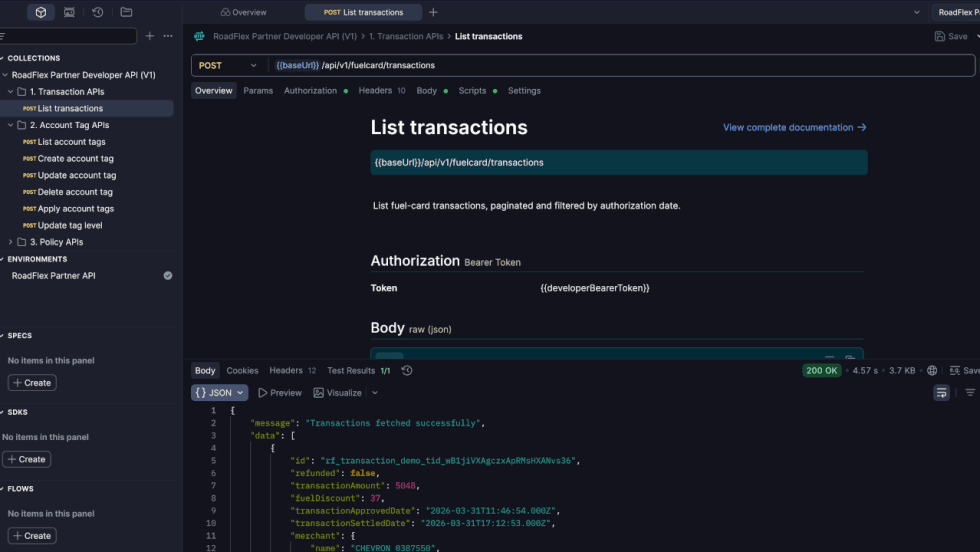
RoadFlex Launches RoadFlex Direct Open API Platform
RoadFlex Direct connects fuel cards, controls, and data to the telematics and fleet management systems fleets already run, from Geotab and Samsara to Fleetio and RTA, with no separate dashboard or double data entry.
Read More →
The Key to Fuel Efficiency Sits in the Cab
Learn how driver behavior, telematics, coaching, and fuel data can help fleets improve fuel efficiency, lower costs, and reduce emissions.
Read More →