




Fleet 101: A Guide to Vehicle Classes and Uses
Optimizing Fuel Efficiency: Fleet Impact of Curb and Gross Weight on Fuel Consumption
Understanding how curb weight and gross weight impact fuel consumption leads to better-optimized fleet fuel management strategies.
by Alexandra Kalasky, IntelliShift
December 11, 2023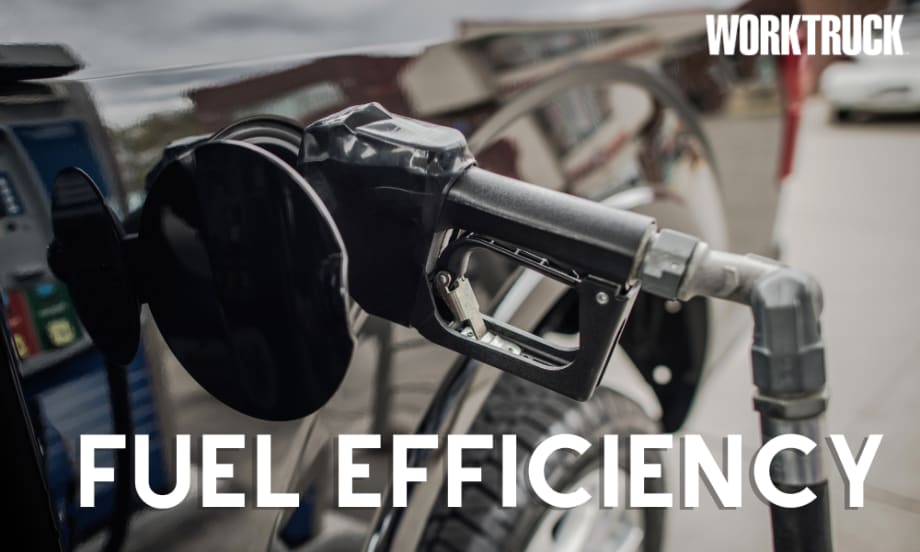
Curb weight and gross weight both significantly impact fuel consumption in vehicles.
Photo: Work Truck
6 min to read
In work truck fleet management, fuel efficiency is a critical factor that directly impacts the bottom line and environmental footprint.
Among the various elements that influence this efficiency, the role of vehicle weight — specifically curb and gross weight — is crucial yet often underappreciated.
Understanding how curb weight and gross weight impact fuel consumption leads to better-optimized fleet fuel management strategies.
The Weight Factor: Curb and Gross Weight Explained
Curb weight and gross weight both significantly impact fuel consumption in vehicles, but in slightly different ways.
Curb Weight
Curb weight is the vehicle's weight without passengers or cargo, essentially its “empty” weight. It impacts fuel consumption in the following ways:
Engine Load: A heavier curb weight means the engine must work harder to move the vehicle, leading to increased fuel consumption. This is because more energy (and thus more fuel) is required to accelerate and maintain the speed of a heavier vehicle.
Braking and Momentum: Heavier vehicles require more energy to slow down and stop, especially in stop-and-go traffic, which can increase fuel usage. Maintaining momentum also requires more energy in heavier vehicles.
Aerodynamics and Rolling Resistance: A heavier vehicle may have different aerodynamic properties and increased rolling resistance (resistance of tires on the road), which can lead to higher fuel consumption.
Gross Weight
Gross weight (GVWR) includes the total weight of the vehicle with passengers, cargo, and any additional equipment. It impacts fuel consumption in the following ways:
Increased Load: Similar to curb weight, a higher gross weight increases the energy required to move the vehicle. The engine must exert more effort to accelerate and maintain cruising speeds under heavier loads, consuming more fuel.
Strain on Engine and Transmission: Operating a vehicle at or near its maximum gross weight can strain the engine and transmission. This strain often results in higher fuel consumption as the engine works harder to provide the necessary power.
Braking and Momentum: Vehicles with higher gross weights also face increased fuel consumption due to the energy required for braking and maintaining momentum, particularly in urban or hilly driving conditions.
In both cases, the principle is the same: more weight requires more energy to move and stop the vehicle.
This increased energy requirement translates directly into higher fuel consumption. Therefore, managing the weight of a vehicle — both its curb weight through design and materials and its gross weight through load management — is crucial for optimizing fuel efficiency.
5 Top Strategies for Optimizing Fuel Efficiency in Fleets
Optimizing fuel efficiency in work truck fleets involves understanding what affects fuel consumption and adopting operational best practices. Here are five key strategies:
1. Selecting the Right Vehicles
Choosing the right trucks is a critical decision in fleet management. Opt for models that balanced fuel efficiency and the necessary curb weight for durability and operational capacity.
Modern vehicles are increasingly designed with fuel efficiency in mind, featuring lighter materials and more efficient engines.
Selecting trucks that align with the specific needs of the fleet while offering superior fuel economy can significantly reduce overall fuel costs.
2. Loading the Vehicles Correctly
Avoid overloading trucks. Excess weight significantly increases fuel consumption, so it's key to ensure loads are within the vehicle's gross weight capacity.
Efficient load management also involves strategically distributing cargo weight. This maintains balance within the vehicle, reducing strain on the engine.
3. Making Data-Driven Decisions With Telematics
Fleet telematics integrates telecommunications and informatics to monitor and manage fleet vehicles. It combines GPS technology, onboard diagnostics, and data analytics to provide various services and functionalities.
Telematics systems can track fuel usage and efficiency, offering insights into how to optimize fuel consumption.
For example, if work trucks are being overloaded, fleet managers could recognize this trend by analyzing telematics data.
Another element telematics can track is driver behavior, such as speeding, harsh braking, and rapid acceleration — all of which can lead to increased fuel consumption.
By identifying these behaviors, fleet managers can provide targeted training to encourage more fuel-efficient driving habits.
4. Optimizing the Routes
Terrain and driving conditions can exacerbate fuel consumption. For instance, on inclines, heavier trucks consume more fuel to overcome gravitational forces.
In urban settings with stop-and-go traffic, the effect of weight on fuel consumption is more pronounced due to the constant need for acceleration.
Route planning software can analyze numerous variables, such as traffic patterns, road conditions, and delivery schedules, to determine the most efficient routes.
By minimizing travel distances, bypassing harsh terrain, and avoiding traffic-heavy areas, work truck fleets can reduce idle time, lower fuel consumption, and improve overall operational efficiency.
5. Keeping the Vehicles Well-Maintained
A well-maintained vehicle is a fuel-efficient vehicle. Regular fleet maintenance ensures that engines run efficiently, tires are properly inflated, and mechanical issues are addressed promptly.
A proactive maintenance schedule can prevent minor issues from turning into major problems that can significantly impact fuel efficiency.
The Future of Optimized Fuel Efficiency
Electric vehicles (EVs) redefine the benchmarks of fuel efficiency in fleet operations.
Energy Efficiency
With their ability to convert over 77% of the electrical energy from the grid to power at the wheels, EVs stand in stark contrast to gasoline vehicles, which only convert about 12%–30% of the energy stored in gasoline to power at the wheels.
This fundamental efficiency in energy use is a game-changer for fleet managers looking to optimize fuel costs and reduce their environmental footprint.
Instant Torque
EVs are known for their instant torque delivery, which means they can handle increased loads with better initial acceleration. This characteristic can be particularly advantageous in urban driving conditions or situations where frequent starting and stopping are required.
Regenerative Braking
EVs use regenerative braking, which recovers energy during braking and feeds it back into the battery. This feature is beneficial when carrying heavy loads, as more energy can be recaptured due to the increased momentum of a heavier vehicle.
Challenges and Considerations
While EVs offer several advantages in terms of efficiency and performance, the impact of heavier loads on the range and the need for more robust charging solutions are important considerations.
Reduced Range: Heavier loads can significantly reduce an EV's range. Because moving a heavier load requires more energy, it can deplete the battery faster. Fleet managers must consider this, especially for long-distance routes.
Battery Size and Weight: To compensate for the reduced range with heavier loads, larger batteries may be required, increasing the vehicle's weight and cost. This can offset some of the efficiency gains.
The suitability of EVs for heavy loads in fleets depends on specific operational requirements, including route length, load weight, and available charging infrastructure.
Embracing Optimal Fuel Efficiency Strategies
The journey to optimal fuel efficiency in work truck fleet management is multifaceted, with curb and gross weight playing critical roles.
Fleet managers seeking to improve fuel consumption should begin by thoroughly assessing their current practices and be willing to embrace new technologies and strategies.
Adopting a combination of informed vehicle selection, telematics, and proper operational practices can lead to more efficient and sustainable fleet operations.
Subscribe to Our Newsletter
More Fuel

The Smart Way to Build a Mixed-Energy Fleet Isn’t About Picking a Side
Mixed-energy fleets aren’t about picking a winning fuel. Sarah Booth of WEX explains how vehicle data, duty cycles, charging strategy, and real-world costs can help fleets choose the right energy source for each job.
Read More →
Ignoring This Dashboard Warning Could Cost Your Fleet Thousands in Fuel
New research suggests neglected diesel aftertreatment systems could waste up to $30 in fuel per vehicle each day. Here's why vocational fleets should pay attention.
Read More →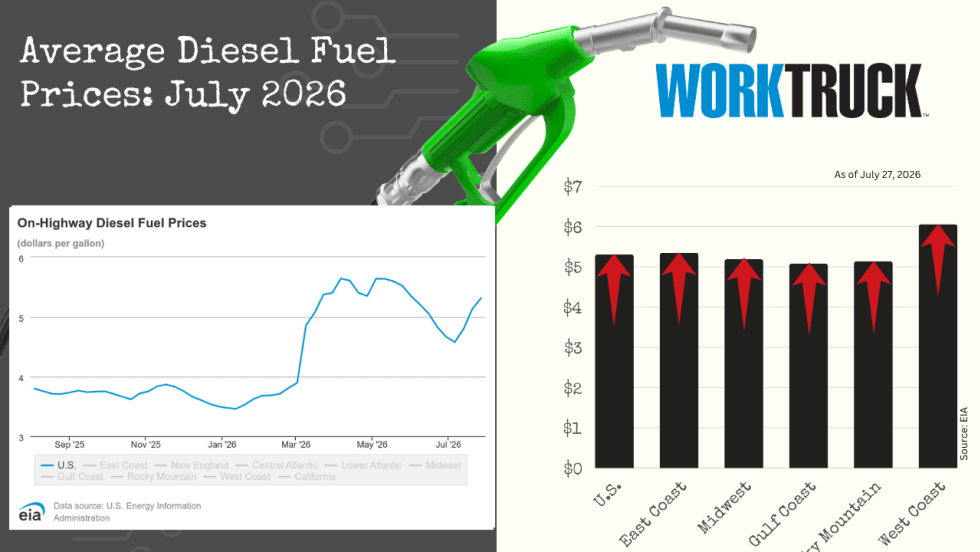
July Diesel Trends Update
The average price of a gallon of diesel increased again this week, and the EIA reported a new national average of $5.31 at the start of the week.
Read More →
WEX Brings Standard Fleet's Connected Vehicle Platform to Fleet Customers
This week’s product launch with Standard Fleet’s connected vehicle platform reflects WEX Venture Capital's strategy of turning startup innovation into customer solutions. Standard Fleet is now available to WEX fleet customers.
Read More →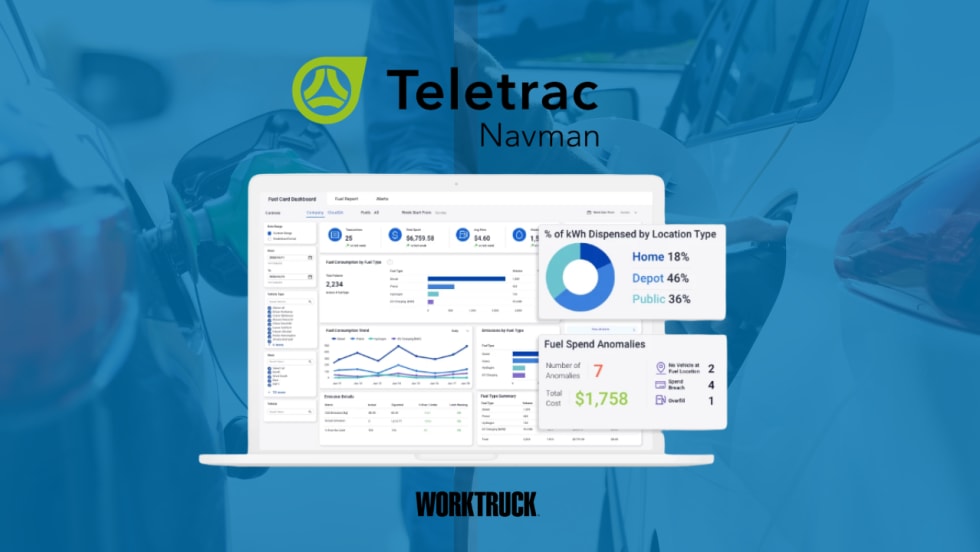
Teletrac Navman Adds Mixed-Energy Fleet Tools to TN360
The new Energy Hub combines fuel transactions, EV charging data, vehicle range, and energy costs in one dashboard for fleets operating multiple vehicle and energy types.
Read More →
WEX DriverDash adds CITGO, Expands Nationwide Access for Fleets
The DriverDash mobile payment app, by WEX, has been integrated into the CITGO merchant network, which means WEX has expanded its U.S. station footprint with the addition of approximately 4,000 CITGO locations.
Read More →
Mixed Energy Fleet Tips for Balancing EVs, Gas and Diesel Vehicles
Mixed energy fleets are becoming the new normal. Learn how fleet managers are balancing EVs, gas and diesel vehicles while controlling costs and planning for the future.
Read More →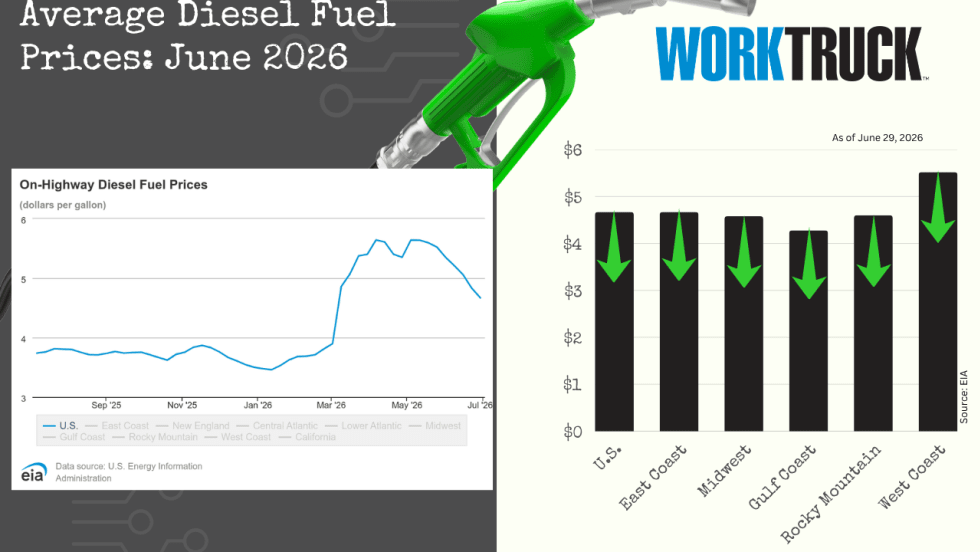
June Diesel Trends Update
The national average price of a gallon of diesel has dropped again, this week by more than 16 cents. All five regions reported lower average prices, ranging from almost 13 cents to more than 28 cents cheaper than a week ago.
Read More →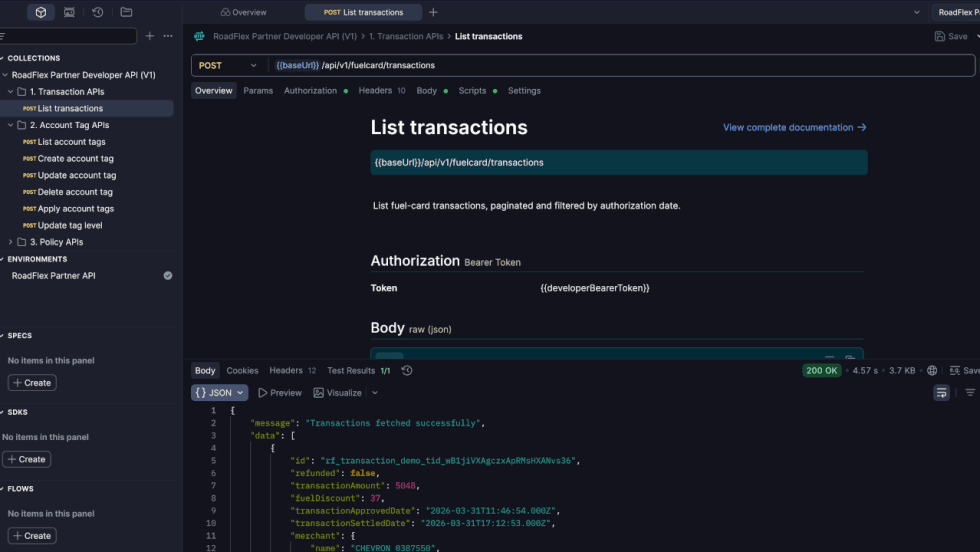
RoadFlex Launches RoadFlex Direct Open API Platform
RoadFlex Direct connects fuel cards, controls, and data to the telematics and fleet management systems fleets already run, from Geotab and Samsara to Fleetio and RTA, with no separate dashboard or double data entry.
Read More →
The Key to Fuel Efficiency Sits in the Cab
Learn how driver behavior, telematics, coaching, and fuel data can help fleets improve fuel efficiency, lower costs, and reduce emissions.
Read More →