




What is telematics? Telematics refers to the use of technology to monitor, track, and manage a fleet of vehicles. It involves the integration of telecommunications and information processing, allowing fleet managers to collect and analyze data related to vehicle location, performance, and driver behavior.
Navigating an Uncertain Market: The Rising Costs of Commercial Fleet Insurance
The costs of insuring commercial fleets continue to increase. Many fleet carriers could face costly insurance renewals this year — and next.
by Lisa R. Paul, Hub International
September 27, 2023
One in five commercial drivers is involved in a traffic accident annually.
Photo: Canva
4 min to read
The costs of insuring commercial fleets continue to increase due to economic uncertainty, rising inflation, and a fluctuating insurance market. As a result, many fleet carriers could face costly insurance renewals this year — and next.
Carriers with a record of high accidents and subpar driving ratings could face rate increases in excess of 10%, along with heightened deductibles.
On the other hand, those with outstanding driving records and a robust safety program can expect marginal single-digit premium increments or even slight reductions, providing a cushion against the rising tide of operational expenditures.
Fleet operation costs reached record levels in 2022, propelled by the surge in fuel and procurement expenses, supply chain disruptions, and maintenance repair costs, to name a few. Costs for 2023, through July, are on the same trajectory.
Although pandemic-induced manufacturing shutdowns occurred over two years ago, their repercussions still reverberate. A 25% spike in auto part prices and an average 30-day extension in procurement timelines is now the reality and is compounded by the escalating costs of commodities.
The mounting costs for litigation and medical services exacerbate the industry’s insurance problems. Over the past decade, liability claims in commercial auto insurance has surged by over $20 billion.
A large part of this is due to “nuclear verdicts,” with juries awarding upwards of $10 million to accident victims. Medical care expenses also increased nearly 6% in the last year. The reduced frequency of claims during the pandemic is back to pre-pandemic levels and is escalating as well.
These factors paint a commercial auto insurance sector recovery. Some insurers have already exited the industry; those remaining have increased their scrutiny of policyholders, becoming more selective.
Prioritizing Safety: A Risk Management Imperative
Approximately one in five commercial drivers is involved in a traffic accident annually; more than half are attributed to speeding, fatigue, and distractions.
Creating a culture of safety, offering regular training , embracing technology, and tracking your drivers’ compliance, safety, and regulatory scores can help reduce accidents and curb insurance premiums.
Remember: safety as a tenet starts at the top. Here are two ways to make your employees aware that their health and well-being are important.
Harness technology. Incorporate GPS and telematics data into your safety program and leverage this information to identify driver performance issues, monitor locations, improve communication, determine accident causes, and enhance compliance. Software as a service technology also can be used for onboarding new drivers, streamlining claims and hiring processes, tracking violations, ensuring regulatory compliance and storing documentation. Sharing this data with insurers in the wake of new discounts in pricing from underwriters, who will use this data in lieu of prior industry data of motor vehicle records and loss history, may be a path to lowering insurance costs.
Provide ongoing education. Regular training and education can make a difference. Send drivers monthly notifications, emails or videos as training refreshers that reveal how an accident could have been avoided or review the fleet’s mandatory inspection checklist, for example. Acknowledging drivers who embody safety and offering small rewards can motivate others to follow suit. Ensure routine offenders undergo significant retraining or are dismissed before they damage your overall safety ratings — and increase your premiums.
Look After Your Employees
Taking care of your drivers and ensuring they feel taken care of can help you retain seasoned employees and recruit new ones who will be an asset to the company.
Maintaining hiring policies and embracing mentoring can help. Consider pairing new hires with seasoned employees so they can gain a better understanding of company policy and procedures. When hiring new drivers, make sure to:
Review all driver candidates’ motor vehicle records and enroll in continuous monitoring.
Pass a pre-hire road test.
Analyze pre-employment screening program reports.
Monitor drivers through telematics and deploy collision detection tools to kick off claims and provide help to drivers quickly when accidents occur.
Robust company cultures and monitoring employee well-being can lead to allegiance and loyalty — even from independent contractors.
Offering innovative technology platforms that let independent contractors connect drivers with health insurance options and related programs can also help them achieve a work-life balance.

It's important to take care of your drivers by improving safety and offering training.
Photo: Canva
Choose Your Broker Wisely
An adept broker is pivotal to a commercial carrier’s risk management strategy, so choose a broker that specializes in the transportation industry and regularly meets to review losses and share relevant data that can present your fleet in the best light.
Plan for your renewal at least six months in advance. When you meet with your broker, share relevant data that highlights the strength of your risk management program and be ready to discuss any large claims or loss trends. Let them know of any changes in your business as well.
In addition, consider assuming more risk if your rates increase significantly. Fleets can reduce premiums by increasing deductibles but conduct a deep dive into your company’s finances and risk management strategy first.
Controlling fleet insurance costs can be achieved if you embrace safety, harness technology, prioritize driver well-being and collaborate with a knowledgeable broker.
Subscribe to Our Newsletter
More Operations
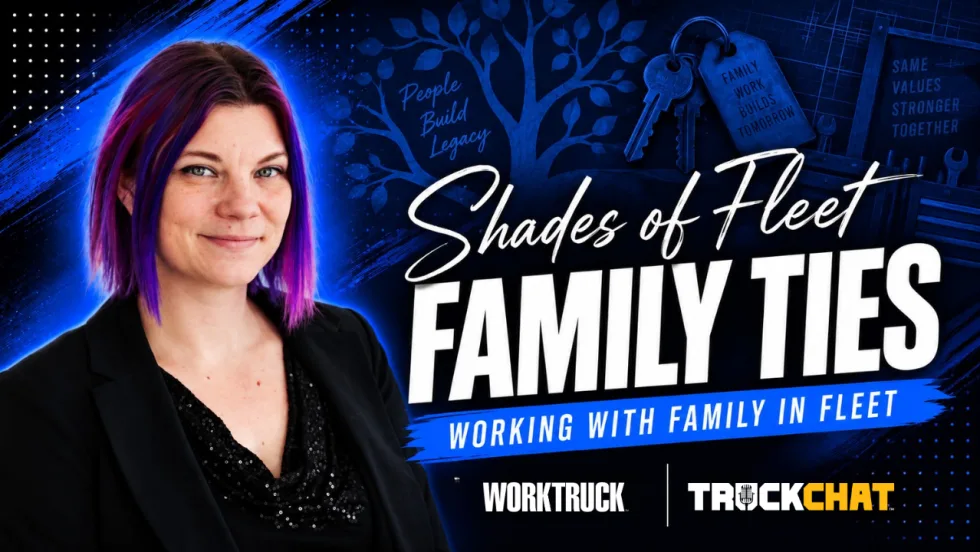
Family Ties Inside the Fleet Families Building Careers Across Generations
Three fleet families share what it really takes to work together, learn across generations, and keep business from following them home.
Read More →
Shades of Fleet Call for Voices: Fleet's Hidden Heroes
Fleet’s hidden heroes are often the ones keeping everything moving behind the scenes. September’s Shades of Fleet is looking for dispatchers, coordinators, parts specialists, and other support pros to share their stories.
Read More →
Truck Centers, Inc. Celebrates National Truck Driver Appreciation Week with $1,000 Fuel Card Giveaways
During National Truck Driver Appreciation Week, Truck Centers, Inc. is offering customers a chance to fuel up for free. Customers at all Truck Centers locations can enter to win one of four $1,000 fuel cards from Sept. 14 - 18.
Read More →
Fleet Guides, AI Time-Savers, Truck Tariffs & Fuel Strategy Lead the News
This week’s Truck Chat Cheat Sheet covers new fleet vehicle guides, practical AI use cases, U.S.-Canada truck production, mixed-energy strategy, and more.
Read More →
What Fleet Employers Are Missing When Hiring Veterans
What if some of the strongest candidates for fleet are already out there, but their experience is written in a language our industry does not always recognize?
Read More →
Automotive Fleet Opens 2026 Personal Use Survey for Commercial Fleet Managers
Less than two weeks left! Commercial and corporate fleet managers are invited to share how their organizations handle company vehicle personal-use policies, charges, and driver eligibility.
Read More →
What Resilient Fleets Do Differently When Conditions Change
Fleet resilience is about more than reacting to disruption. Lauren Fletcher talks with AP Fleet’s Alex Coveney about flexibility, planning, scaling, and what helps fleets adapt when business conditions shift.
Read More →
If We Want the Next Generation in Automotive, We Have to Give Them a Reason to Care
The automotive industry talks constantly about its workforce shortage. But before we can recruit the next generation, we may need to do a better job giving kids a reason to care about automotive in the first place.
Read More →
Ram ProMaster City Under $40K, Truck Tariffs, and AI Maintenance Lead the News
A sub-$40K commercial van, tariff questions, AI-powered maintenance, and a new EV production strategy headline this week’s Truck Chat Cheat Sheet.
Read More →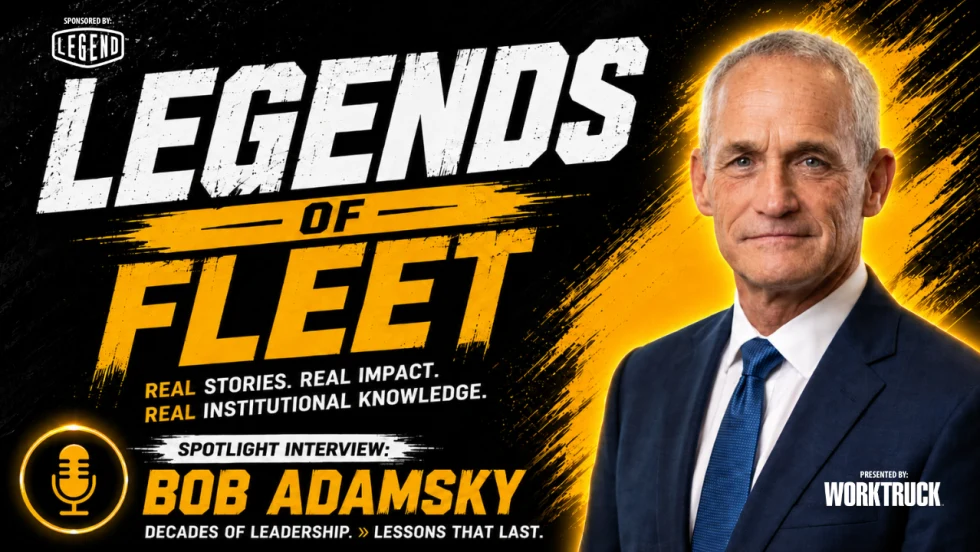
Bob Adamsky Shares the Fleet Lessons You Usually Learn the Hard Way
After more than 30 years in fleet, Arrow International’s Bob Adamsky has learned that the job is about far more than vehicles. He shares the lessons he wishes every fleet manager could learn a little earlier.
Read More →