




LT- vs. P-Metric Replacement Tires for Trucks, SUVs
Tire-sizing systems used on OE light-truck tires include Euro-Metric, P-Metric, and LT-Metric. Many 1/4- and 1/2-ton vehicles use Euro-Metric and P-Metric tires, while 3/4- and 1-ton vehicles use LT-Metric sizes.
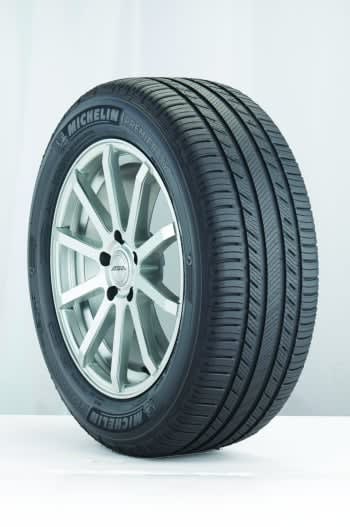
Michelin North America Inc. has launched the next member of the Premier family, the Premier LTX. (PHOTO: MICHELIN NORTH AMERCA)
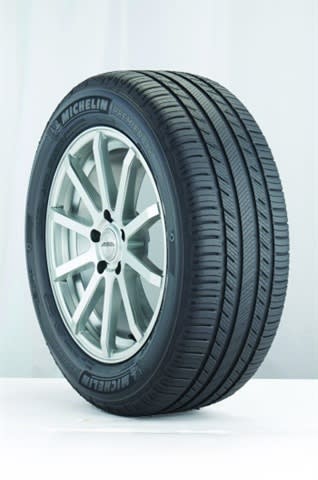
Michelin North America Inc. has launched the next member of the Premier family, the Premier LTX. (PHOTO: MICHELIN NORTH AMERCA)
Selecting a replacement tire for a light truck or SUV application sometimes places the fleet manager between a rock and a hard place.
First, the tire’s construction must be able to accommodate the vehicle’s weight and intended use. Blindly choosing a P-Metric passenger car tire (even if the tire size meets the criteria) can be a bad idea if the tire of choice isn’t designed to handle the dynamics of the vehicle.
According to The Tire Rack, replacement tire retailer, three tire-sizing systems are used on OE tires that are fitted to today’s light-duty trucks: Euro-Metric, P-Metric, and LT-Metric. Many 1/4-ton and 1/2-ton vehicles use Euro-Metric and P-Metric-sized tires, while 3/4-ton and 1-ton vehicles use LT-Metric sizes.
Euro-Metric and P-Metric tire sizes were originally designed for cars and station wagons; however, they have also been used for light-truck applications because most vans, pickup trucks, and SUVs are intended to carry passengers instead of cargo. Additionally, most of the new light trucks being produced today are equipped with Euro-Metric or P-Metric-sized tires because they offer lighter weight, lower rolling resistance, and less-aggressive tread designs for improved ride comfort, less noise, and better fuel economy, as opposed to typical heavy-duty tires.
The Tire Rack points out that fleet managers need to consider the fact that vans, pickup trucks, and SUVs typically feature a higher center of gravity and greater likelihood of being overloaded than passenger cars. In order to accommodate this, vehicle engineers are required to specify Euro-Metric or P-Metric-sized tires that are rated to carry 10-percent more weight than would be required for a passenger car application. This is the equivalent of taking the tire’s load capacity and multiplying it by 91 percent.
For example, a Euro-Metric or P-Metric tire designed to carry 2,000 pounds on a car is restricted to carrying 1,820 pounds when that same tire is used on a van, pickup truck, or SUV. This size selection practice provides the vehicle manufacturer with the appropriate tire load capacity.
On the other hand, LT-Metric-sized tires were specifically developed for use on light trucks, and provide the full tire load capacity that is displayed on the tire sidewall. Because of this, LT-Metric-sized tires are built very strong and use higher inflation pressures to carry a given load in order to provide the desired safety margin.
While there isn’t a problem in determining an appropriate alternate size when replacing Euro-Metric or P-Metric tires with other Euro-Metric or P-Metric sizes, the differences in load capacity and inflation pressures prohibits mixing the LT-Metric tires with Euro-Metric or P-Metric tires or vice-versa.
LT-Metric vs. P-Metric
An LT tire is built more robustly than a P-Metric tire to handle heavy loads under adverse conditions. Heavier body plies and larger bead bundles allow LT tires to be inflated to higher pressures, thereby increasing the tire’s load capacity. It is the air inside the tire that carries the load. Usually, LT tires have deeper tread depths than their P-Metric counterparts. Officially, LT tires should always be replaced with LT tires. P-Metric tires are passenger tires that are better suited for on-road use. There are some occasions where an LT tire may be a better replacement application than the OE P-Metric, such as when better off-road durability is desired.
By the same token, a P-Metric tire may be acceptable for a light truck or SUV application, providing the tire offers sufficient load rating (to handle vehicle weight), and providing the vehicle won’t be driven in an off-road situation. In addition to a concern for load carrying capacity, LT tires feature heavier construction in sidewall, shoulder, and tread areas to better withstand rough-terrain exposure.
A P-Metric tire should only be considered if the vehicle will only be operated on paved roadways.
As mentioned earlier, if a set of P-Metric tires are to be installed, replacing an original set of LT tires, the P-Metric tires should feature a 10-percent increase in load carrying capacity in order to provide an acceptable margin of safety.
For example, if the vehicle weighs 4,500 pounds, normally each tire should be capable of carrying a minimum of 1,125 pounds. If a P-Metric tire size is chosen, the tires should be able to carry at least 1,238 pounds.
Tire Load Ratings
Tires (and their inflation) are totally responsible for supporting vehicle weight. If the tire’s load rating is insufficient, the tire may become overheated, resulting in the potential for tire failure (through no fault of the tire, if the tire model is not correct for the specific vehicle).
For example, if a passenger car performance tire is selected to replace an OE light truck tire on an SUV, the new tire must meet or exceed the requirement for the specific vehicle weight. Consider the vehicle’s gross weight and divide this by four to roughly determine the load capacity for each individual tire. If the vehicle gross weight is 4,500 pounds, each tire should be able to safely support at least 1,125 pounds.
But, you should never select a tire that only meets this minimum weight capability. Always select a tire that offers a greater, or reserve load capacity, which will help the vehicle handle and respond to higher-stress emergency situations.
The tire’s load rating, or “Max Load” indicates the individual tire’s safe maximum load-carrying capacity, when inflated to its recommended pressure. Never exceed a tire’s maximum load rating; the limit that is molded into the tire sidewall, or the maximum vehicle load limit shown on the vehicle tire placard, whichever is less.
Load & Inflation
The Max Load and Max Inflation numbers found on the tire sidewall indicate the maximum load that can safely be carried and the maximum allowable tire pressure. The construction of the tire (belts, bead, carcass, and liner) dictates the tire’s ability to withstand pressure. The stronger the reinforcements, the greater pressure the tire can hold.
Most alphanumeric tires feature a load range of B, which indicates that they are restricted to the load that can be carried at a maximum inflation pressure of 32 psi. C, D, or E tires are capable of greater loads. Most load range C, D, and E tires are intended for light-duty truck applications.
Tire load-carrying capacity of P-Metric tires is rated as either Standard or Extra Load. Standard Load tires are limited by the load that can be supported with a maximum inflation pressure of 35 psi. Extra Load-rated tires are limited to the load that can be carried at a maximum inflation pressure of 41 psi. Generally, a Standard Load tire will not feature a special designation mark, while Extra Load tires will feature an “Extra Load” marking.
Extra-load P-Metric tires will be branded as “Extra Load” and may be identified by an “XL.” (For example, LT245/75R15 XL).
It’s important to note that a Standard Load tire (with a normal inflation pressure recommendation of 35 psi) may be marked with a maximum inflation pressure of 44 psi. This does not indicate an increase of the tire’s load carrying capacity, but indicates the tire’s ability to handle higher inflation pressure in order to accommodate special performance requirements. Generally speaking, load indexes of passenger car tires and light trucks range from 70 to 110.
About the Author: Mike Mavrigian is the owner of Birchwood Automotive Group in Creston, Ohio.
More Maintenance & Uptime
New STLE Special Report Examines Next-Generation Gear Lubricants for Electric Vehicles
Achieving the right balance of efficiency, durability, and electrical performance is critical in high-speed electric-vehicle drivetrains. The Society of Tribologists and Lubrication Engineers (STLE) released its new special report about EV lubrication.
Read More →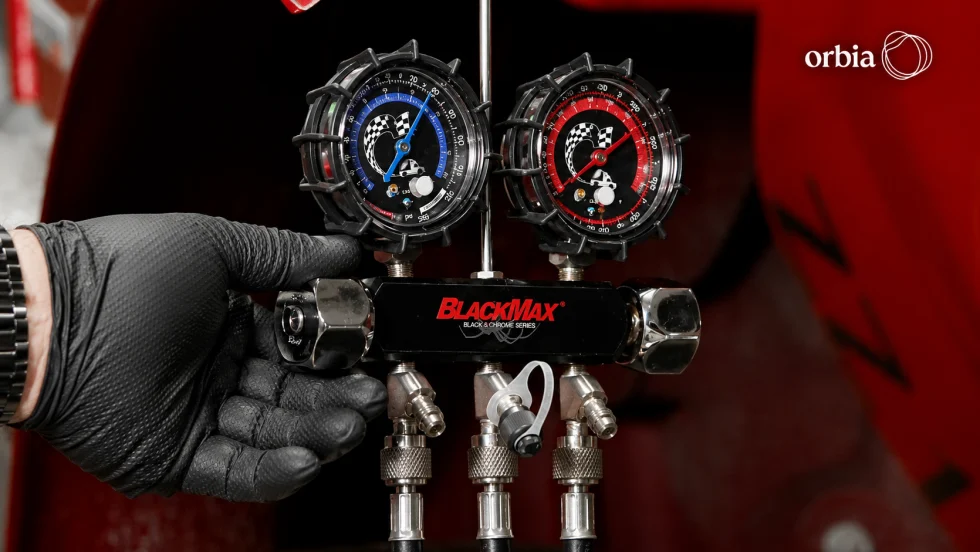
The Lost Art of Refrigerant Recovery
As new A/C refrigerants enter the market, fleet shops may already have many of the tools they need to service them. Here’s why revisiting basic refrigerant service skills could save equipment costs and get trucks back on the road faster.
Read More →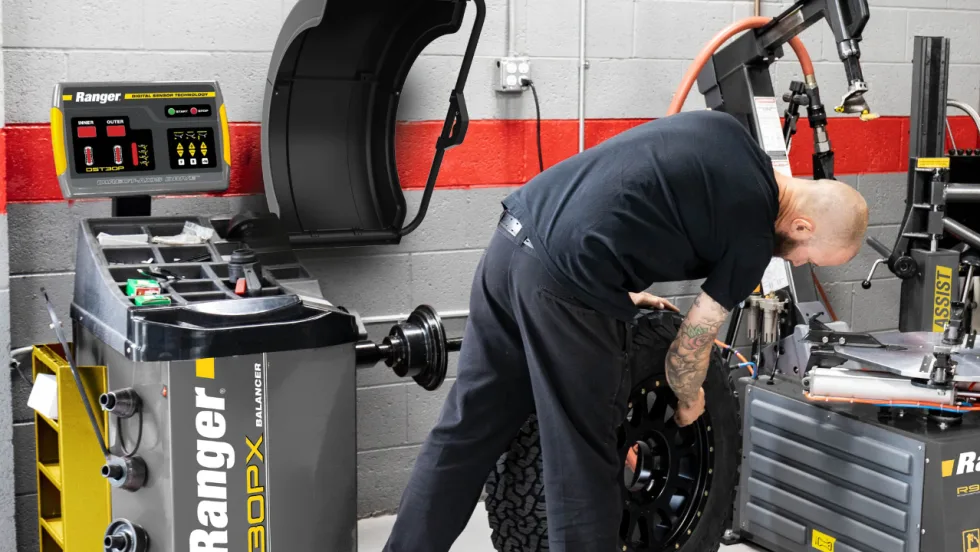
BendPak Launches Ranger DST30PX Balancer for Large Wheel Service
The new DST30PX Professional Wheel Balancer from Ranger Division of BendPak smoothly handles tires up to 43 inches with precision and accuracy.
Read More →From Our Partners
Basic Tracking vs Next Generation Fleet Technology
Sponsored by AT&T Business

5 Facts Every Fleet Manager Should Know About Embedded Telematics
Sponsored by Stellantis/Mobilisights
How AI Video Telematics Boosts Driver Safety and Helps to Avoid Unnecessary Costs
Sponsored by Verizon Connect

Charting the 8 Bottom-Line Benefits of Workforce Optimization
Sponsored by Verizon Connect

Kooner and Global Partners Connect Mobile Fleet Maintenance and Fueling Services
A new referral partnership connects on-site fueling and maintenance services, with a focus on reducing off-site trips and making better use of fleet downtime.
Read More →
Maintenance Failures That Sideline Work Trucks and the Inspection List That Catches Them Early
Unplanned downtime hurts efficiency and even profitability for work truck fleets, but catching potential problems early can help prevent it. Here is an inspection list that can help potentially prevent that downtime.
Read More →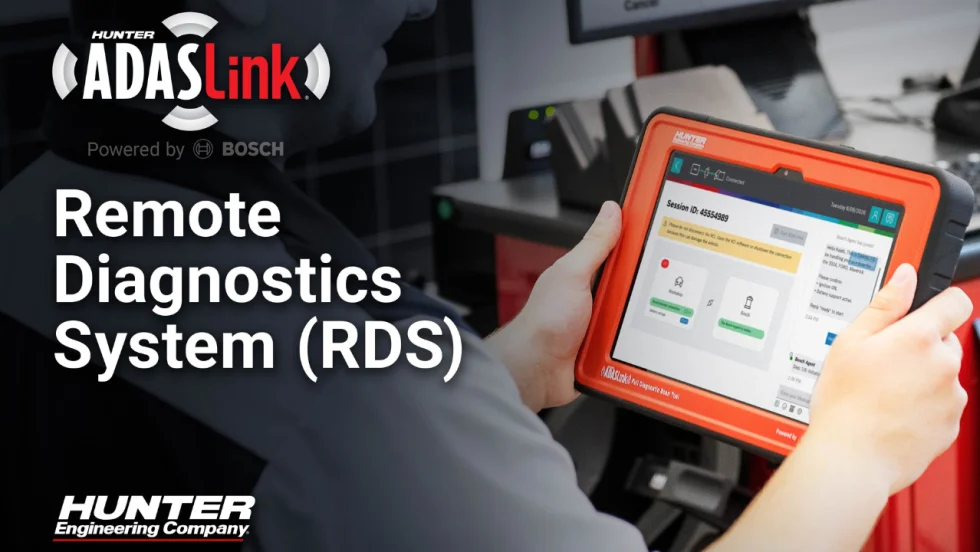
Hunter Engineering Enters Collaborates with Bosch for Remote Diagnostics Service Through ADASLink
Hunter Engineering’s collaboration with Bosch enables ADASLink to connect directly with Bosch diagnostic experts through an integrated remote support platform, allowing shops to service more vehicles.
Read More →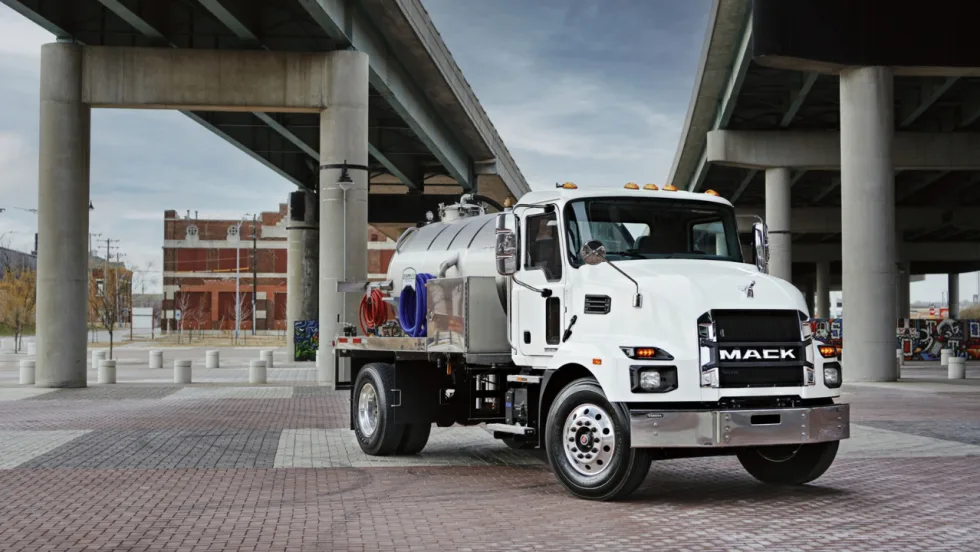
Mack Adds Chassis Coverage Options for Fleet Repair Costs
Mack Trucks introduced four system-specific chassis coverage plans, giving fleets more flexibility to manage repair costs for driveline, HVAC, electronics, safety systems, and other components.
Read More →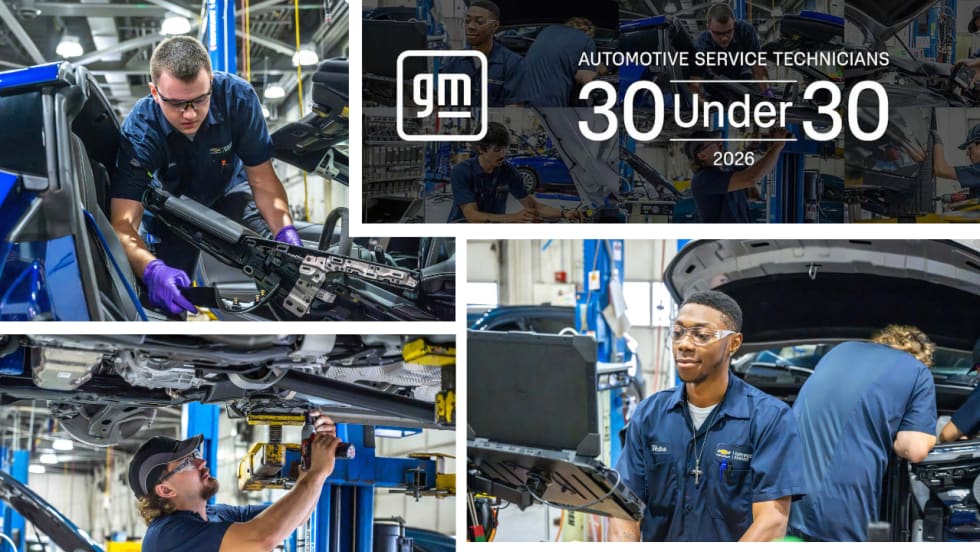
GM Launches ‘30 Under 30’ Program to Elevate Automotive Service Technicians and Inspire the Next Generation
The GM Automotive Service Technicians 30 Under 30 program honors GM service technicians under the age of 30 who demonstrate continuous technical training, exemplary customer service, mentorship, and leadership.
Read More →
Kooner Fleet Management Solutions Named Exclusive On-Site Fleet Maintenance Provider for Safe Truck Parking
A strategic partnership between Kooner Fleet Management Solutions and Safe Truck Parking brings mobile maintenance and 24/7 repair services directly to Safe Truck Parking locations, beginning in San Diego, California, with nationwide expansion planned.
Read More →
Building a Better Vehicle Replacement Model
Meter readings still matter, but engine hours, idle time, maintenance trends, and utilization can help fleets spot costly vehicles before the odometer does.
Read More →