




Impact of New Higher Fuel Standard Proposed by the Obama Administration
Fleet managers will see an increase in acquisition cost, which could cause many to wait before diving into new fuel technology headfirst.


The Obama Adminstration is calling for a 10- to 20-percent reduction in fuel consumption and GHG emissions, depending on vehicle type, beginning in model year 2014 and running through 2018. During President Barack Obama’s Jan, 28, 2014, State of the Union address transportation and energy security were themes. (PHOTO: Official White House Photo by Pete Souza)
In February 2014, President Barack Obama directed the U. S. Environmental Protection Agency (EPA) and the National Highway Traffic Safety Administration (NHTSA) to develop and issue the next phase of medium- and heavy-duty vehicle fuel efficiency and greenhouse gas (GHG) standards by March 2016.
This second round of fuel efficiency standards will build on the regulations that were finalized in September 2011, which cover combination tractors, heavy-duty pickup trucks and vans, and vocational vehicles (such as delivery trucks, buses, and refuse trucks), beginning in model-year 2014 and running through 2018. These vehicles, depending on the type, must achieve 10- to 20-percent reduction in fuel consumption and GHG emissions by model-year 2018.
President Obama touted the new proposal as a “win-win-win.” The U.S. wins by reducing oil imports and businesses win through reduced fuel costs, “which should pay off in lower prices for consumers,” Obama noted.
The American Trucking Associations (ATA), while supporting the goal of improving fuel economy in heavy trucks, urged the Obama Administration to proceed with caution.
“Fuel is one of our industry’s largest expenses, so it makes sense that, as an industry, we would support proposals to use less of it,” said Bill Graves, the ATA’s president and CEO, in a recent statement. “However, we should make sure that new rules don’t conflict with safety or other environmental regulations, nor should they force specific types of technology onto the market before they are fully tested and ready.”
So, how much more stringent will the new rules be? And, at what cost? What kind of impact should fleets expect?
“I think a major impact of this will be higher acquisition costs,” said Dave Ehrman, truck specification analyst for ARI. “Historically, when we have had changes in fuel economy requirements or emissions, the new hardware, engineering and software inevitably pushed up the cost of the vehicle, and this then gets passed on to the purchaser.”
But, so far, at least with the current 2014-2018 models, the price impact has been negligible, said Ehrman.
“With the new 2014 trucks, there wasn’t a drastic increase — about $1,500 per unit (for Class 8 tractors), which isn’t much more than a normal yearly price increase, despite the requirement for GHG emissions compliance. It was a very small difference as opposed to the EPA emissions changes in 2007, when it was as high as $8,000 to $10,000 per truck,” he said.
Megan McMillan, client consultant at Donlen, expects that price increases will become more pronounced closer to 2018 when truck OEMs must fully comply with the regulations.
“To achieve the fuel economy standards manufacturers are going to need to develop new fuel efficient technologies, the cost of which will be passed on to consumers. However, higher fuel economy will allow consumers to reduce operating costs to achieve a positive ROI,” she said.
How long will it take to generate a return on investment? According to the White House, the initial round of standards would enable operators of a new 2018 semi-truck, for example, to recoup the cost of technology upgrades in less than a year and realize a net savings of $73,000 through reduced fuel costs over the truck’s useful life.
While these numbers seem compelling, McMillan said that real world fuel economy — and thus, payback timeframe — will be harder to predict for specific fleets when accounting for vehicle utilization and driver behaviors.
The Obama Administration said that the new round of standards will spur manufacturing innovation to develop advanced technologies that may not currently be in production.
“Manufacturers are going to have to look at other components beyond engine and powertrain efficiency improvements. There will be a new focus on aerodynamics, weight reduction, low rolling resistance tires, and accessory improvements. Hybridization and alt-fuels may also be a trend,” McMillan said.
McMillan said that some fleet managers have expressed some level of apprehension about the new standards.
“The changing market and uncertainty about the phase 2 regulations has many fleet managers concerned about operating costs. However, as we get farther along we will be able to measure real world fuel economy to see if it measures up to the 10- to 20-percent proposed increase.” she said.
Dan Shepherd, truck specification analyst for ARI, offered a similar observation.
“For a lot of clients, the proof as to whether changes will bring about real-world fuel cost savings is in the pudding, so to speak,” he said. “While the proposed savings are very promising, some fleet managers will say, ‘I want to see first- or second-year results before I decide to dive in and buy these trucks with the new technologies.’ So, the year prior to when the full changes go into effect, they may load up by buying 10 extra trucks so they don’t have to take on that expense with the new trucks before the technology has been proven.”
Since it’s so early in the process and fleets have yet to feel a significant financial impact from the first round of standards, assessing the impact of Round 2 may not seem urgent.
“When we get further along in the process and fleet managers start hearing that a certain change is going to cost a lot of money, that’s when they’re really going to start paying attention to it,” said Ehrman.
More Fuel

The Smart Way to Build a Mixed-Energy Fleet Isn’t About Picking a Side
Mixed-energy fleets aren’t about picking a winning fuel. Sarah Booth of WEX explains how vehicle data, duty cycles, charging strategy, and real-world costs can help fleets choose the right energy source for each job.
Read More →
Ignoring This Dashboard Warning Could Cost Your Fleet Thousands in Fuel
New research suggests neglected diesel aftertreatment systems could waste up to $30 in fuel per vehicle each day. Here's why vocational fleets should pay attention.
Read More →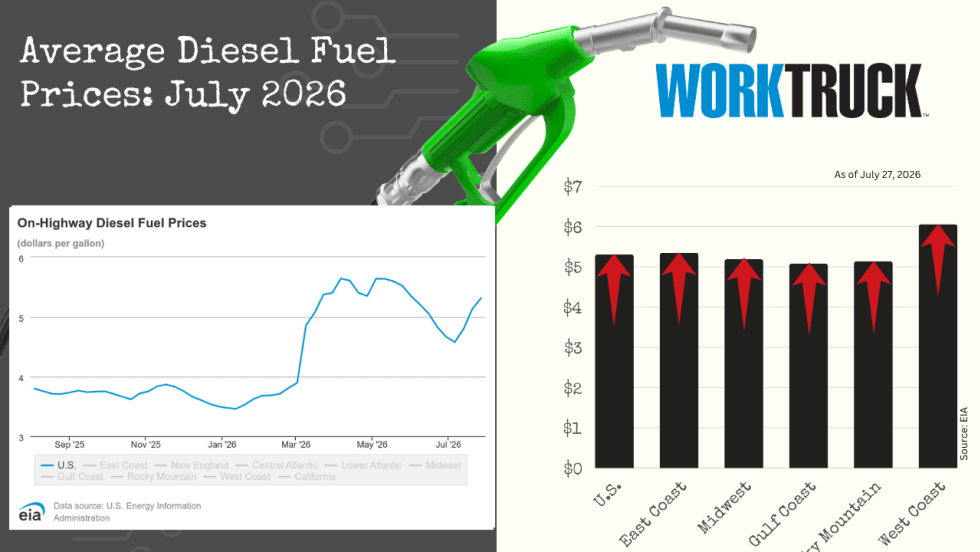
July Diesel Trends Update
The average price of a gallon of diesel increased again this week, and the EIA reported a new national average of $5.31 at the start of the week.
Read More →
WEX Brings Standard Fleet's Connected Vehicle Platform to Fleet Customers
This week’s product launch with Standard Fleet’s connected vehicle platform reflects WEX Venture Capital's strategy of turning startup innovation into customer solutions. Standard Fleet is now available to WEX fleet customers.
Read More →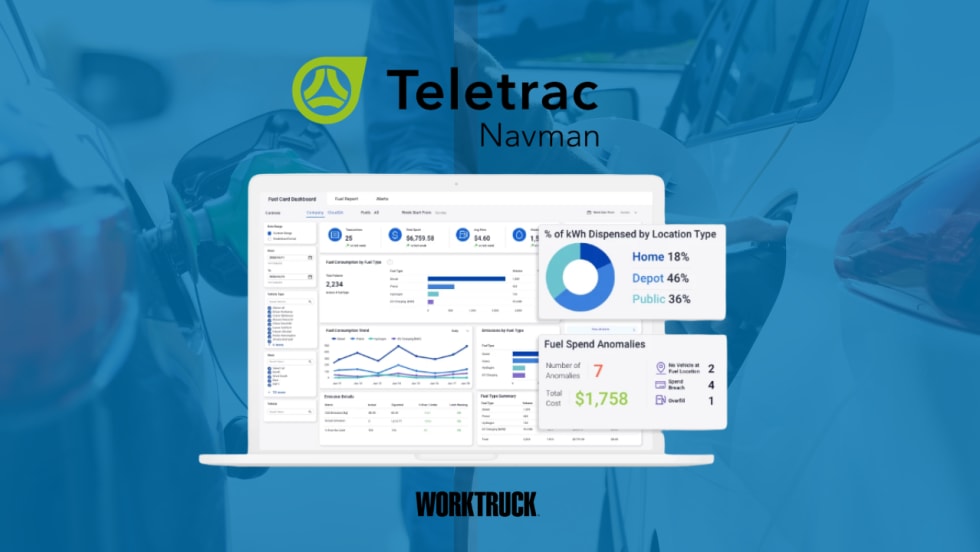
Teletrac Navman Adds Mixed-Energy Fleet Tools to TN360
The new Energy Hub combines fuel transactions, EV charging data, vehicle range, and energy costs in one dashboard for fleets operating multiple vehicle and energy types.
Read More →
WEX DriverDash adds CITGO, Expands Nationwide Access for Fleets
The DriverDash mobile payment app, by WEX, has been integrated into the CITGO merchant network, which means WEX has expanded its U.S. station footprint with the addition of approximately 4,000 CITGO locations.
Read More →
Mixed Energy Fleet Tips for Balancing EVs, Gas and Diesel Vehicles
Mixed energy fleets are becoming the new normal. Learn how fleet managers are balancing EVs, gas and diesel vehicles while controlling costs and planning for the future.
Read More →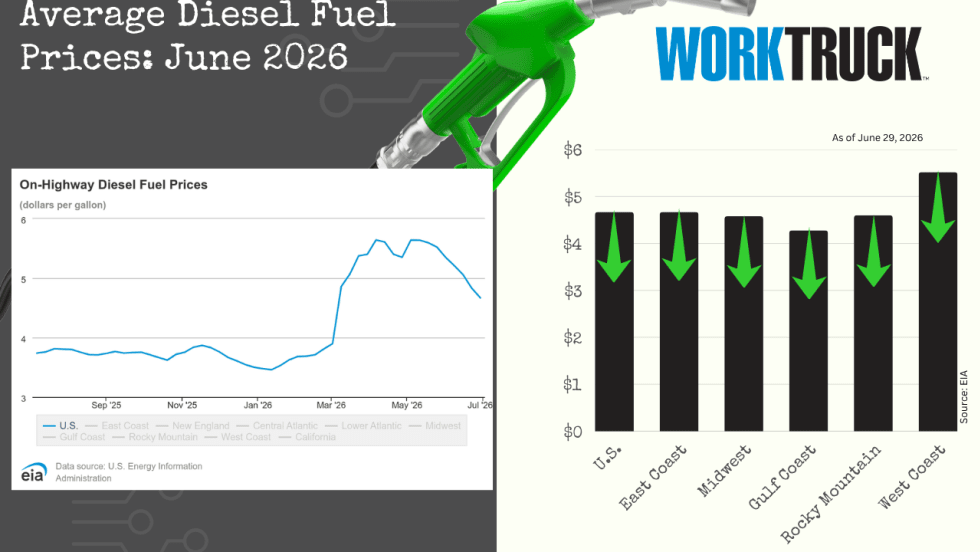
June Diesel Trends Update
The national average price of a gallon of diesel has dropped again, this week by more than 16 cents. All five regions reported lower average prices, ranging from almost 13 cents to more than 28 cents cheaper than a week ago.
Read More →
RoadFlex Launches RoadFlex Direct Open API Platform
RoadFlex Direct connects fuel cards, controls, and data to the telematics and fleet management systems fleets already run, from Geotab and Samsara to Fleetio and RTA, with no separate dashboard or double data entry.
Read More →
The Key to Fuel Efficiency Sits in the Cab
Learn how driver behavior, telematics, coaching, and fuel data can help fleets improve fuel efficiency, lower costs, and reduce emissions.
Read More →