




Learn More: The First 48 Hours: Fleet Readiness for Real-World Disaster Response
Disaster-Proofing Fleet Operations: How to Maintain Uptime When Conditions Are Anything but Normal
When disaster strikes, fleet uptime depends on prep, mobile maintenance, clear visibility, and disciplined execution before, during, and after the event.
by Michael Quimby, Kooner Fleet Management Solutions
April 30, 2026
Disaster conditions push fleet operations to their limits, where even small maintenance gaps can bring critical response efforts to a halt.
Credit: Work Truck
7 min to read
When hurricanes hit, flooding shuts down major roadways, wildfires rage, or blizzards howl; fleet operators must pivot on a dime. What was routine yesterday became mission-critical today.
Service vehicles suddenly support power restoration crews, debris removal teams, medical transport, infrastructure repair, and emergency supply distribution. In those moments, uptime can directly impact public safety and the speed at which a community (and the company itself) gets back on its feet.
Boxer Mike Tyson famously once said, “Everybody has a plan until they get punched in the mouth.”
In fleet operations, I have seen that play out too many times. Weaknesses in maintenance programs, communication gaps, or staffing plans usually do not show themselves until a real emergency exposes them. Disaster readiness is not something you create during the event. It is meticulously strategized long before…
Preparedness Starts Before the Forecast
The most resilient fleets do not treat disaster prep as a seasonal checklist. They treat it as a daily operating discipline.
Preventive maintenance is the foundation. The biggest failures during emergency response are rarely dramatic engine blowouts. More often, it is deferred maintenance that finally catches up under stress. Disasters push vehicles harder than normal. Heavier loads, extended idle time, rough terrain, contaminated roadways, and nonstop utilization. Parts that might last months under regular conditions can fail quickly in those environments.
Belts. Batteries. Cooling systems. Tires. Wiring issues. None of them are flashy. But I can tell you from experience, those are the things that strand trucks. It is rarely a big, dramatic failure. It is the small component that was “probably fine” until it wasn’t.
The fleets that avoid that situation are the ones that stay disciplined. They stick to inspection intervals even when things are busy. They replace parts before they’re completely worn out. They check fluids and actually pay attention to what they see. They conduct seasonal readiness checks before the storm season, rather than during it. When everything is calm, that can feel like overhead. When a disaster hits, that discipline keeps trucks moving.
And preparation is not just mechanical. Staging is critical. Trucks should already be fueled and inspected. Service units should be positioned intentionally. Technician schedules and communication plans should be clear in advance. If you’re figuring out who’s going where while the storm is already on top of you, you’re behind. In an emergency, minutes matter, and the time to plan is well before you need the plan.
Where Plans Break Down
I have reviewed plenty of disaster plans that looked solid on paper. The breakdown usually happens in execution.
One thing I see often is fleets putting all their attention on the event itself. The reality is, the natural disaster itself is just one part of it. What you do before it, what happens while you’re in it, and how you handle recovery after it’s over. Each stage brings a different kind of pressure.
Before impact, you’re trying to get ahead of it. Inspections ramp up. You’re double-checking parts inventory. You’re making sure nothing small is going to turn into something big at the worst possible time. Once you’re in active response, trucks are running harder and longer than usual. Maintenance windows shrink, but wear and tear go up. Then afterward, assets come back beat up. Maybe it’s not obvious damage, but it’s there. If you rush the recovery stage or push it down the road, you’re setting yourself up for failure when the next event occurs.
Communication is where things usually start to wobble. On a normal day, a few calls and texts might be enough. When a disaster hits, that kind of patchwork breaks down quickly. All pertinent stakeholders require a clear, real-time picture of what is happening.
Without that visibility, you’re not really leading the situation. You’re chasing it.
Mobile Maintenance Is Not Optional
Traditional repair models assume a disabled vehicle can be towed to a shop. Disasters challenge that assumption quickly. Road closures, congestion, damaged infrastructure, and fuel shortages make towing inefficient or impossible.
Mobile service becomes essential.
Field diagnostics, on-site preventive work, and rapid roadside repairs keep assets near the affected area and reduce strain on the system. Every avoided tow saves time and resources.
Mobile maintenance sounds simple on paper. Put a technician in a truck and send them out. In reality, it’s a lot more involved than that.
You need service units that are staged in the right places before anything happens. You need technicians who aren’t limited to one type of equipment, because in a disaster, you take care of whatever shows up. You need the right parts on hand, not sitting in a warehouse three states away. And you need clear safety standards, because these environments are rarely clean or controlled.
One of the biggest risks people overlook is the supply chain. During an emergency, parts availability tightens fast. If you don’t already have what you need, that truck is still down, no matter how good your technician is.
The fleets that handle disasters well don’t treat mobile service as a backup plan. It’s built into how they operate every day. When it’s part of your core model, you’re ready. When it’s something you’re trying to piece together in the middle of a crisis, you’re already behind.

Flooded communities highlight why fleet preparedness, staging, and maintenance must happen before disaster strikes, not after.
Credit: Work Truck
Visibility Under Pressure
During a disaster, information moves as fast as conditions change. Fleet leaders need real-time answers, including:
- Which vehicles are available?
- Where are technicians deployed?
- What is waiting on parts?
- How quickly can additional units be mobilized?
Without centralized digital visibility, coordination slows. An integrated platform that tracks work orders, inspections, asset status, and dispatch information helps leaders make confident decisions when time matters most.
Technology does not replace experienced managers or technicians. It supports them. In high-pressure situations, clarity is everything.
Compliance Still Counts
Compliance is another area where I’ve seen good teams get into trouble during emergencies. When everything feels urgent, paperwork and documentation can start to feel secondary. But the rules don’t go away just because the weather is bad.
Hours of Service (HOS) still apply. Inspections still need to be done. Maintenance still needs to be documented. Safety standards still matter. I’ve seen situations where a fleet handled the emergency well operationally, but months later, they were dealing with audit issues or insurance headaches because documentation slipped during the chaos.
The fleets that avoid that problem are the ones that already have their records tight before anything happens. Digital inspections, maintenance histories, driver logs. When it’s built into your normal workflow, you’re not scrambling to recreate it later.
You can move fast and stay accountable at the same time. The strongest operations don’t treat those as opposing priorities. They treat them as part of the same standard.
Technician Readiness
Vehicles do not respond to disasters; people do. Technicians work long hours in difficult conditions, often in hazardous environments. Fatigue, exposure risks, and staffing gaps can derail even well-maintained fleets.
Prepared organizations invest in cross-training, defined rotation schedules, safety standards, and field support. They make sure technicians have the tools, backup, and rest cycles needed to sustain operations beyond the initial surge.
If your people are not protected and supported, your fleet is not disaster-ready.
Culture Is the Difference
You can invest in technology and equipment, but resilience ultimately comes down to culture:
- It shows up in thorough routine inspections, even when no storm is in sight.
- It shows up in maintenance decisions based on long-term reliability rather than short-term savings.
- It shows up in clear communication and honest post-event reviews.
The strongest fleets operate with the assumption that disruption is inevitable. That mindset drives preparation.
Uptime When It Matters Most
Extreme weather and stressed infrastructure aren’t going away. Fleets are what help communities get back on their feet.
Fleets that perform best will not necessarily be the ones with the newest trucks or the largest budgets. They will be the organizations grounded in disciplined maintenance, strong internal visibility, mobile capability, well-trained technicians, best-practice compliance protocols, and a culture focused on both safety AND uptime.
Disaster readiness isn’t made in the moment. It’s built quietly every day before the next crisis hits. And when it does, that preparation keeps essential services running.
Free Download: A Fleet Manager’s Disaster Readiness Checklist
Get a printable checklist designed to help you stay prepared and recover faster from a disaster. Fill out the form and download today!
Subscribe to Our Newsletter
More Disaster Response
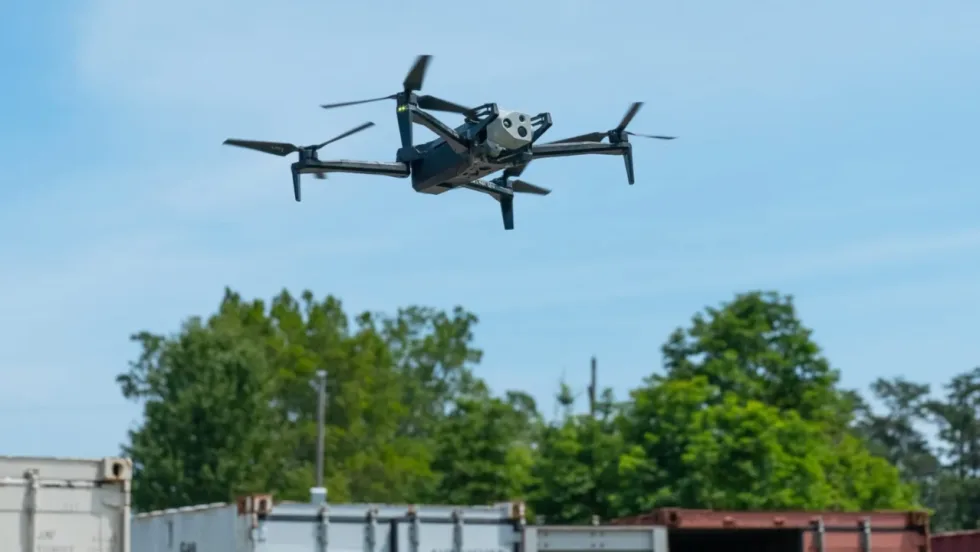
When Disaster Response Goes Mobile
Drones and robotic systems can give emergency teams a view of a disaster before crews ever reach the scene. But the real challenge is keeping those machines, vehicles, operators, and command centers connected when traditional infrastructure may already be compromised.
Read More →
Experts Forecast Broader Impact of Wildfires in 2026
This year’s wildfire season will likely be more intense than in 2025. The 2026 wildfire forecast from AccuWeather is for fewer fires, but even more acreage will be impacted this year.
Read More →
Farmers Insurance Backs Red Cross Disaster Response Efforts With $250,000 Commitment
Farmers Insurance joined the Red Cross Disaster Responder Program to help support emergency response and recovery during disasters nationwide.
Read More →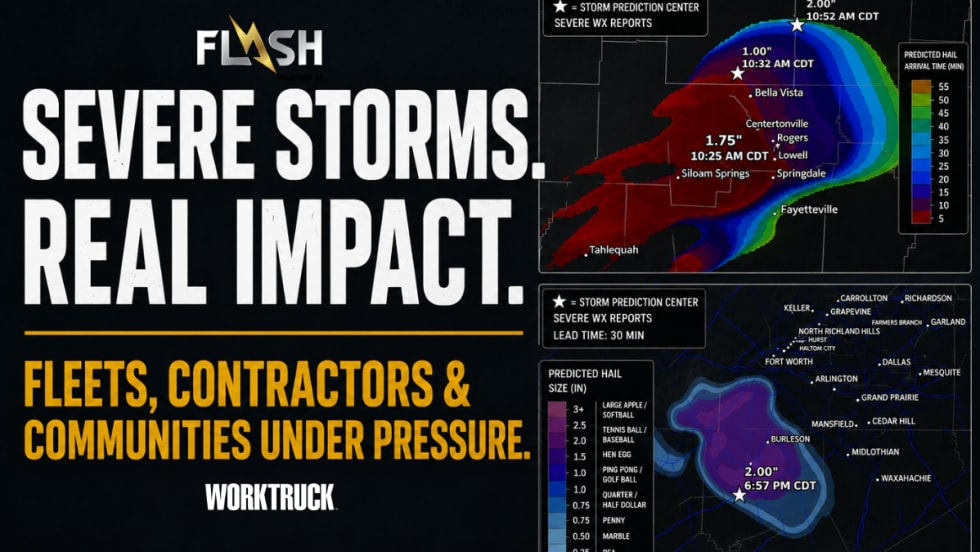
Severe Storms Are Reshaping Recovery Operations for Contractors and Work Truck Fleets
Hailstorms are creating costly new challenges for work truck fleets, from damaged onboard tech to longer recovery timelines and tactical storm planning.
Read More →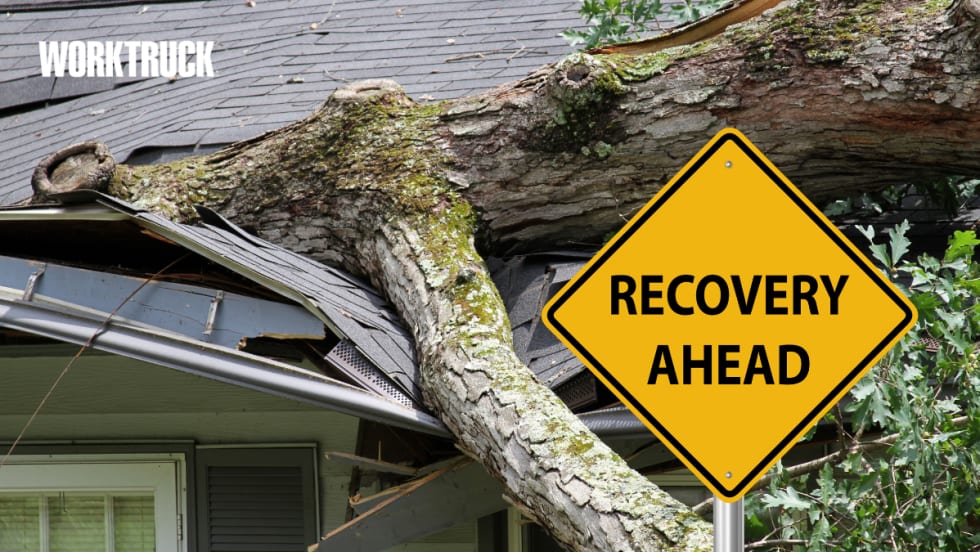
After the Storm Clears: Why Cargo Risk Spikes During Disaster Recovery
When the storm ends, cargo theft risk can spike. Here’s why the restart phase is the danger zone and what fleets can do to stay ahead.
Read More →
Your Suppliers Are Part of Your Disaster Plan
Your suppliers can make or break disaster response. Here’s how fleets can reduce vendor risk and keep critical parts flowing when storms hit.
Read More →
When the Process Breaks (Why Fleet Workflows Collapse During Disaster Response)
When disaster hits, fleet workflows don’t collapse all at once. They unravel quietly. Here’s where breakdowns start and how to build resilience before it’s too late.
Read More →
How Federal Disaster Declarations Work and Why Fleet Leaders Need to Know
How federal disaster declarations work and why fleet leaders should care about funding, reimbursements, infrastructure repairs, and recovery timelines.
Read More →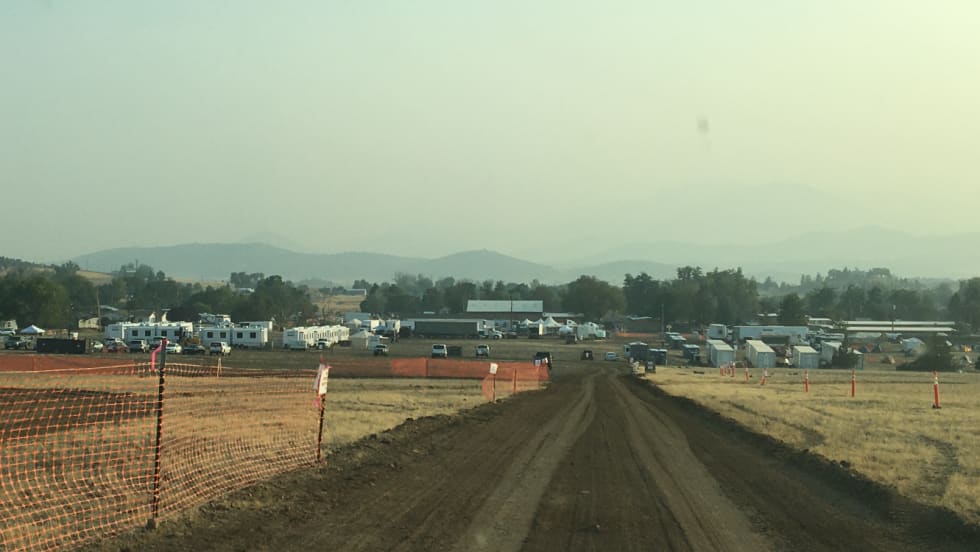
Disaster Readiness Is Not a Fleet Count, It’s a Stress Test of the Whole System
Fleet readiness isn’t about your vehicle count. It’s about condition, capacity, and whether your system can actually perform under stress.
Read More →
Finding the Vital Strand: Equipment Repairs in Remote Locations
When a stranded excavator stalled a remote Alaska project, disciplined troubleshooting and teamwork uncovered the one connection that made it run again.
Read More →