





Disaster-Proofing Fleet Operations: How to Maintain Uptime When Conditions Are Anything but Normal
Your Fleet Is Also Human: Helping Drivers and Technicians During Disasters
Disaster response plans often overlook the human factor. Learn how supporting drivers and technicians improves safety, resilience, and fleet performance.
April 30, 2026

During a disaster event it's important to remember that your employees have more on their mind than the job at hand and balance is key.
Credit: Work Truck
4 min to read
Disaster response plans tend to be heavy on assets and light on people.
We map routes. We stage vehicles. We prioritize equipment. And then, when the moment arrives, we’re surprised when staffing becomes the hardest part of the operation.
Here’s the part fleets don’t always say out loud: during a disaster, your drivers and technicians are also victims, caregivers, evacuees, and parents. They’re worried about their homes, their families, and whether they’ll have a place to sleep when the shift ends.
Ignoring that reality doesn’t make the response stronger; it actually makes it quite fragile.
Disaster Response Doesn’t Pause Personal Life
When hurricanes approach, wildfires spread, or winter storms shut down regions, fleets often assume availability until proven otherwise. But for the people behind the wheel or under the hood, availability is complicated.
Drivers may be under evacuation orders. Technicians may be dealing with power outages at home. Some employees may be physically unable to report in. Others may show up anyway, exhausted and distracted.
One of the biggest mistakes fleet leaders make is treating staffing like a static resource. In disasters, it’s dynamic, emotional, and unpredictable. A strong response starts by acknowledging reality rather than working around it.
The Danger of 'Just Get it Done'
Disasters create urgency, and urgency creates shortcuts. Think about what that actually looks like in the field: extended shifts, minimal rest, deferred safety conversations, and informal role changes. All of it feels justified in the moment, especially when communities are depending on fleet operations.
But fatigue doesn’t care about good intentions. It never has. Drivers operating unfamiliar routes in extreme conditions are already at higher risk. Technicians working long hours in unstable environments face an increased risk of injury. Add personal stress to the mix, and decision-making suffers fast.
Fleets that perform best during disasters aren’t the ones that demand heroics. They’re the ones who put guardrails in place before heroics feel necessary.
In practice, that looks like:
Defining maximum shift lengths even during emergencies
Rotating crews when possible
Empowering supervisors to pull people back when safety slips
Making it clear that speaking up is not a failure
Disaster response is not the time to discover where your safety culture cracks.
Communication Matters More Than Coverage
During disasters, silence creates anxiety. Drivers want to know what’s expected of them. Technicians want to know how long they’ll be deployed. Everyone wants to know who’s making decisions and how those decisions might change.
Fleets often focus communication outward, toward customers or agencies, and forget the internal audience. That’s when rumors fill the gap.
Even imperfect information is better than none. Clear, frequent updates help crews feel grounded, even when plans shift.
Good communication answers simple questions:
What do we know right now?
What’s likely to change?
Who should employees contact if their situation changes?
You don’t need perfect answers. You need consistency.
Family Considerations Aren’t a Soft Issue
One of the fastest ways to lose trust during disaster response is to ignore what employees are dealing with at home.
Drivers and technicians will always prioritize family safety. Fleets that acknowledge that reality build loyalty and resilience. Fleets that pretend it doesn’t exist lose people, sometimes permanently.
Some fleets plan ahead by:
Allowing flexible reporting windows
Creating buddy systems so no one feels trapped
Coordinating housing or rest options when home isn’t safe
Being transparent about how long the response may last
These aren’t perks. They’re operational decisions that keep people functioning.
Training for Pressure, Not Perfection
Most fleet training assumes normal conditions. Disaster conditions are anything but normal.
People need to know:
When rules change
When discretion is allowed
When it’s okay to stop and reassess
Training for disaster response isn’t about memorizing procedures. It’s about preparing people to make safe decisions when information is incomplete and stress is high.
That includes supervisors, too. Leaders who haven’t thought through how they’ll manage people under pressure often default to urgency over judgment.
That’s when mistakes multiply.
Driving Thoughts
Vehicles don’t respond to disasters; people do.
Fleet resilience isn’t just about having the right equipment in the right place. It’s about supporting the humans expected to operate that equipment when conditions are at their worst.
Disasters test more than systems. They test leadership, trust, and culture. Fleets that remember their people during response don’t just perform better in the moment. They recover faster when it’s over.
Because a fleet that takes care of its people can keep moving, even when everything else feels uncertain.
Subscribe to Our Newsletter
More Disaster Response
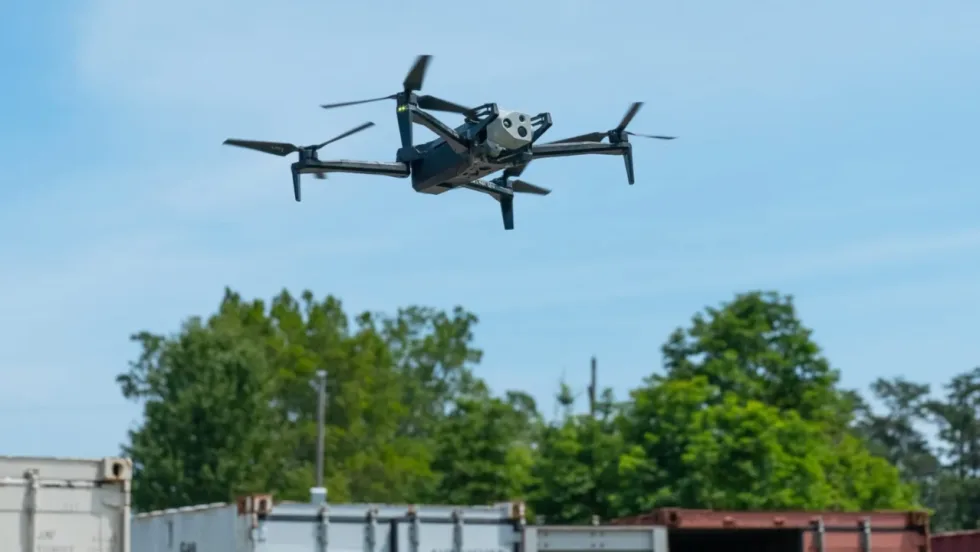
When Disaster Response Goes Mobile
Drones and robotic systems can give emergency teams a view of a disaster before crews ever reach the scene. But the real challenge is keeping those machines, vehicles, operators, and command centers connected when traditional infrastructure may already be compromised.
Read More →
Experts Forecast Broader Impact of Wildfires in 2026
This year’s wildfire season will likely be more intense than in 2025. The 2026 wildfire forecast from AccuWeather is for fewer fires, but even more acreage will be impacted this year.
Read More →
Farmers Insurance Backs Red Cross Disaster Response Efforts With $250,000 Commitment
Farmers Insurance joined the Red Cross Disaster Responder Program to help support emergency response and recovery during disasters nationwide.
Read More →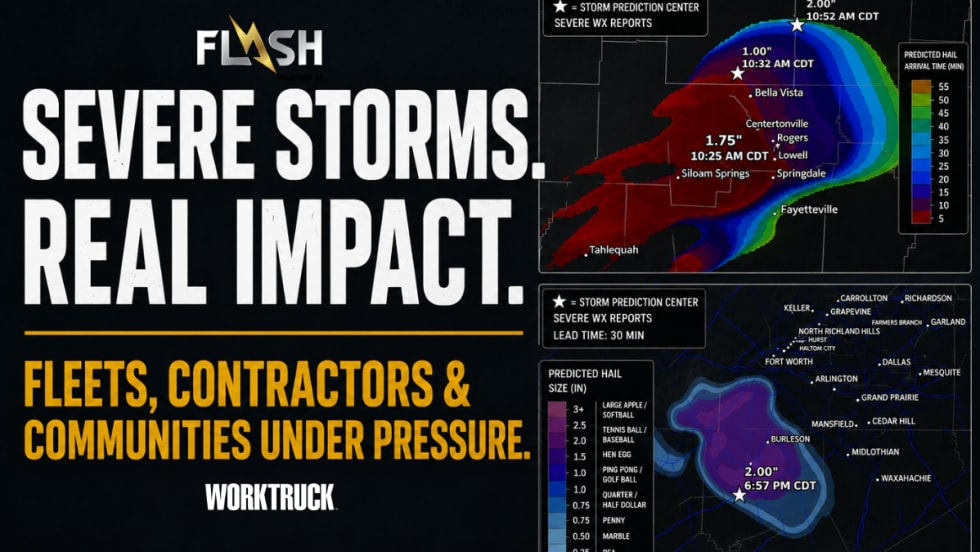
Severe Storms Are Reshaping Recovery Operations for Contractors and Work Truck Fleets
Hailstorms are creating costly new challenges for work truck fleets, from damaged onboard tech to longer recovery timelines and tactical storm planning.
Read More →
After the Storm Clears: Why Cargo Risk Spikes During Disaster Recovery
When the storm ends, cargo theft risk can spike. Here’s why the restart phase is the danger zone and what fleets can do to stay ahead.
Read More →
Your Suppliers Are Part of Your Disaster Plan
Your suppliers can make or break disaster response. Here’s how fleets can reduce vendor risk and keep critical parts flowing when storms hit.
Read More →
When the Process Breaks (Why Fleet Workflows Collapse During Disaster Response)
When disaster hits, fleet workflows don’t collapse all at once. They unravel quietly. Here’s where breakdowns start and how to build resilience before it’s too late.
Read More →
How Federal Disaster Declarations Work and Why Fleet Leaders Need to Know
How federal disaster declarations work and why fleet leaders should care about funding, reimbursements, infrastructure repairs, and recovery timelines.
Read More →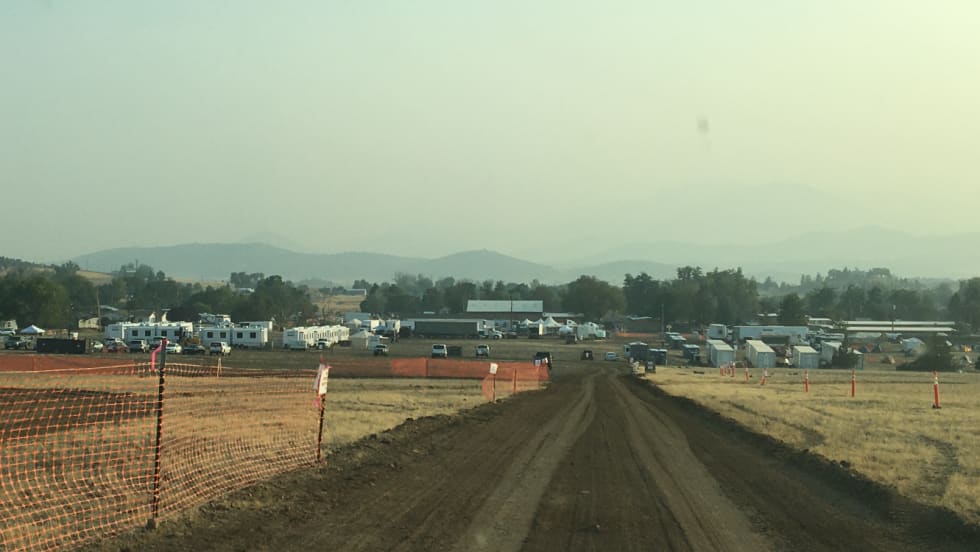
Disaster Readiness Is Not a Fleet Count, It’s a Stress Test of the Whole System
Fleet readiness isn’t about your vehicle count. It’s about condition, capacity, and whether your system can actually perform under stress.
Read More →
Disaster-Proofing Fleet Operations: How to Maintain Uptime When Conditions Are Anything but Normal
When disaster strikes, fleet uptime depends on prep, mobile maintenance, clear visibility, and disciplined execution before, during, and after the event.
Read More →