When a stranded excavator stalled a remote Alaska project, disciplined troubleshooting and teamwork uncovered the one connection that made it run again.
by Ben L. Evridge, Pillar Creek Equipment LLC
April 30, 2026Troubleshoot: To analyze and solve problems.
When disaster strikes, equipment failure is not just inconvenient. It can stall recovery, delay critical work, and strain already limited resources. In remote or disaster-impacted areas, there is no quick swap, no easy transport, and no margin for guesswork.
This story is a reminder that disciplined troubleshooting, steady thinking, and strong professional networks are often the difference between stalled operations and restored momentum.
When the System Fails in the Field
The best response to equipment difficulty requires sound troubleshooting. When first looking at a challenging situation, it is easy to see it as a hairball that must be unraveled. Messy and tangled, it is hard to know where to start. This is especially true for electrical trouble with machinery.
Effective troubleshooters are lifelong learners, always interested in finding the best solution for the circumstances. They understand the value of networking and constant exposure to others who might know something they do not. Their approach often includes a mindset that acknowledges, “It looks like a hairball, all right.”
But it also assumes there is a “vital strand” to follow that will lead to the best solution.
A Machine Stranded Before Winter
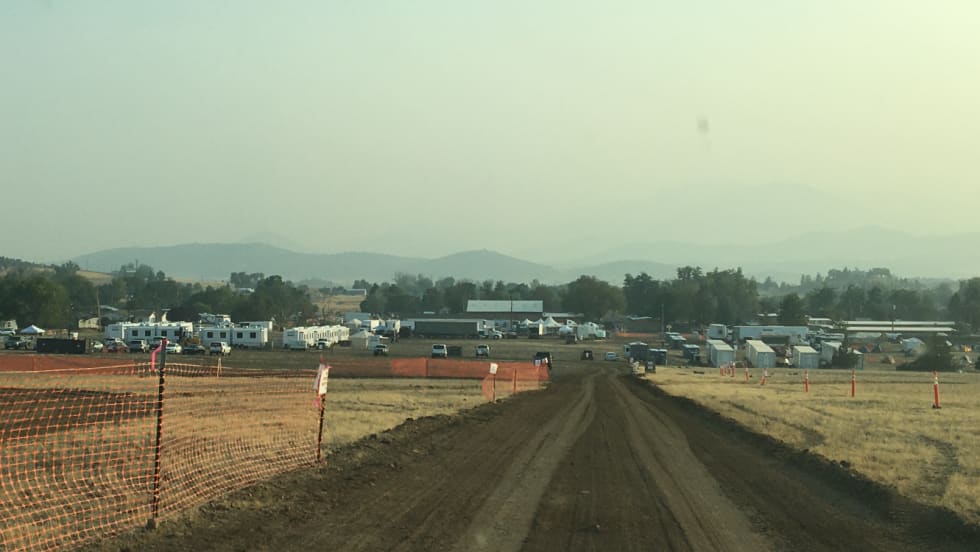
A few years ago, officials from a small village along one of Alaska’s major river systems ordered a new electronically controlled excavator from Anchorage. It arrived by barge three months later, just before the river became impassable for another eight months due to freezing.
They put it right to work. Within a few weeks, however, they noticed it was not responding well to the controls. Then it stopped working altogether.
A field repair technician from the dealer flew out to check the machine under warranty. He worked on it for three days without success and flew home. Another technician was sent out, and then another, again without success. Then winter came, and the river froze. The construction season ended, and there was nothing to do but wait for the spring thaw.
When travel resumed, the dealer sent another round of technicians. They still could not fix the excavator. Finally, regardless of warranty coverage, the dealer said they could not send anyone else. If the machine could be loaded onto a barge and shipped back to Anchorage, they would repair it in the shop.
Of course, when an excavator cannot move, it cannot be loaded onto a barge. It was stuck in the village.
When Standard Support Still Falls Short
After hearing of his troubleshooting skills, the village contacted Jim, an independent technician. He flew out and got to work. But when he called me, his frustration was clear.
“I’ve been out here for several days troubleshooting this new excavator that the dealer has stepped away from,” he said. “There’s no restaurant or motel. I’m sleeping in the water treatment shed and living on peanut butter and jelly sandwiches and coffee. The electronic control system isn’t allowing the hydraulic and travel circuits to work together. Do you have any ideas?”
I had to admit, I did not. Then I remembered that Jesse was at my shop doing a wiring job. Perhaps he could help?
Going Back to the Basics
Jesse is an exceptional electrical troubleshooter. He has studied physics extensively, including electrical phenomena, and pairs that knowledge with a very hands-on approach. There is nothing theoretical about the way he works.
One thing I observed is that he always begins electrical troubleshooting by studying the wiring diagram.
I handed him the phone. For two hours, they went back and forth. Jesse asked for the PDF version of the 750-page repair manual, and Jim quickly sent it.
That evening, Jesse studied the wiring diagrams and learned the machine had nearly 80 different circuits. He identified the circuit that was malfunctioning.
The wiring harness was extensive, with multiple short lengths connecting to one another via large, multi-pin connectors. Each pin was numbered. Some connectors had between 40 and 60 square pins that engaged with spring-loaded sockets.
Jesse suspected the issue was in one of the connectors within the affected circuit.
The next morning, he called Jim and told him to disconnect a specific connector and locate pin No. 58. “When you find it, take a pair of needle-nose pliers, and twist the pin slightly,” he said. “That should improve the electrical connection. Then try operating the machine and let me know.”
The Connection That Changed Everything
There was jubilation when Jim reported that the excavator worked perfectly. This story highlights two people committed to problem-solving. They relied on sound practices, continuous learning, and professional networking to find a solution in a remote, challenging situation.
If it worked for them, it could work for any of us when faced with the sticky, unanticipated scenarios that disaster response and field operations often bring.
About the Author: Ben L. Evridge is the owner of Pillar Creek Equipment LLC. He is an experienced trainer and author of books, including Diesel Mechanics (co-authored with Erich Schulz). He can be reached at info@virtualdiesel.com. This article was authored and edited following Work Truck editorial standards and style. Opinions expressed may not reflect those of WT.